Soulard Jonathan, Boivin Nicolas, Morse David, Cappadocia Mario
Institut de Recherche en Biologie Végétale (IRBV), Département de Sciences Biologiques, Université de Montréal, Montréal, Québec, Canada.
PLoS One. 2014 Feb 27;9(2):e90206. doi: 10.1371/journal.pone.0090206. eCollection 2014.
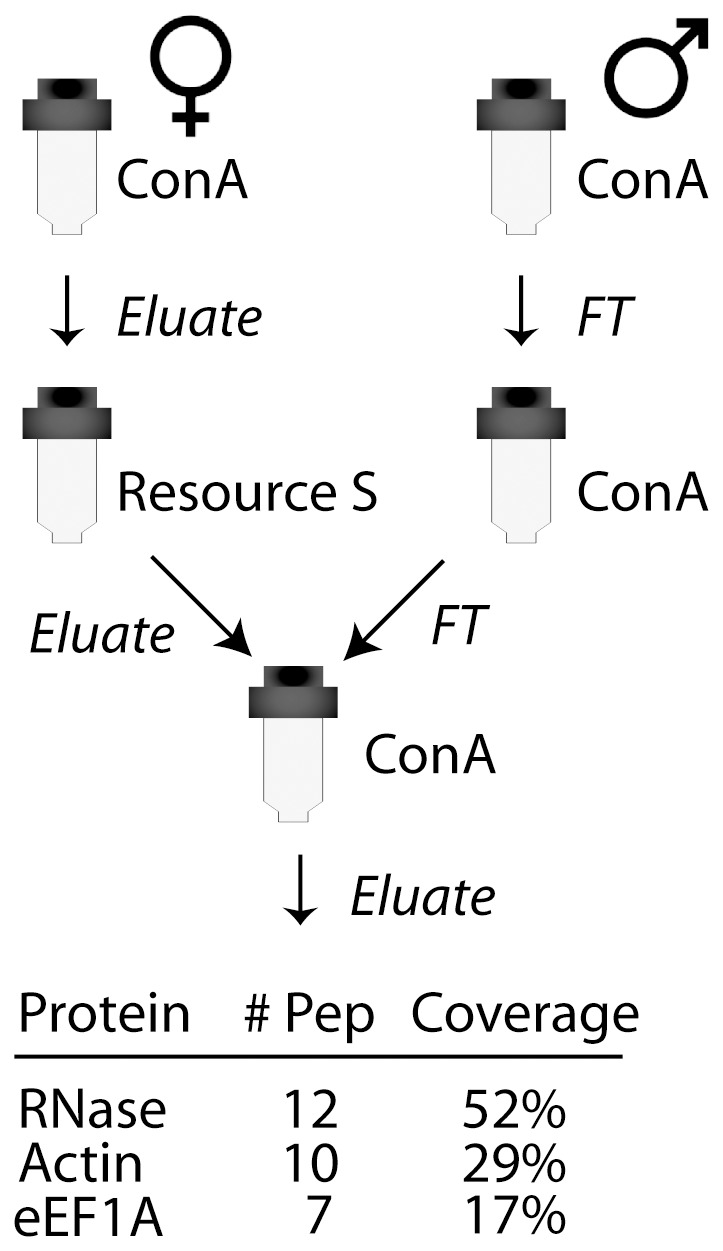
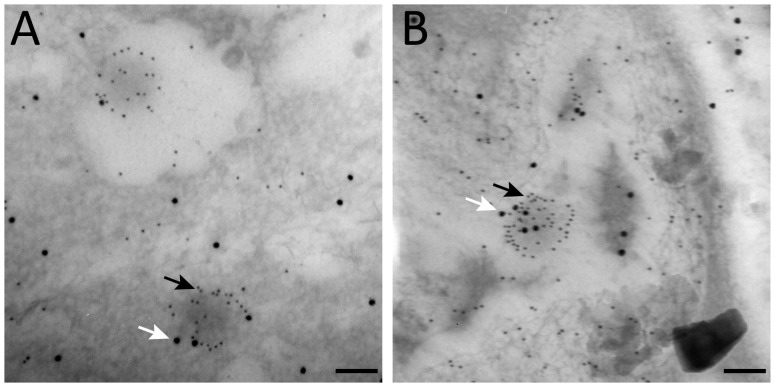
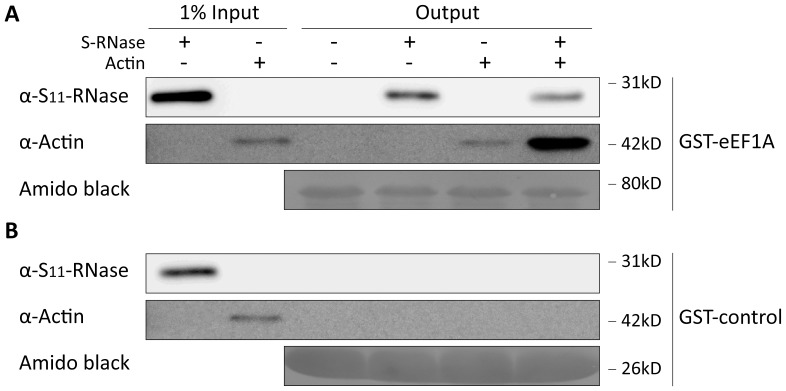
Self-incompatibility (SI) is a genetic mechanism that allows flowering plants to identify and block fertilization by self-pollen. In the Solanaceae, SI is controlled by a multiallelic S-locus encoding both S-RNases and F-box proteins as female and male determinants, respectively. S-RNase activity is essential for pollen rejection, and a minimum threshold value of S-RNases in the style is also required. Here we present biochemical evidence that eEF1A is a novel S-RNase-binding partner in vitro. We further show that the normal actin binding activity of eEF1A is enhanced by the presence of S-RNase. Lastly, we find that there is a co-localization of S-RNase and actin in the incompatible pollen tubes in structures reminiscent of the actin bundles formed by eEF1A. We propose that increased binding of eEF1A to actin in the presence of S-RNase could help explain the disruption of the actin cytoskeleton observed during SI reactions.
自交不亲和性(SI)是一种遗传机制,它使开花植物能够识别并阻止自身花粉受精。在茄科植物中,自交不亲和性由一个多等位基因的S位点控制,该位点分别编码S-RNases和F-box蛋白作为雌蕊和雄蕊决定因子。S-RNase活性对于花粉排斥至关重要,并且花柱中S-RNases也需要一个最低阈值。在此,我们提供了生化证据,证明真核生物延伸因子-1α(eEF1A)在体外是一种新型的S-RNase结合伴侣。我们进一步表明,S-RNase的存在增强了eEF1A正常的肌动蛋白结合活性。最后,我们发现在不亲和花粉管中,S-RNase和肌动蛋白共定位在类似于由eEF1A形成的肌动蛋白束的结构中。我们提出,在S-RNase存在的情况下,eEF1A与肌动蛋白结合增加可能有助于解释在自交不亲和反应中观察到的肌动蛋白细胞骨架的破坏。