Hansel Gisele, Ramos Denise Barbosa, Delgado Camila Aguilar, Souza Débora Guerini, Almeida Roberto Farina, Portela Luis Valmor, Quincozes-Santos André, Souza Diogo Onofre
Programa de Pós Graduação em Ciências Biológicas-Bioquímica, Departamento de Bioquímica, Instituto de Ciências Básicas da Saúde, Universidade Federal do Rio Grande do Sul, Porto Alegre, RS, Brazil.
PLoS One. 2014 Feb 28;9(2):e90693. doi: 10.1371/journal.pone.0090693. eCollection 2014.
Stroke is a devastating disease. Both excitotoxicity and oxidative stress play important roles in ischemic brain injury, along with harmful impacts on ischemic cerebral tissue. As guanosine plays an important neuroprotective role in the central nervous system, the purpose of this study was to evaluate the neuroprotective effects of guanosine and putative cerebral events following the onset of permanent focal cerebral ischemia.
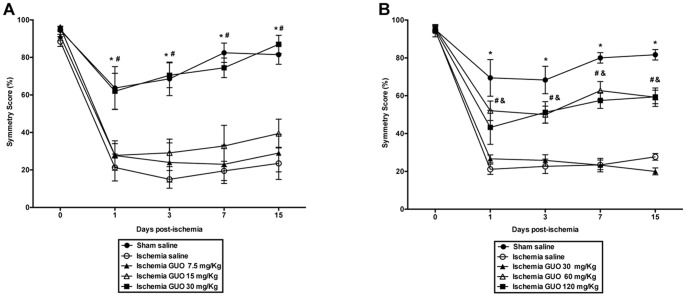
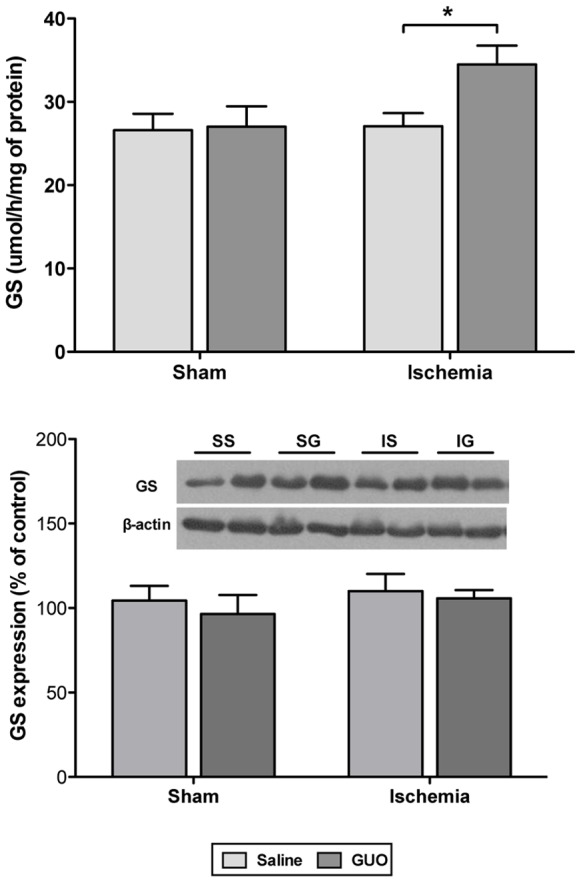
Permanent focal cerebral ischemia was induced in rats by thermocoagulation. Guanosine was administered immediately, 1 h, 3 h and 6 h after surgery. Behavioral performance was evaluated by cylinder testing for a period of 15 days after surgery. Brain oxidative stress parameters, including levels of ROS/RNS, lipid peroxidation, antioxidant non-enzymatic levels (GSH, vitamin C) and enzymatic parameters (SOD expression and activity and CAT activity), as well as glutamatergic parameters (EAAC1, GLAST and GLT1, glutamine synthetase) were analyzed.
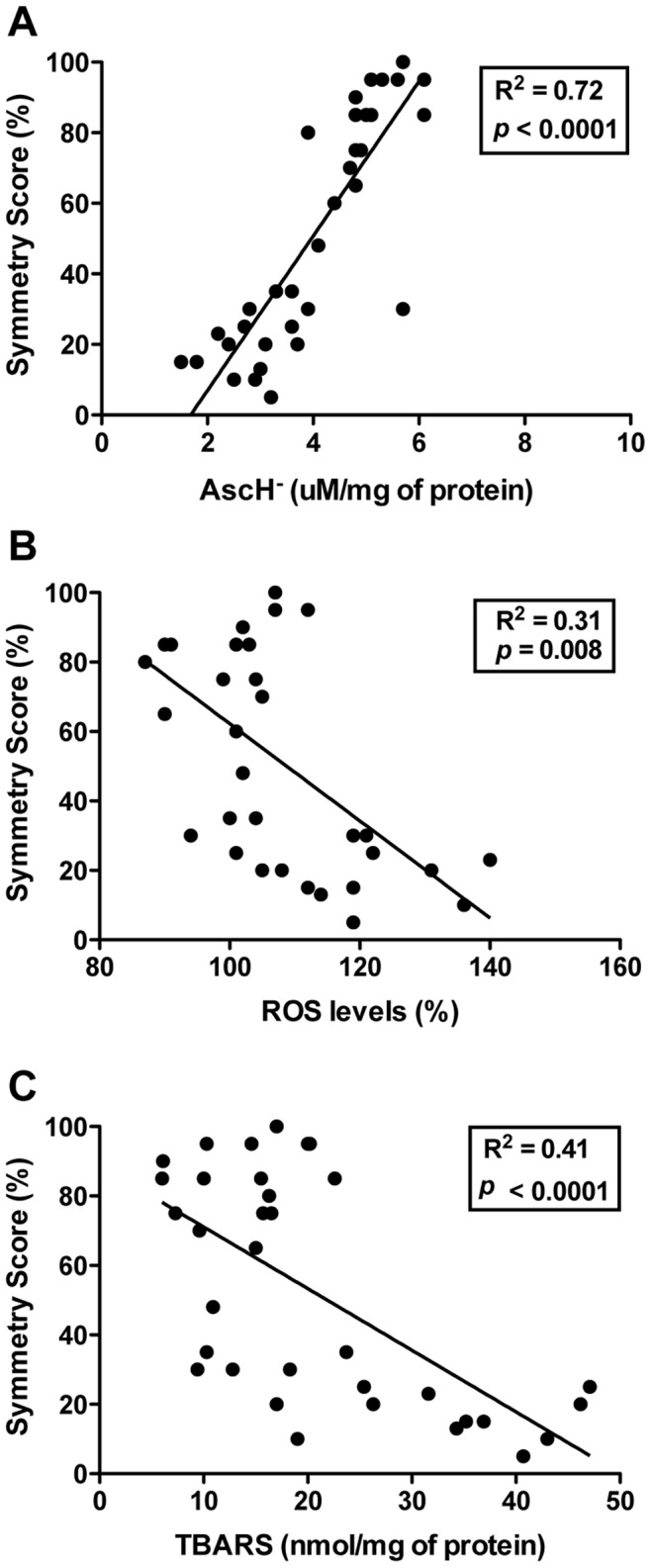
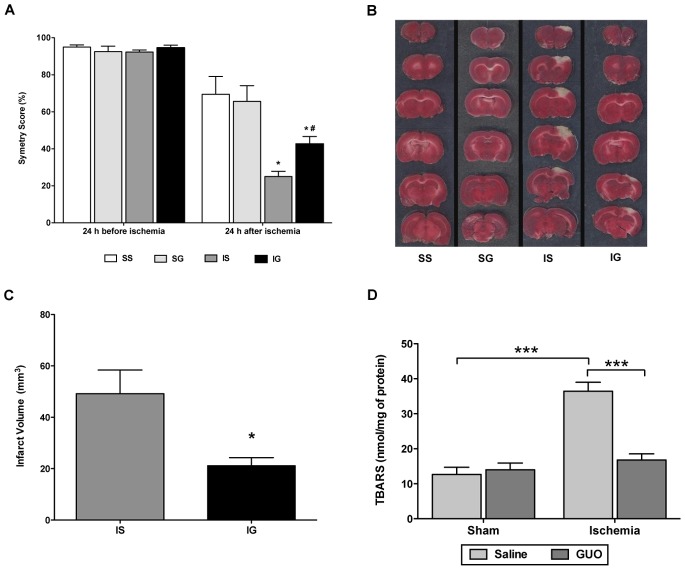
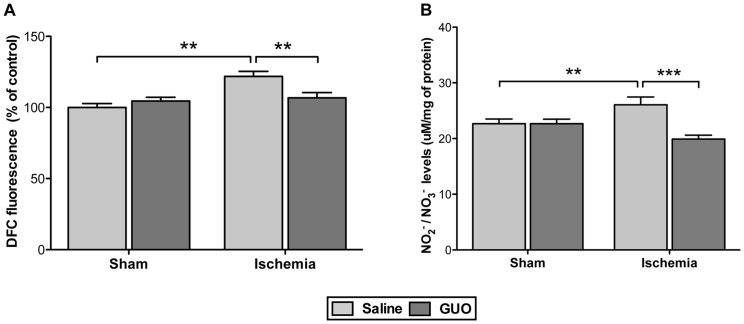
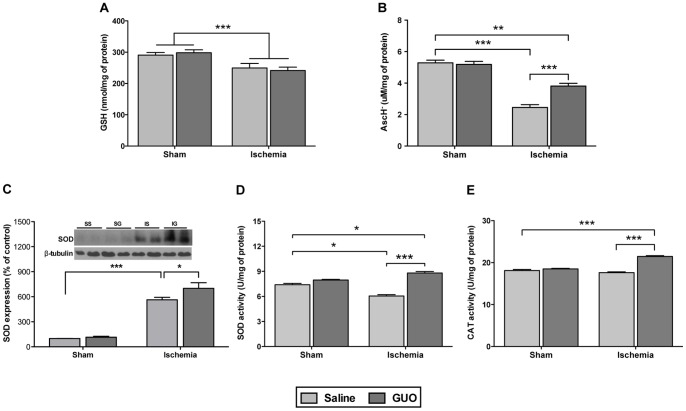
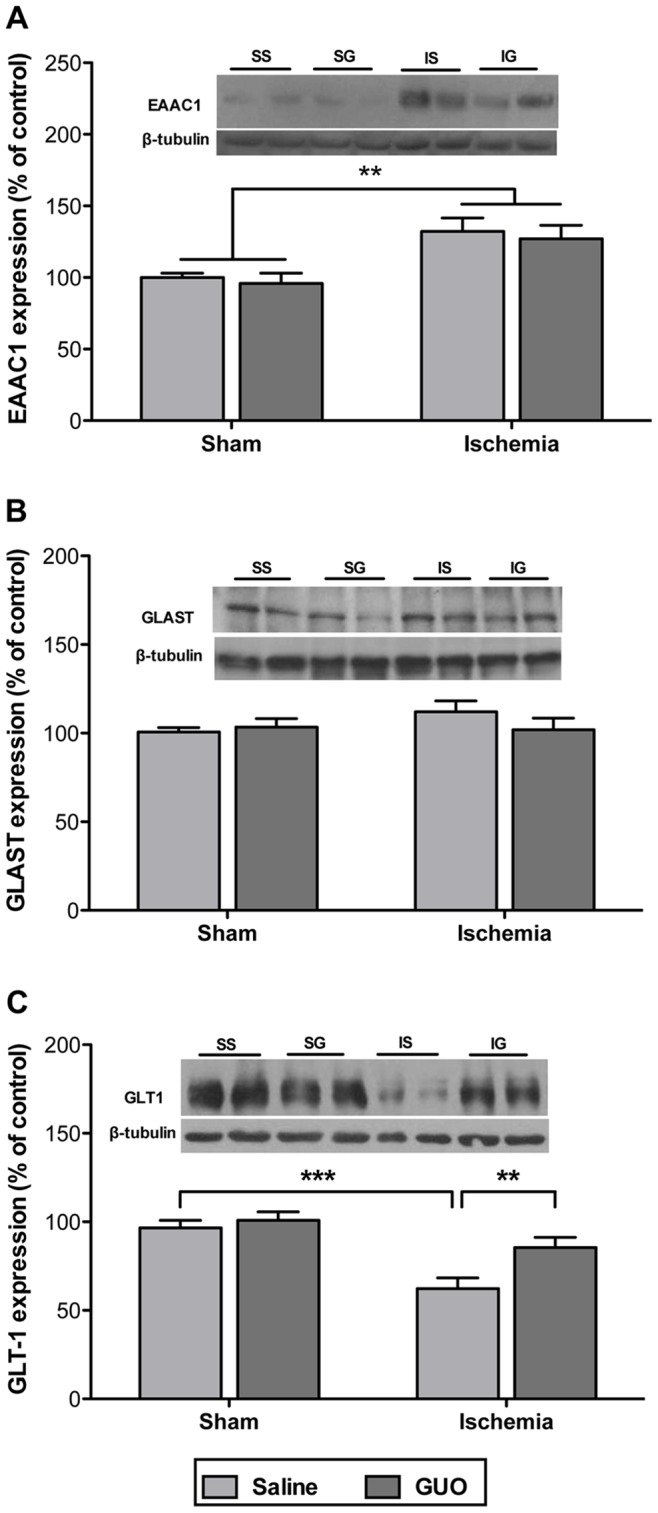
After 24 h, ischemic injury resulted in impaired function of the forelimb, caused brain infarct and increased lipid peroxidation. Treatment with guanosine restored these parameters. Oxidative stress markers were affected by ischemic insult, demonstrated by increased ROS/RNS levels, increased SOD expression with reduced SOD activity and decreased non-enzymatic (GSH and vitamin C) antioxidant defenses. Guanosine prevented increased ROS/RNS levels, decreased SOD activity, further increased SOD expression, increased CAT activity and restored vitamin C levels. Ischemia also affected glutamatergic parameters, illustrated by increased EAAC1 levels and decreased GLT1 levels; guanosine reversed the decreased GLT1 levels and did not affect the EAAC1 levels.
The effects of brain ischemia were strongly attenuated by guanosine administration. The cellular mechanisms involved in redox and glutamatergic homeostasis, which were both affected by the ischemic insult, were also modulated by guanosine. These observations reveal that guanosine may represent a potential therapeutic agent in cerebral ischemia by preventing oxidative stress and excitotoxicity.
中风是一种极具破坏性的疾病。兴奋性毒性和氧化应激在缺血性脑损伤中均起重要作用,同时对缺血性脑组织产生有害影响。由于鸟苷在中枢神经系统中发挥重要的神经保护作用,本研究旨在评估鸟苷对永久性局灶性脑缺血发作后的神经保护作用及相关的脑内事件。
通过热凝法诱导大鼠永久性局灶性脑缺血。术后立即、1小时、3小时和6小时给予鸟苷。术后15天通过圆筒试验评估行为表现。分析脑氧化应激参数,包括活性氧/氮(ROS/RNS)水平、脂质过氧化、抗氧化非酶水平(谷胱甘肽、维生素C)和酶参数(超氧化物歧化酶(SOD)表达和活性以及过氧化氢酶(CAT)活性),以及谷氨酸能参数(兴奋性氨基酸载体1(EAAC1)、谷氨酸转运体1(GLAST)和谷氨酸转运体2(GLT1)、谷氨酰胺合成酶)。
24小时后,缺血性损伤导致前肢功能受损、脑梗死形成并增加脂质过氧化。鸟苷治疗可恢复这些参数。氧化应激标志物受到缺血性损伤的影响,表现为ROS/RNS水平升高、SOD表达增加但活性降低以及非酶(谷胱甘肽和维生素C)抗氧化防御能力下降。鸟苷可防止ROS/RNS水平升高、降低SOD活性、进一步增加SOD表达、增加CAT活性并恢复维生素C水平。缺血还影响谷氨酸能参数,表现为EAAC1水平升高和GLT1水平降低;鸟苷可逆转GLT1水平降低,且不影响EAAC1水平。
给予鸟苷可显著减轻脑缺血的影响。缺血性损伤所影响的氧化还原和谷氨酸能稳态相关的细胞机制也受到鸟苷调节。这些观察结果表明,鸟苷可能通过预防氧化应激和兴奋性毒性而成为脑缺血的一种潜在治疗药物。