Cotoia Antonella, Scrima Rosella, Gefter Julia V, Piccoli Claudia, Cinnella Gilda, Dambrosio Michele, Fink Mitchell P, Capitanio Nazzareno
Department of Medical and Surgical Sciences, University of Foggia, Foggia, Italy.
Department of Clinical and Experimental Medicine, University of Foggia, Foggia, Italy.
PLoS One. 2014 Mar 5;9(3):e90917. doi: 10.1371/journal.pone.0090917. eCollection 2014.
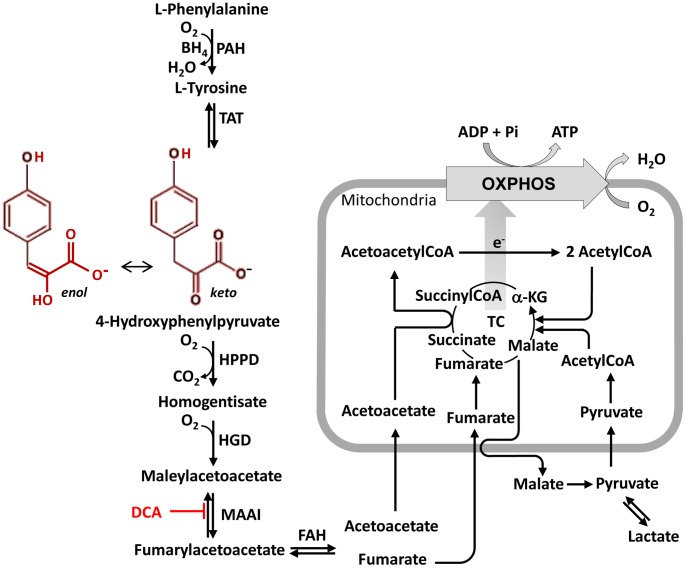
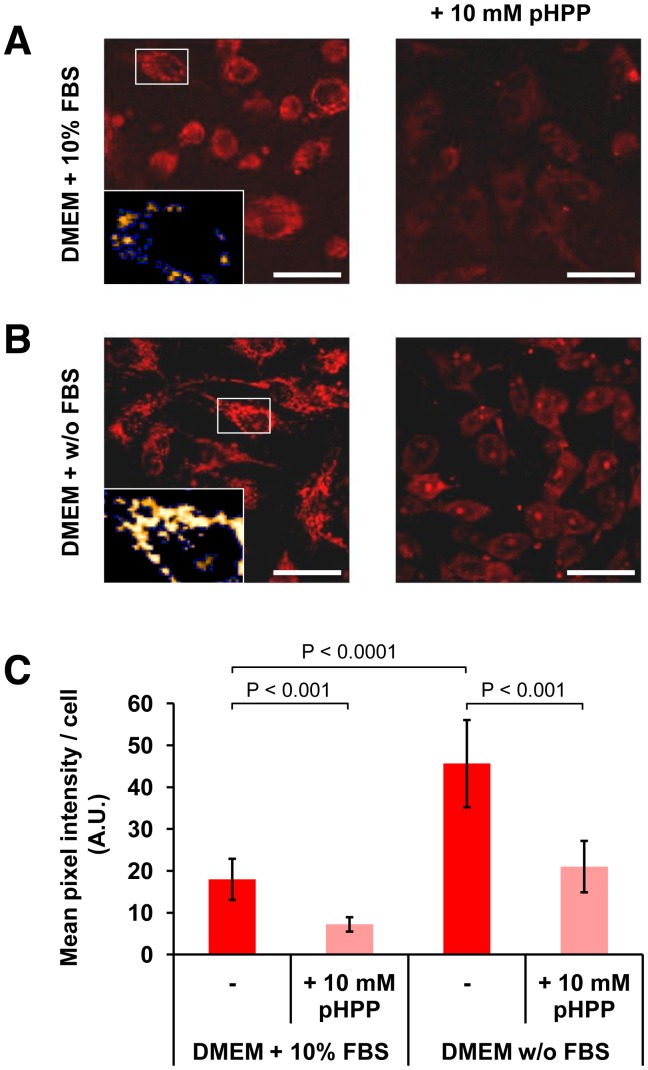
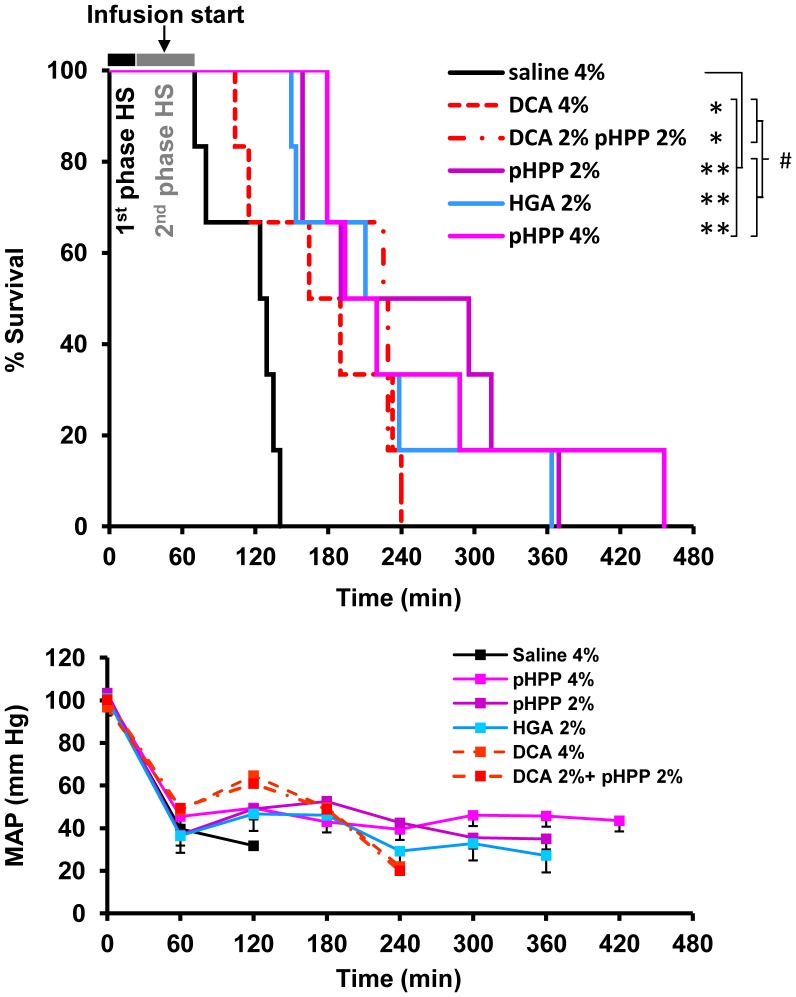
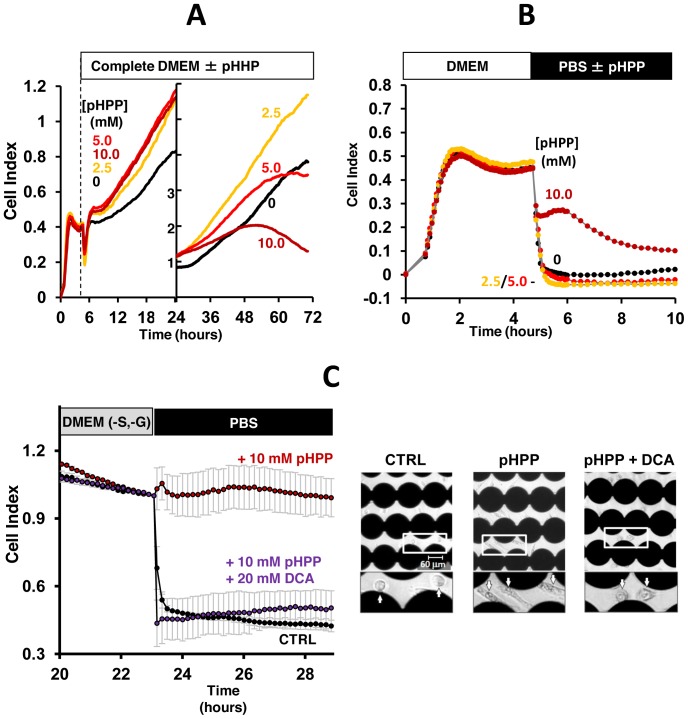
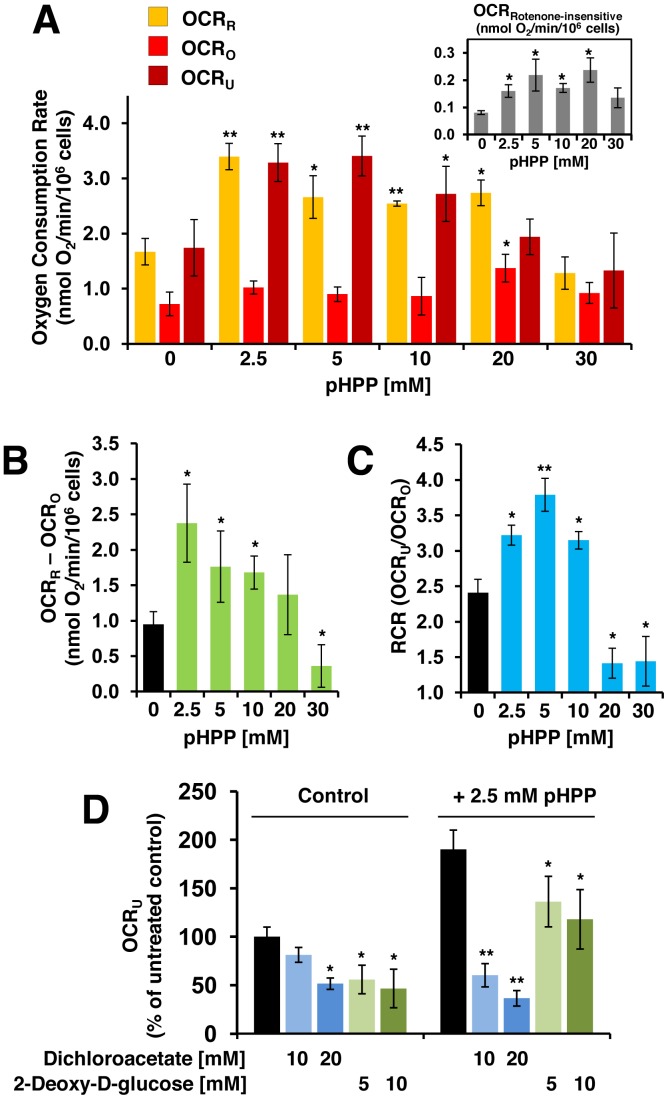
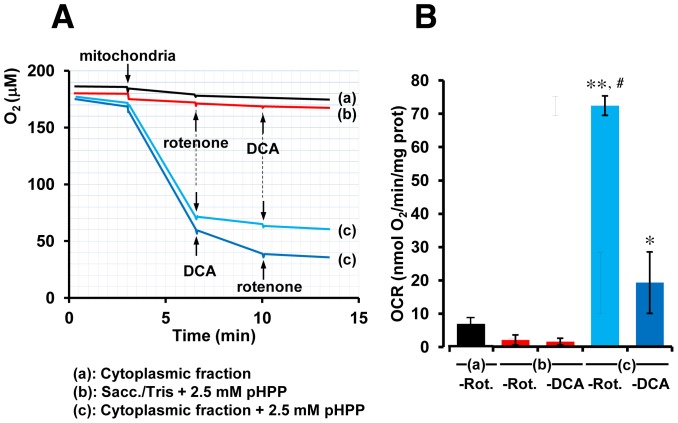
The aim of this study was to test the effect of a small volume administration of p-hydroxyphenylpyruvate (pHPP) in a rat model of profound hemorrhagic shock and to assess a possible metabolic mechanism of action of the compound. The results obtained show that hemorrhaged rats treated with 2-4% of the estimated blood volume of pHPP survived significantly longer (p<0.001) than rats treated with vehicle. In vitro analysis on cultured EA.hy 926 cells demonstrated that pHPP improved cell growth rate and promoted cell survival under stressing conditions. Moreover, pHPP stimulated mitochondria-related respiration under ATP-synthesizing conditions and exhibited antioxidant activity toward mitochondria-generated reactive oxygen species. The compound effects reported in the in vitro and in vivo analyses were obtained in the same millimolar concentration range. These data disclose pHPP as an efficient energetic substrates-supplier to the mitochondrial respiratory chain as well as an antioxidant supporting the view that the compound warrants further evaluation as a therapeutic agent.
本研究的目的是在严重失血性休克大鼠模型中测试小剂量对羟基苯丙酮酸(pHPP)给药的效果,并评估该化合物可能的代谢作用机制。所得结果表明,用估计血容量的2-4%的pHPP治疗的出血大鼠的存活时间明显长于用赋形剂治疗的大鼠(p<0.001)。对培养的EA.hy 926细胞的体外分析表明,pHPP在应激条件下提高了细胞生长速率并促进了细胞存活。此外,pHPP在ATP合成条件下刺激了线粒体相关呼吸,并对线粒体产生的活性氧表现出抗氧化活性。体外和体内分析中报道的化合物效应是在相同的毫摩尔浓度范围内获得的。这些数据表明pHPP是线粒体呼吸链的有效能量底物供应者,也是一种抗氧化剂,支持该化合物作为治疗剂值得进一步评估的观点。