Department of Public Health and Clinical Medicine .
Amyloid. 2014 Jun;21(2):113-9. doi: 10.3109/13506129.2014.894908. Epub 2014 Mar 7.
Hereditary transthyretin amyloidosis (ATTR) is a genetic disease caused by a point mutation in the TTR gene that causes the liver to produce an unstable TTR protein. The most effective treatment has been liver transplantation in order to replace the variant TTR producing liver with one that produces only wild-type TTR. ATTR amyloidosis patients' livers are reused for liver sick patients, i.e. the Domino procedure. However, recent findings have demonstrated that ATTR amyloidosis can develop in the recipients within 7-8 years. The aim of this study was to elucidate how the genetic profile of the liver is affected by the disease, and how amyloid deposits affect target tissue.
Gene expression analysis was used to unravel the genetic profiles of Swedish ATTR V30M patients and controls. Biopsies from adipose tissue and liver were examined.
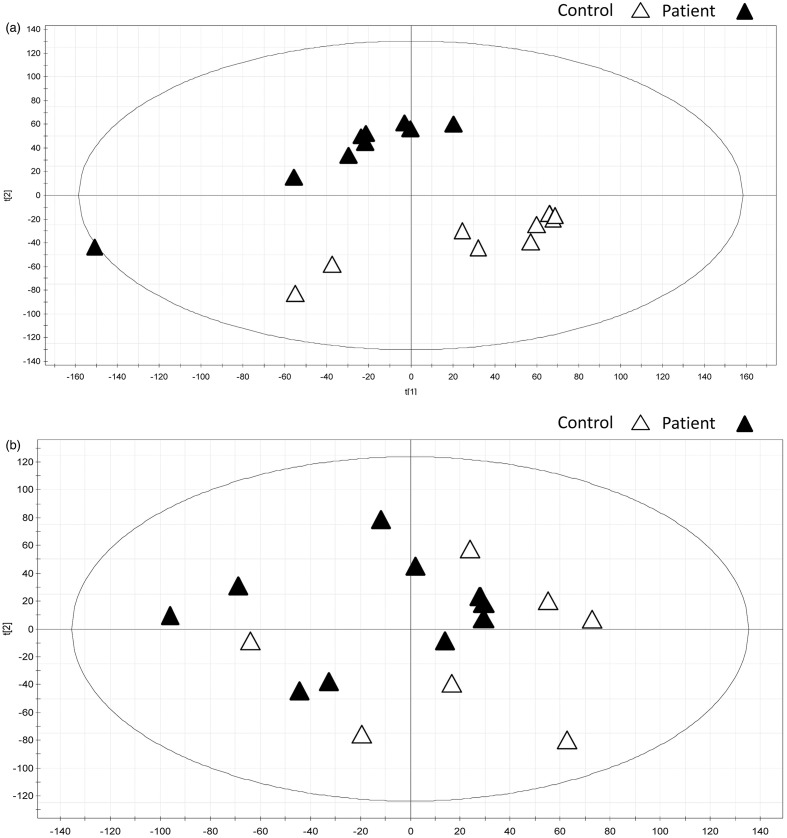
ATTR amyloid patients' gene expression profile of the main source organ, the liver, differed markedly from that of the controls, whereas the target organs' gene expression profiles were not markedly altered in the ATTR amyloid patients compared to those of the controls. An impaired ER/protein folding pathway might suggest ER overload due to mutated TTR protein.
遗传性转甲状腺素淀粉样变性(ATTR)是一种由 TTR 基因突变引起的遗传病,导致肝脏产生不稳定的 TTR 蛋白。最有效的治疗方法是肝移植,以用只产生野生型 TTR 的肝脏替换产生变异 TTR 的肝脏。ATTR 淀粉样变性患者的肝脏被重新用于肝脏疾病患者,即多米诺程序。然而,最近的发现表明,在 7-8 年内,接受者可能会发展为 ATTR 淀粉样变性。本研究旨在阐明肝脏的遗传特征如何受到疾病的影响,以及淀粉样沉积物如何影响靶组织。
基因表达分析用于揭示瑞典 ATTR V30M 患者和对照组的遗传特征。对脂肪组织和肝脏活检进行了检查。
主要来源器官(肝脏)的 ATTR 淀粉样变性患者的基因表达谱与对照组明显不同,而与对照组相比,ATTR 淀粉样变性患者的靶器官基因表达谱没有明显改变。内质网/蛋白质折叠途径受损可能提示由于突变的 TTR 蛋白导致内质网过载。