Flannagan Ronald S, Canton Johnathan, Furuya Wendy, Glogauer Michael, Grinstein Sergio
Program in Cell Biology, Hospital for Sick Children, Toronto, ON M5G 1X8, Canada Faculty of Dentistry, University of Toronto, Toronto, ON M5G 1G6, Canada Keenan Research Centre of the Li Ka Shing Knowledge Institute, St. Michael's Hospital, Toronto, ON M5C 1N8, Canada.
Mol Biol Cell. 2014 May;25(9):1511-22. doi: 10.1091/mbc.E13-04-0212. Epub 2014 Mar 12.
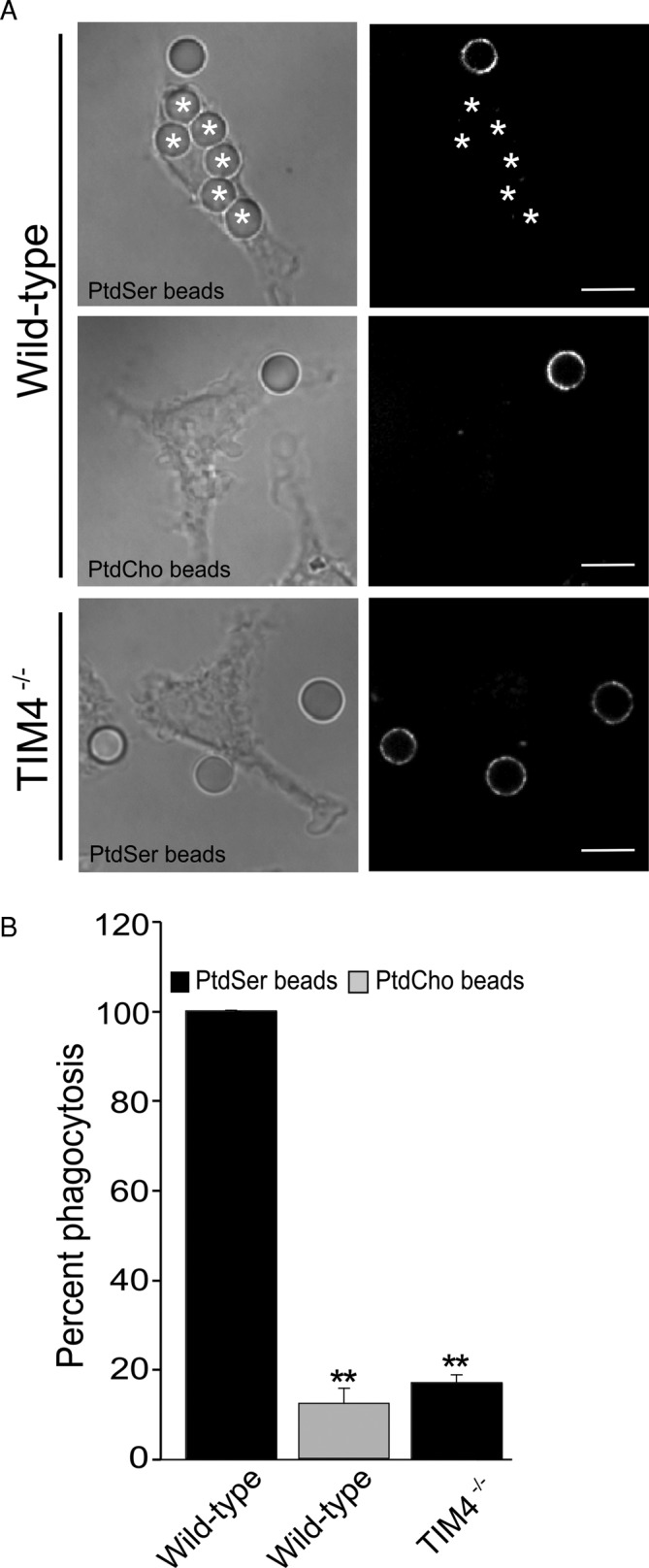
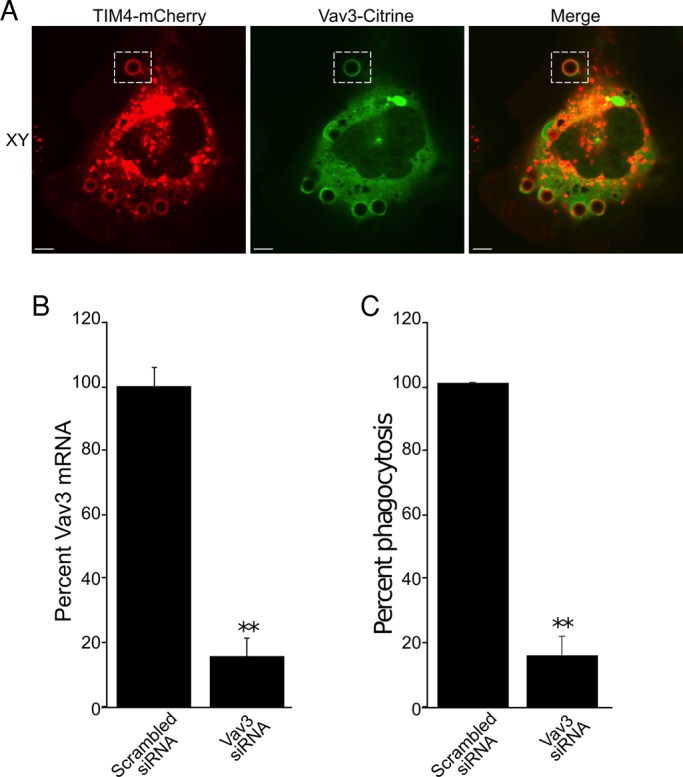
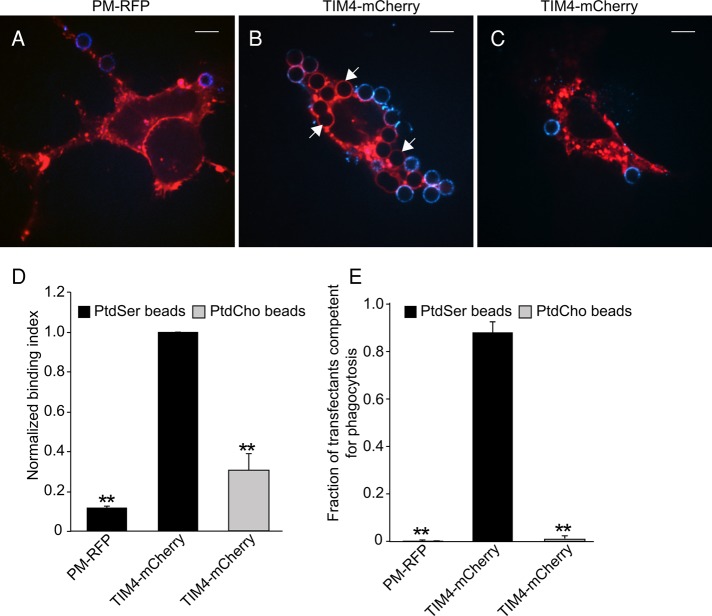
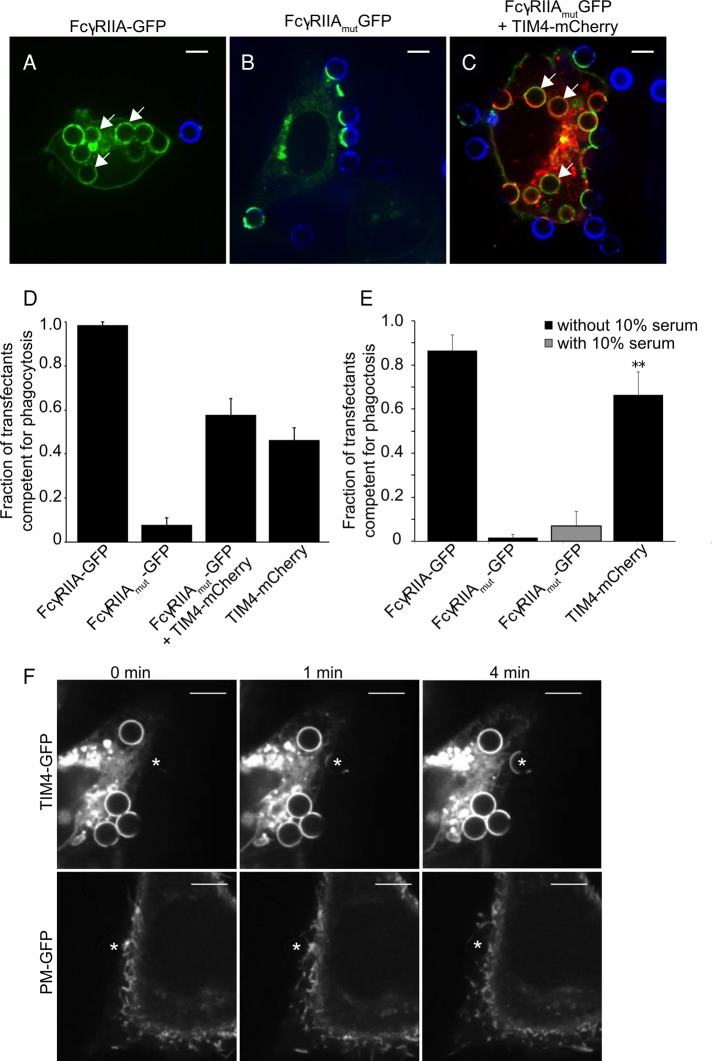
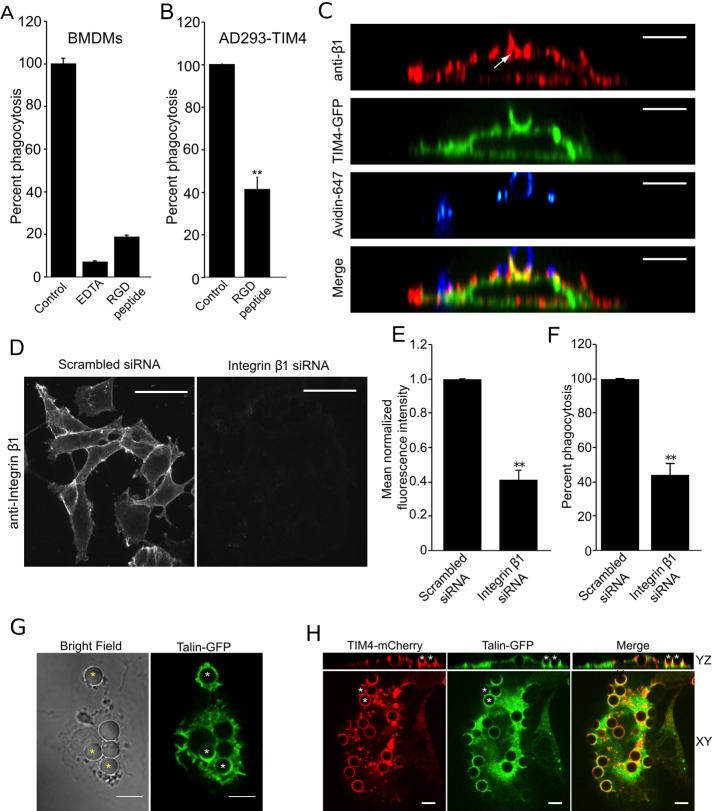
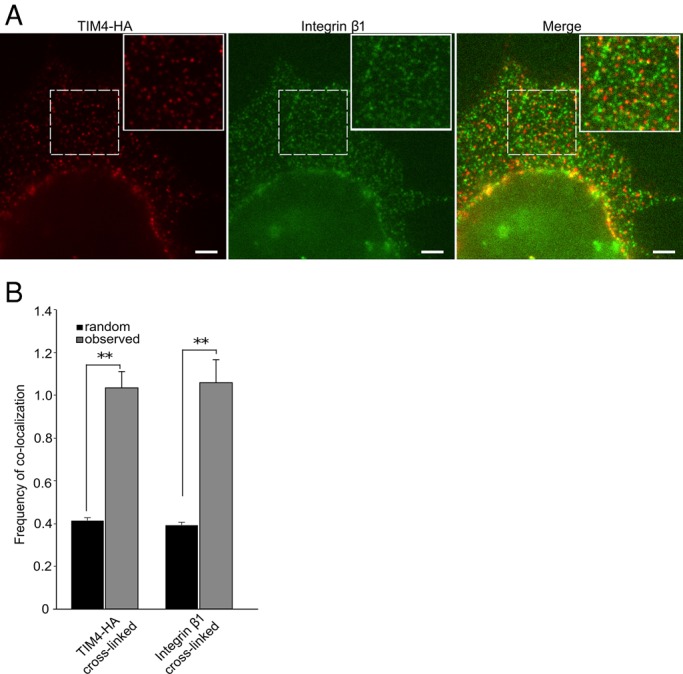
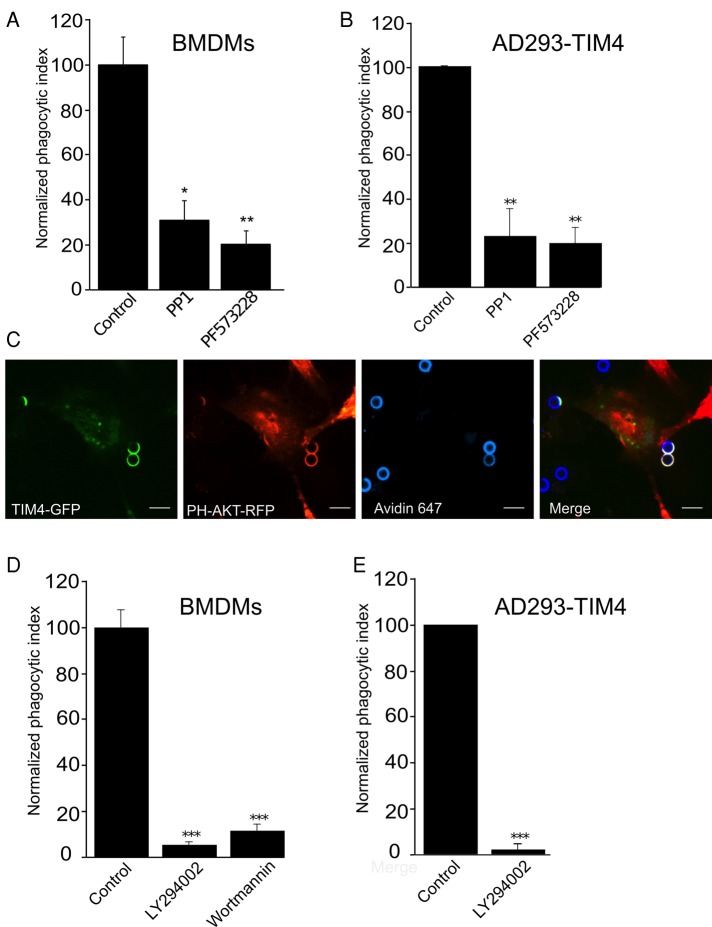
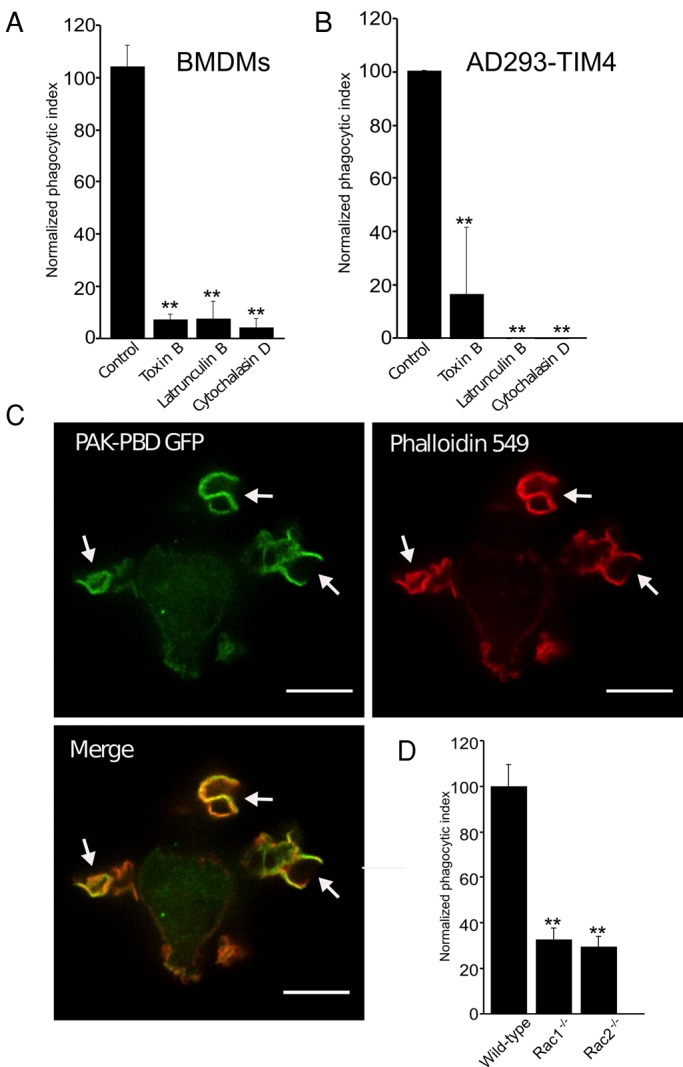
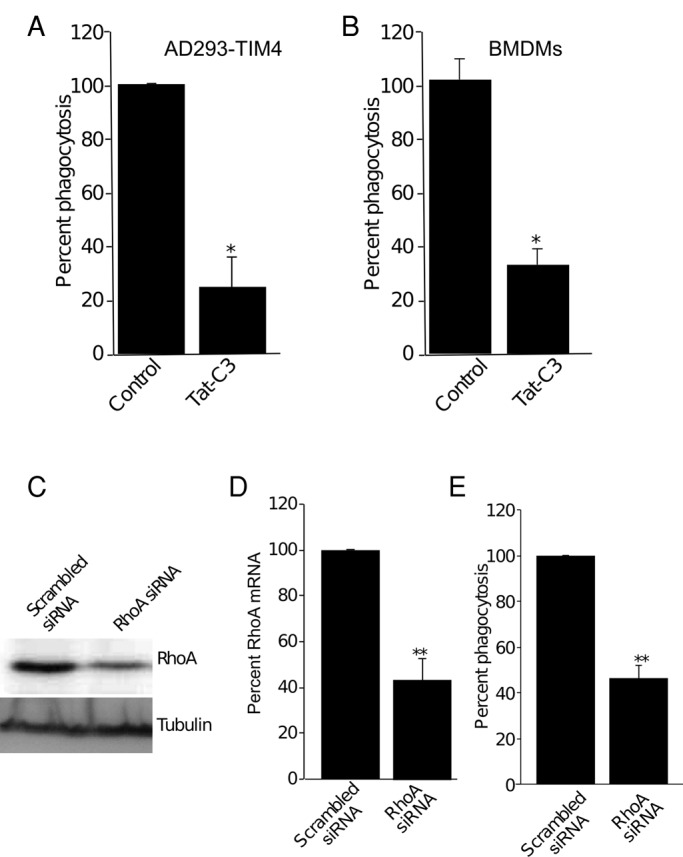
T-cell immunoglobulin mucin protein 4 (TIM4), a phosphatidylserine (PtdSer)-binding receptor, mediates the phagocytosis of apoptotic cells. How TIM4 exerts its function is unclear, and conflicting data have emerged. To define the mode of action of TIM4, we used two distinct but complementary approaches: 1) we compared bone marrow-derived macrophages from wild-type and TIM4(-/-) mice, and 2) we heterologously expressed TIM4 in epithelioid AD293 cells, which rendered them competent for engulfment of PtdSer-bearing targets. Using these systems, we demonstrate that rather than serving merely as a tether, as proposed earlier by others, TIM4 is an active participant in the phagocytic process. Furthermore, we find that TIM4 operates independently of lactadherin, which had been proposed to act as a bridging molecule. Of interest, TIM4-driven phagocytosis depends on the activation of integrins and involves stimulation of Src-family kinases and focal adhesion kinase, as well as the localized accumulation of phosphatidylinositol 3,4,5-trisphosphate. These mediators promote recruitment of the nucleotide-exchange factor Vav3, which in turn activates small Rho-family GTPases. Gene silencing or ablation experiments demonstrated that RhoA, Rac1, and Rac2 act synergistically to drive the remodeling of actin that underlies phagocytosis. Single-particle detection experiments demonstrated that TIM4 and β1 integrins associate upon receptor clustering. These findings support a model in which TIM4 engages integrins as coreceptors to evoke the signal transduction needed to internalize PtdSer-bearing targets such as apoptotic cells.
T细胞免疫球蛋白粘蛋白4(TIM4)是一种结合磷脂酰丝氨酸(PtdSer)的受体,介导凋亡细胞的吞噬作用。TIM4如何发挥其功能尚不清楚,并且已经出现了相互矛盾的数据。为了确定TIM4的作用方式,我们使用了两种不同但互补的方法:1)我们比较了野生型和TIM4基因敲除小鼠骨髓来源的巨噬细胞,2)我们在类上皮AD293细胞中异源表达TIM4,使其能够吞噬携带PtdSer的靶标。利用这些系统,我们证明,TIM4并非如其他人之前所提出的仅仅作为一个系链,而是吞噬过程中的一个积极参与者。此外,我们发现TIM4的作用独立于曾被认为作为桥接分子的乳凝集素。有趣的是,TIM4驱动的吞噬作用依赖于整合素的激活,涉及Src家族激酶和粘着斑激酶的刺激,以及磷脂酰肌醇3,4,5-三磷酸的局部积累。这些介质促进核苷酸交换因子Vav3的募集,进而激活小Rho家族GTP酶。基因沉默或敲除实验表明,RhoA、Rac1和Rac2协同作用驱动吞噬作用所依赖的肌动蛋白重塑。单颗粒检测实验表明,TIM4和β1整合素在受体聚集时相互结合。这些发现支持了一个模型,即TIM4作为共受体与整合素结合,以引发内化携带PtdSer的靶标(如凋亡细胞)所需的信号转导。