Mangoli Esmat, Talebi Ali Reza, Anvari Morteza, Pourentezari Majid
Department of Biology and Anatomical Sciences, Faculty of Medicine, Shahid Sadoughi University of Medical Sciences, Yazd, Iran.
Department of Andrology, Research and Clinical Center for Infertility, Yazd Reproductive Sciences Institute, Shahid Sadoughi University of Medical Sciences, Yazd, Iran.
Iran J Reprod Med. 2013 Jan;11(1):53-60.
Diabetes mellitus (DM), primary or idiopathic is a chronic disorder of the carbohydrate, lipid and protein metabolism. DM may impact male reproductive function at several levels. It is shown that DM has detrimental effects on sperm parameters in human and experimental animals.
The aim of this study was to observe the effects of diabetes on sperm parameters (viability, count, morphology and motility) and evaluation of sperm chromatin quality in mice.
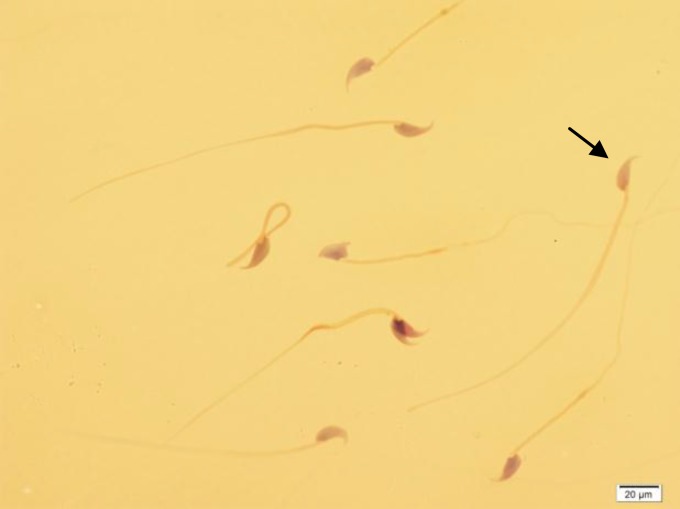
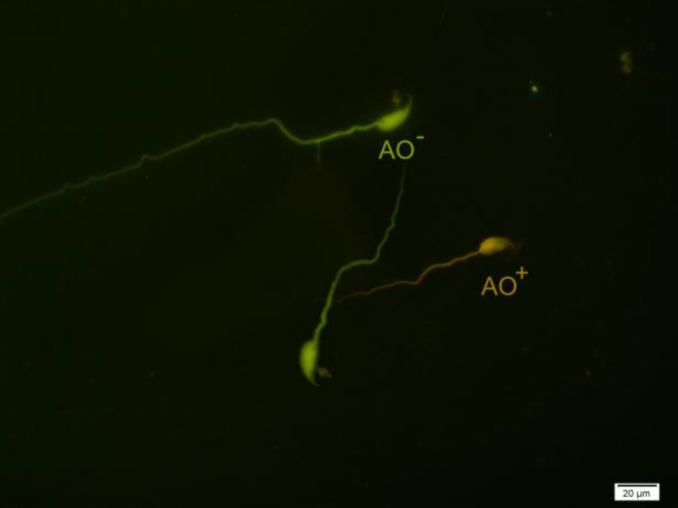
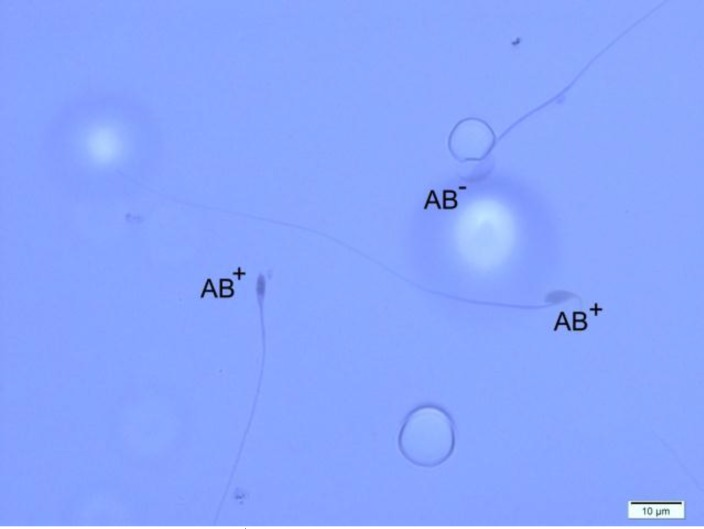
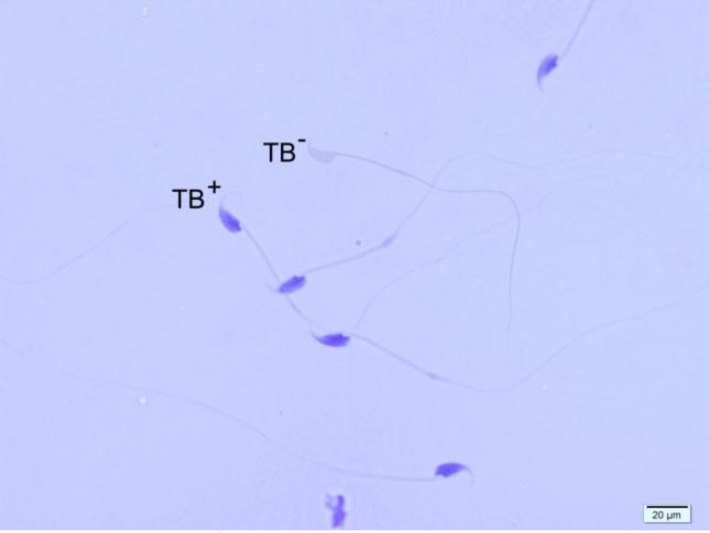
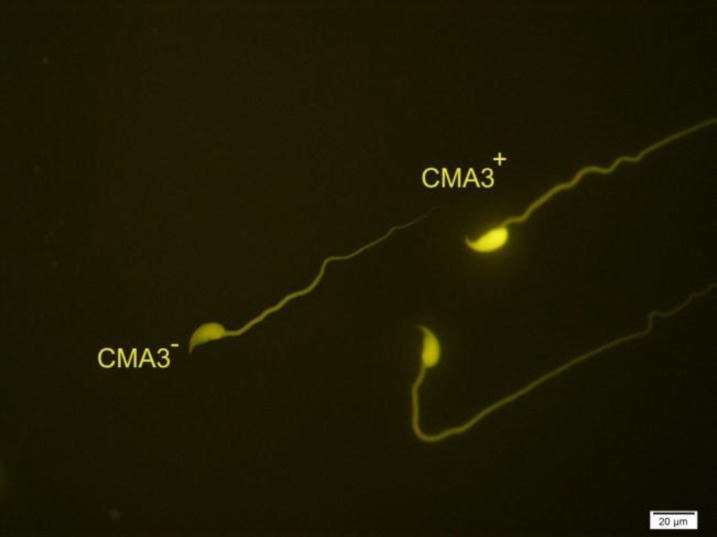
Totally twenty adult male Syrian mice were divided randomly into 2 groups (n=10). The animals of group A were considered as controls while group B mice were diabetic that received a single dose (200 mg/kg) streptozotocin (STZ) intra peritoneally. After 35 days, the cauda epididymis of each diabetic mouse was dissected and placed in culture medium for 30 min. The swim-out spermatozoa were analyzed for count, motility, morphology and viability. The sperm chromatin quality and DNA integrity, was evaluated with Aniline Blue (AB), Toluidine blue (TB), Acridine orange (AO) and Chromomycin A3 (CMA3) staining.
In sperm analysis, the diabetic mice had poor parameters in comparison with control animals (p=0.000). Regarding sperm chromatin quality, the results of TB and AO tests showed statically significant differences between two groups, but in AB and CMA3 staining, we didn't see any differences between them.
The results showed that STZ-induced diabetes mellitus may influence the male fertility potential via affecting sperm parameters and DNA integrity in mice. However, according to our data, the diabetes doesn't have any detrimental effects on histone-protamines replacement during the testicular phase of sperm chromatin packaging.
原发性或特发性糖尿病(DM)是一种碳水化合物、脂质和蛋白质代谢的慢性疾病。DM可能在多个层面影响男性生殖功能。研究表明,DM对人类和实验动物的精子参数具有有害影响。
本研究旨在观察糖尿病对小鼠精子参数(活力、数量、形态和运动能力)的影响,并评估精子染色质质量。
将20只成年雄性叙利亚小鼠随机分为2组(每组n = 10)。A组动物作为对照,而B组小鼠为糖尿病组,腹腔注射单剂量(200 mg/kg)链脲佐菌素(STZ)。35天后,解剖每只糖尿病小鼠的附睾尾部,置于培养基中30分钟。对游出的精子进行数量、运动能力、形态和活力分析。用苯胺蓝(AB)、甲苯胺蓝(TB)、吖啶橙(AO)和放线菌素A3(CMA3)染色评估精子染色质质量和DNA完整性。
在精子分析中,与对照动物相比,糖尿病小鼠的参数较差(p = 0.000)。关于精子染色质质量,TB和AO测试结果显示两组之间存在统计学显著差异,但在AB和CMA3染色中,未发现它们之间有任何差异。
结果表明,STZ诱导的糖尿病可能通过影响小鼠的精子参数和DNA完整性来影响男性生育潜力。然而,根据我们的数据,糖尿病在精子染色质包装的睾丸阶段对组蛋白-鱼精蛋白替换没有任何有害影响。