Department of Neurosciences, NC-30, Lerner Research Institute, Cleveland Clinic Foundation, 9500 Euclid Avenue, Cleveland, OH 44195, USA.
Department of Pathology, Keck School of Medicine, University of Southern California, Los Angeles, CA 90033, USA.
J Neuroimmunol. 2014 May 15;270(1-2):1-12. doi: 10.1016/j.jneuroim.2014.02.012. Epub 2014 Mar 4.
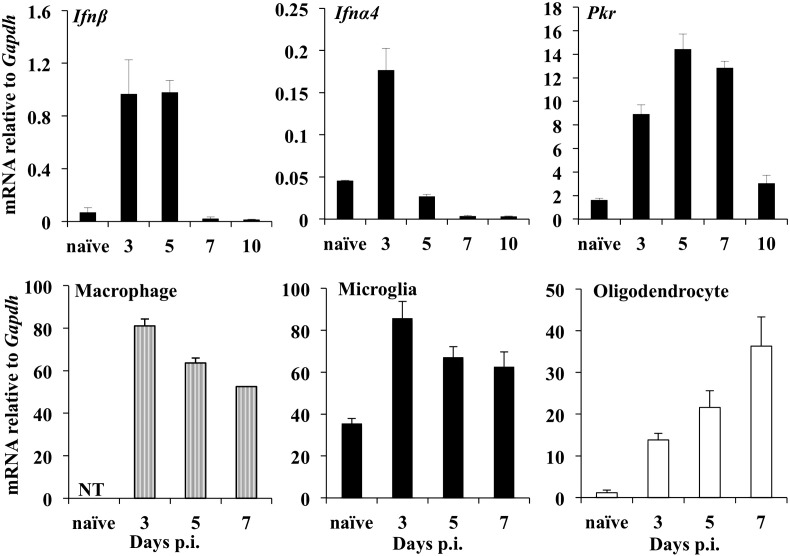
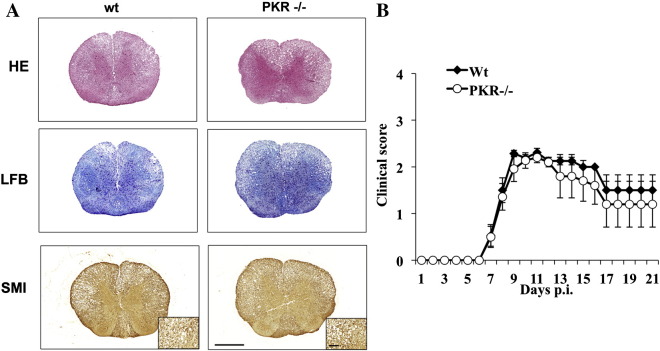
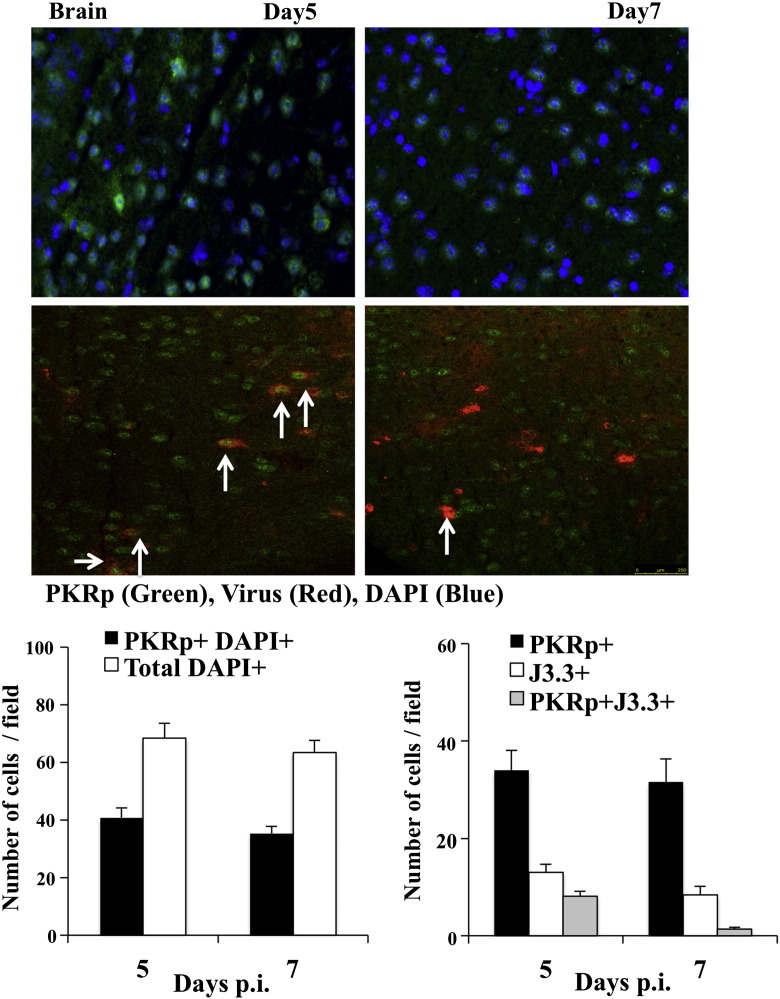
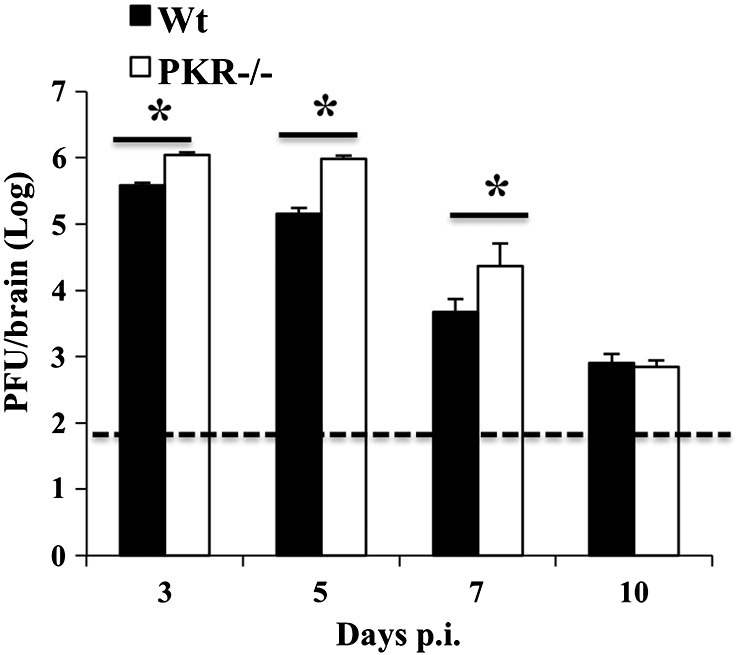
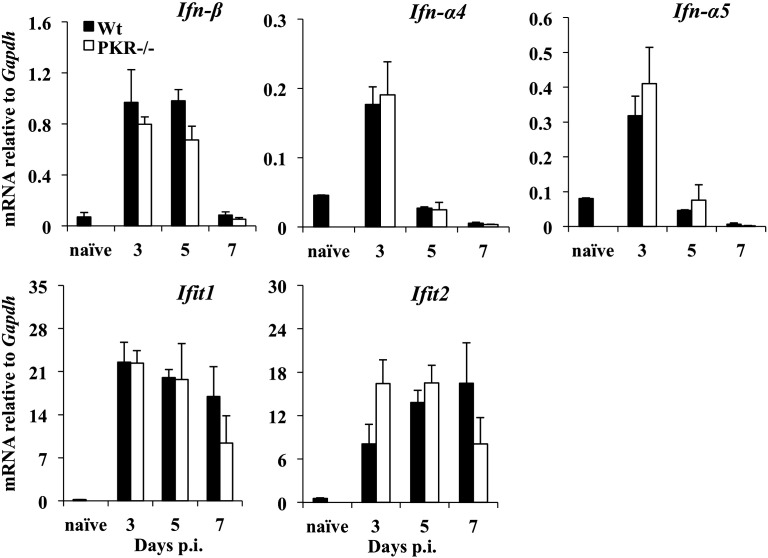
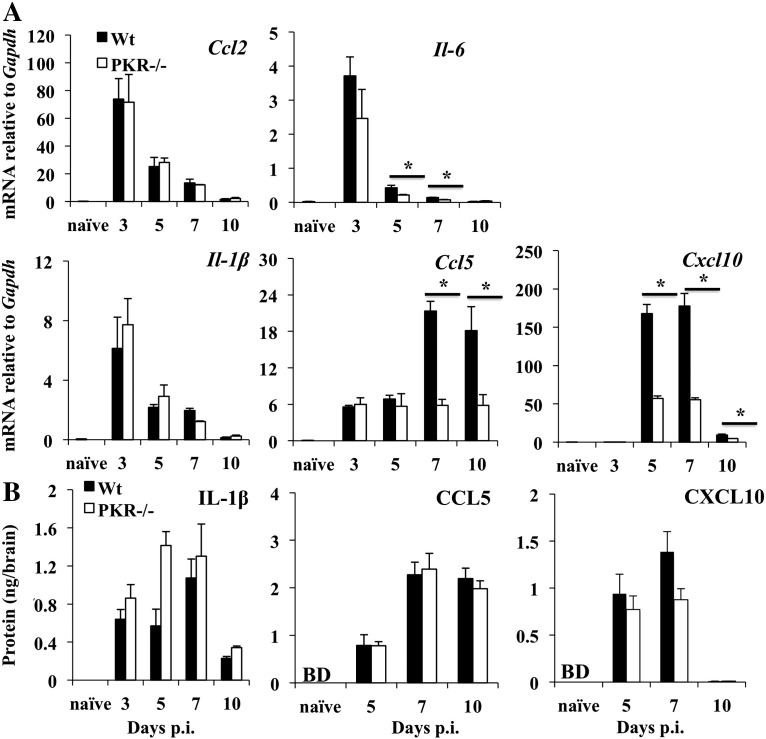
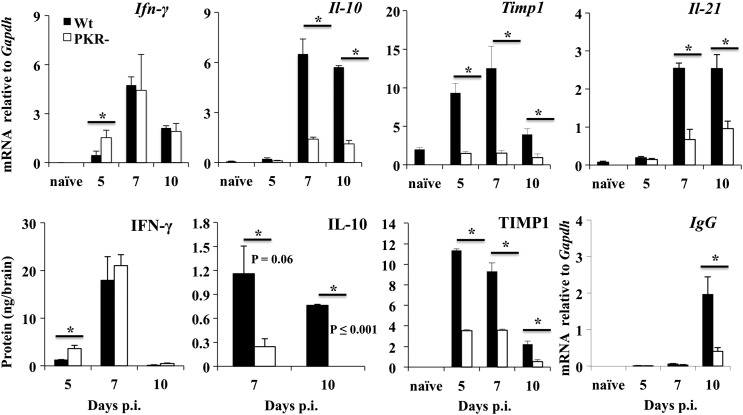
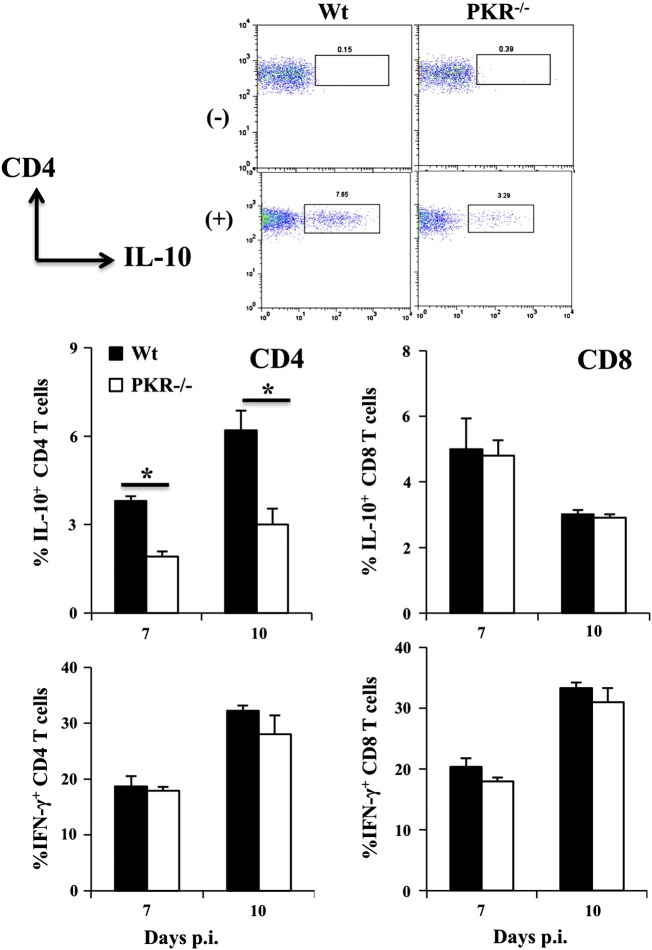
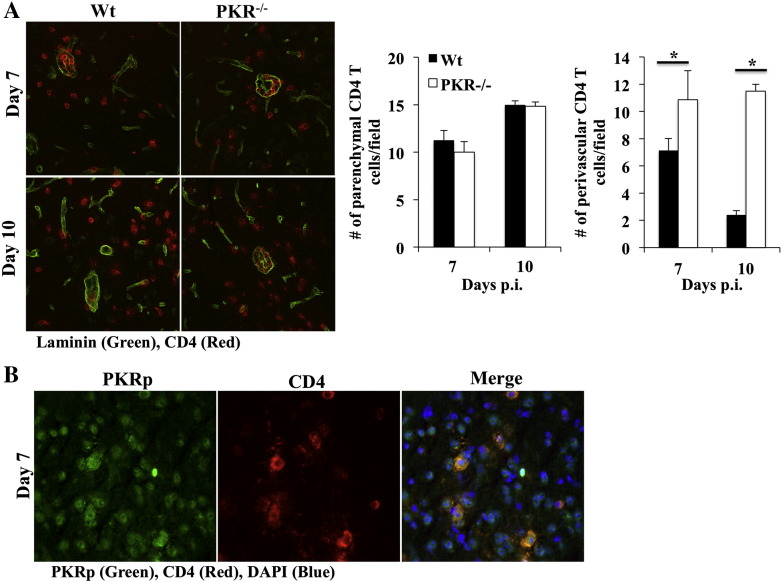
Double-stranded RNA-dependent protein kinase (PKR) regulates antiviral activity, immune responses, apoptosis and neurotoxicity. Gliatropic coronavirus infection induced PKR activation in infected as well uninfected cells within the central nervous system (CNS). However, PKR deficiency only modestly increased viral replication and did not affect IFN-α/β or IL-1β expression. Despite reduced Il-6, Ccl5, and Cxcl10 mRNA, protein levels remained unaltered. Furthermore, PKR deficiency selectively reduced IL-10 production in CD4, but not CD8 T cells, without affecting CNS pathology. The results demonstrate the ability of PKR to balance neuroinflammation by selectively modulating key cytokines and chemokines in CNS resident and CD4 T cells.
双链 RNA 依赖性蛋白激酶 (PKR) 调节抗病毒活性、免疫反应、细胞凋亡和神经毒性。神经胶质瘤冠状病毒感染诱导中枢神经系统 (CNS) 中感染和未感染细胞中的 PKR 激活。然而,PKR 缺陷仅适度增加病毒复制,并不影响 IFN-α/β 或 IL-1β 的表达。尽管 Il-6、Ccl5 和 Cxcl10mRNA 减少,但蛋白水平保持不变。此外,PKR 缺陷选择性地减少 CD4 中的 IL-10 产生,但不影响 CD8 T 细胞,而不影响中枢神经系统病理学。结果表明,PKR 通过选择性调节中枢神经系统固有细胞和 CD4 T 细胞中的关键细胞因子和趋化因子,具有平衡神经炎症的能力。