Developmental Neuroendocrinology unit, GIGA Neurosciences, University of Liège, CHU, Liège, Belgium.
Developmental Neurobiology unit, GIGA Neurosciences, University of Liège, CHU, Liège, Belgium.
PLoS One. 2014 Mar 18;9(3):e91903. doi: 10.1371/journal.pone.0091903. eCollection 2014.
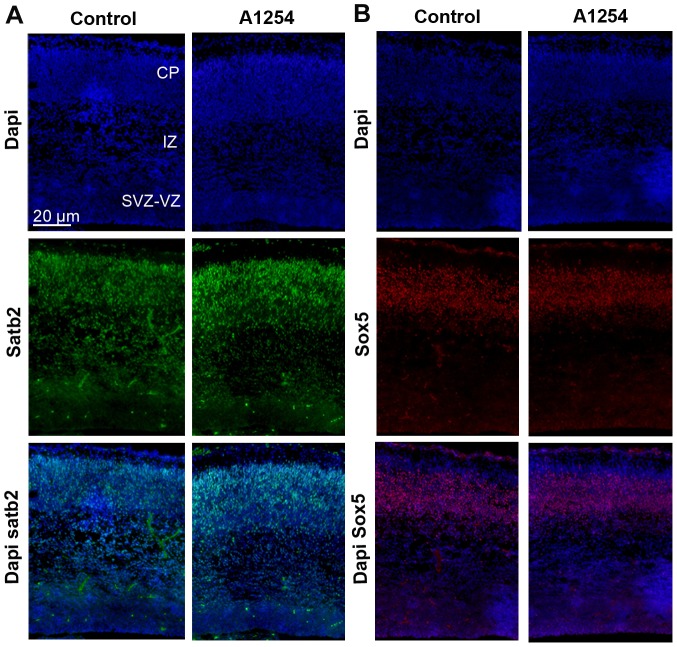
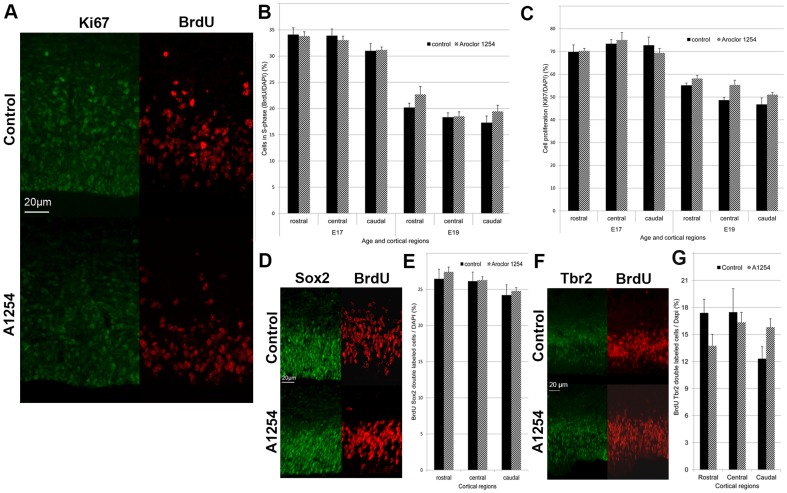
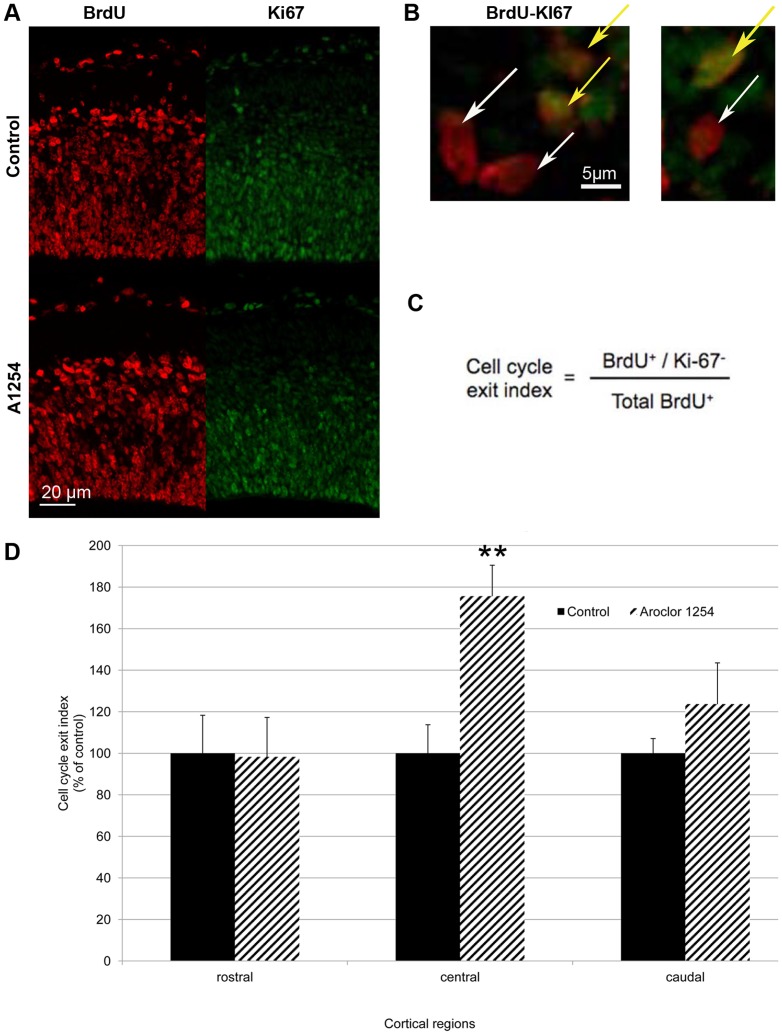
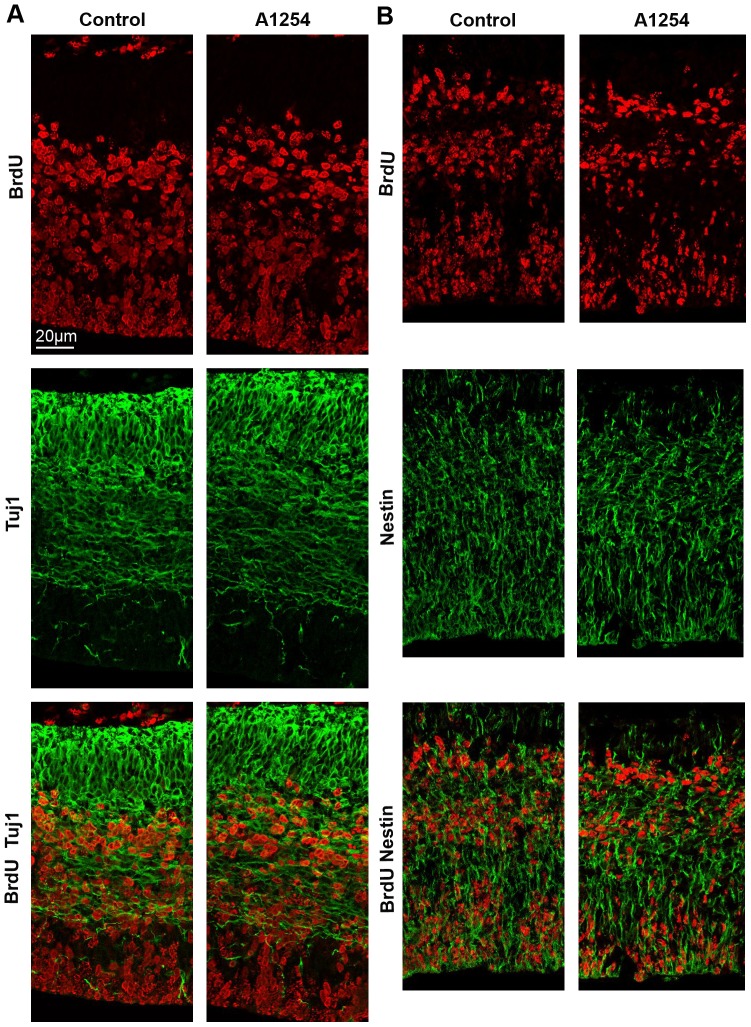
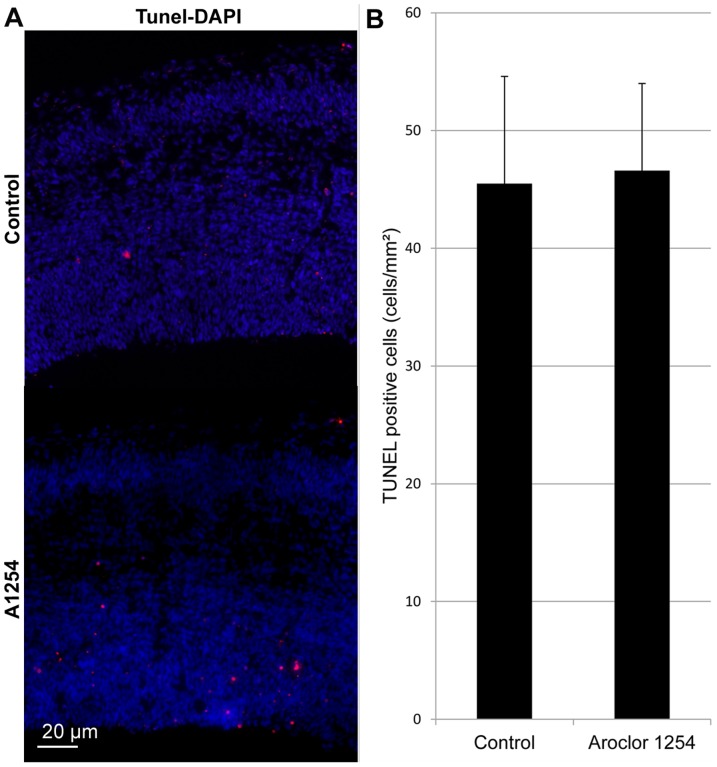
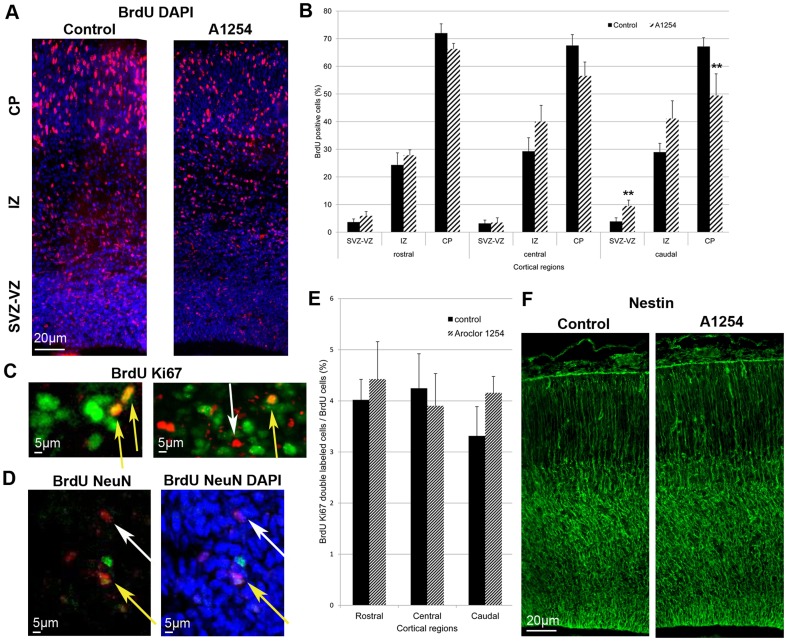
Polychlorinated biphenyls (PCBs) are environmental contaminants that persist in environment and human tissues. Perinatal exposure to these endocrine disruptors causes cognitive deficits and learning disabilities in children. These effects may involve their ability to interfere with thyroid hormone (TH) action. We tested the hypothesis that developmental exposure to PCBs can concomitantly alter TH levels and TH-regulated events during cerebral cortex development: progenitor proliferation, cell cycle exit and neuron migration. Pregnant rats exposed to the commercial PCB mixture Aroclor 1254 ended gestation with reduced total and free serum thyroxine levels. Exposure to Aroclor 1254 increased cell cycle exit of the neuronal progenitors and delayed radial neuronal migration in the fetal cortex. Progenitor cell proliferation, cell death and differentiation rate were not altered by prenatal exposure to PCBs. Given that PCBs remain ubiquitous, though diminishing, contaminants in human systems, it is important that we further understand their deleterious effects in the brain.
多氯联苯(PCBs)是一种在环境和人体组织中持续存在的环境污染物。围产期暴露于这些内分泌干扰物会导致儿童认知缺陷和学习障碍。这些影响可能涉及它们干扰甲状腺激素(TH)作用的能力。我们检验了这样一个假设,即发育过程中暴露于 PCBs 可能会同时改变大脑皮层发育过程中 TH 水平和 TH 调节事件:祖细胞增殖、细胞周期退出和神经元迁移。接触商用多氯联苯混合物 Aroclor 1254 的怀孕大鼠在妊娠结束时总血清和游离甲状腺素水平降低。接触 Aroclor 1254 增加了神经元祖细胞的细胞周期退出,并延迟了胎儿皮层中的放射状神经元迁移。产前接触 PCBs 并未改变祖细胞的增殖、细胞死亡和分化率。鉴于 PCBs 仍然是人类系统中无处不在的,尽管在减少的污染物,了解它们在大脑中的有害影响非常重要。