Palinski W, Rosenfeld M E, Ylä-Herttuala S, Gurtner G C, Socher S S, Butler S W, Parthasarathy S, Carew T E, Steinberg D, Witztum J L
Department of Medicine, University of California, San Diego, La Jolla 92093.
Proc Natl Acad Sci U S A. 1989 Feb;86(4):1372-6. doi: 10.1073/pnas.86.4.1372.
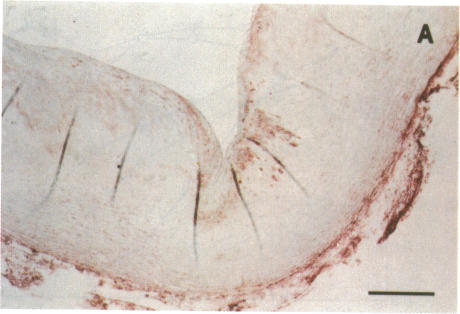
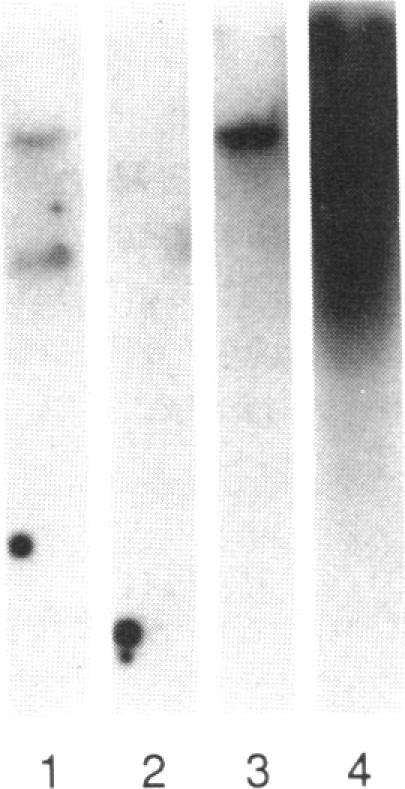
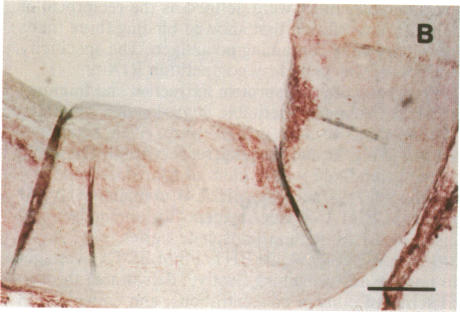
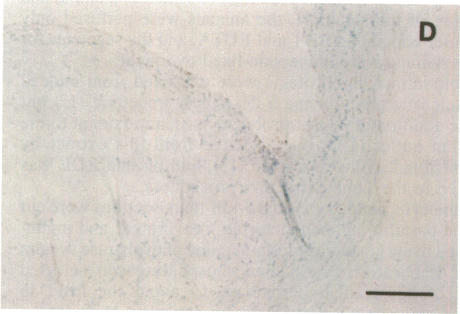
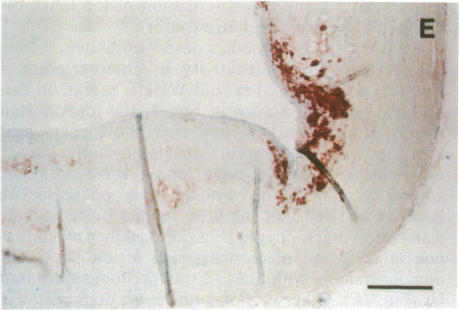
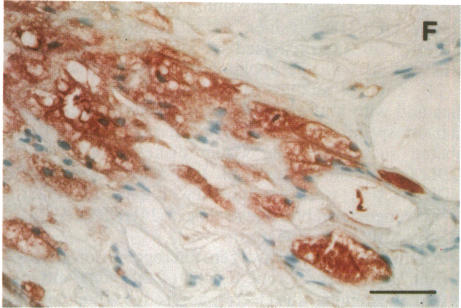
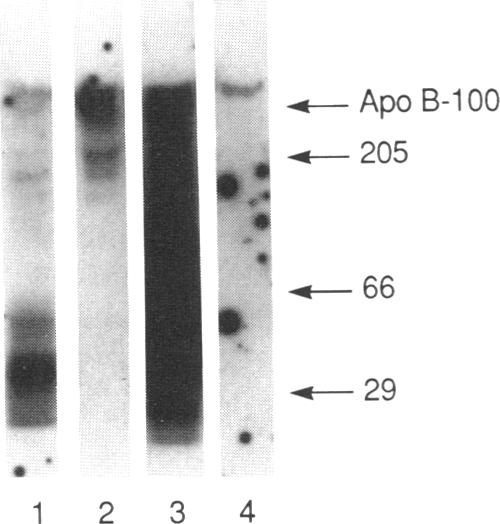
It has been proposed that low density lipoprotein (LDL) must undergo oxidative modification before it can give rise to foam cells, the key component of the fatty streak lesion of atherosclerosis. Oxidation of LDL probably generates a broad spectrum of conjugates between fragments of oxidized fatty acids and apolipoprotein B. We now present three mutually supportive lines of evidence for oxidation of LDL in vivo: (i) Antibodies against oxidized LDL, malondialdehyde-lysine, or 4-hydroxynonenal-lysine recognize materials in the atherosclerotic lesions of LDL receptor-deficient rabbits; (ii) LDL gently extracted from lesions of these rabbits is recognized by an antiserum against malondialdehyde-conjugated LDL; (iii) autoantibodies against malondialdehyde-LDL (titers from 512 to greater than 4096) can be demonstrated in rabbit and human sera.
有人提出,低密度脂蛋白(LDL)在产生泡沫细胞(动脉粥样硬化脂肪条纹病变的关键成分)之前必须经过氧化修饰。LDL的氧化可能会在氧化脂肪酸片段和载脂蛋白B之间产生广泛的共轭物。我们现在提供三条相互支持的证据,证明LDL在体内发生了氧化:(i)针对氧化LDL、丙二醛-赖氨酸或4-羟基壬烯醛-赖氨酸的抗体可识别LDL受体缺陷兔动脉粥样硬化病变中的物质;(ii)从这些兔子病变中轻轻提取的LDL可被抗丙二醛共轭LDL的抗血清识别;(iii)在兔和人血清中可检测到抗丙二醛-LDL的自身抗体(滴度从512到大于4096)。