‡Developmental Neurobiology Section, Division of Intramural Research, National Heart, Lung, and Blood Institute, National Institutes of Health, Bethesda, MD, U.S.A.
ASN Neuro. 2014 May 8;6(3):159-70. doi: 10.1042/AN20130034.
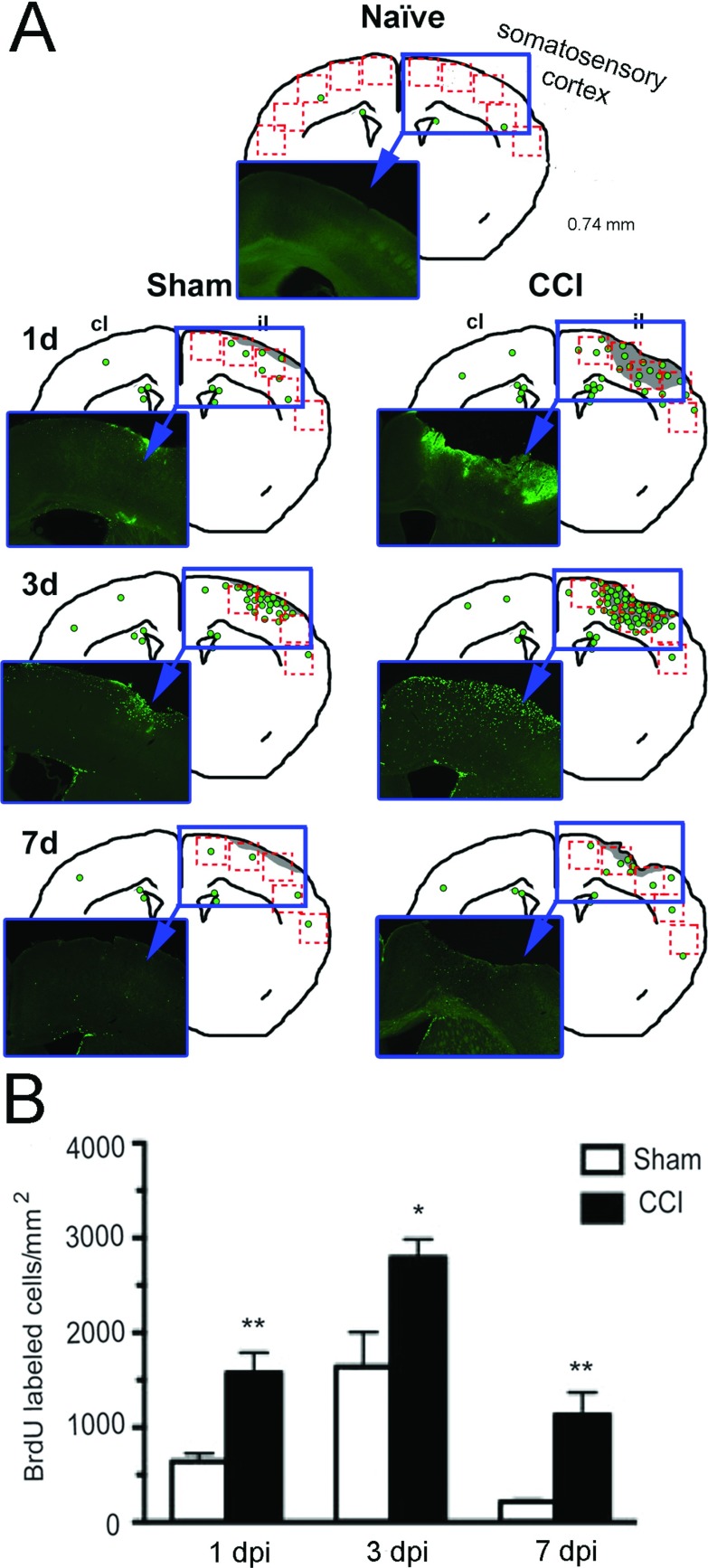
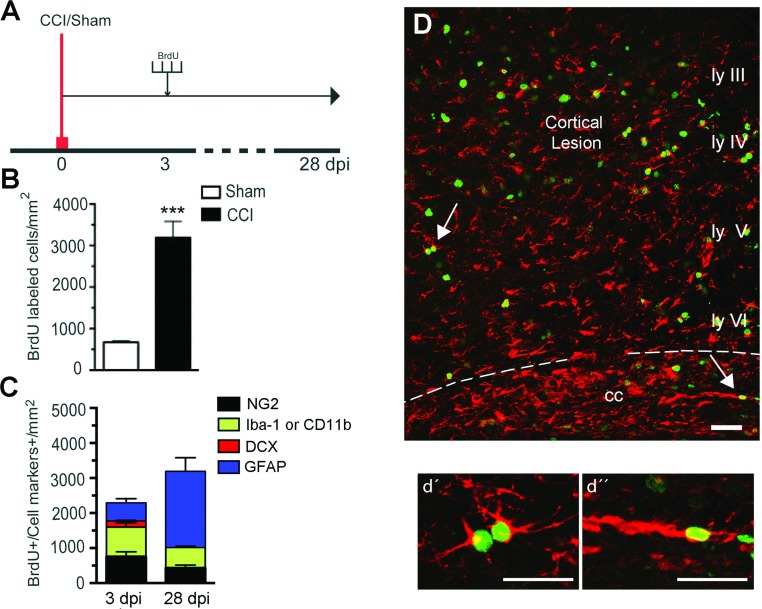
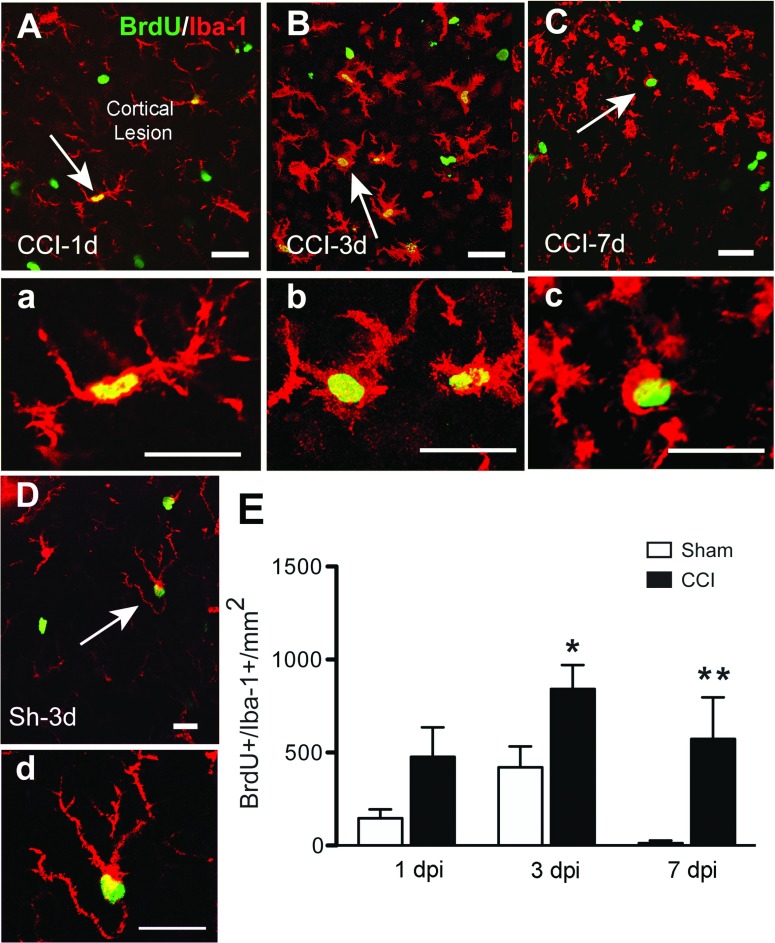
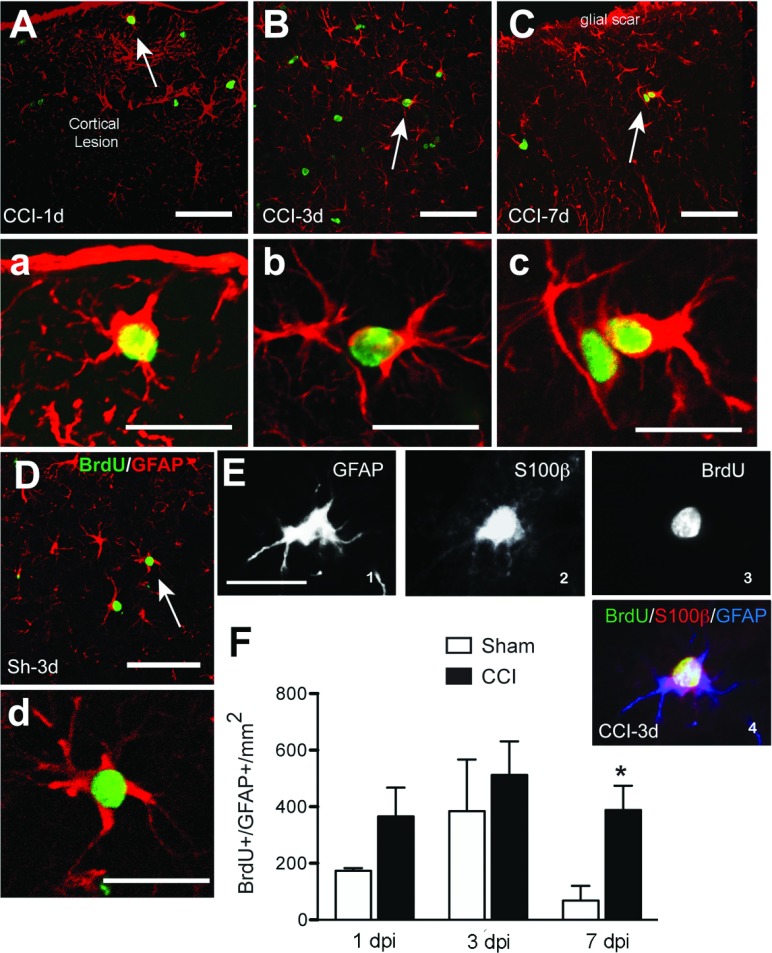
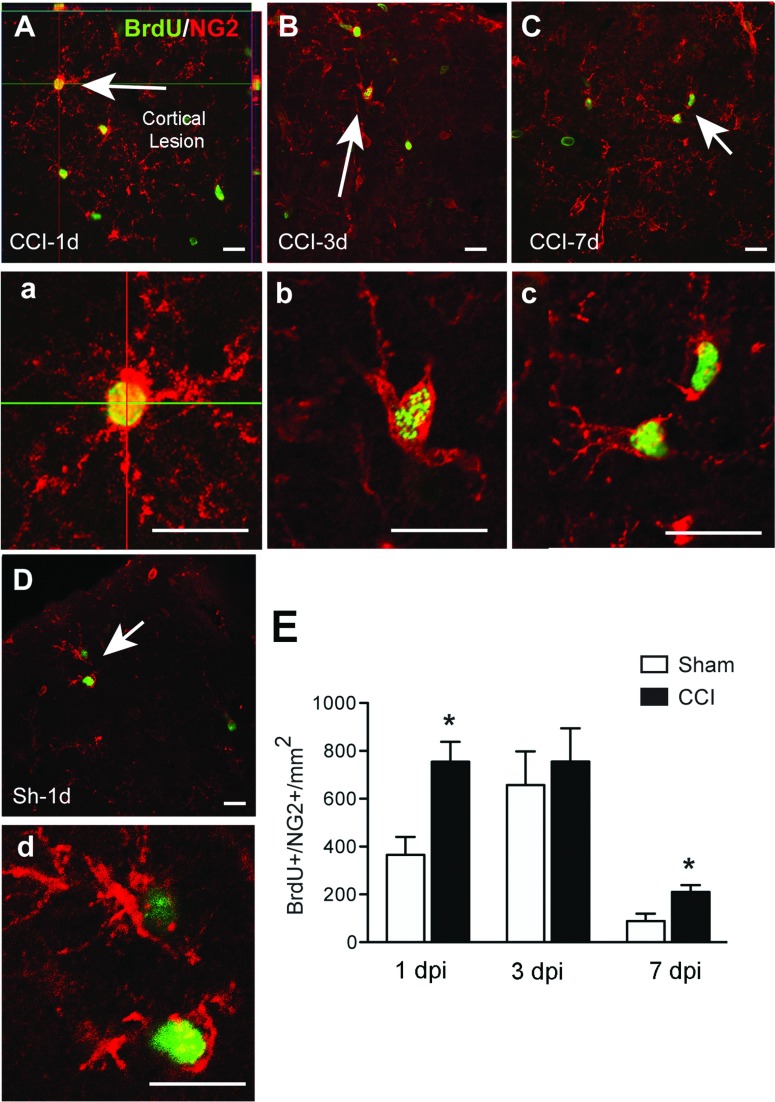
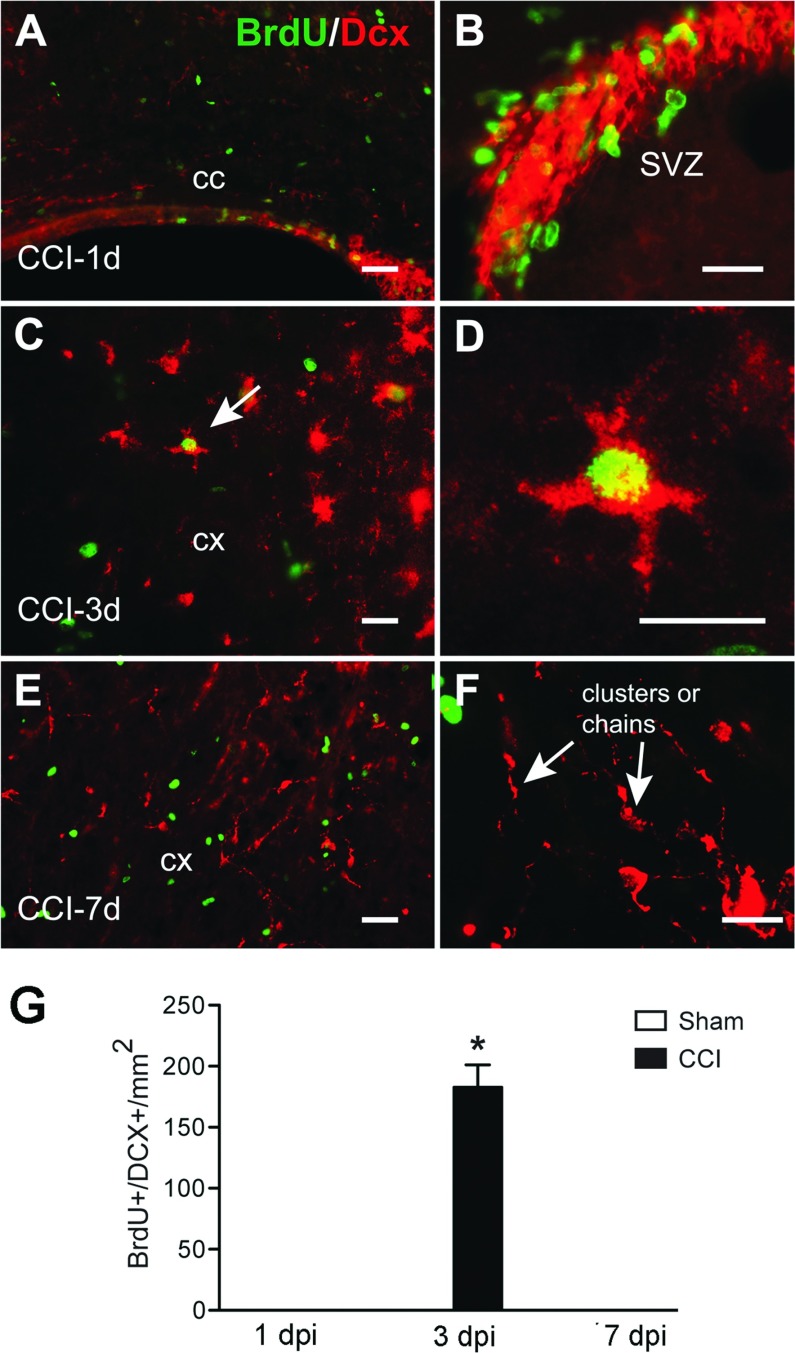
TBI (traumatic brain injury) triggers an inflammatory cascade, gliosis and cell proliferation following cell death in the pericontusional area and surrounding the site of injury. In order to better understand the proliferative response following CCI (controlled cortical impact) injury, we systematically analyzed the phenotype of dividing cells at several time points post-lesion. C57BL/6 mice were subjected to mild to moderate CCI over the left sensory motor cortex. At different time points following injury, mice were injected with BrdU (bromodeoxyuridine) four times at 3-h intervals and then killed. The greatest number of proliferating cells in the pericontusional region was detected at 3 dpi (days post-injury). At 1 dpi, NG2+ cells were the most proliferative population, and at 3 and 7 dpi the Iba-1+ microglial cells were proliferating more. A smaller, but significant number of GFAP+ (glial fibrillary acidic protein) astrocytes proliferated at all three time points. Interestingly, at 3 dpi we found a small number of proliferating neuroblasts [DCX+ (doublecortin)] in the injured cortex. To determine the cell fate of proliferative cells, mice were injected four times with BrdU at 3 dpi and killed at 28 dpi. Approximately 70% of proliferative cells observed at 28 dpi were GFAP+ astrocytes. In conclusion, our data suggest that the specific glial cell types respond differentially to injury, suggesting that each cell type responds to a specific pattern of growth factor stimulation at each time point after injury.
脑创伤(TBI)会在挫伤区及其周围的损伤部位引发细胞死亡后的炎症级联反应、神经胶质增生和细胞增殖。为了更好地理解 CCI(皮质控制冲击)损伤后的增殖反应,我们系统地分析了损伤后几个时间点分裂细胞的表型。将 C57BL/6 小鼠的左感觉运动皮层置于轻度至中度 CCI 之下。在损伤后不同的时间点,将 BrdU(溴脱氧尿苷)注射到小鼠体内,每 3 小时注射一次,共注射四次,然后杀死它们。在损伤后 3 天(dpi)检测到挫伤区周围增殖细胞的数量最多。在 1 dpi 时,NG2+细胞是最具增殖性的群体,而在 3 和 7 dpi 时,Iba-1+小胶质细胞增殖更多。一小部分但具有统计学意义的 GFAP+(胶质纤维酸性蛋白)星形胶质细胞在三个时间点都有增殖。有趣的是,在 3 dpi 时,我们在损伤皮层中发现了一小部分增殖的神经前体细胞[DCX+(双皮质素)]。为了确定增殖细胞的命运,在 3 dpi 时将 BrdU 注射四次,然后在 28 dpi 时杀死小鼠。在 28 dpi 时观察到的增殖细胞中,约有 70%是 GFAP+星形胶质细胞。总之,我们的数据表明,特定的神经胶质细胞类型对损伤的反应不同,这表明每种细胞类型在损伤后每个时间点对特定的生长因子刺激模式都有反应。