Scheinost Dustin, Shen Xilin, Finn Emily, Sinha Rajita, Constable R Todd, Papademetris Xenophon
Department of Biomedical Engineering, Yale University, New Haven, Connecticut, United States of America.
Department of Diagnostic Radiology, Yale University, New Haven, Connecticut, United States of America.
PLoS One. 2014 Mar 27;9(3):e93544. doi: 10.1371/journal.pone.0093544. eCollection 2014.
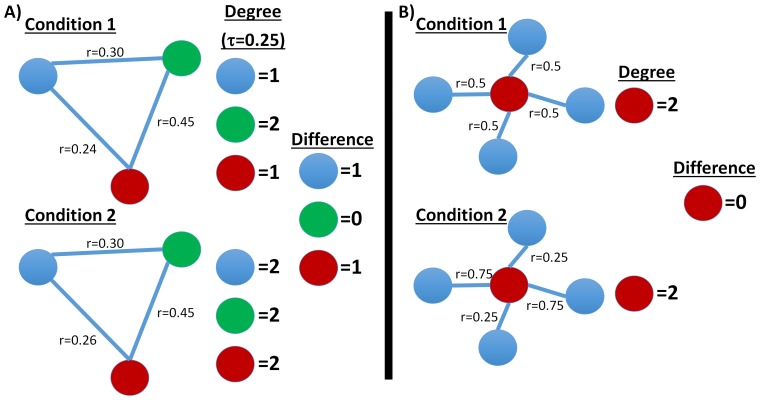
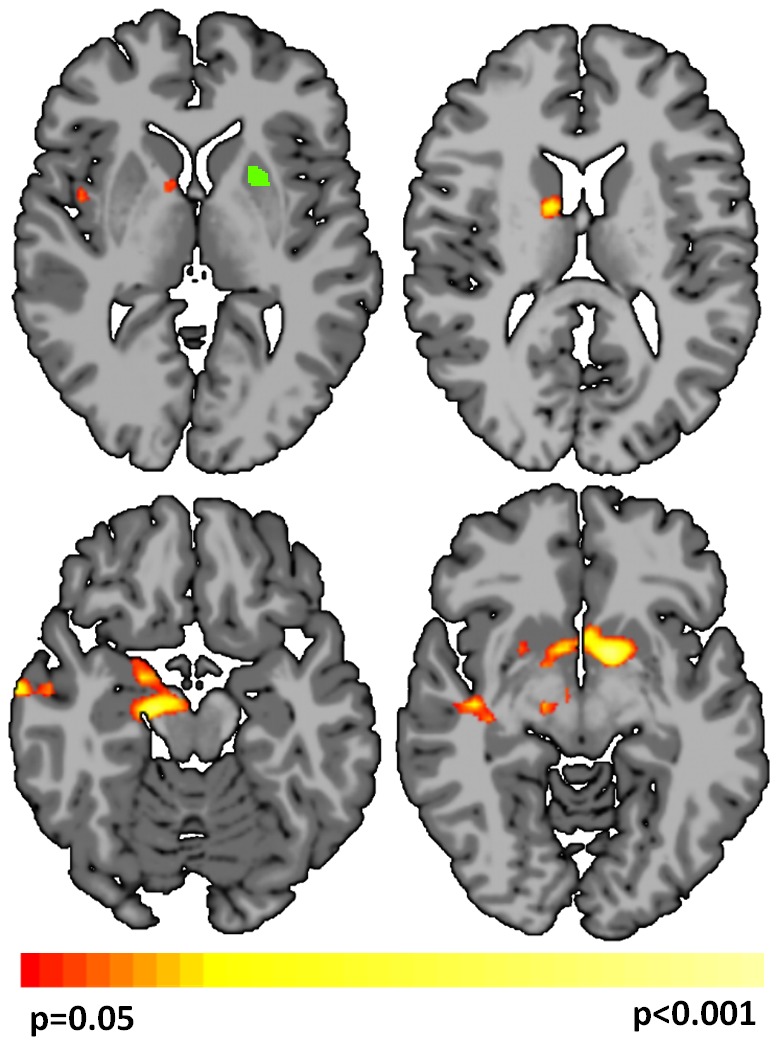
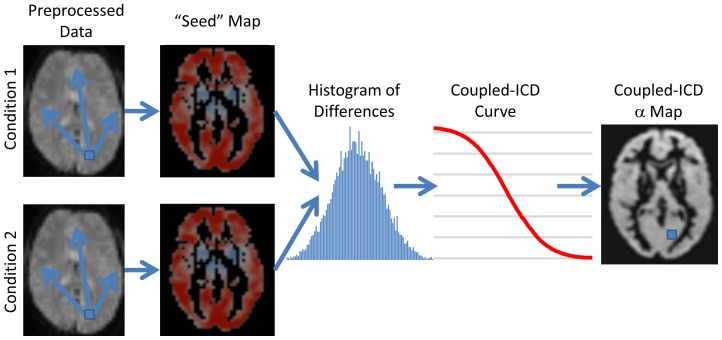
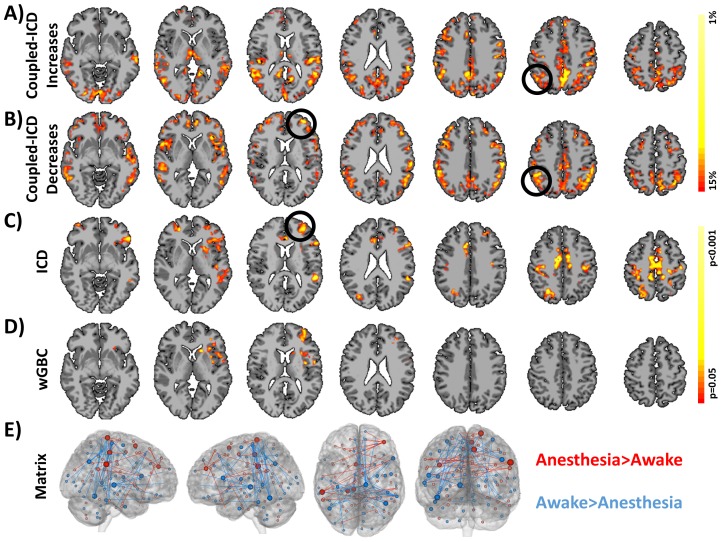
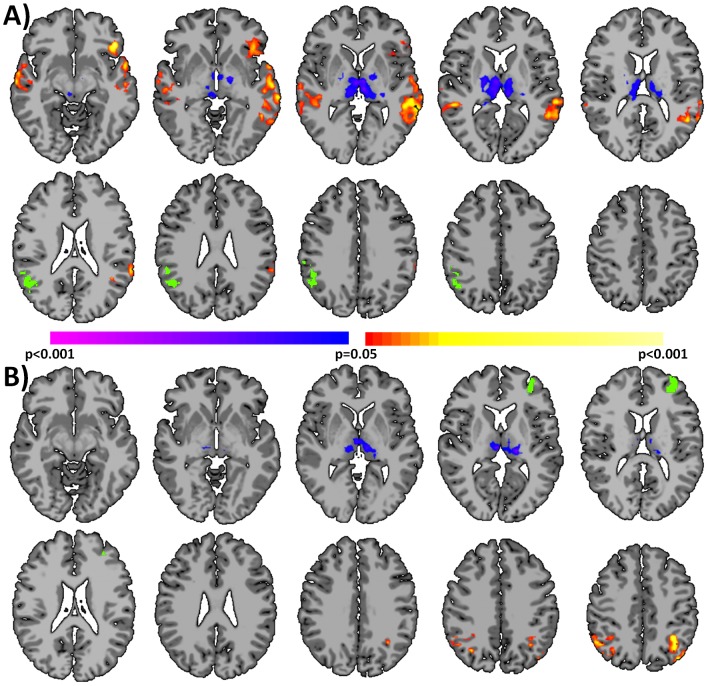
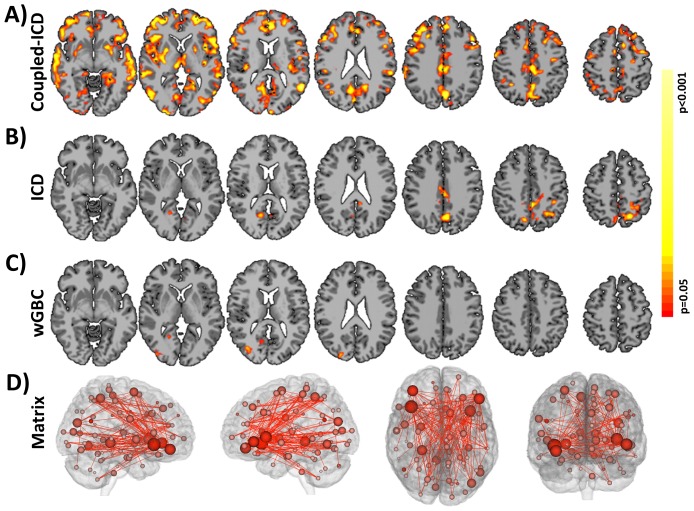
We present a novel voxel-based connectivity approach for paired functional magnetic resonance imaging (fMRI) data collected under two different conditions labeled the Coupled Intrinsic Connectivity Distribution (coupled-ICD). Our proposed method jointly models both conditions to incorporate additional paired information into the connectivity metric. Voxel-based connectivity holds promise as a clinical tool to characterize a wide range of neurological and psychiatric diseases, and monitor their treatment. As such, examining paired connectivity data such as scans acquired pre- and post-intervention is an important application for connectivity methodologically. When presented with data from paired conditions, conventional voxel-based methods analyze each condition separately. However, summarizing each connection separately can misrepresent patterns of changes in connectivity. We show that commonly used methods can underestimate functional changes and subsequently introduce and evaluate our solution to this problem, the coupled-ICD metric, using two studies: 1) healthy controls scanned awake and under anesthesia, and 2) cocaine-dependent subjects and healthy controls scanned while being presented with relaxing or drug-related imagery cues. The coupled-ICD approach detected differences between paired conditions in similar brain regions as the conventional approaches while also revealing additional changes in regions not identified using conventional voxel-based connectivity analyses. Follow-up seed-based analyses on data independent from the voxel-based results also showed connectivity differences between conditions in regions detected by coupled-ICD. This approach of jointly analyzing paired resting-state scans provides a new and important tool with many applications for clinical and basic neuroscience research.
我们提出了一种基于体素的新颖连通性方法,用于处理在两种不同条件下收集的配对功能磁共振成像(fMRI)数据,该方法称为耦合固有连通性分布(coupled-ICD)。我们提出的方法对两种条件进行联合建模,以便将额外的配对信息纳入连通性度量中。基于体素的连通性有望成为一种临床工具,用于表征多种神经和精神疾病,并监测其治疗情况。因此,检查配对连通性数据,例如干预前后采集的扫描数据,在方法学上是连通性的一项重要应用。当面对来自配对条件的数据时,传统的基于体素的方法会分别分析每种条件。然而,分别总结每个连接可能会错误呈现连通性的变化模式。我们表明,常用方法可能会低估功能变化,随后引入并使用两项研究评估我们针对此问题的解决方案——耦合-ICD度量:1)对清醒和麻醉状态下的健康对照进行扫描;2)对可卡因依赖者和健康对照在呈现放松或与药物相关的图像线索时进行扫描。耦合-ICD方法在与传统方法相似的脑区中检测到了配对条件之间的差异,同时还揭示了使用传统基于体素的连通性分析未识别出的区域中的额外变化。对独立于基于体素结果的数据进行的后续基于种子点的分析也显示,在耦合-ICD检测到的区域中,不同条件之间存在连通性差异。这种联合分析配对静息态扫描的方法为临床和基础神经科学研究提供了一种具有许多应用的新的重要工具。