Rubin Ewelina, Tanguy Arnaud, Perrigault Mickael, Pales Espinosa Emmanuelle, Allam Bassem
School of Marine and Atmospheric Sciences, Stony Brook University, Stony Brook, NY 11794-5000, USA.
BMC Genomics. 2014 Mar 28;15:245. doi: 10.1186/1471-2164-15-245.
The hard clam or northern quahog, Mercenaria mercenaria, is one of the most valuable seafood products in the United States representing the first marine resource in some Northeastern states. Severe episodes of hard clam mortality have been consistently associated with infections caused by a thraustochytrid parasite called Quahog Parasite Unknown (QPX). QPX is considered as a cold/temperate water organism since the disease occurs only in the coastal waters of the northwestern Atlantic Ocean from Maritime Canada to Virginia. High disease development at cold temperatures was also confirmed in laboratory studies and is thought to be caused predominantly by immunosuppression of the clam host even though the effect of temperature on QPX virulence has not been fully investigated. In this study, the QPX transcriptome was sequenced using Roche 454 technology to better characterize this microbe and initiate research on the molecular basis of QPX virulence towards hard clams.
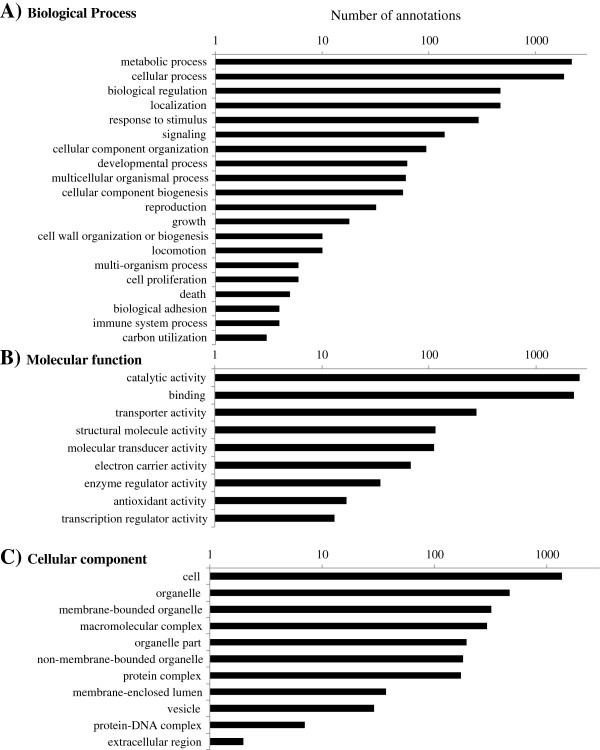
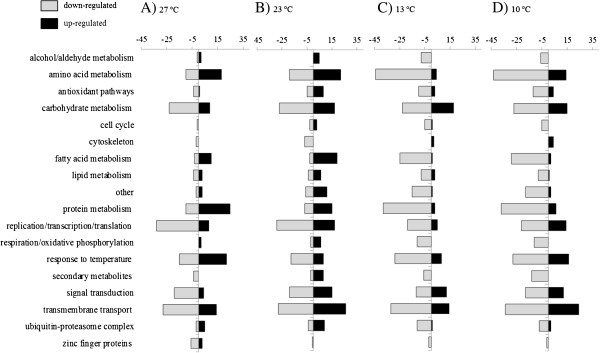
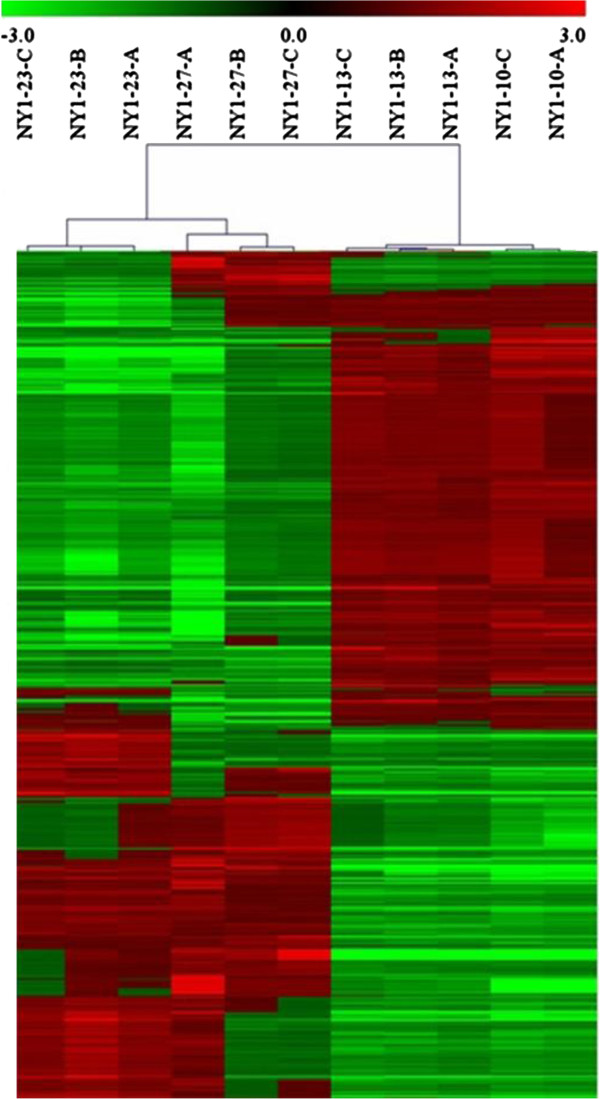
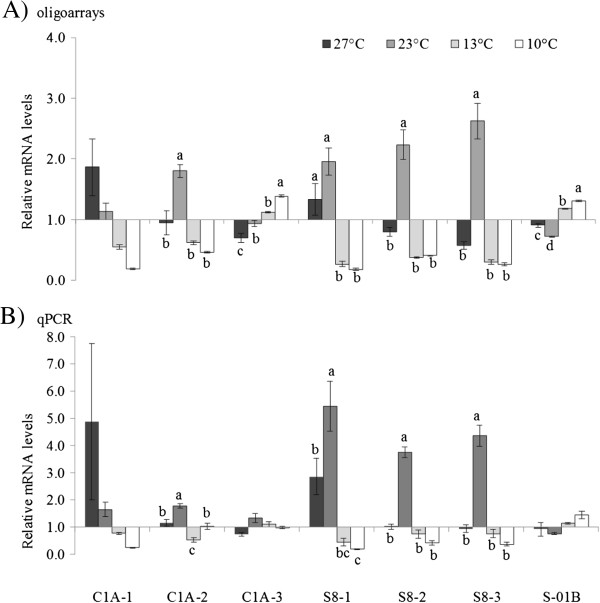
Close to 18,000 transcriptomic sequences were generated and functionally annotated. Results revealed a wide array of QPX putative virulence factors including a variety of peptidases, antioxidant enzymes, and proteins involved in extracellular mucus production and other secretory proteins potentially involved in interactions with the clam host. Furthermore, a 15 K oligonucleotide array was constructed and used to investigate the effect of temperature on QPX fitness and virulence factors. Results identified a set of QPX molecular chaperones that could explain its adaptation to cold temperatures. Finally, several virulence-related factors were up-regulated at low temperature providing molecular targets for further investigations of increased QPX pathogenicity in cold water conditions.
This is one of the first studies to characterize the transcriptome of a parasitic labyrinthulid, offering new insights into the molecular bases of the pathogenicity of members of this group. Results from the oligoarray study demonstrated the ability of QPX to cope with a wide range of environmental temperatures, including those considered to be suboptimal for clam immunity (low temperature) providing a mechanistic scenario for disease distribution in the field and for high disease prevalence and intensity at low temperature. These results will serve as basis for studies aimed at a better characterization of specific putative virulence factors.
硬壳蛤或北方圆蛤(Mercenaria mercenaria)是美国最有价值的海产品之一,在一些东北部州是首要的海洋资源。硬壳蛤的严重死亡事件一直与一种被称为蛤类未知寄生虫(QPX)的破囊壶菌寄生虫感染有关。QPX被认为是一种冷水/温带水域生物,因为这种疾病仅发生在从加拿大新斯科舍省到弗吉尼亚州的西北大西洋沿海水域。实验室研究也证实了在低温下疾病发展严重,并且认为这主要是由蛤宿主的免疫抑制引起的,尽管温度对QPX毒力的影响尚未得到充分研究。在本研究中,使用罗氏454技术对QPX转录组进行测序,以更好地表征这种微生物,并启动对QPX对硬壳蛤毒力分子基础的研究。
生成了近18,000个转录组序列并进行了功能注释。结果揭示了大量QPX假定的毒力因子,包括多种肽酶、抗氧化酶以及参与细胞外黏液产生的蛋白质和其他可能参与与蛤宿主相互作用的分泌蛋白。此外,构建了一个15K寡核苷酸阵列并用于研究温度对QPX适应性和毒力因子的影响。结果确定了一组QPX分子伴侣,这可以解释其对低温的适应性。最后,几个与毒力相关的因子在低温下上调,为进一步研究冷水条件下QPX致病性增加提供了分子靶点。
这是首批表征寄生的网粘菌转录组的研究之一,为该类群成员致病性的分子基础提供了新见解。寡核苷酸阵列研究结果表明QPX有能力应对广泛的环境温度,包括那些被认为对蛤免疫不利的温度(低温),为该疾病在野外的分布以及低温下高疾病流行率和严重程度提供了一个机制框架。这些结果将作为旨在更好地表征特定假定毒力因子的研究基础。