Department of Otorhinolaryngology, Phoniatrics and Pedaudiology, Universitätsmedizin, Georg-August-Universität Göttingen, Robert-Koch-Straße 40, 37075 Göttingen, Germany.
Biomedizinische NMR Forschungs GmbH am Max-Planck-Institut für Biophysikalische Chemie, 37077 Göttingen, Germany.
Gastroenterol Res Pract. 2014;2014:493174. doi: 10.1155/2014/493174. Epub 2014 Feb 12.
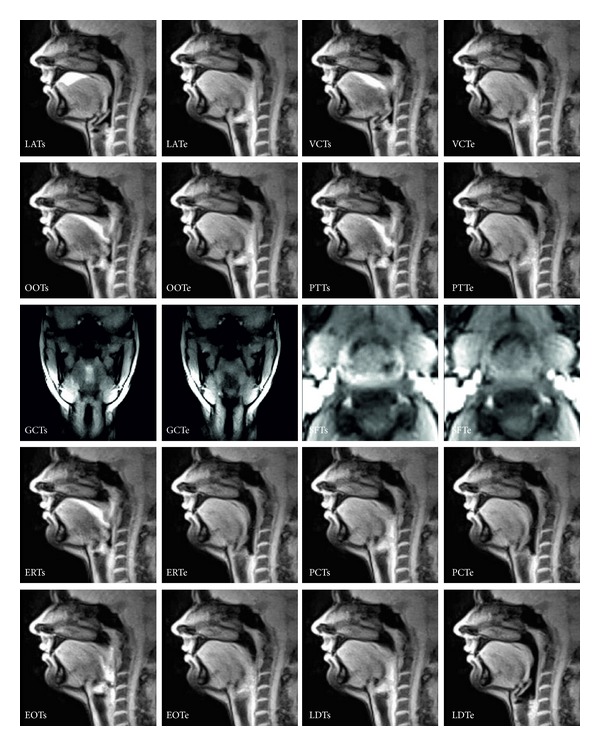
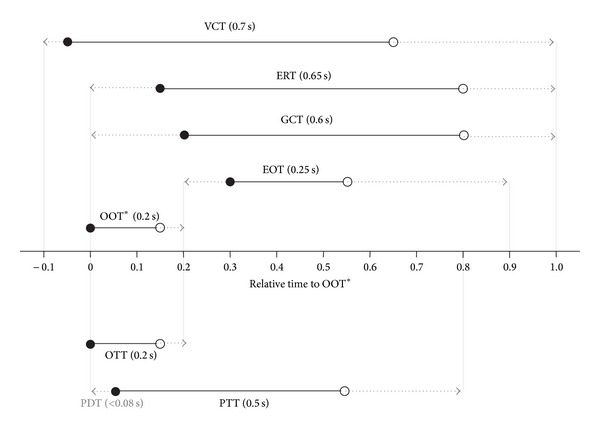
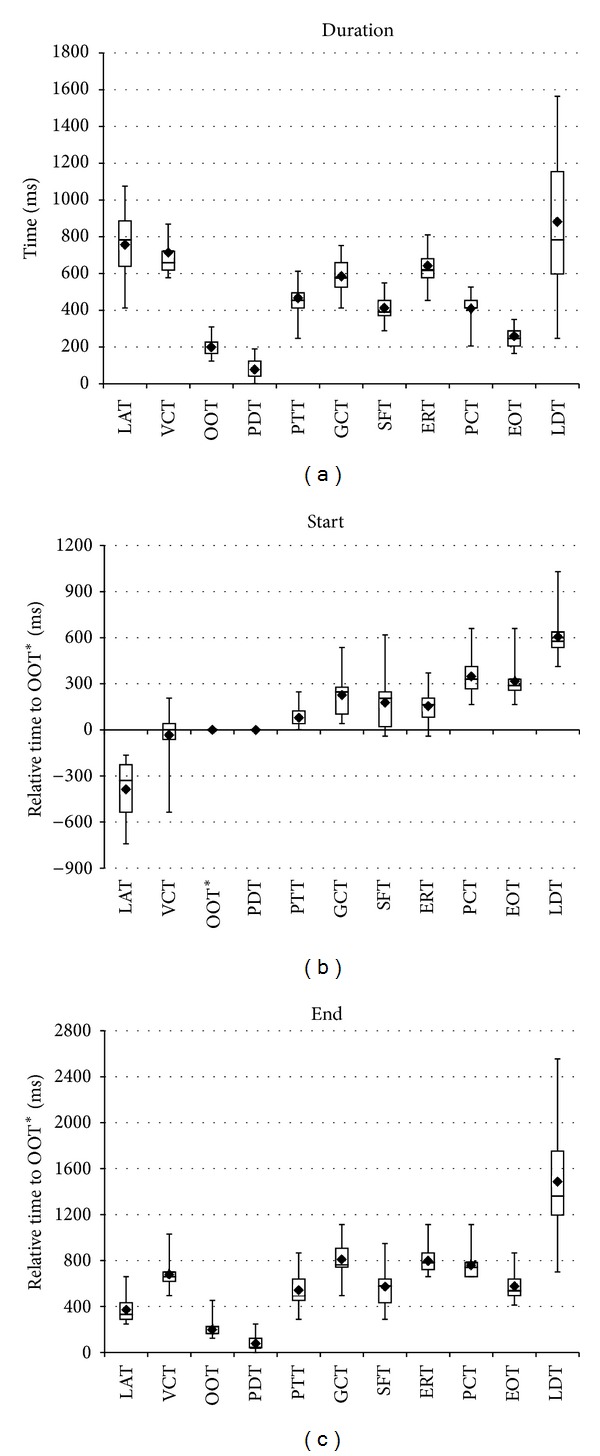
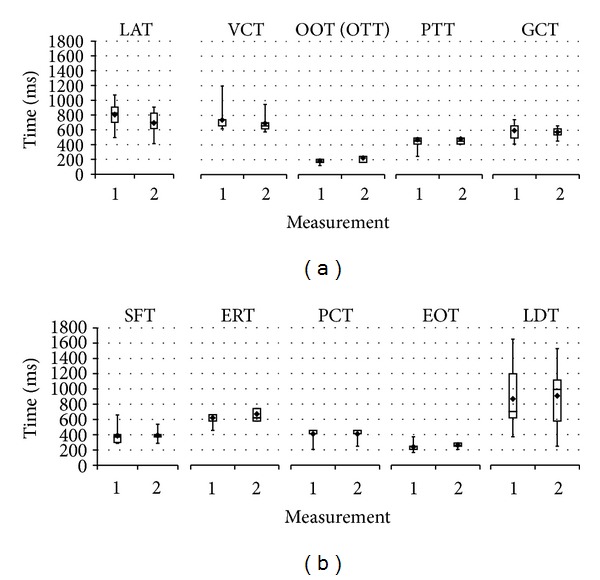
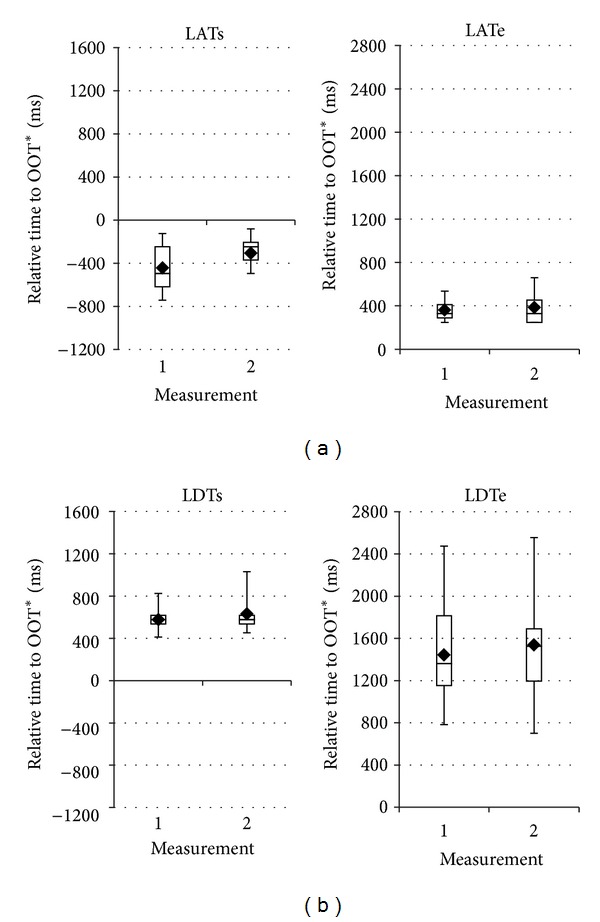
The aim of this study was to assess the physiology of normal swallowing using recent advances in real-time magnetic resonance imaging (MRI). Therefore ten young healthy subjects underwent real-time MRI and flexible endoscopic evaluations of swallowing (FEES) with thickened pineapple juice as oral contrast bolus. MRI movies were recorded in sagittal, coronal, and axial orientations during successive swallows at about 25 frames per second. Intermeasurement variation was analyzed and comparisons between real-time MRI and FEES were performed. Twelve distinct swallowing events could be quantified by real-time MRI (start time, end time, and duration). These included five valve functions: oro-velar opening, velo-pharyngeal closure, glottal closure, epiglottic retroflexion, and esophageal opening; three bolus transports: oro-velar transit, pharyngeal delay, pharyngeal transit; and four additional events: laryngeal ascent, laryngeal descent, vallecular, and piriform sinus filling and pharyngeal constriction. Repetitive measurements confirmed the general reliability of the MRI method with only two significant differences for the start times of the velo-pharyngeal closure (t(8) = -2.4, P ≤ 0.046) and laryngeal ascent (t(8) = -2.6, P ≤ 0.031). The duration of the velo-pharyngeal closure was significantly longer in real-time MRI compared to FEES (t(8) = -3.3, P ≤ 0.011). Real-time MRI emerges as a simple, robust, and reliable tool for obtaining comprehensive functional and anatomical information about the swallowing process.
本研究旨在利用实时磁共振成像(MRI)的最新进展来评估正常吞咽的生理学。因此,十名年轻健康受试者接受了实时 MRI 和使用浓稠菠萝汁作为口服对比剂的灵活内镜吞咽评估(FEES)。在以每秒约 25 帧的速度连续吞咽期间,在矢状面、冠状面和轴面记录 MRI 电影。分析了测量间变异性,并对实时 MRI 和 FEES 进行了比较。实时 MRI 可以定量 12 个不同的吞咽事件(开始时间、结束时间和持续时间)。这些事件包括五个阀门功能:口-软腭张开、软腭-咽闭合、声门关闭、会厌后倾和食管张开;三个食团转运:口-软腭转运、咽延迟、咽转运;以及四个附加事件:喉上升、喉下降、会厌谷和梨状隐窝充盈和咽缩。重复测量证实了 MRI 方法的总体可靠性,只有两个咽闭合的开始时间(t(8) = -2.4,P ≤ 0.046)和喉上升(t(8) = -2.6,P ≤ 0.031)有显著差异。与 FEES 相比,实时 MRI 中的咽闭合持续时间明显更长(t(8) = -3.3,P ≤ 0.011)。实时 MRI 是一种简单、可靠且可靠的工具,可获取吞咽过程的全面功能和解剖学信息。