Fisekcioglu Erdogan, Dolekoglu Semanur, Ilguy Mehmet, Ersan Nilufer, Ilguy Dilhan
Department of Dentomaxillofacial Radiology, Yeditepe University Faculty of Dentistry, Istanbul, Turkey.
Iran J Radiol. 2014 Jan;11(1):e11485. doi: 10.5812/iranjradiol.11485. Epub 2014 Jan 30.
Since the diagnosis of non-displaced longitudinal fractures present difficulties for the dentist, three-dimensional evaluation is necessary.
The aim of this study is to demonstrate the accuracy of cone beam computed tomography (CBCT) in detecting dental root fractures in vitro.
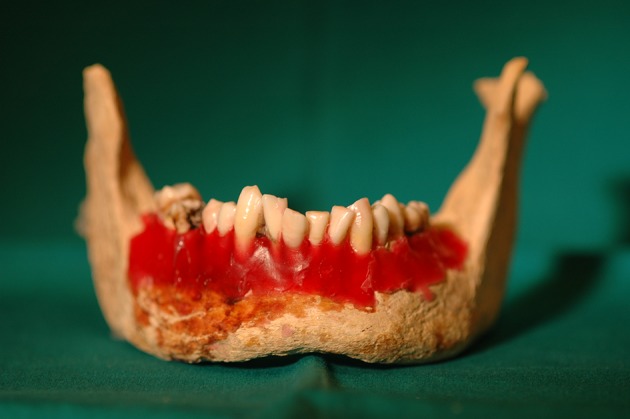
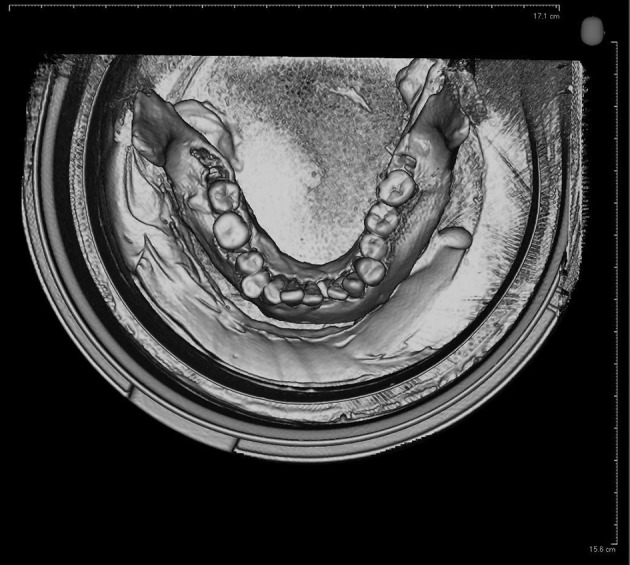
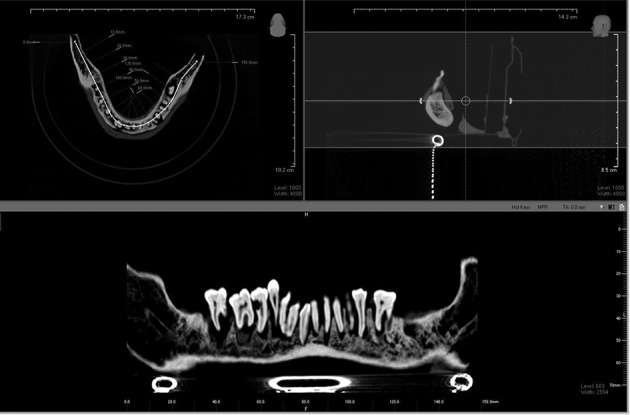
An in vitro model consisting of 210 recently extracted human mandibular teeth was used. Root fractures were created by mechanical force. The teeth were placed randomly in the empty dental alveoli of a dry human mandible and 15 different dental arcs were created. Images were taken with a unit Iluma ultra cone-beam CT scanner (Imtec Corporation, Germany). Three dental radiologists separately evaluated the images.
According to the fracture types and fracture presence, there was an overall statistically significant agreement between the key and readings. Kappa values for intra observer agreement ranged between 0.705 and 0.804 indicating that each observer gave acceptable ratings for the type and presence of fractures.
Detailed information about root fractures may be obtained using CBCT.
由于诊断无移位纵向骨折对牙医来说存在困难,因此三维评估是必要的。
本研究的目的是证明锥形束计算机断层扫描(CBCT)在体外检测牙根骨折中的准确性。
使用由210颗近期拔除的人类下颌牙齿组成的体外模型。通过机械力造成牙根骨折。将牙齿随机放置在干燥人类下颌骨的空牙槽中,并形成15种不同的牙弓。使用Iluma超锥形束CT扫描仪(德国Imtec公司)拍摄图像。三位牙科放射科医生分别对图像进行评估。
根据骨折类型和骨折存在情况,在关键评估和读数之间总体上存在统计学上的显著一致性。观察者内一致性的kappa值在0.705至0.804之间,表明每位观察者对骨折类型和存在情况给出了可接受的评级。
使用CBCT可以获得有关牙根骨折的详细信息。