Aly Aly Mousaad
Department of Civil and Environmental Engineering, Louisiana State University, 3513D Patrick Franck Taylor Hall, Baton Rouge, LA 70803, USA.
ScientificWorldJournal. 2014 Feb 19;2014:178465. doi: 10.1155/2014/178465. eCollection 2014.
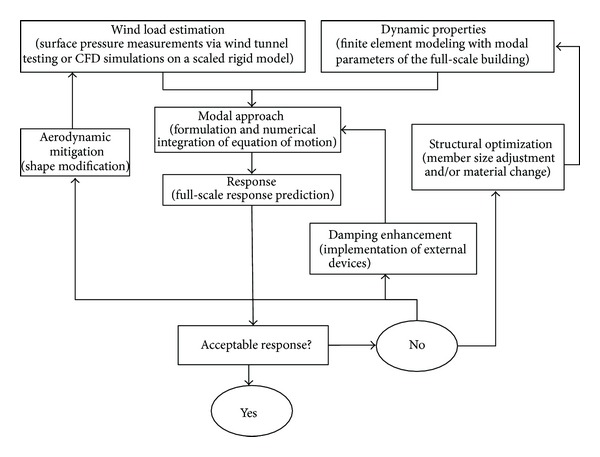
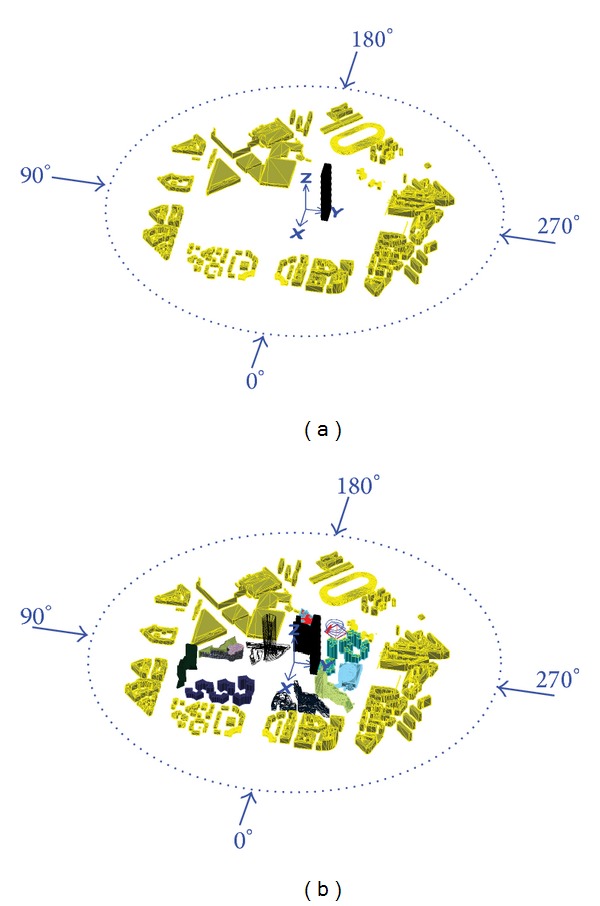
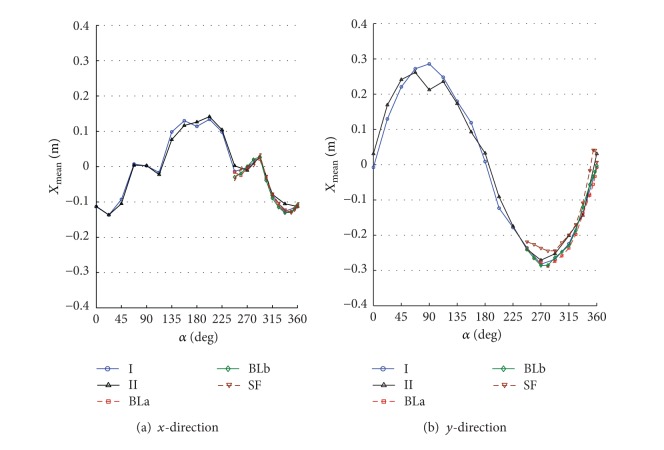
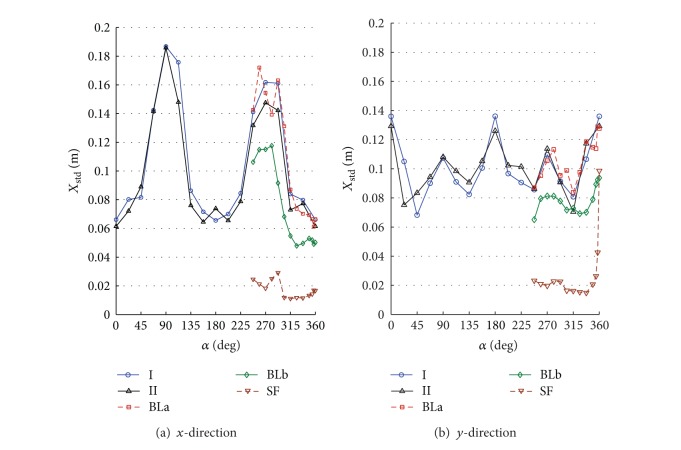
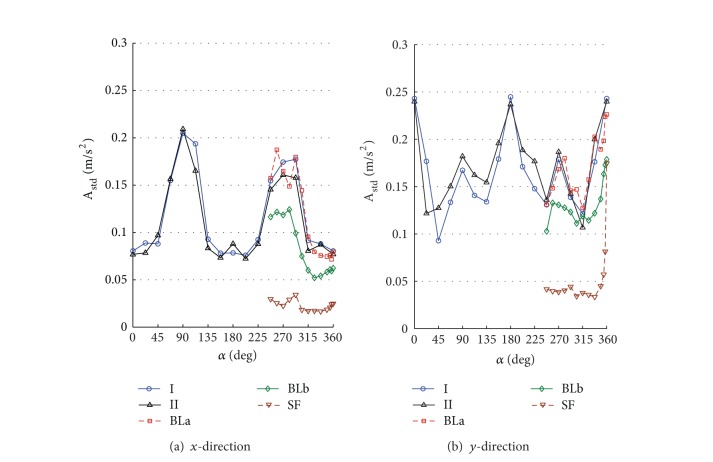
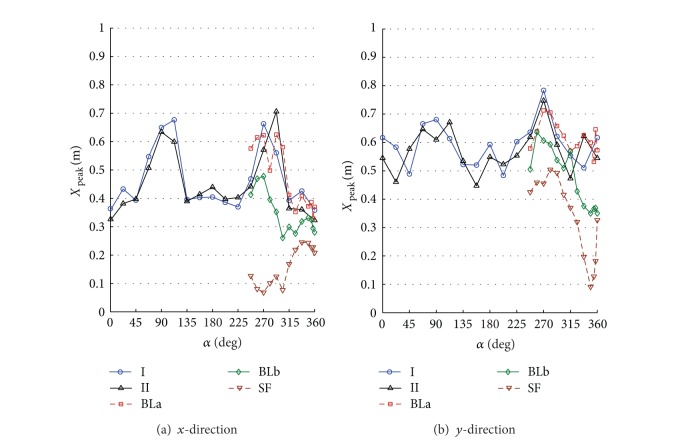
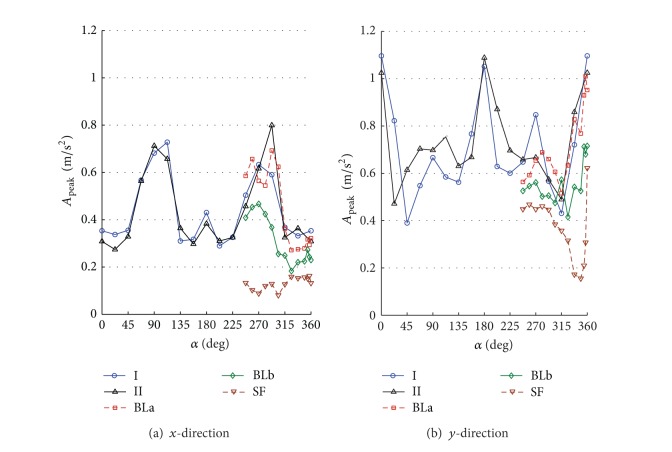
Atmospheric turbulence results from the vertical movement of air, together with flow disturbances around surface obstacles which make low- and moderate-level winds extremely irregular. Recent advancements in wind engineering have led to the construction of new facilities for testing residential homes at relatively high Reynolds numbers. However, the generation of a fully developed turbulence in these facilities is challenging. The author proposed techniques for the testing of residential buildings and architectural features in flows that lack fully developed turbulence. While these methods are effective for small structures, the extension of the approach for large and flexible structures is not possible yet. The purpose of this study is to investigate the role of turbulence in the response of tall buildings to extreme winds. In addition, the paper presents a detailed analysis to investigate the influence of upstream terrain conditions, wind direction angle (orientation), and the interference effect from the surrounding on the response of high-rise buildings. The methodology presented can be followed to help decision makers to choose among innovative solutions like aerodynamic mitigation, structural member size adjustment, and/or damping enhancement, with an objective to improve the resiliency and the serviceability of buildings.
大气湍流是由空气的垂直运动以及地表障碍物周围的气流扰动引起的,这使得低空和中空风极其不规则。风工程领域的最新进展促使人们建造了新的设施,用于在相对较高的雷诺数下对住宅进行测试。然而,在这些设施中产生完全发展的湍流具有挑战性。作者提出了在缺乏完全发展湍流的气流中测试住宅建筑和建筑特征的技术。虽然这些方法对小型结构有效,但目前还无法将该方法扩展到大型和柔性结构。本研究的目的是调查湍流在高层建筑对极端风响应中的作用。此外,本文还进行了详细分析,以研究上游地形条件、风向角(方位)以及周围环境的干扰效应对高层建筑响应的影响。所提出的方法可供决策者参考,以便在诸如空气动力学减缓、结构构件尺寸调整和/或阻尼增强等创新解决方案中进行选择,目标是提高建筑物的恢复力和适用性。