Kaczocha Martin, Rebecchi Mario J, Ralph Brian P, Teng Yu-Han Gary, Berger William T, Galbavy William, Elmes Matthew W, Glaser Sherrye T, Wang Liqun, Rizzo Robert C, Deutsch Dale G, Ojima Iwao
Department of Anesthesiology, Stony Brook University, Stony Brook, New York, United States of America.
Department of Biochemistry and Cell Biology, Stony Brook University, Stony Brook, New York, United States of America.
PLoS One. 2014 Apr 4;9(4):e94200. doi: 10.1371/journal.pone.0094200. eCollection 2014.
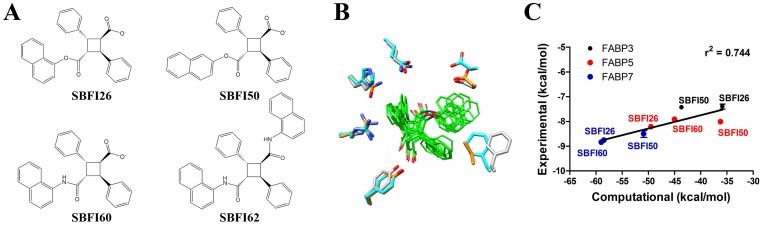
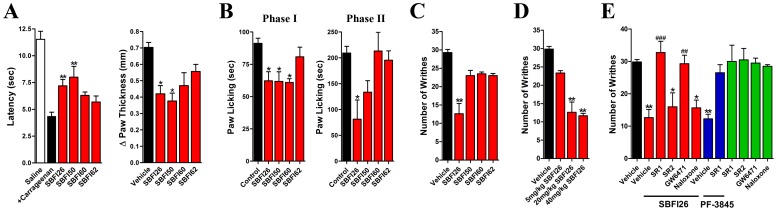
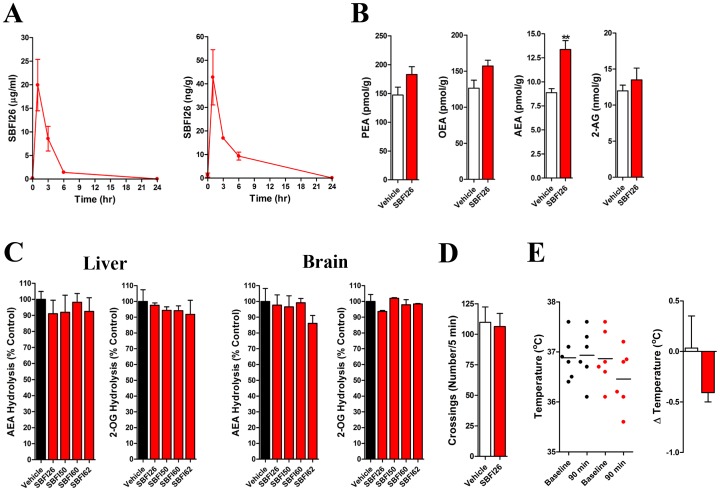
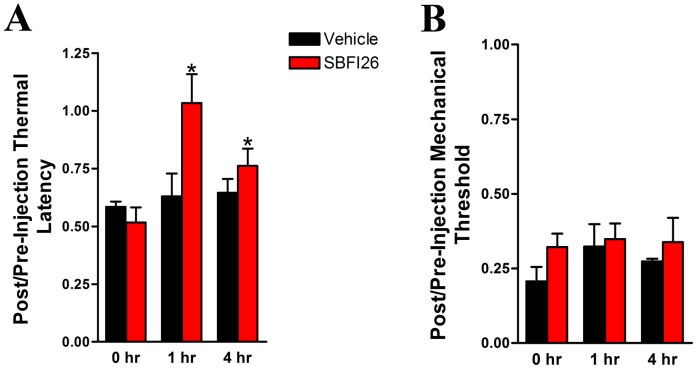
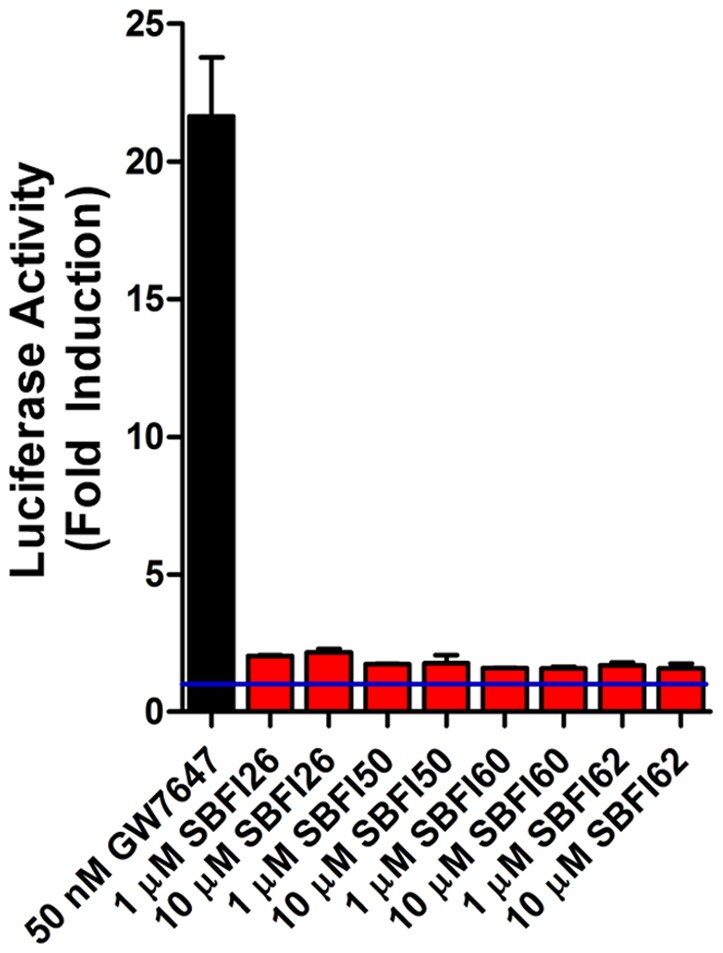
The endocannabinoid anandamide (AEA) is an antinociceptive lipid that is inactivated through cellular uptake and subsequent catabolism by fatty acid amide hydrolase (FAAH). Fatty acid binding proteins (FABPs) are intracellular carriers that deliver AEA and related N-acylethanolamines (NAEs) to FAAH for hydrolysis. The mammalian brain expresses three FABP subtypes: FABP3, FABP5, and FABP7. Recent work from our group has revealed that pharmacological inhibition of FABPs reduces inflammatory pain in mice. The goal of the current work was to explore the effects of FABP inhibition upon nociception in diverse models of pain. We developed inhibitors with differential affinities for FABPs to elucidate the subtype(s) that contributes to the antinociceptive effects of FABP inhibitors. Inhibition of FABPs reduced nociception associated with inflammatory, visceral, and neuropathic pain. The antinociceptive effects of FABP inhibitors mirrored their affinities for FABP5, while binding to FABP3 and FABP7 was not a predictor of in vivo efficacy. The antinociceptive effects of FABP inhibitors were mediated by cannabinoid receptor 1 (CB1) and peroxisome proliferator-activated receptor alpha (PPARα) and FABP inhibition elevated brain levels of AEA, providing the first direct evidence that FABPs regulate brain endocannabinoid tone. These results highlight FABPs as novel targets for the development of analgesic and anti-inflammatory therapeutics.
内源性大麻素花生四烯乙醇胺(AEA)是一种具有抗伤害感受作用的脂质,它通过细胞摄取以及随后被脂肪酸酰胺水解酶(FAAH)分解代谢而失活。脂肪酸结合蛋白(FABP)是细胞内载体,可将AEA和相关的N-酰基乙醇胺(NAE)转运至FAAH进行水解。哺乳动物大脑表达三种FABP亚型:FABP3、FABP5和FABP7。我们小组最近的研究表明,对FABP进行药理抑制可减轻小鼠的炎性疼痛。当前研究的目的是探讨FABP抑制在多种疼痛模型中对伤害感受的影响。我们开发了对FABP具有不同亲和力的抑制剂,以阐明对FABP抑制剂抗伤害感受作用有贡献的亚型。抑制FABP可减轻与炎性、内脏性和神经性疼痛相关的伤害感受。FABP抑制剂的抗伤害感受作用与其对FABP5的亲和力相符,而与FABP3和FABP7的结合并非体内疗效的预测指标。FABP抑制剂的抗伤害感受作用由大麻素受体1(CB1)和过氧化物酶体增殖物激活受体α(PPARα)介导,并且FABP抑制可提高大脑中AEA的水平,这首次直接证明FABP可调节大脑内源性大麻素水平。这些结果突出了FABP作为镇痛和抗炎治疗药物开发的新靶点。