MRC National Institute for Medical Research, The Ridgeway , London , UK.
Randall Division for Cell and Molecular Biophysics, New Hunt's House, King's College London , Guy's Campus, London , UK ; British Heart Foundation Centre of Research Excellence, King's College London , Denmark Hill Campus, London , UK.
PeerJ. 2014 Mar 25;2:e323. doi: 10.7717/peerj.323. eCollection 2014.
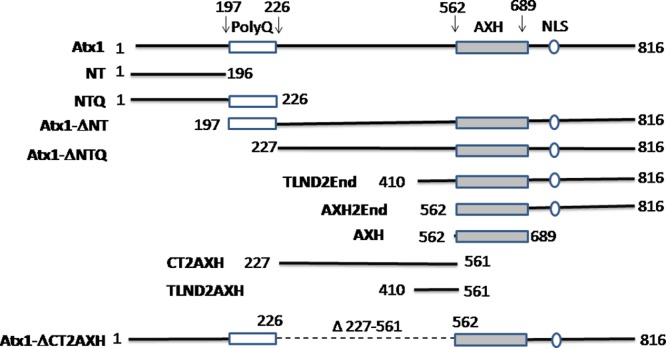
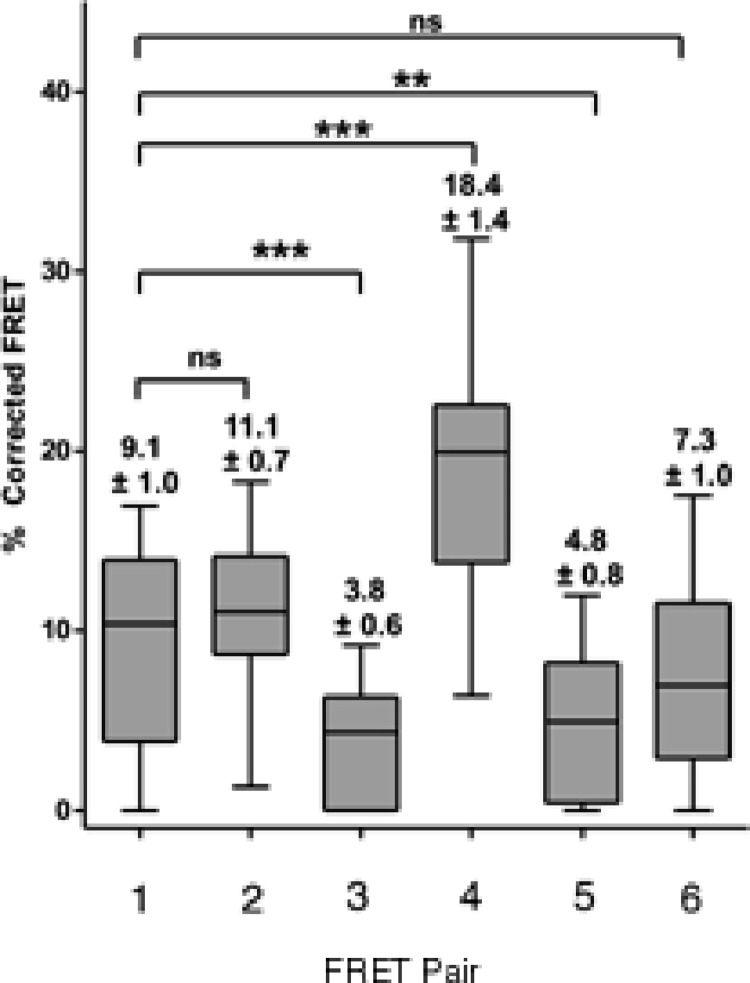
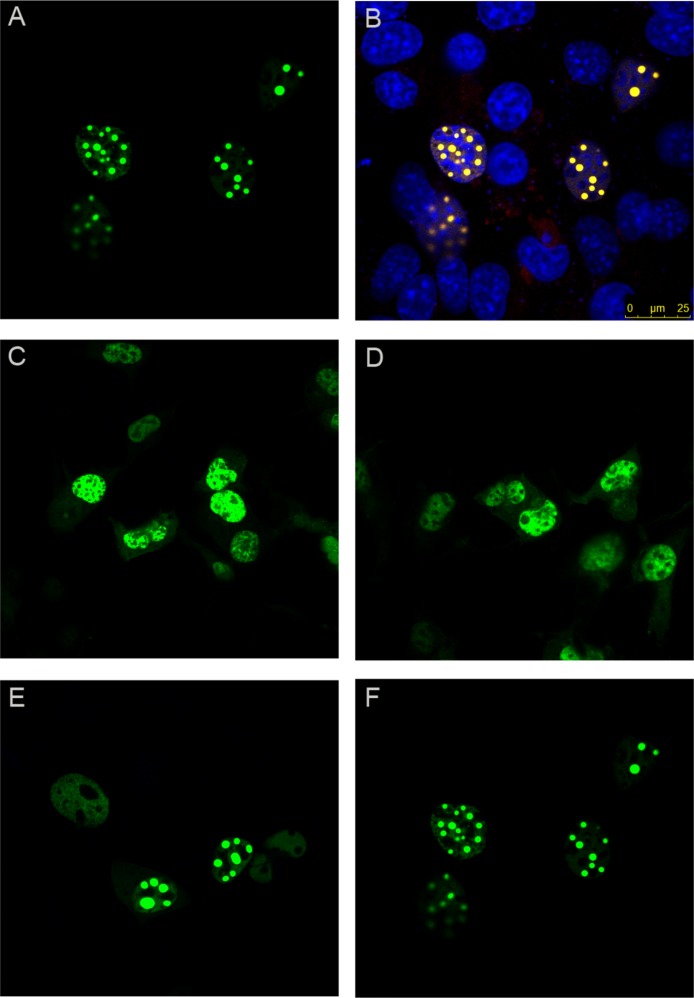
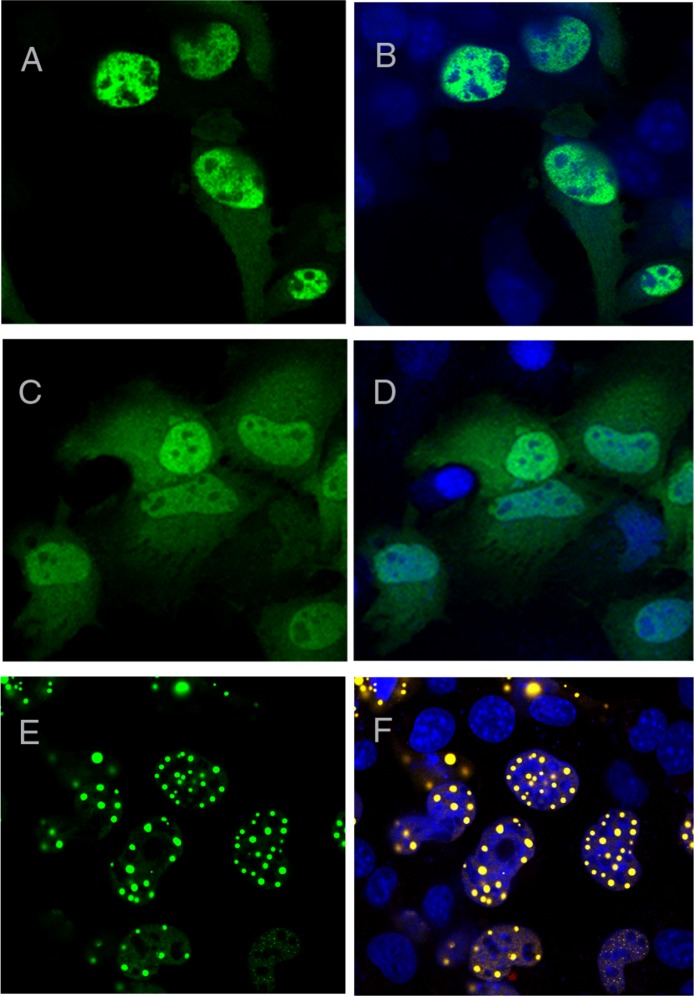
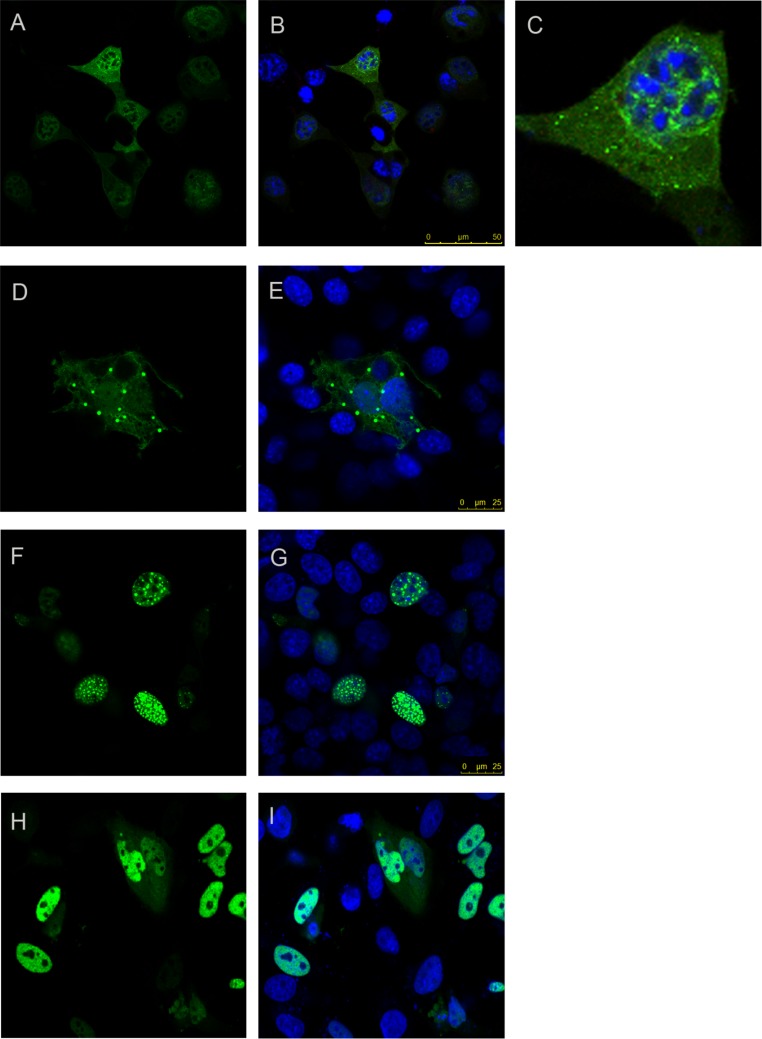
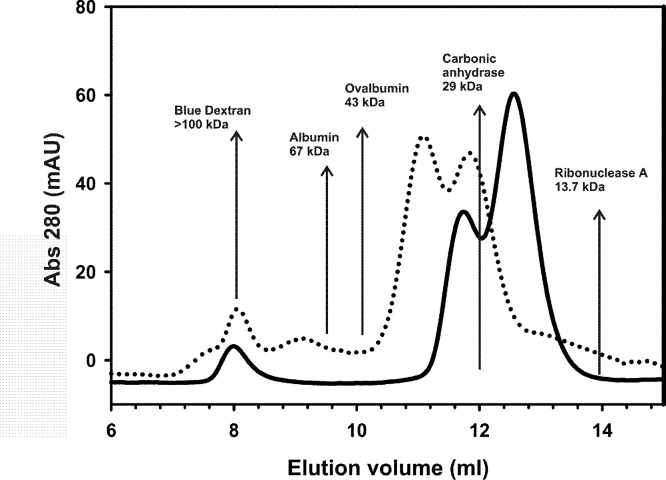
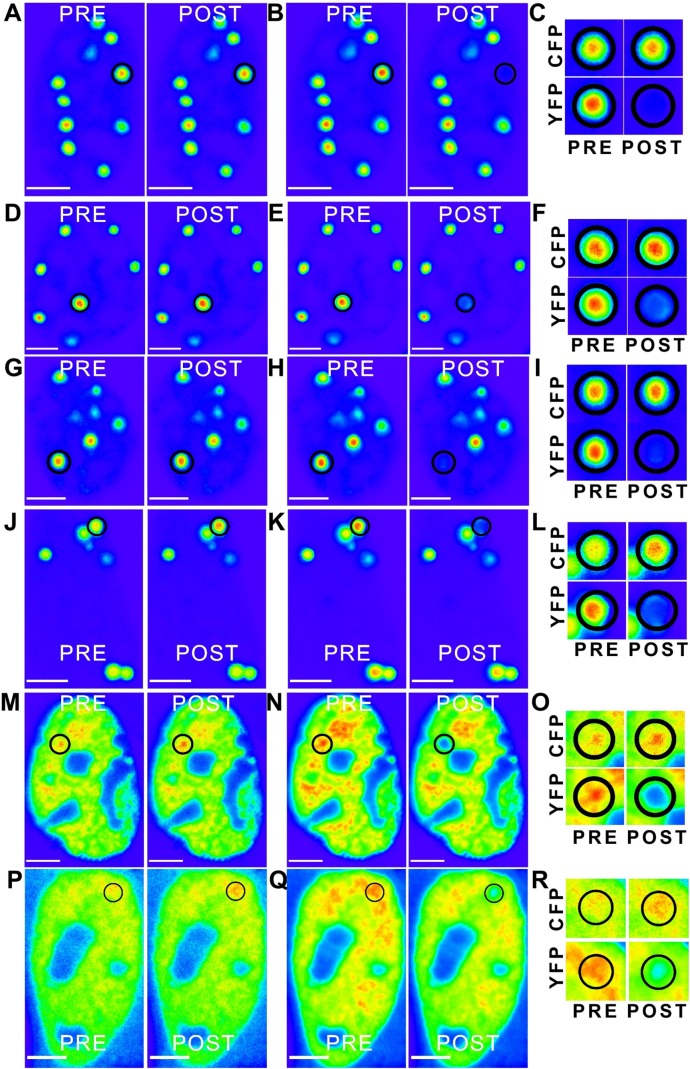
The neurodegenerative disease spinocerebellar ataxia type 1 (SCA1) is caused by aggregation and misfolding of the ataxin-1 protein. While the pathology correlates with mutations that lead to expansion of a polyglutamine tract in the protein, other regions contribute to the aggregation process as also non-expanded ataxin-1 is intrinsically aggregation-prone and forms nuclear foci in cell. Here, we have used a combined approach based on FRET analysis, confocal microscopy and in vitro techniques to map aggregation-prone regions other than polyglutamine and to establish the importance of dimerization in self-association/foci formation. Identification of aggregation-prone regions other than polyglutamine could greatly help the development of SCA1 treatment more specific than that based on targeting the low complexity polyglutamine region.
神经退行性疾病脊髓小脑共济失调 1 型(SCA1)是由ataxin-1 蛋白的聚集和错误折叠引起的。虽然病理学与导致蛋白质中多谷氨酰胺链扩展的突变相关,但其他区域也有助于聚集过程,因为非扩展的 ataxin-1 本身就容易聚集,并在细胞中形成核焦点。在这里,我们使用了一种基于 FRET 分析、共聚焦显微镜和体外技术的组合方法,来绘制除多谷氨酰胺以外的易于聚集的区域,并确定二聚化在自我聚集/焦点形成中的重要性。鉴定除多谷氨酰胺以外的易于聚集的区域,可以极大地帮助开发比基于靶向低复杂度多谷氨酰胺区域更具特异性的 SCA1 治疗方法。