1] Molecular Biology Program, Memorial Sloan-Kettering Cancer Center, New York, New York 10065, USA [2] Weill Graduate School of Medical Sciences of Cornell University, New York, New York 10065, USA.
1] Molecular Biology Program, Memorial Sloan-Kettering Cancer Center, New York, New York 10065, USA [2] Howard Hughes Medical Institute, Memorial Sloan-Kettering Cancer Center, New York, New York 10065, USA.
Nature. 2014 Jun 12;510(7504):241-6. doi: 10.1038/nature13120. Epub 2014 Apr 6.
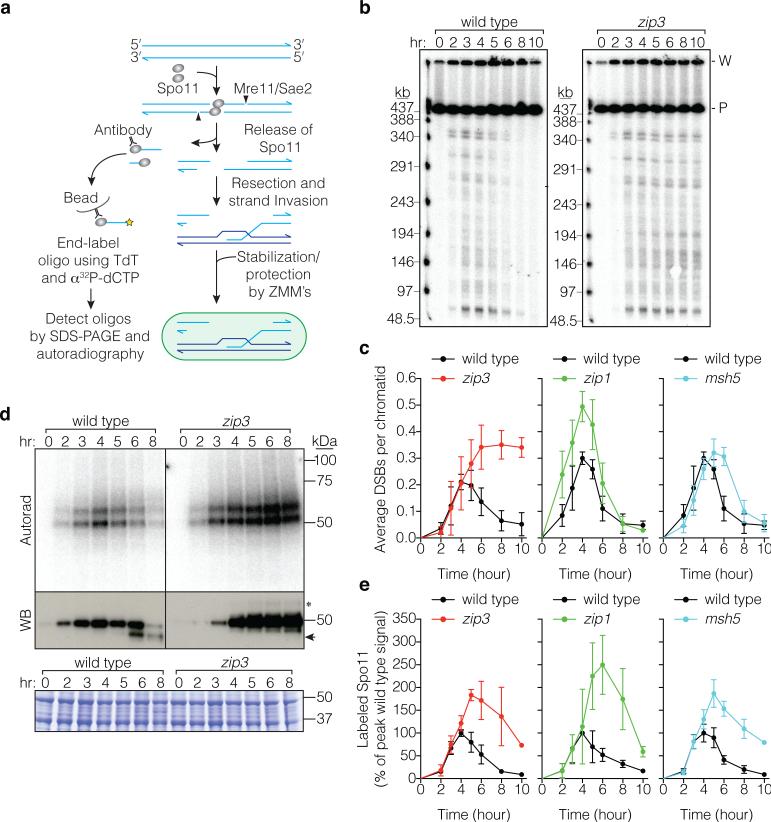
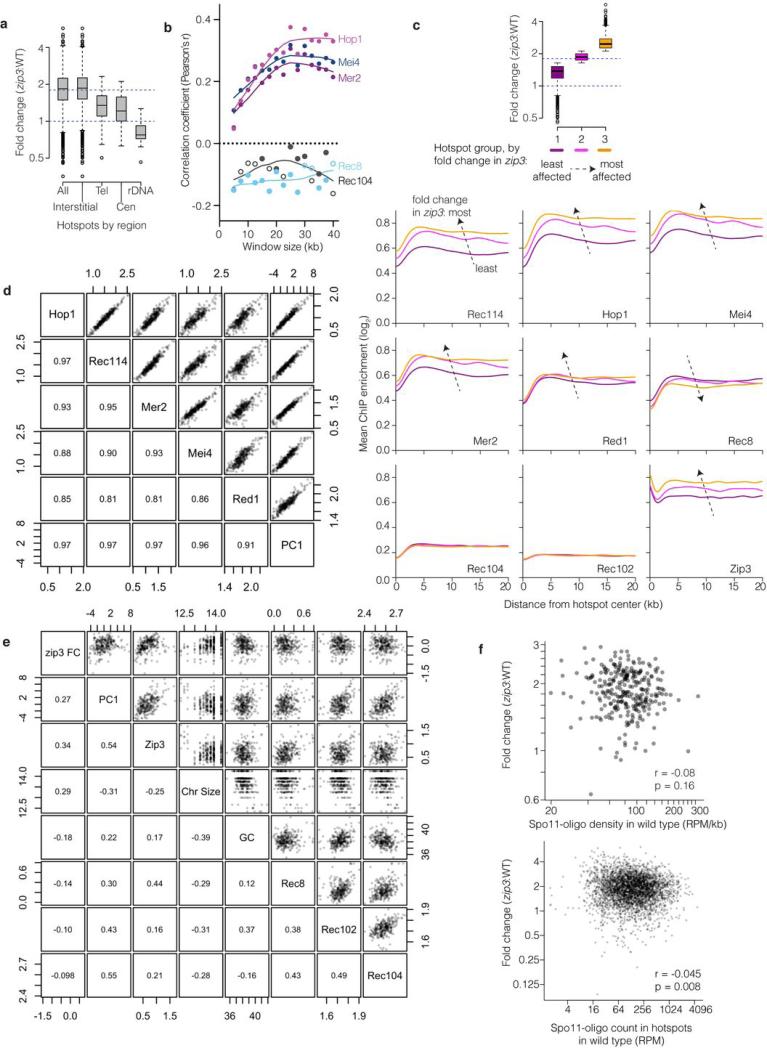
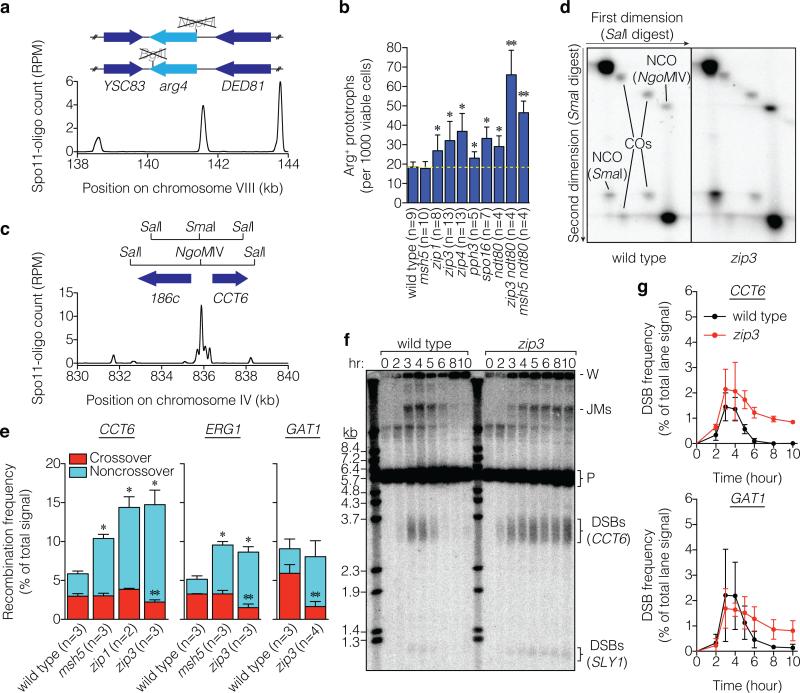
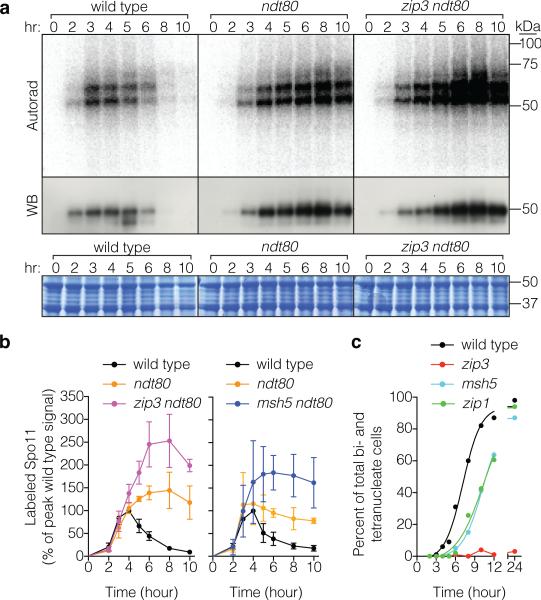
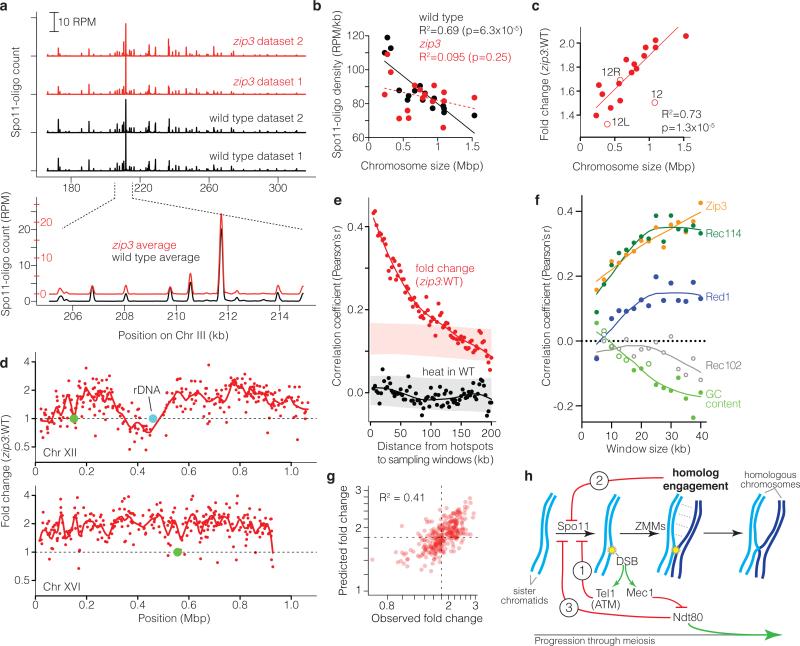
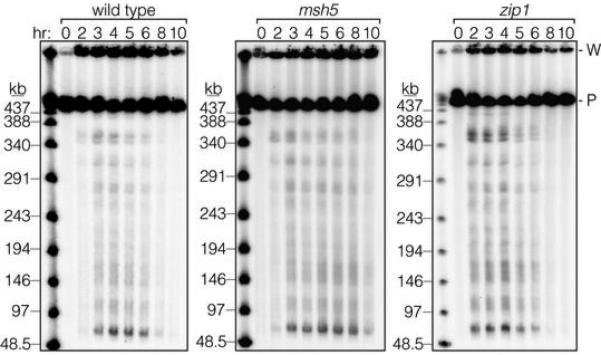
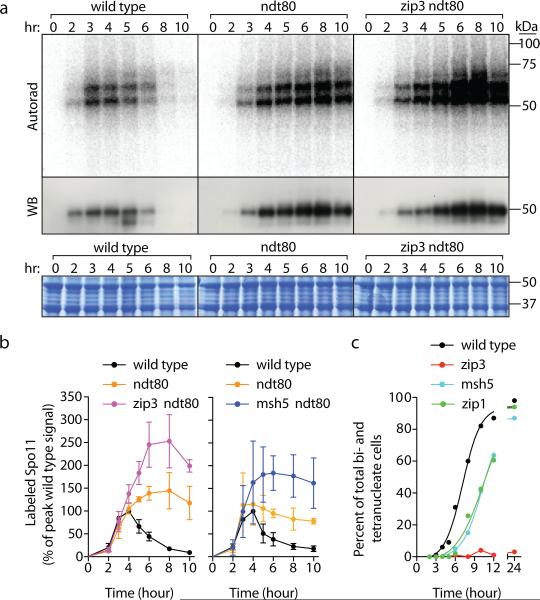
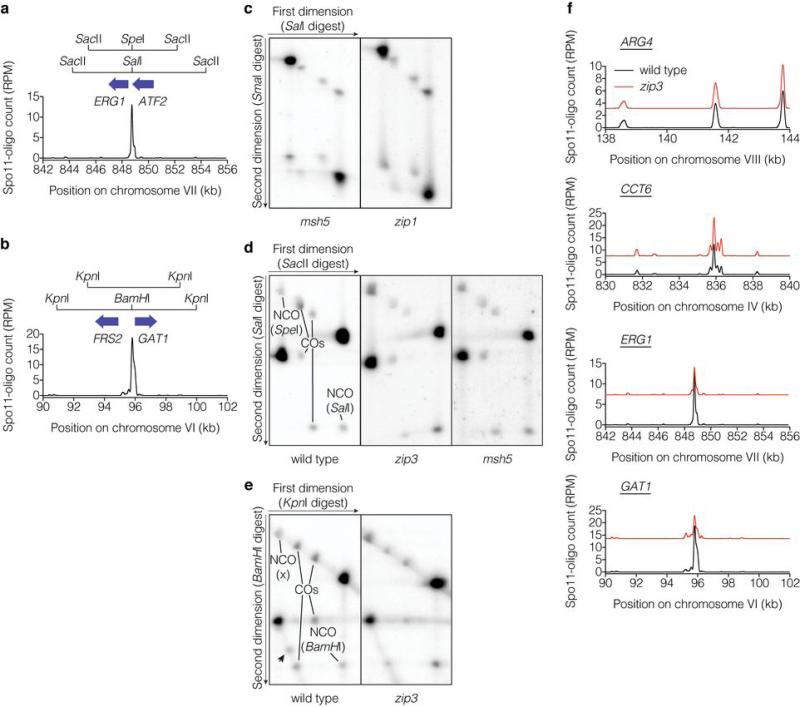
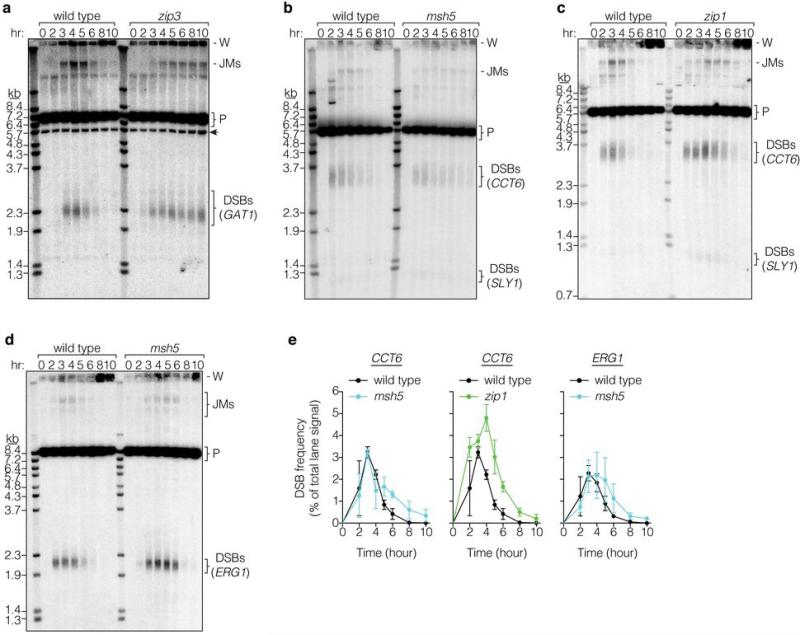
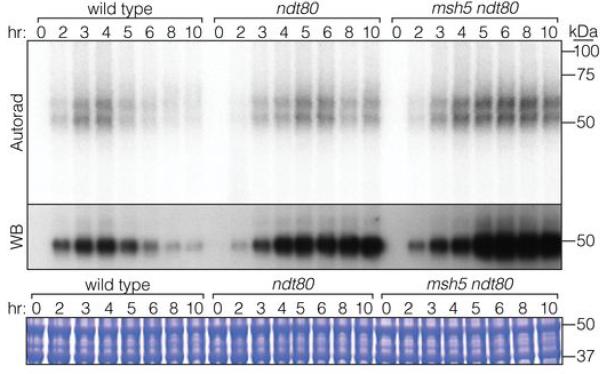
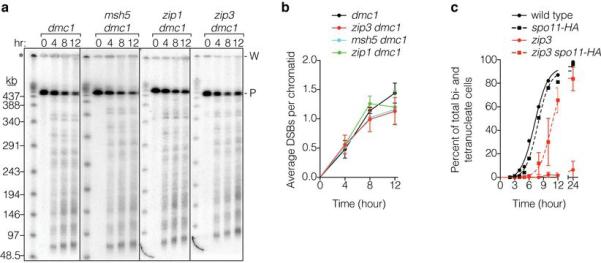
Meiotic recombination promotes genetic diversification as well as pairing and segregation of homologous chromosomes, but the double-strand breaks (DSBs) that initiate recombination are dangerous lesions that can cause mutation or meiotic failure. How cells control DSBs to balance between beneficial and deleterious outcomes is not well understood. Here we test the hypothesis that DSB control involves a network of intersecting negative regulatory circuits. Using multiple complementary methods, we show that DSBs form in greater numbers in Saccharomyces cerevisiae cells lacking ZMM proteins, a suite of recombination-promoting factors traditionally regarded as acting strictly downstream of DSB formation. ZMM-dependent DSB control is genetically distinct from a pathway tying break formation to meiotic progression through the Ndt80 transcription factor. These counterintuitive findings suggest that homologous chromosomes that have successfully engaged one another stop making breaks. Genome-wide DSB maps uncover distinct responses by different subchromosomal domains to the ZMM mutation zip3 (also known as cst9), and show that Zip3 is required for the previously unexplained tendency of DSB density to vary with chromosome size. Thus, feedback tied to ZMM function contributes in unexpected ways to spatial patterning of recombination.
减数分裂重组促进遗传多样化以及同源染色体的配对和分离,但启动重组的双链断裂(DSBs)是危险的损伤,可能导致突变或减数分裂失败。细胞如何控制 DSB 以平衡有益和有害的结果尚不清楚。在这里,我们测试了 DSB 控制涉及相互交织的负反馈调节回路网络的假设。使用多种互补方法,我们表明在缺乏 ZMM 蛋白的酿酒酵母细胞中形成了更多数量的 DSB,ZMM 是一组传统上被认为严格作用于 DSB 形成下游的促进重组的因子。ZMM 依赖的 DSB 控制在遗传上与通过 Ndt80 转录因子将断裂形成与减数分裂进程联系起来的途径不同。这些违反直觉的发现表明,已经成功相互作用的同源染色体停止形成断裂。全基因组 DSB 图谱揭示了不同亚染色体区域对 ZMM 突变 zip3(也称为 cst9)的不同反应,并表明 Zip3 是 DSB 密度随染色体大小变化的先前未解释趋势所必需的。因此,与 ZMM 功能相关的反馈以出人意料的方式为重组的空间模式作出贡献。