Fang Bo, Liang Ming, Yang Guitao, Ye Yuqin, Xu Hongyu, He Xiaosheng, Huang Jason H
Department of Neurosurgery, Xijing Hospital, Fourth Military Medical University, Xi'an 710032, China.
Department of Medical, Teaching and Research Administration, Xijing Hospital, Fourth Military Medical University, Xi'an 710032, China.
Int J Mol Sci. 2014 Apr 15;15(4):6378-90. doi: 10.3390/ijms15046378.
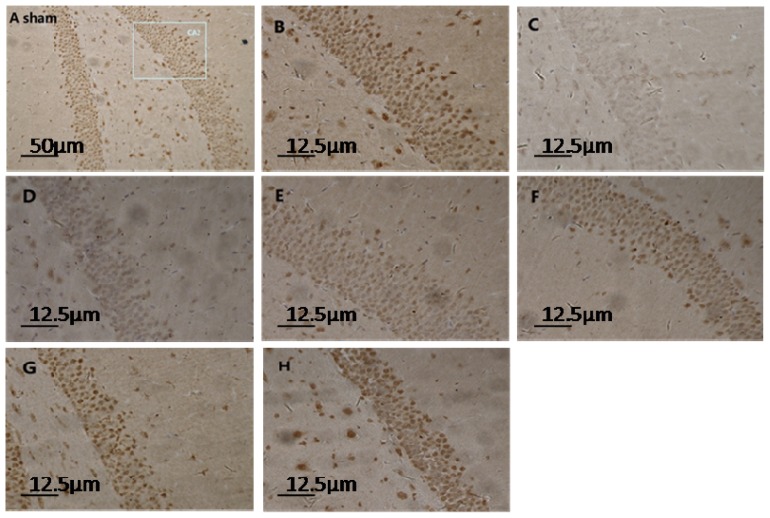
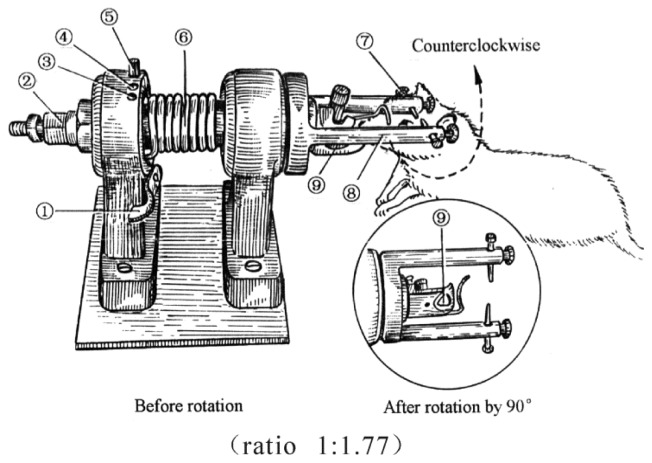
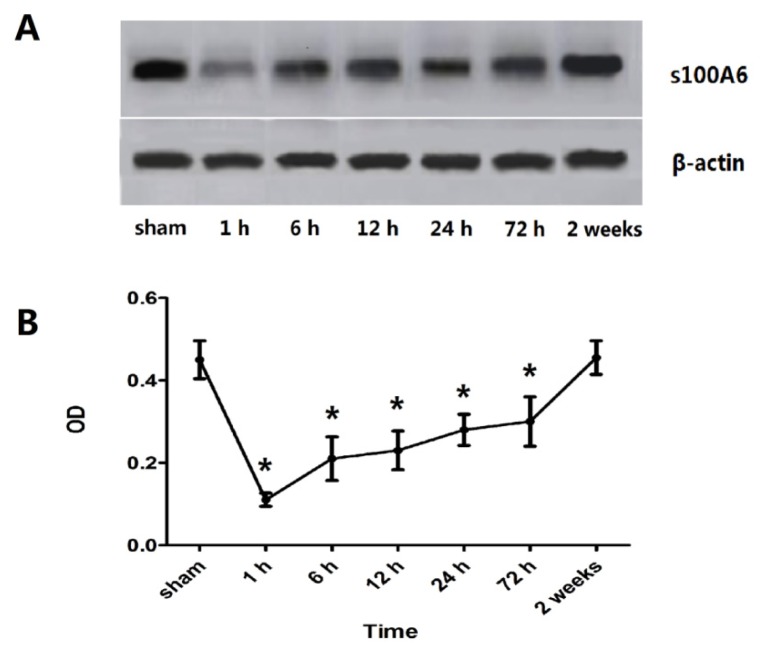
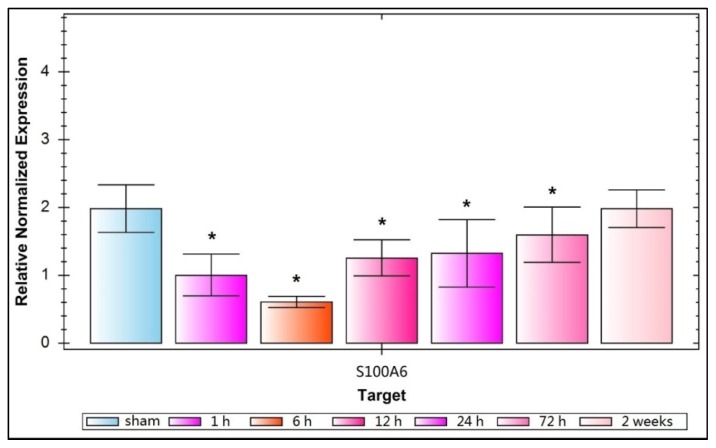
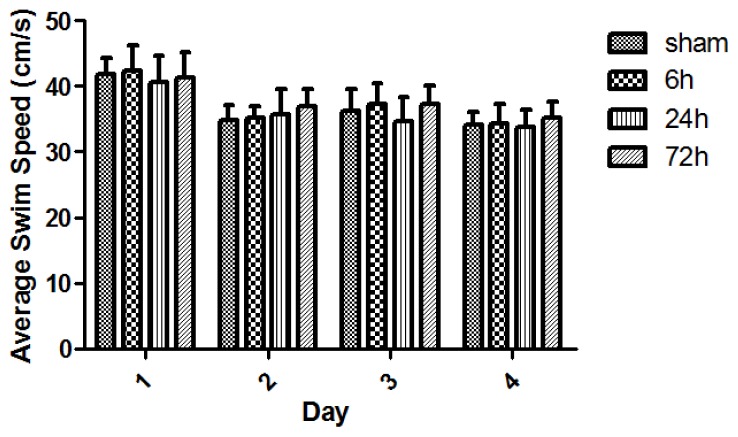
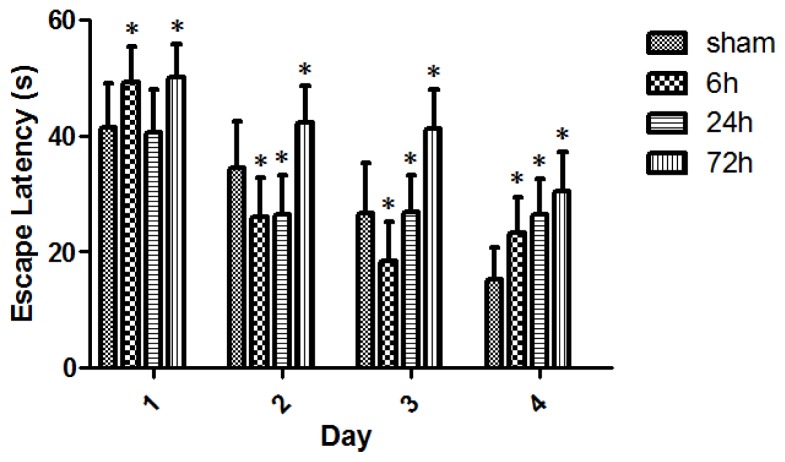
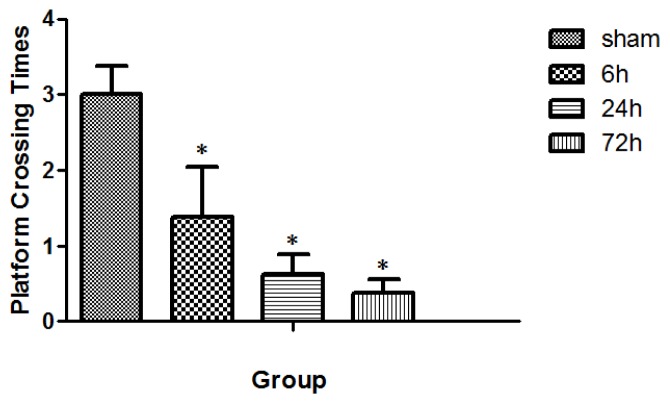
In a rat model of traumatic brain injury (TBI), we investigated changes in cognitive function and S100A6 expression in the hippocampus. TBI-associated changes in this protein have not previously been reported. Rat S100A6 was studied via immunohistochemical staining, Western blot, and reverse transcription-polymerase chain reaction (RT-PCR) after either lateral head acceleration or sham. Reduced levels of S100A6 protein and mRNA were observed 1 h after TBI, followed by gradual increases over 6, 12, 24, and 72 h, and then a return to sham level at 14 day. Morris water maze (MWM) test was used to evaluate animal spatial cognition. TBI- and sham-rats showed an apparent learning curve, expressed as escape latency. Although TBI-rats displayed a relatively poorer cognitive ability than sham-rats, the disparity was not significant early post-injury. Marked cognitive deficits in TBI-rats were observed at 72 h post-injury compared with sham animals. TBI-rats showed decreased times in platform crossing in the daily MWM test; the performance at 72 h post-injury was the worst. In conclusion, a reduction in S100A6 may be one of the early events that lead to secondary cognitive decline after TBI, and its subsequent elevation is tightly linked with cognitive improvement. S100A6 may play important roles in neuronal degeneration and regeneration in TBI.
在创伤性脑损伤(TBI)大鼠模型中,我们研究了海马体中认知功能和S100A6表达的变化。此前尚未报道过与TBI相关的该蛋白变化。在进行侧头加速或假手术处理后,通过免疫组织化学染色、蛋白质印迹法和逆转录-聚合酶链反应(RT-PCR)对大鼠S100A6进行研究。TBI后1小时观察到S100A6蛋白和mRNA水平降低,随后在6、12、24和72小时逐渐升高,然后在14天时恢复到假手术水平。采用莫里斯水迷宫(MWM)试验评估动物的空间认知能力。TBI大鼠和假手术大鼠均呈现出明显的学习曲线,以逃避潜伏期表示。尽管TBI大鼠的认知能力相对比假手术大鼠差,但在损伤后早期差异并不显著。与假手术动物相比,在损伤后72小时观察到TBI大鼠存在明显的认知缺陷。TBI大鼠在每日MWM试验中的平台穿越次数减少;损伤后72小时的表现最差。总之,S100A6的减少可能是TBI后导致继发性认知衰退的早期事件之一,其随后的升高与认知改善密切相关。S100A6可能在TBI的神经元变性和再生中发挥重要作用。