Laboratory of Immunobiochemistry, Faculty of Pharmaceutical Sciences, Josai University, Saitama 350-0295, Japan.
Laboratory of Pharmacology, Faculty of Pharmaceutical Sciences, Josai University, Saitama 350-0295, Japan.
Nutrients. 2014 Apr 15;6(4):1554-77. doi: 10.3390/nu6041554.
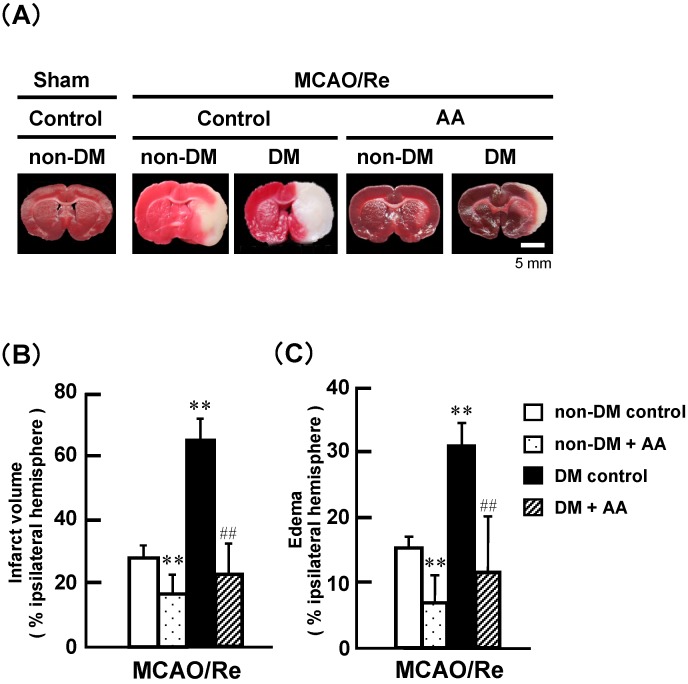
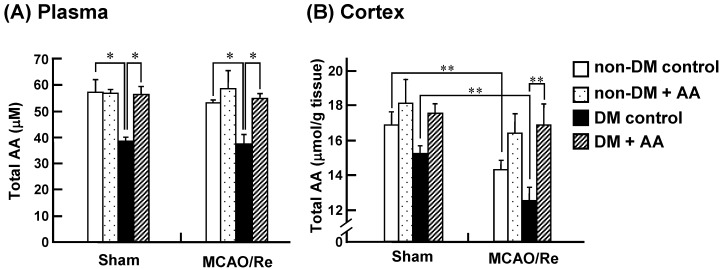
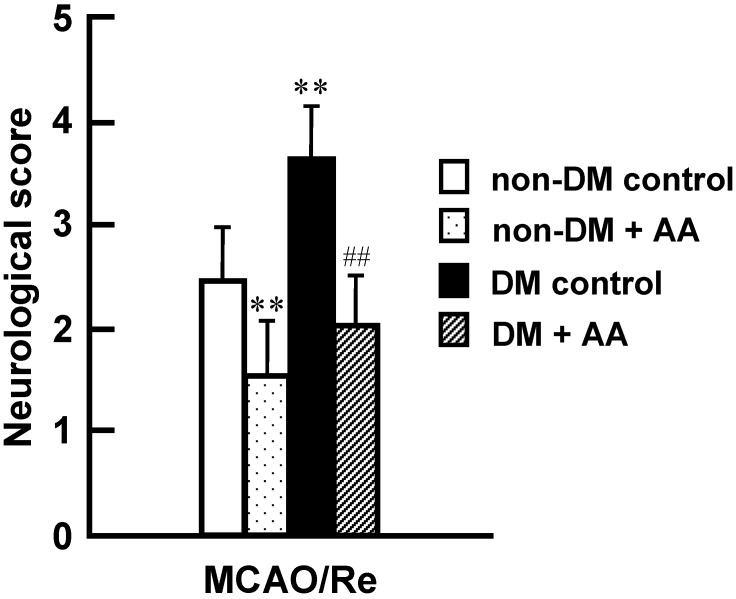
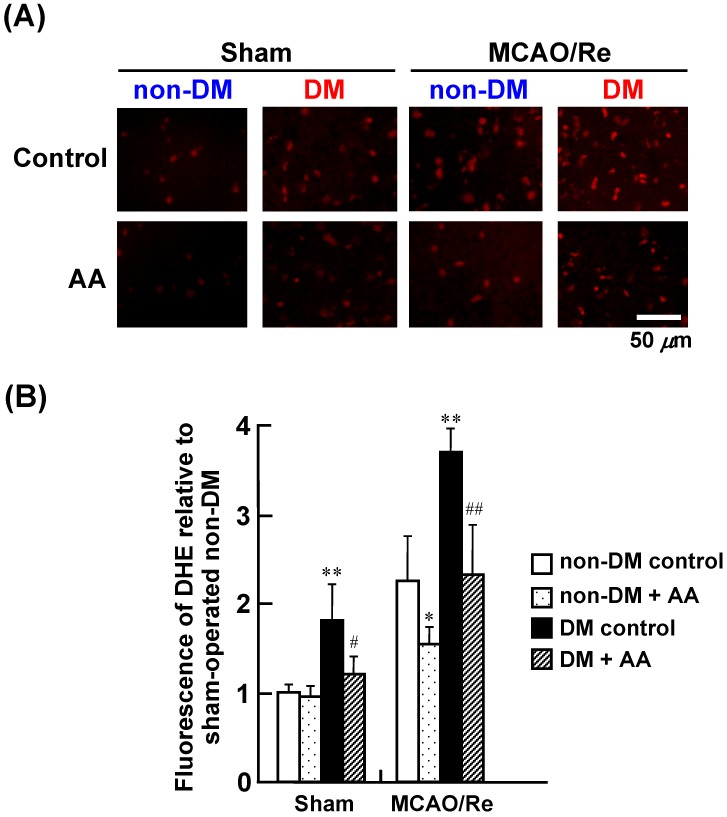
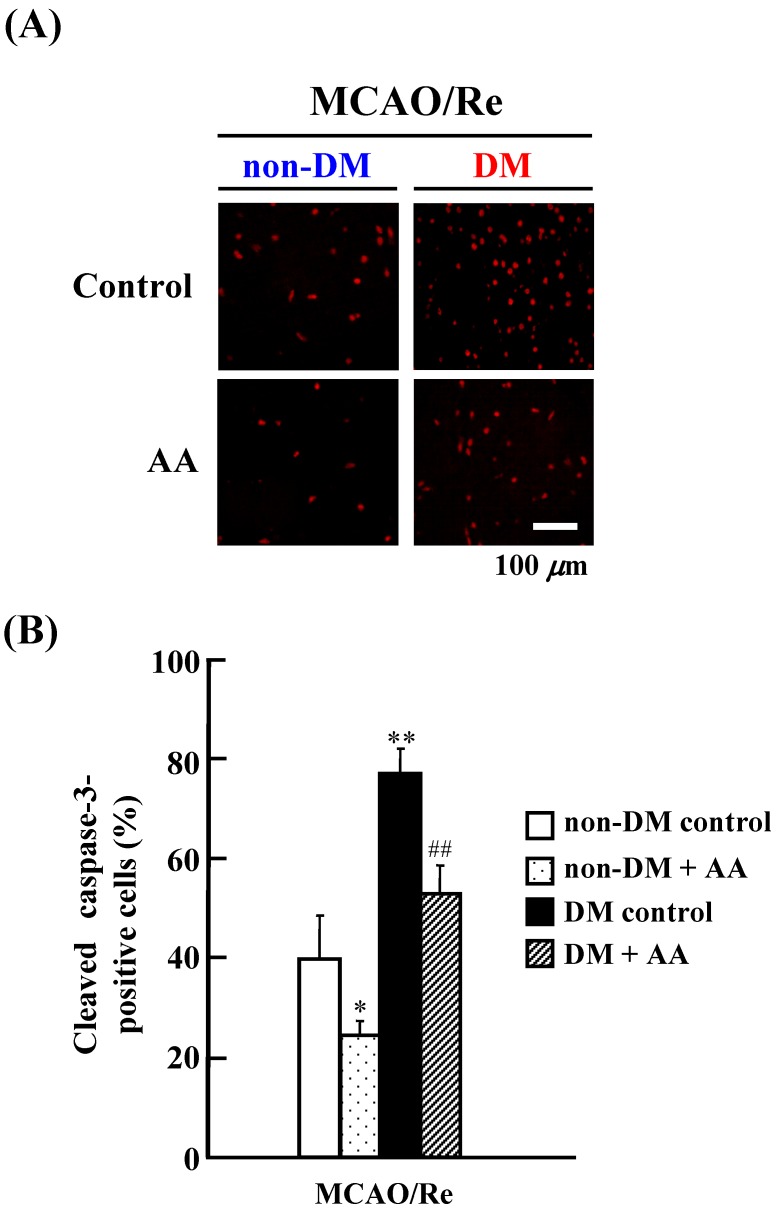
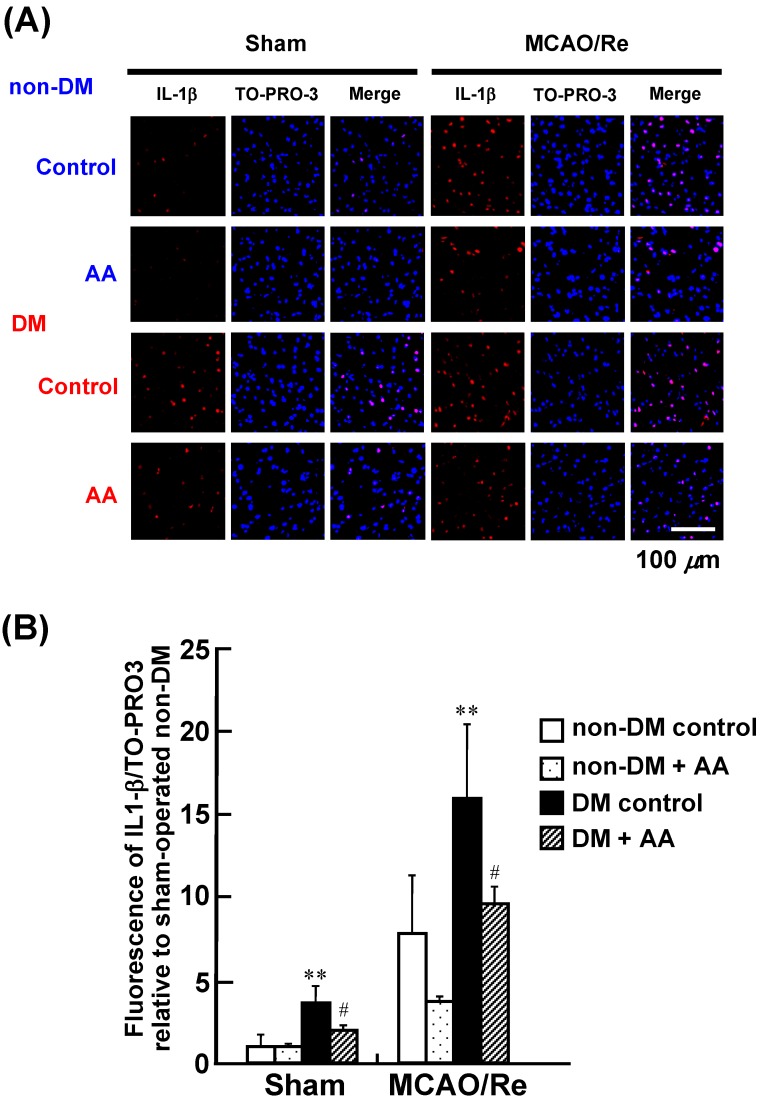
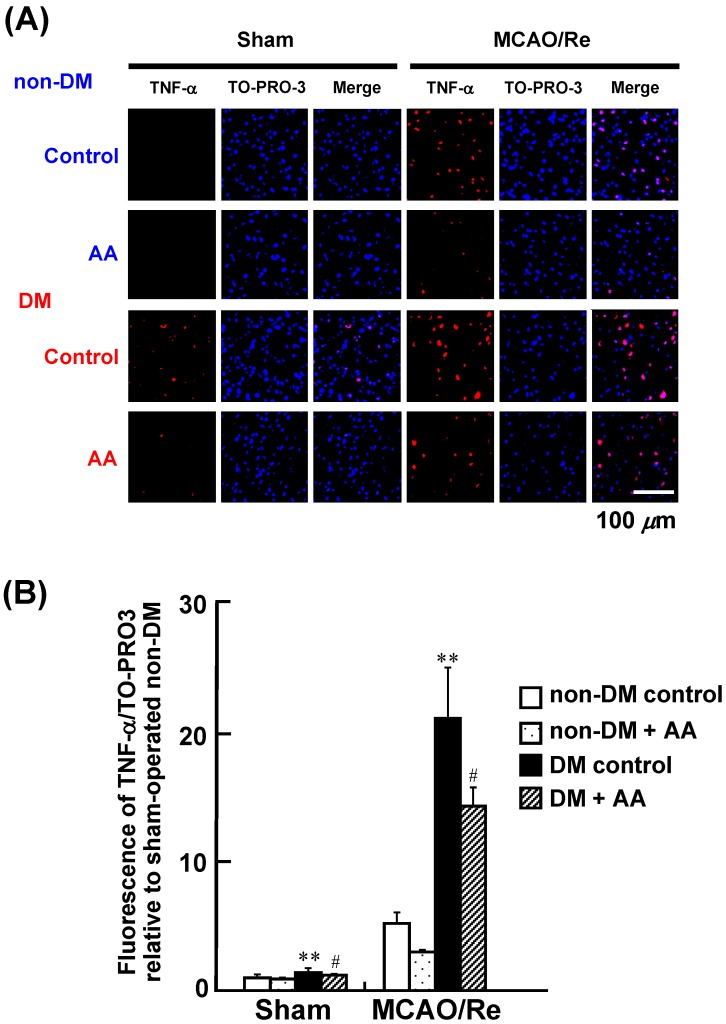
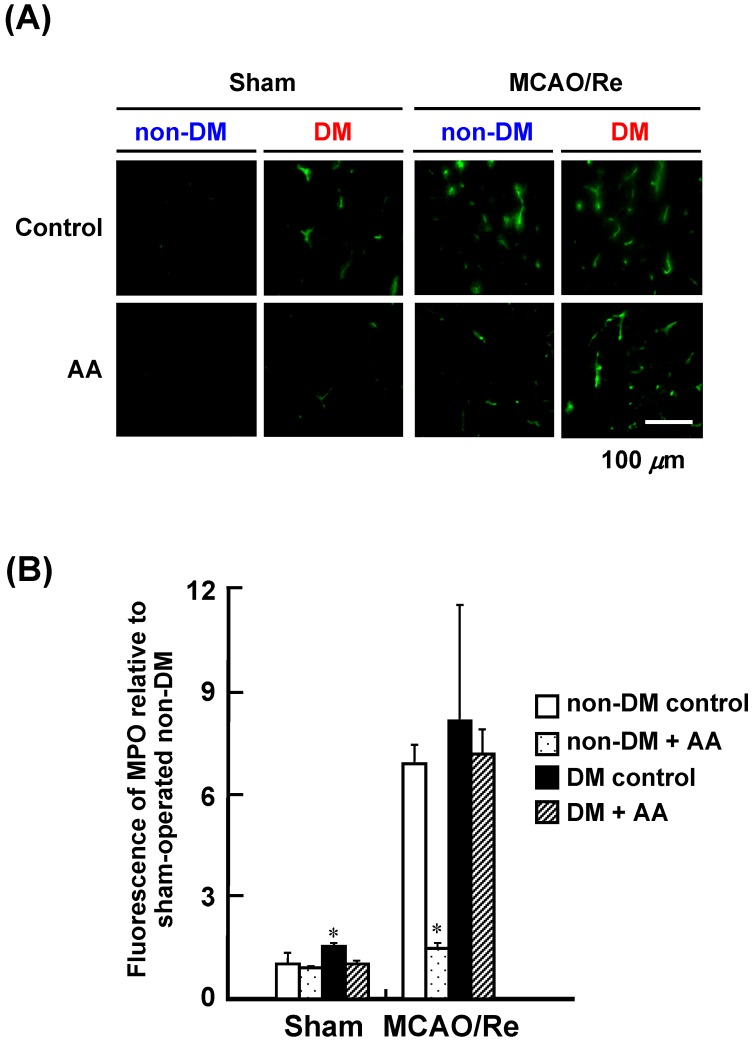
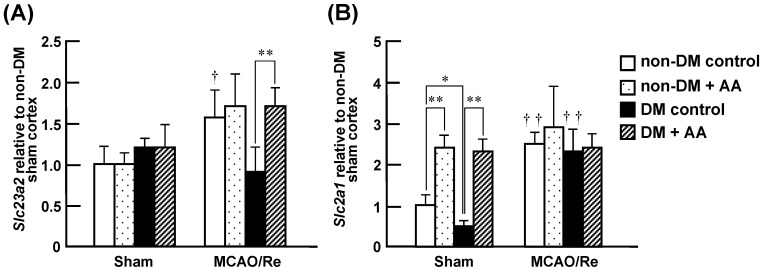
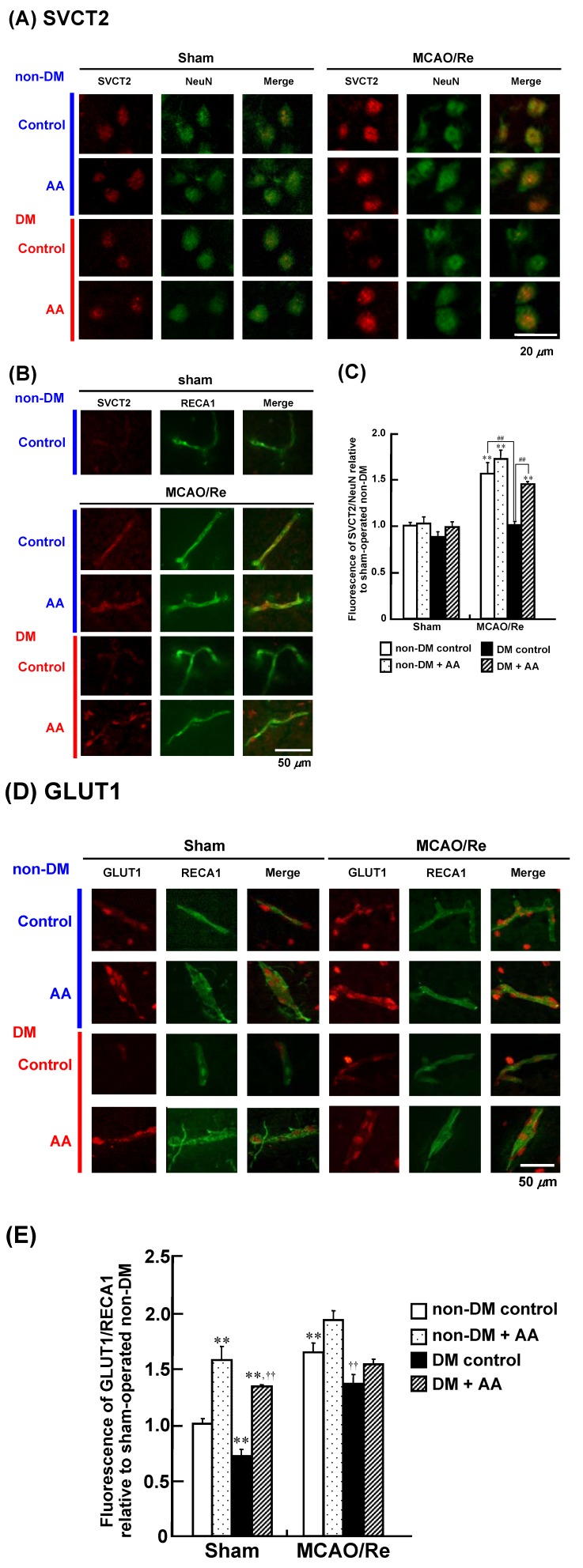
Diabetes mellitus is known to exacerbate cerebral ischemic injury. In the present study, we investigated antiapoptotic and anti-inflammatory effects of oral supplementation of ascorbic acid (AA) on cerebral injury caused by middle cerebral artery occlusion and reperfusion (MCAO/Re) in rats with streptozotocin-induced diabetes. We also evaluated the effects of AA on expression of sodium-dependent vitamin C transporter 2 (SVCT2) and glucose transporter 1 (GLUT1) after MCAO/Re in the brain. The diabetic state markedly aggravated MCAO/Re-induced cerebral damage, as assessed by infarct volume and edema. Pretreatment with AA (100 mg/kg, p.o.) for two weeks significantly suppressed the exacerbation of damage in the brain of diabetic rats. AA also suppressed the production of superoxide radical, activation of caspase-3, and expression of proinflammatory cytokines (tumor necrosis factor-α and interleukin-1β) in the ischemic penumbra. Immunohistochemical staining revealed that expression of SVCT2 was upregulated primarily in neurons and capillary endothelial cells after MCAO/Re in the nondiabetic cortex, accompanied by an increase in total AA (AA + dehydroascorbic acid) in the tissue, and that these responses were suppressed in the diabetic rats. AA supplementation to the diabetic rats restored these responses to the levels of the nondiabetic rats. Furthermore, AA markedly upregulated the basal expression of GLUT1 in endothelial cells of nondiabetic and diabetic cortex, which did not affect total AA levels in the cortex. These results suggest that daily intake of AA attenuates the exacerbation of cerebral ischemic injury in a diabetic state, which may be attributed to anti-apoptotic and anti-inflammatory effects via the improvement of augmented oxidative stress in the brain. AA supplementation may protect endothelial function against the exacerbated ischemic oxidative injury in the diabetic state and improve AA transport through SVCT2 in the cortex.
糖尿病可加重脑缺血损伤。在本研究中,我们研究了口服补充抗坏血酸(AA)对链脲佐菌素诱导的糖尿病大鼠大脑中动脉闭塞再灌注(MCAO/Re)引起的脑损伤的抗凋亡和抗炎作用。我们还评估了 AA 对 MCAO/Re 后大脑中钠依赖性维生素 C 转运体 2(SVCT2)和葡萄糖转运体 1(GLUT1)表达的影响。糖尿病状态显著加重了 MCAO/Re 引起的脑损伤,这可通过梗塞体积和水肿来评估。用 AA(100mg/kg,po)预处理两周可显著抑制糖尿病大鼠脑损伤的加重。AA 还抑制了超氧自由基的产生、caspase-3 的激活和缺血半影区中促炎细胞因子(肿瘤坏死因子-α和白细胞介素-1β)的表达。免疫组织化学染色显示,在非糖尿病皮质中,MCAO/Re 后 SVCT2 的表达主要在上皮细胞和毛细血管内皮细胞中上调,同时组织中的总 AA(AA+脱氢抗坏血酸)增加,而这些反应在糖尿病大鼠中受到抑制。AA 补充到糖尿病大鼠中,可将这些反应恢复到非糖尿病大鼠的水平。此外,AA 显著上调了非糖尿病和糖尿病皮质内皮细胞中 GLUT1 的基础表达,而不影响皮质中的总 AA 水平。这些结果表明,每日摄入 AA 可减轻糖尿病状态下脑缺血损伤的加重,这可能归因于通过改善大脑中增强的氧化应激而发挥的抗凋亡和抗炎作用。AA 补充可能保护内皮功能免受糖尿病状态下加剧的缺血氧化损伤,并改善 SVCT2 在皮质中的 AA 转运。