Yuan Guo-Rui, Shi Wen-Zhi, Yang Wen-Jia, Jiang Xuan-Zhao, Dou Wei, Wang Jin-Jun
Key Laboratory of Entomology and Pest Control Engineering, College of Plant Protection, Southwest University, Chongqing, China.
PLoS One. 2014 Apr 16;9(4):e95199. doi: 10.1371/journal.pone.0095199. eCollection 2014.
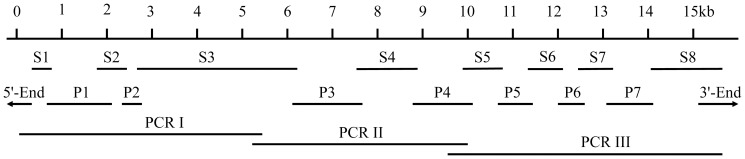
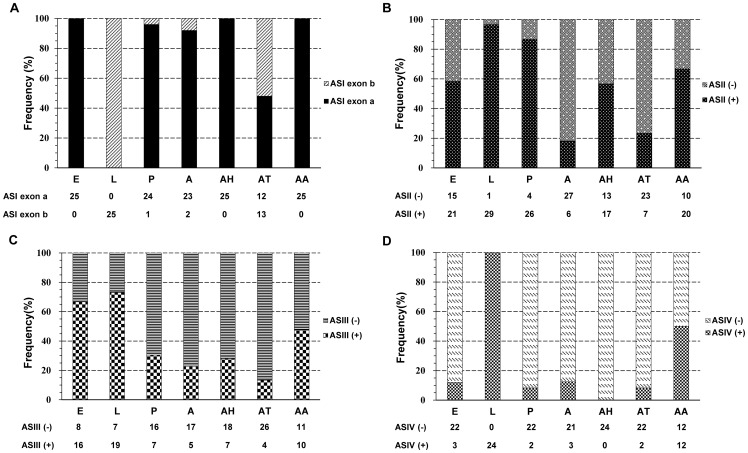
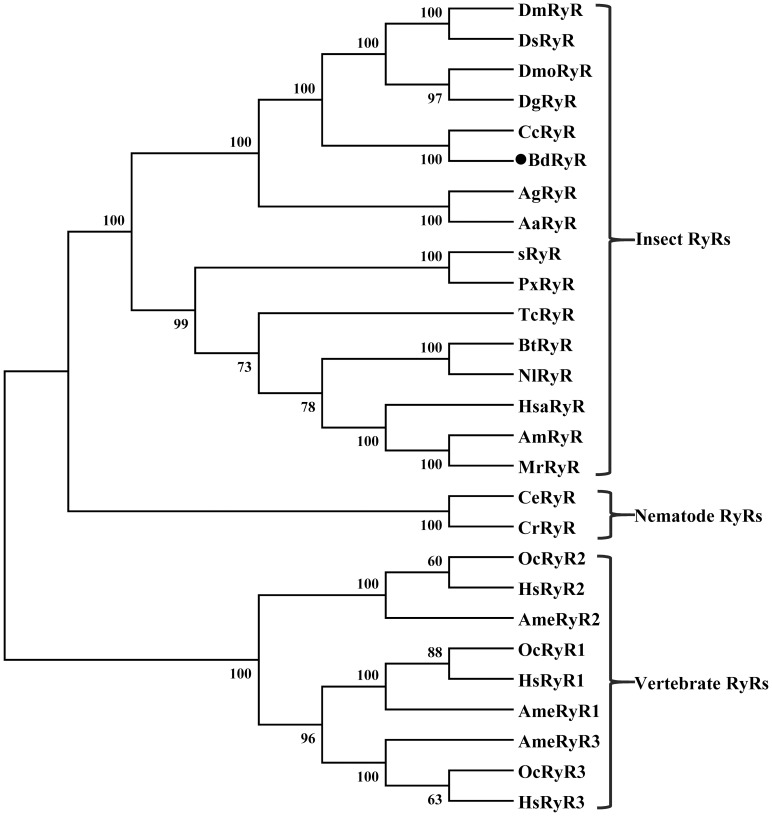
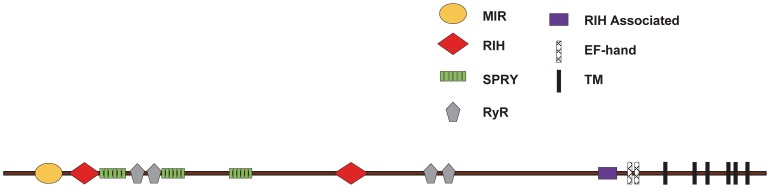
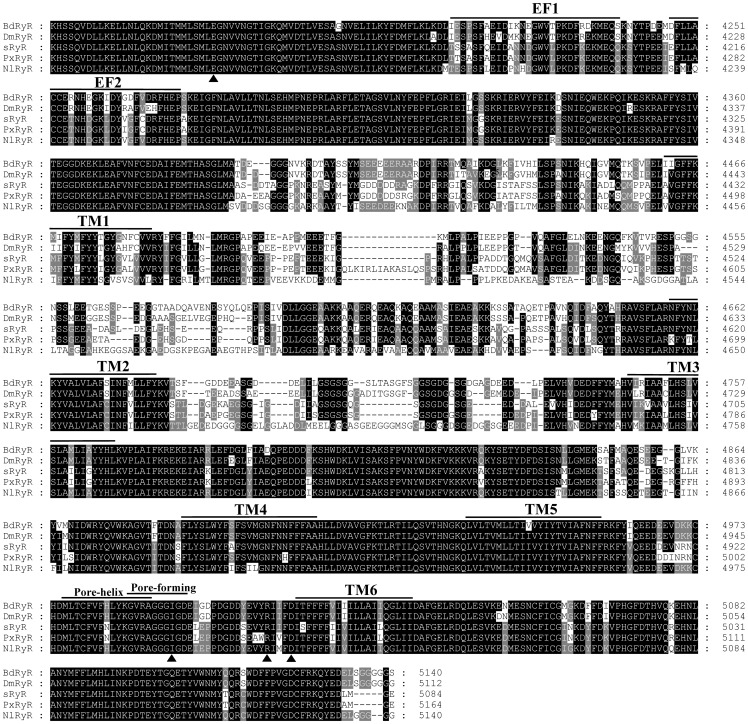
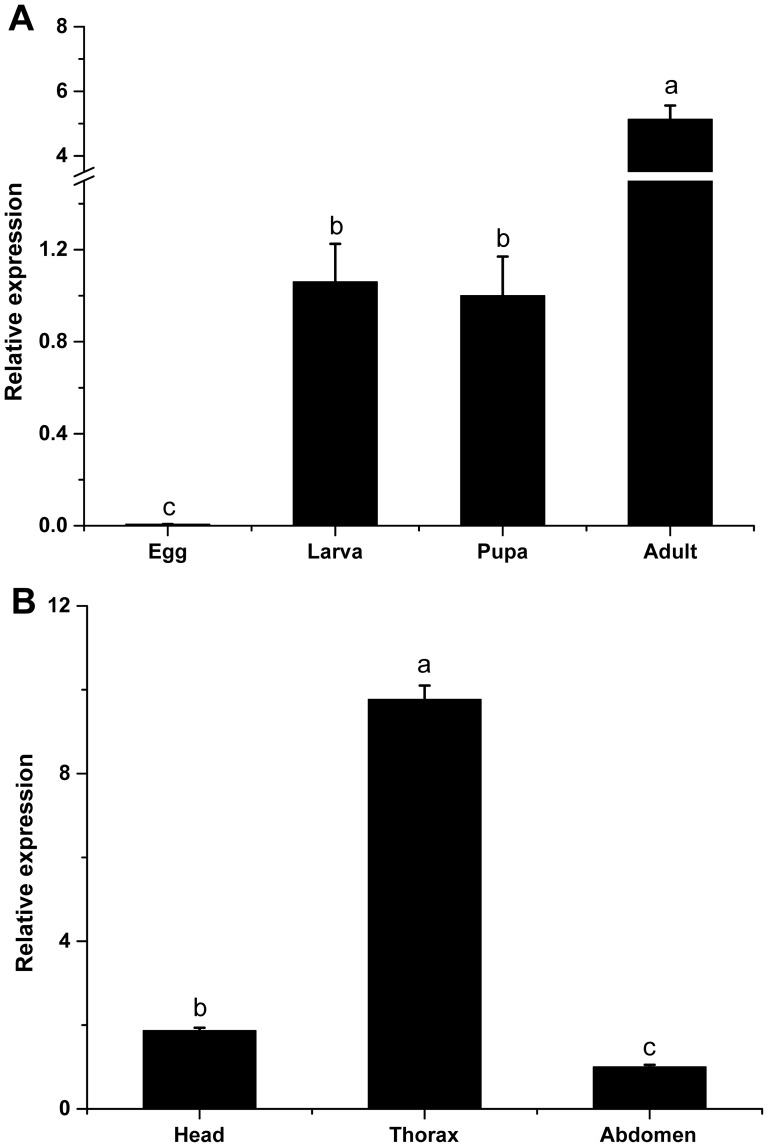
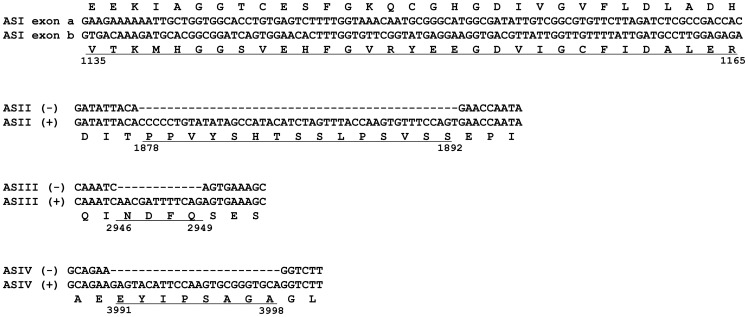
Ryanodine receptors (RyRs) are a distinct class of ligand-gated channels controlling the release of calcium from intracellular stores. The emergence of diamide insecticides, which selectively target insect RyRs, has promoted the study of insect RyRs. In the present study, the full-length RyR cDNA (BdRyR) was cloned and characterized from the oriental fruit fly, Bactrocera dorsalis (Hendel), a serious pest of fruits and vegetables throughout East Asia and the Pacific Rim. The cDNA of BdRyR contains a 15,420-bp open reading frame encoding 5,140 amino acids with a predicted molecular weight of 582.4 kDa and an isoelectric point of 5.38. BdRyR shows a high level of amino acid sequence identity (78 to 97%) to other insect RyR isoforms. All common structural features of the RyRs are present in the BdRyR, including a well-conserved C-terminal domain containing consensus calcium-binding EF-hands and six transmembrane domains, and a large N-terminal domain. Quantitative real-time PCR analyses revealed that BdRyR was expressed at the lowest and highest levels in egg and adult, respectively, and that the BdRyR expression levels in the third instar larva, pupa and adult were 166.99-, 157.56- and 808.56-fold higher, respectively, than that in the egg. Among different adult body parts, the highest expression level was observed in the thorax compared with the head and abdomen. In addition, four alternative splice sites were identified in the BdRyR gene, with the first, ASI, being located in the central part of the predicted second spore lysis A/RyR domain. Diagnostic PCR analyses revealed that alternative splice variants were generated not only in a tissue-specific manner but also in a developmentally regulated manner. These results lay the foundation for further understanding the structural and functional properties of BdRyR, and the molecular mechanisms for target site resistance in B. dorsalis.
兰尼碱受体(RyRs)是一类独特的配体门控通道,可控制细胞内钙库中钙的释放。选择性靶向昆虫RyRs的双酰胺类杀虫剂的出现,推动了对昆虫RyRs的研究。在本研究中,从桔小实蝇(Bactrocera dorsalis (Hendel))中克隆并鉴定了全长RyR cDNA(BdRyR),桔小实蝇是东亚和环太平洋地区果蔬的一种严重害虫。BdRyR的cDNA包含一个15420 bp的开放阅读框,编码5140个氨基酸,预测分子量为582.4 kDa,等电点为5.38。BdRyR与其他昆虫RyR亚型具有高度的氨基酸序列同一性(78%至97%)。RyRs的所有常见结构特征都存在于BdRyR中,包括一个保守的C末端结构域,其中包含共有钙结合EF手和六个跨膜结构域,以及一个大的N末端结构域。定量实时PCR分析表明,BdRyR在卵和成虫中的表达水平分别最低和最高,且三龄幼虫、蛹和成虫中BdRyR的表达水平分别比卵中的高166.99倍、157.56倍和808.56倍。在不同的成虫身体部位中,与头部和腹部相比,胸部的表达水平最高。此外,在BdRyR基因中鉴定出四个可变剪接位点,第一个位点ASI位于预测的第二个孢子裂解A/RyR结构域的中部。诊断性PCR分析表明,可变剪接变体不仅以组织特异性方式产生,而且以发育调控方式产生。这些结果为进一步了解BdRyR的结构和功能特性以及桔小实蝇靶标位点抗性的分子机制奠定了基础。