Xu Wen-Huan, Liu Zhe-Bin, Hou Yi-Feng, Hong Qi, Hu Da-Li, Shao Zhi-Ming
Department of Breast Surgery, Fudan University Shanghai Cancer Center, Shanghai 200032, P,R, China.
BMC Cancer. 2014 Apr 21;14:273. doi: 10.1186/1471-2407-14-273.
PA-MSHA, a genetically engineered Pseudomonas aeruginosa (PA) strain, is currently under investigation as a new anti-cancer drug. It can induce cell cycle arrest and apoptosis in different human cancer cells, including hormone receptor negative breast cancer cells. However, the underlying mechanism of tumor lethality mediated by PA-MSHA remains to be fully investigated.
The effect of PA-MSHA on human hormone receptor negative breast cancer cells was analyzed by morphological measurement, western blot, cell proliferation assay and mouse xenograft model.
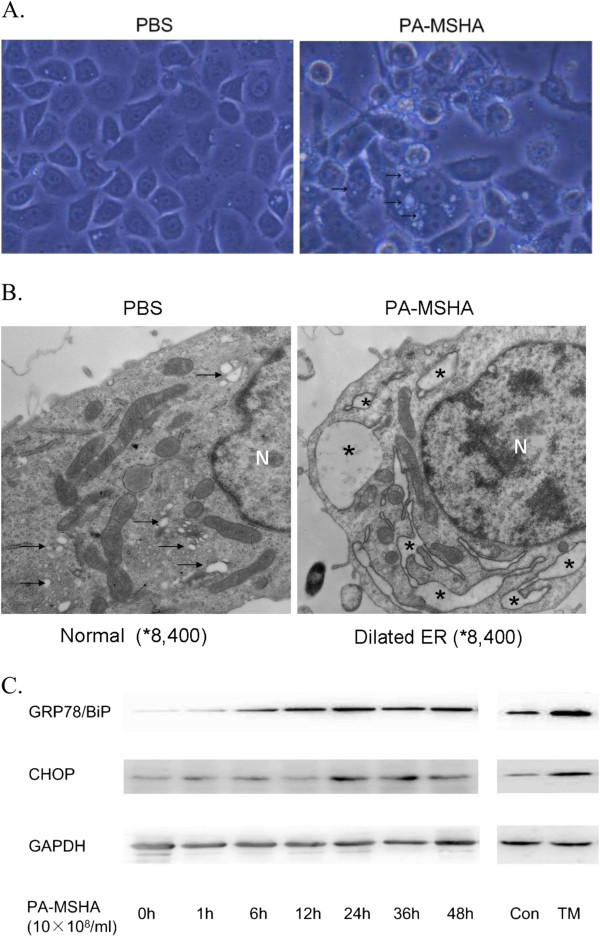
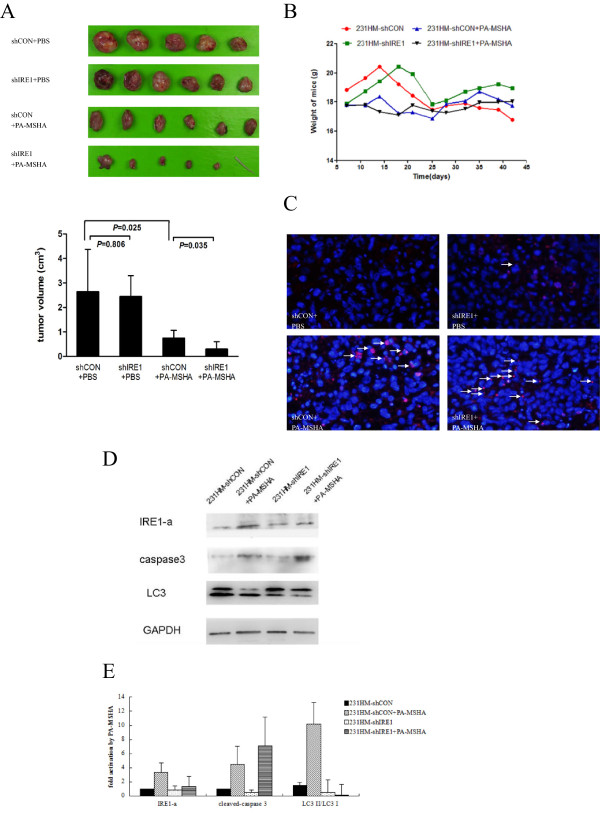
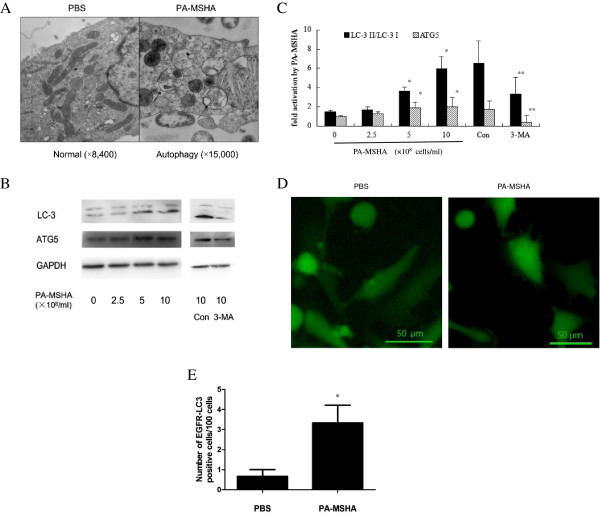
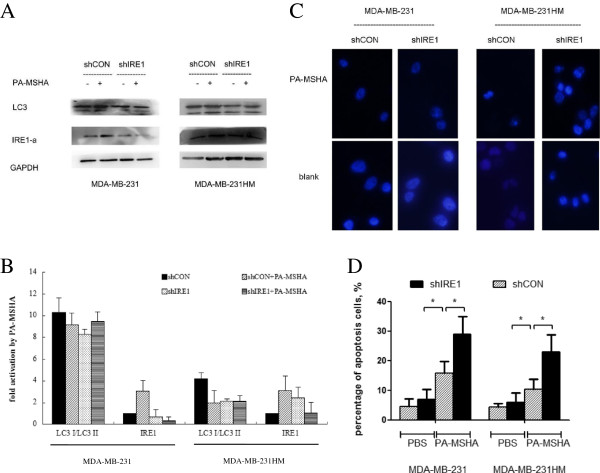
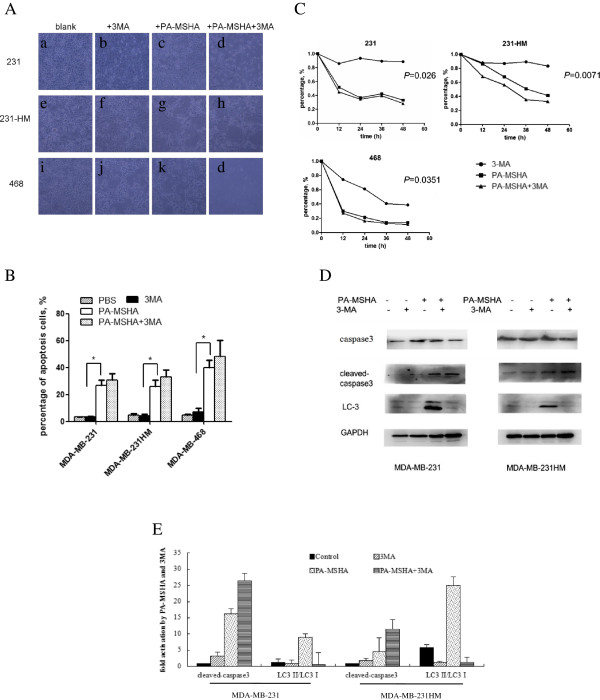
PA-MSHA was found to induce endoplasmic reticulum (ER) stress in breast cancer cell lines through the IRE1 signaling pathway. Inhibiting autophagy potentiated the cytotoxic effect of PA-MSHA while treating breast cancer cell lines. In mouse xenograft model, PA-MSHA produced more pronounced tumor suppression in mice inoculated with IRE1 gene knockdown. MDA-MB-231HM cells.
These findings demonstrated inhibiting autophagy together with PA-MSHA might be a promising therapeutic strategy in treating hormone receptor negative breast cancer cells.
PA-MSHA是一种基因工程改造的铜绿假单胞菌(PA)菌株,目前正作为一种新型抗癌药物进行研究。它能诱导不同人类癌细胞的细胞周期停滞和凋亡,包括激素受体阴性乳腺癌细胞。然而,PA-MSHA介导肿瘤致死的潜在机制仍有待充分研究。
通过形态学测量、蛋白质印迹法、细胞增殖测定和小鼠异种移植模型分析PA-MSHA对人类激素受体阴性乳腺癌细胞的作用。
发现PA-MSHA通过IRE1信号通路在乳腺癌细胞系中诱导内质网(ER)应激。在处理乳腺癌细胞系时,抑制自噬增强了PA-MSHA的细胞毒性作用。在小鼠异种移植模型中,PA-MSHA在接种了IRE1基因敲低的MDA-MB-231HM细胞的小鼠中产生了更明显的肿瘤抑制作用。
这些发现表明,PA-MSHA联合抑制自噬可能是治疗激素受体阴性乳腺癌细胞的一种有前景的治疗策略。