Ni Haiwen, Zhao Wanzhou, Kong Xiangtu, Li Haitao, Ouyang Jian
Affiliated Hospital of Nanjing University of TCM, Nanjing, China.
Sino-EU Biomedical Innovation Center (SEBIC), OG Pharma Corporation, Nanjing, China.
PLoS One. 2014 Apr 22;9(4):e95846. doi: 10.1371/journal.pone.0095846. eCollection 2014.
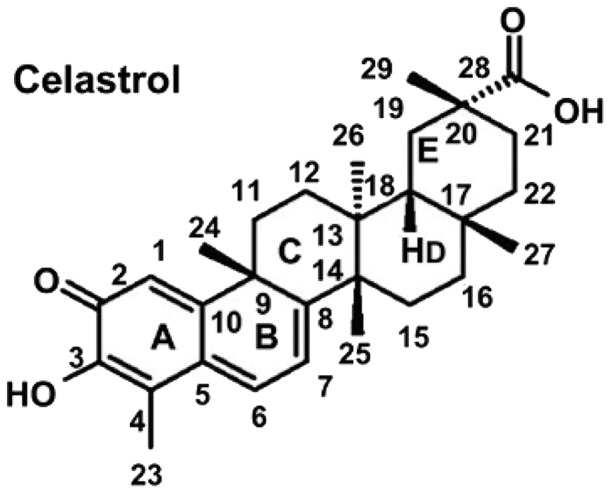
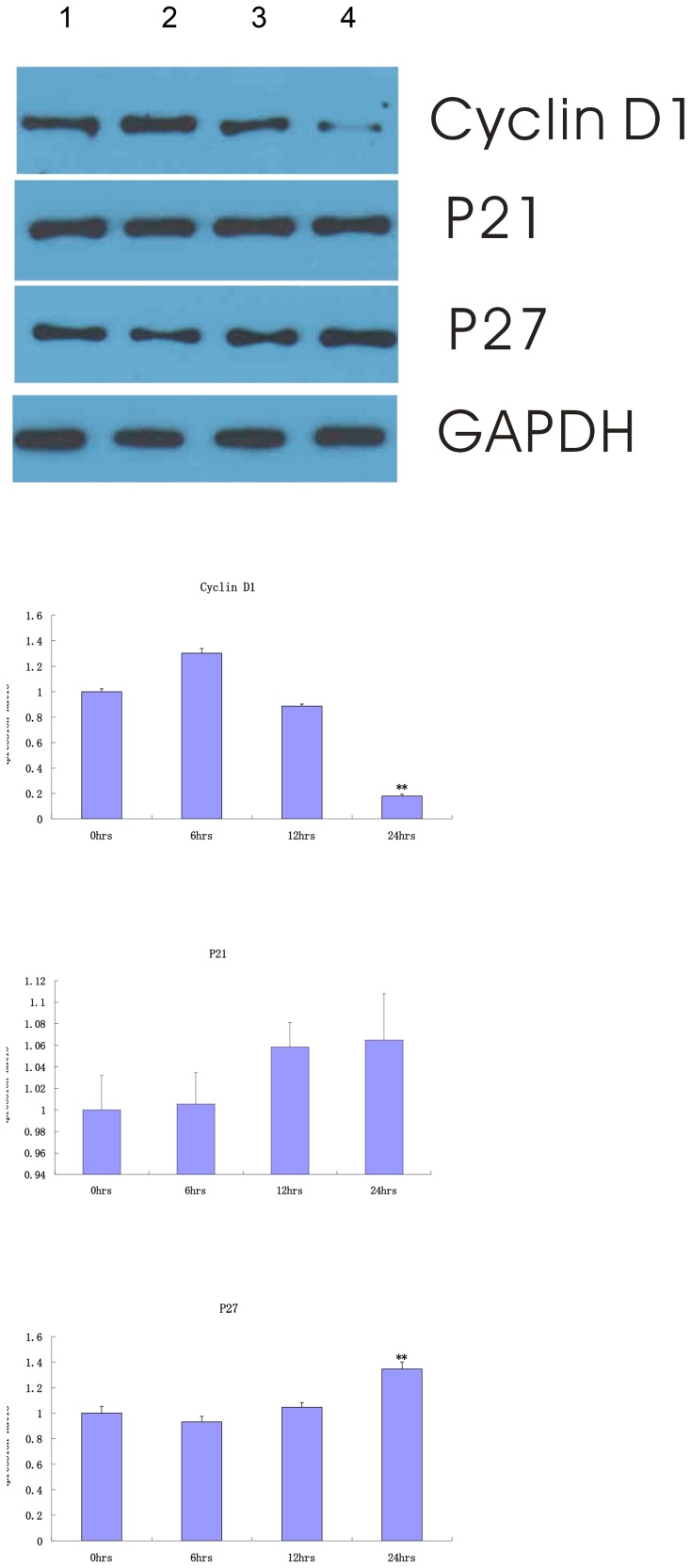
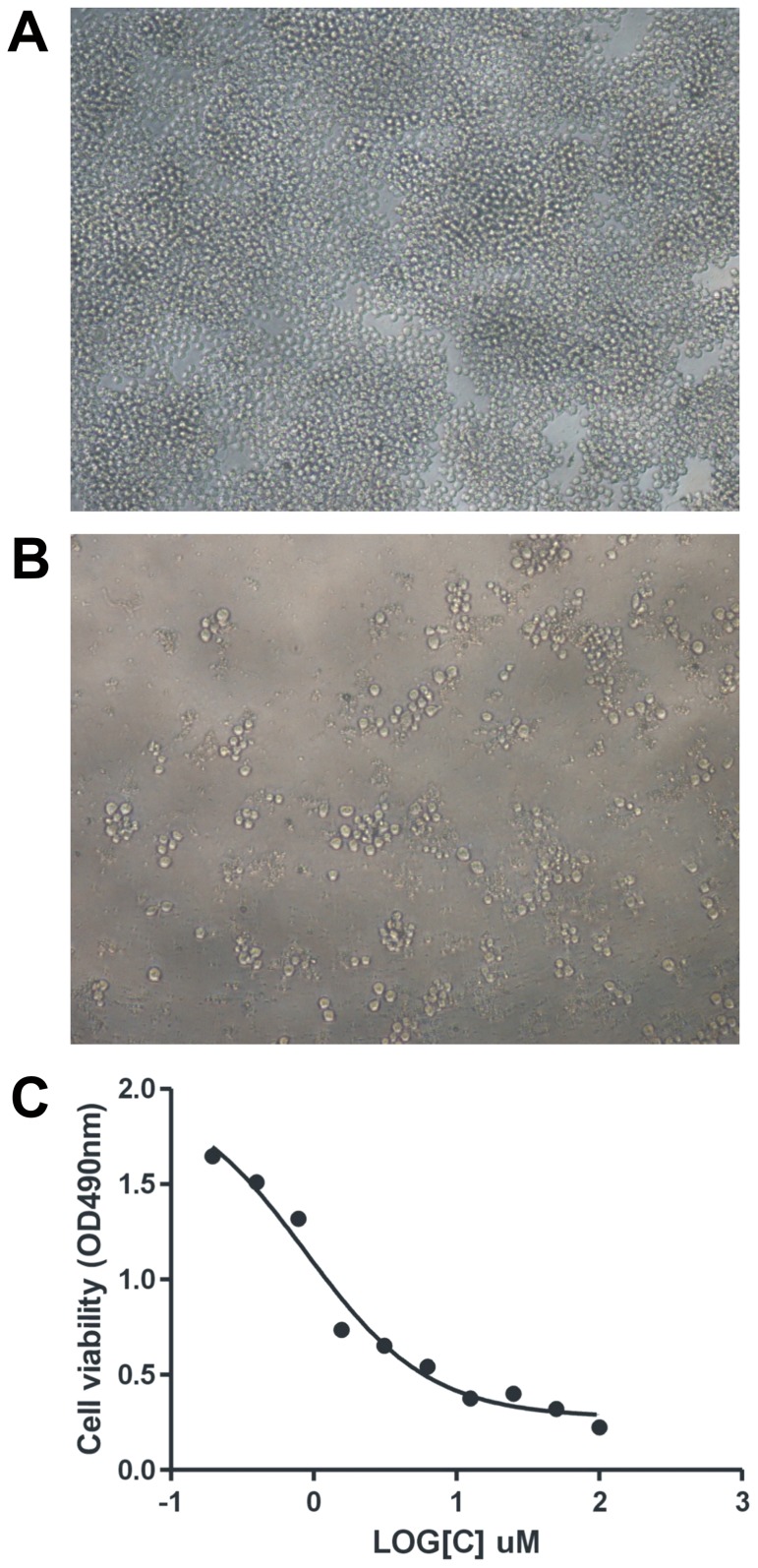
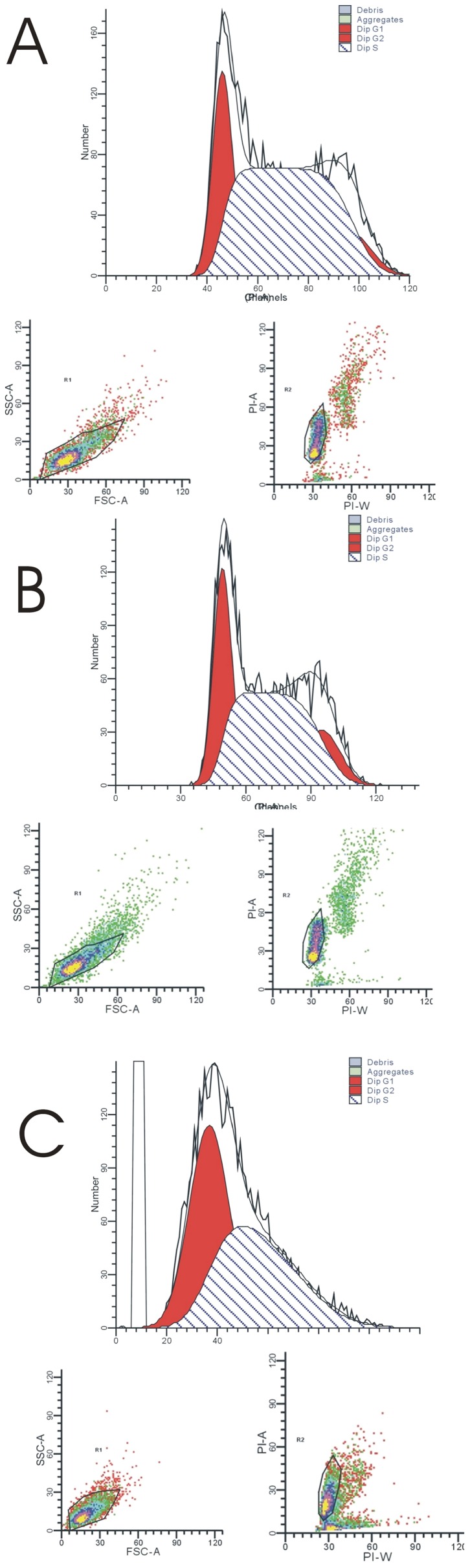
Celastrol is an active compound extracted from the root bark of the traditional Chinese medicine Tripterygium wilfordii Hook F. To investigate the effect of celastrol on human multiple myeloma cell cycle arrest and apoptosis and explore its molecular mechanism of action. The activity of celastrol on LP-1 cell proliferation was detected by WST-8 assay. The celastrol-induced cell cycle arrest was analyzed by flow cytometry after propidium iodide staining. Nuclear translocation of the nuclear factor kappa B (NF-κB) was observed by fluorescence microscope. Celastrol inhibited cell proliferation of LP-1 myeloma cell in a dose-dependent manner with IC50 values of 0.8817 µM, which was mediated through G1 cell cycle arrest and p27 induction. Celastrol induced apoptosis in LP-1 and RPMI 8226 myeloma cells in a time and dose dependent manner, and it involved Caspase-3 activation and NF-κB pathway. Celastrol down-modulated antiapoptotic proteins including Bcl-2 and survivin expression. The expression of NF-κB and IKKa were decreased after celastrol treatment. Celastrol effectively blocked the nuclear translocation of the p65 subunit and induced human multiple myeloma cell cycle arrest and apoptosis by p27 upregulation and NF-kB modulation. It has been demonstrated that the effect of celastrol on NF-kB was HO-1-independent by using zinc protoporphyrin-9 (ZnPPIX), a selective heme oxygenase inhibitor. From the results, it could be inferred that celastrol may be used as a NF-kB inhibitor to inhibit myeloma cell proliferation.
雷公藤红素是从传统中药雷公藤根皮中提取的一种活性化合物。旨在研究雷公藤红素对人多发性骨髓瘤细胞周期阻滞和凋亡的影响,并探讨其分子作用机制。采用WST-8法检测雷公藤红素对LP-1细胞增殖的活性。碘化丙啶染色后,通过流式细胞术分析雷公藤红素诱导的细胞周期阻滞。用荧光显微镜观察核因子κB(NF-κB)的核转位。雷公藤红素以剂量依赖性方式抑制LP-1骨髓瘤细胞的增殖,IC50值为0.8817 μM,这是通过G1期细胞周期阻滞和p27诱导介导的。雷公藤红素以时间和剂量依赖性方式诱导LP-1和RPMI 8226骨髓瘤细胞凋亡,且涉及半胱天冬酶-3激活和NF-κB途径。雷公藤红素下调包括Bcl-2和生存素在内的抗凋亡蛋白表达。雷公藤红素处理后,NF-κB和IKKa的表达降低。雷公藤红素有效阻断p65亚基的核转位,并通过上调p27和调节NF-κB诱导人多发性骨髓瘤细胞周期阻滞和凋亡。使用选择性血红素加氧酶抑制剂锌原卟啉-9(ZnPPIX)已证明雷公藤红素对NF-κB的作用不依赖于血红素加氧酶-1(HO-1)。从结果可以推断,雷公藤红素可作为一种NF-κB抑制剂来抑制骨髓瘤细胞增殖。