Department of Biotechnology, College of Life Sciences and Biotechnology, Korea University, Seoul, Republic of Korea.
PLoS One. 2014 Apr 24;9(4):e96175. doi: 10.1371/journal.pone.0096175. eCollection 2014.
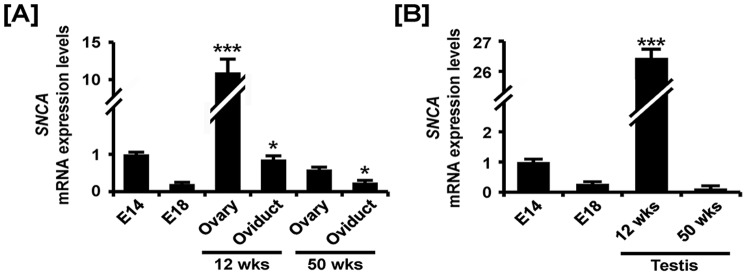
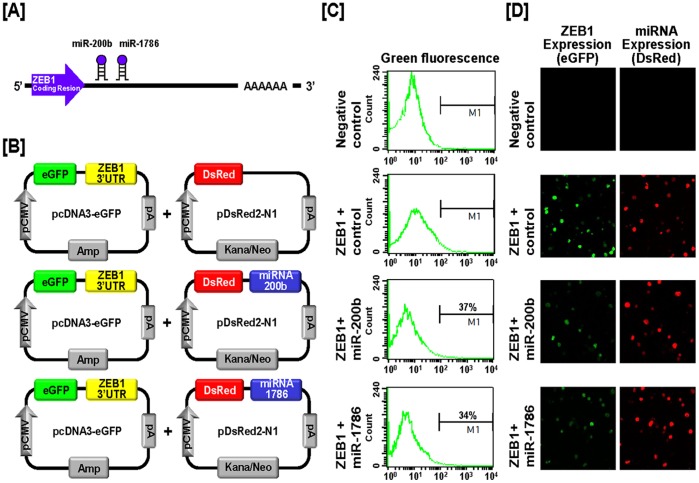
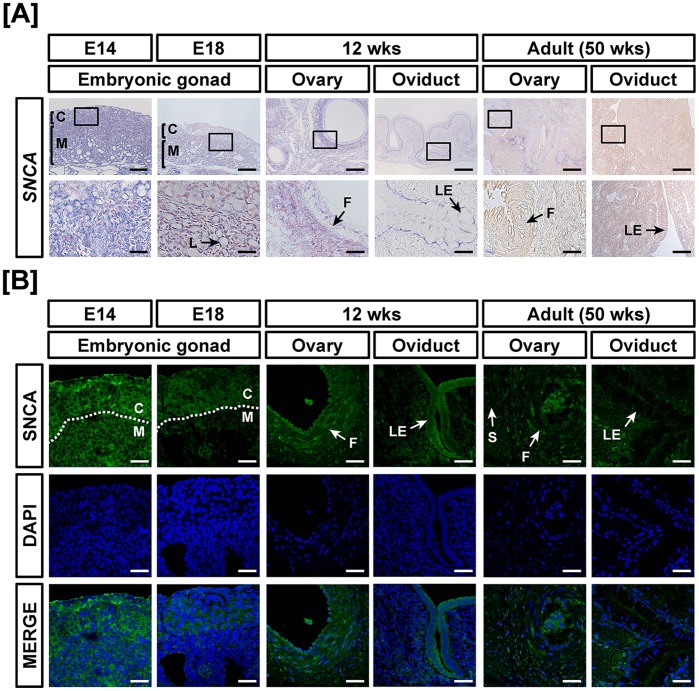
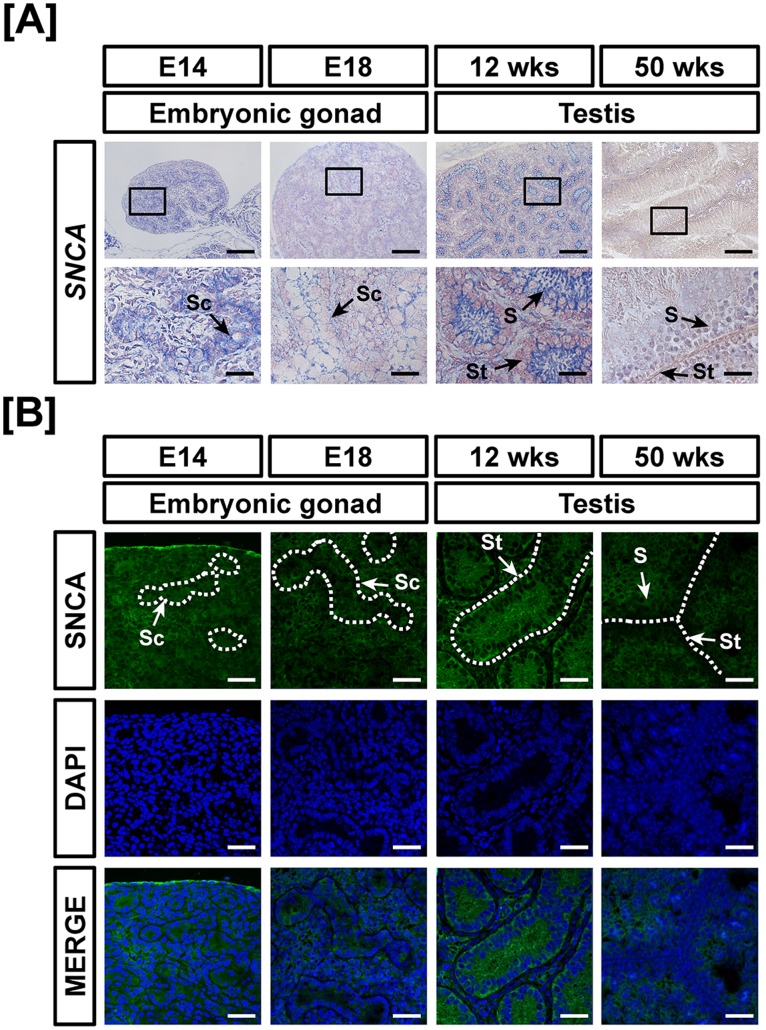
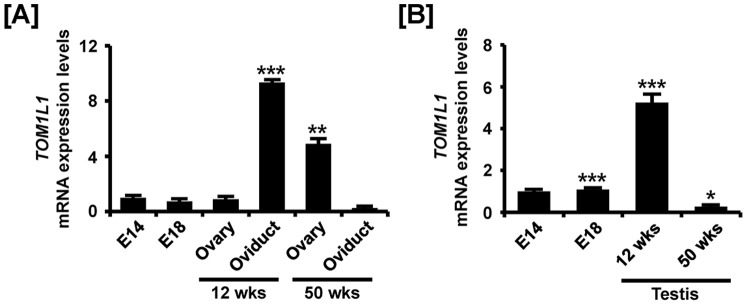
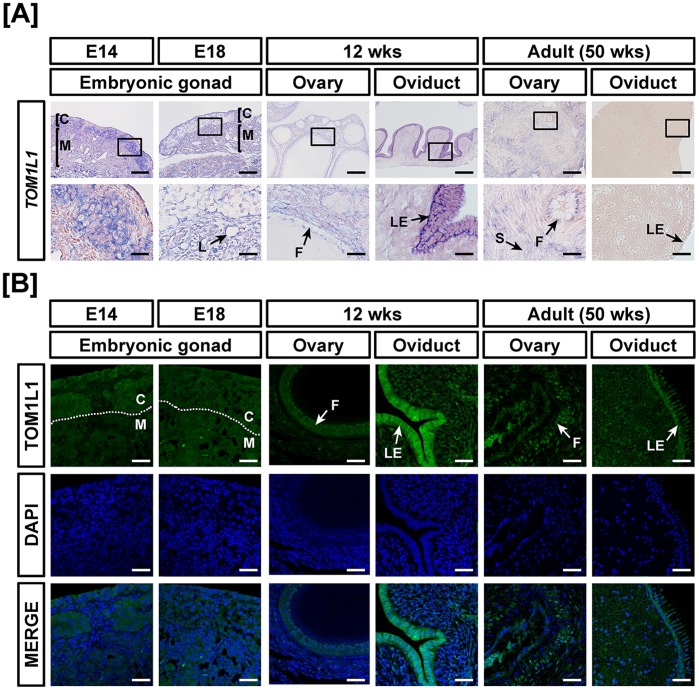
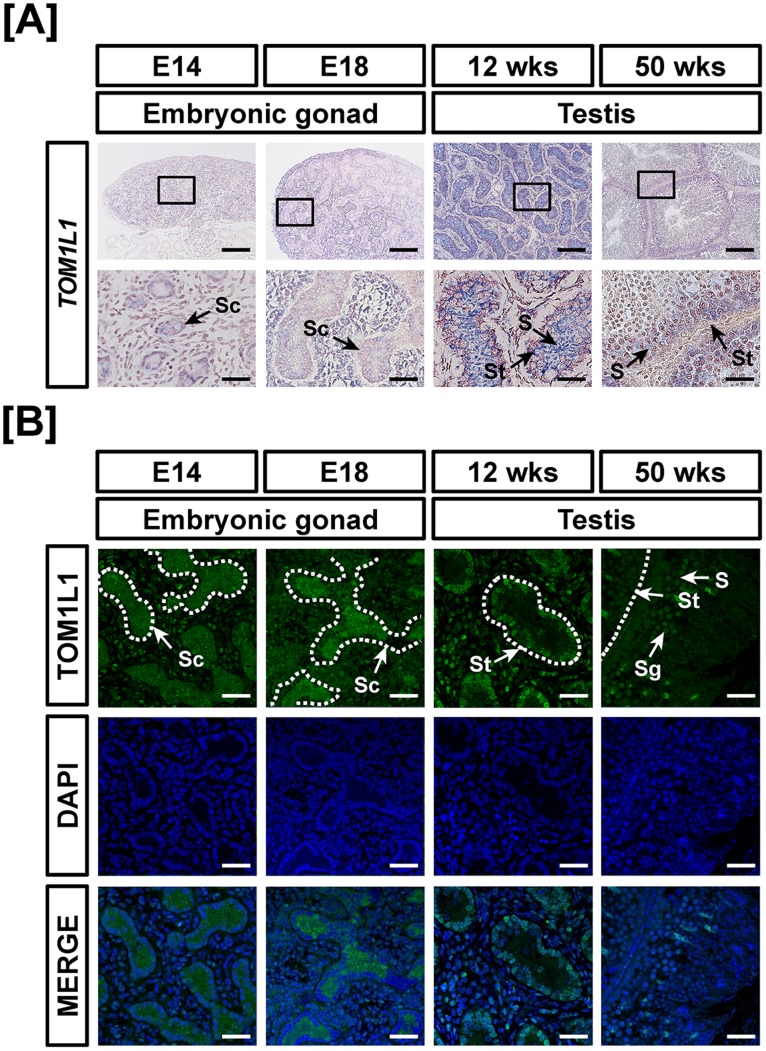
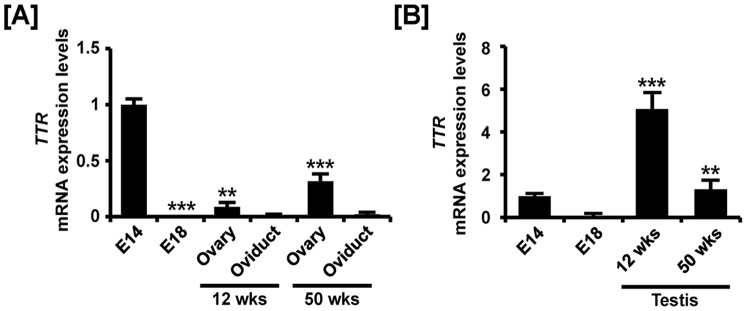
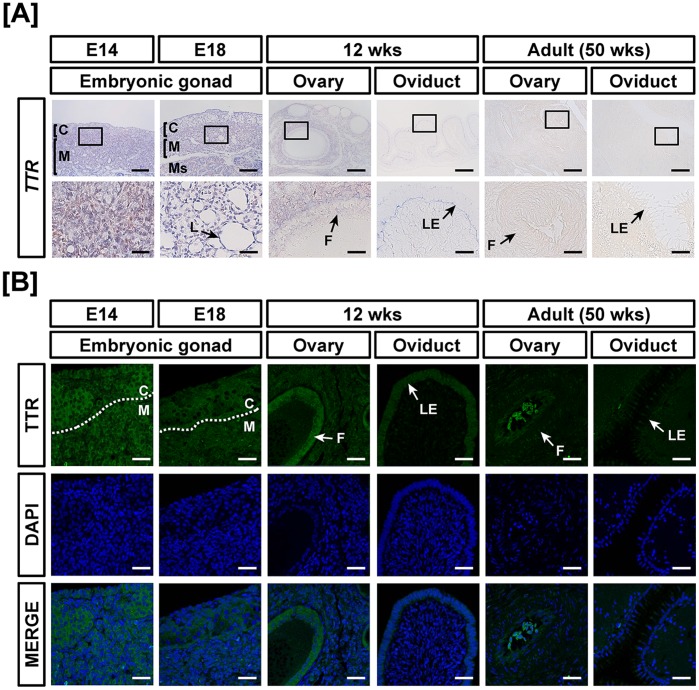
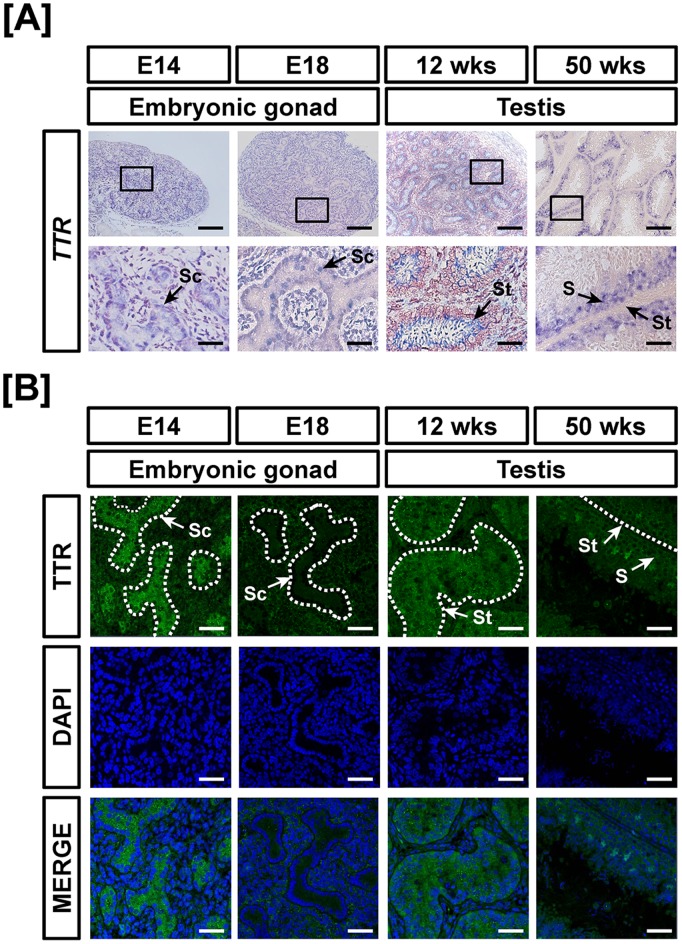
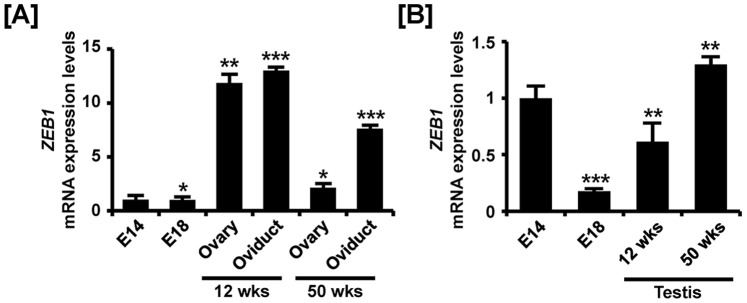
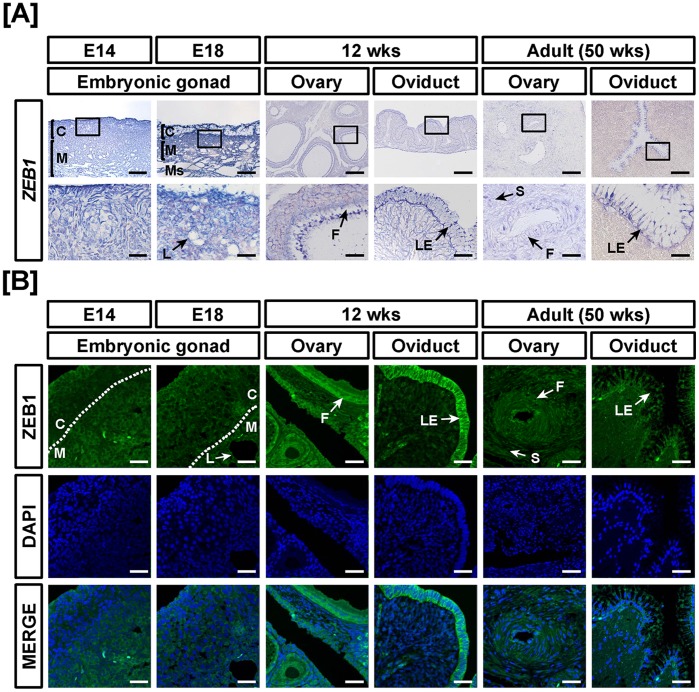
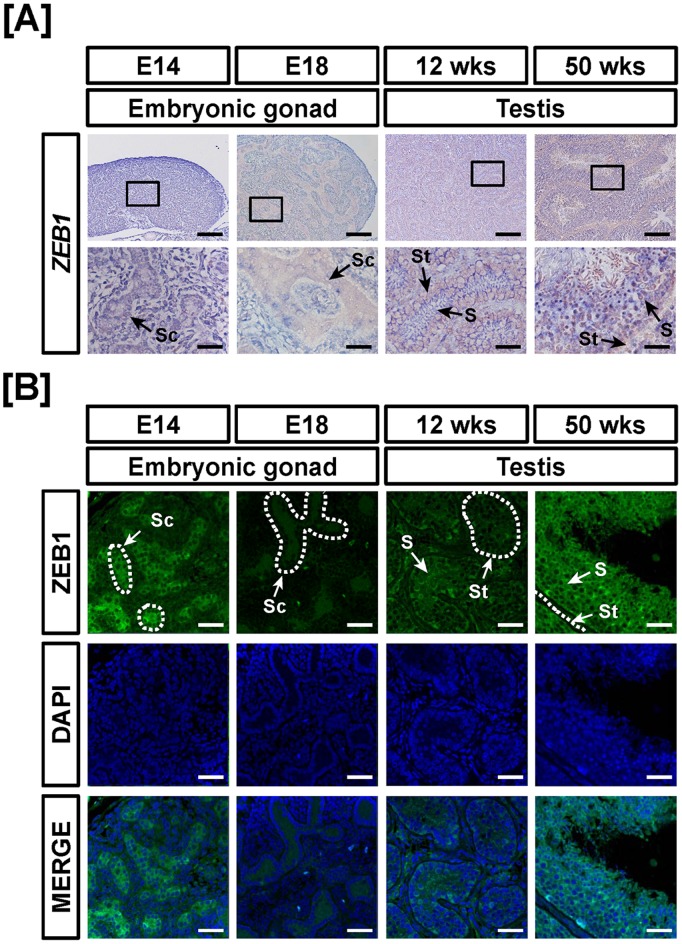
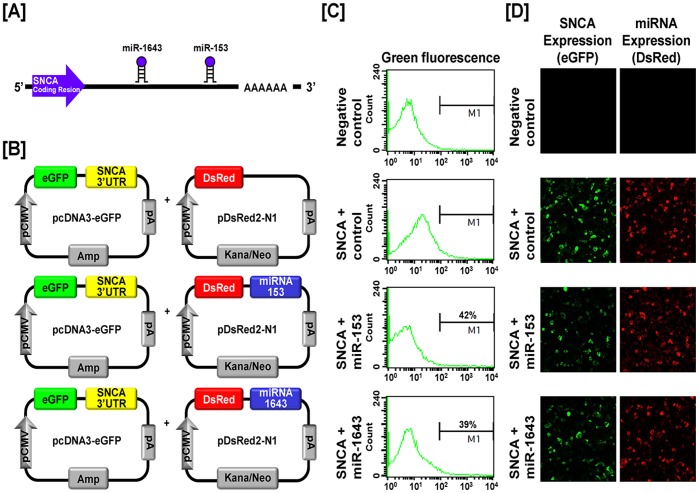
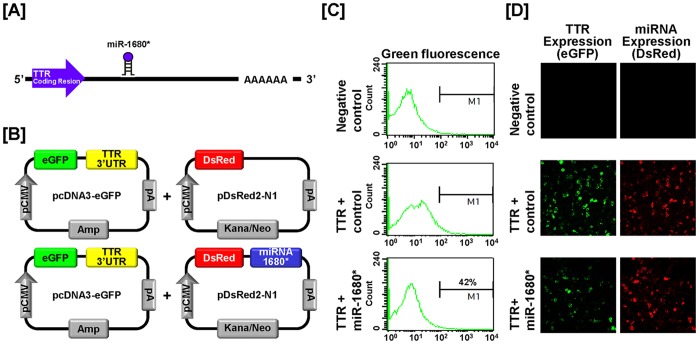
The chicken reproductive system is unique in maintaining its functions including production of eggs or sperm, fertilization of the egg by sperm maintained in sperm nests, production of hormones regulating its growth, development and function, and reproduction. Development of the reproductive organs is a highly regulated process that results in differentiation and proliferation of germ cells in response to predominant regulatory factors such as hormones and transcription factors. However, only a few genes are known to determine morphogenesis of the chicken reproductive tract and their mechanisms are unknown. Therefore, in the present study, we investigated the expression patterns of four genes including SNCA, TOM1L1, TTR and ZEB1 in the gonads at embryonic days 14 and 18, and in immature (12-week-old) and mature (50-week-old) chickens, as well as the reproductive tract including ovary, oviduct and testes of the respective sexes by qRT-PCR, in situ hybridization and immunofluorescence analyses. The expression of SNCA, TOM1L1 and ZEB1 genes was higher in immature and mature female reproductive tracts than expression of TTR. In addition, different temporal and spatial patterns of expression of the four genes were observed during maturation of testis in chickens. Specifically, SNCA, TOM1L1 and TTR were highly expressed in testes of 12-week-old chickens. Moreover, several chicken specific microRNAs (miRs) were demonstrated to affect expression of target gene mRNAs by directly binding to the 3'-UTR of their target genes through actions at the post-transcriptional level as follows: miR-153 and miR-1643 for SNCA; miR-1680* for TTR; and miR-200b and miR-1786 for ZEB1. These results suggest that four-selected genes play an important role in development of the male and female reproductive tract in chickens and expression of most candidate genes is regulated at the post-transcriptional level through specific microRNAs.
鸡的生殖系统在维持其功能方面是独特的,包括生产卵子或精子、精子在精子巢中受精、产生调节其生长、发育和功能的激素以及繁殖。生殖器官的发育是一个高度调控的过程,导致生殖细胞的分化和增殖,以响应主要的调节因子,如激素和转录因子。然而,只有少数基因被认为决定了鸡生殖道的形态发生,其机制尚不清楚。因此,在本研究中,我们通过 qRT-PCR、原位杂交和免疫荧光分析,研究了 SNCA、TOM1L1、TTR 和 ZEB1 这四个基因在胚胎第 14 天和第 18 天的性腺中的表达模式,以及在未成熟(12 周龄)和成熟(50 周龄)鸡的生殖器官(包括卵巢、输卵管和睾丸)中的表达模式,以及在雌性和雄性生殖器官中的表达模式。SNCA、TOM1L1 和 ZEB1 基因在未成熟和成熟的雌性生殖器官中的表达高于 TTR。此外,在鸡睾丸成熟过程中观察到这四个基因的表达具有不同的时空模式。具体而言,SNCA、TOM1L1 和 TTR 在 12 周龄鸡的睾丸中高度表达。此外,还证明了几种鸡特异性 microRNAs(miRs)通过在转录后水平直接与靶基因 3'UTR 结合,从而影响靶基因 mRNA 的表达,具体方式如下:miR-153 和 miR-1643 对 SNCA;miR-1680* 对 TTR;miR-200b 和 miR-1786 对 ZEB1。这些结果表明,四个选定的基因在鸡的雄性和雌性生殖道发育中发挥重要作用,大多数候选基因的表达是通过特异性 microRNAs 进行转录后调控的。