Lois Noemi, McCarter Rachel V, O'Neill Christina, Medina Reinhold J, Stitt Alan W
Centre for Experimental Medicine, School of Medicine, Dentistry and Biomedical Science, Queen's University Belfast, Royal Victoria Hospital , Belfast , UK.
Front Endocrinol (Lausanne). 2014 Apr 9;5:44. doi: 10.3389/fendo.2014.00044. eCollection 2014.
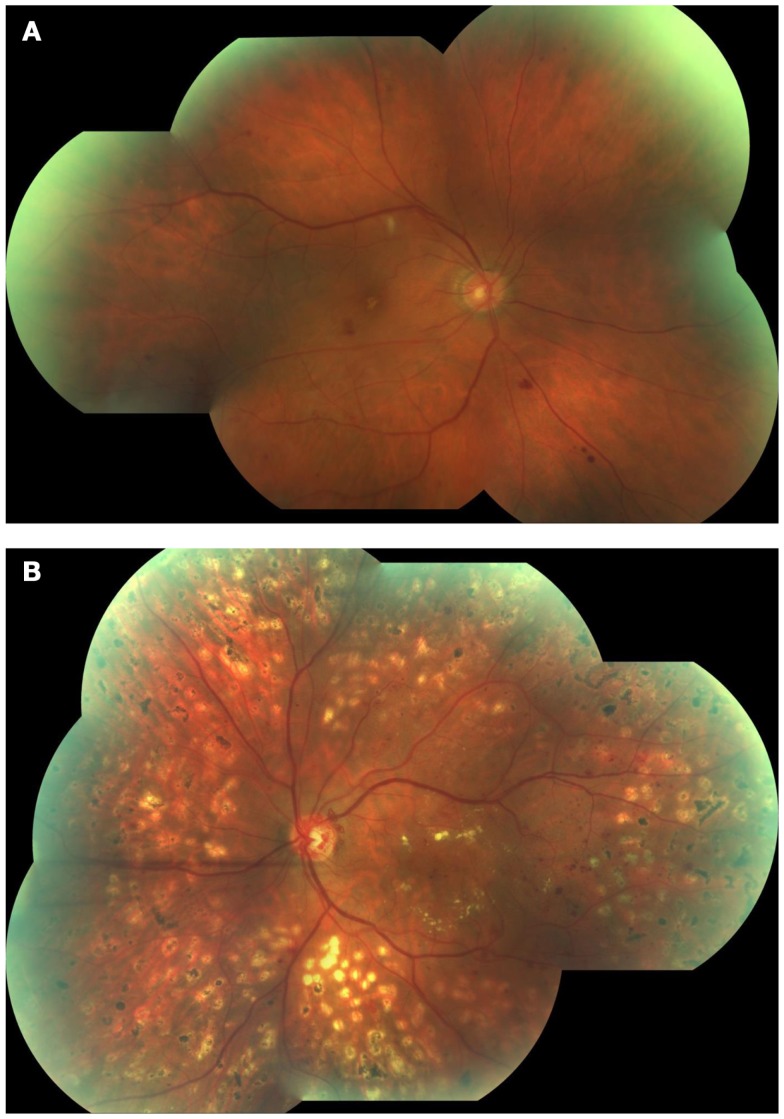
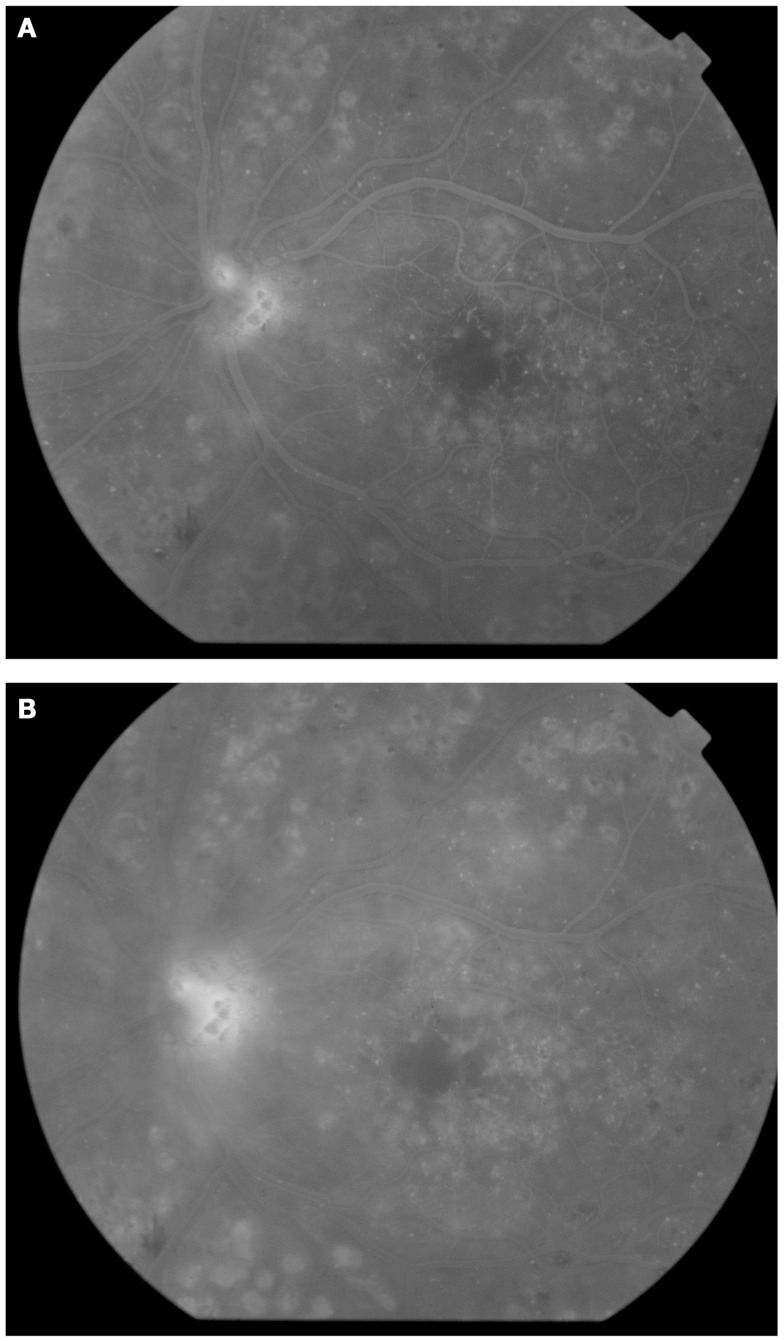
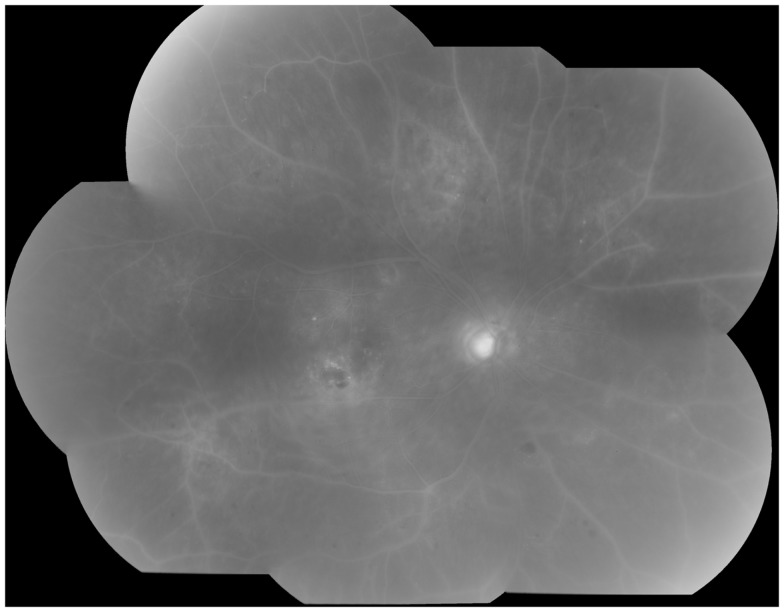
Diabetic retinopathy (DR) is a leading cause of visual impairment worldwide. Patients with DR may irreversibly lose sight as a result of the development of diabetic macular edema (DME) and/or proliferative diabetic retinopathy (PDR); retinal blood vessel dysfunction and degeneration plays an essential role in their pathogenesis. Although new treatments have been recently introduced for DME, including intravitreal vascular endothelial growth factor inhibitors (anti-VEGFs) and steroids, a high proportion of patients (~40-50%) do not respond to these therapies. Furthermore, for people with PDR, laser photocoagulation remains a mainstay therapy despite this being an inherently destructive procedure. Endothelial progenitor cells (EPCs) are a low-frequency population of circulating cells known to be recruited to sites of vessel damage and tissue ischemia where they promote vascular healing and re-perfusion. A growing body of evidence suggests that the number and function of EPCs are altered in patients with varying degrees of diabetes duration, metabolic control, and in the presence or absence of DR. Although there are no clear-cut outcomes from these clinical studies, there is mounting evidence that some EPC sub-types may be involved in the pathogenesis of DR and may also serve as biomarkers for disease progression and stratification. Moreover, some EPC sub-types have considerable potential as therapeutic modalities for DME and PDR in the context of cell therapy. This study presents basic clinical concepts of DR and combines this with a general insight on EPCs and their relation to future directions in understanding and treating this important diabetic complication.
糖尿病视网膜病变(DR)是全球视力损害的主要原因。DR患者可能会因糖尿病性黄斑水肿(DME)和/或增殖性糖尿病视网膜病变(PDR)的发展而不可逆转地失明;视网膜血管功能障碍和变性在其发病机制中起着至关重要的作用。尽管最近已引入针对DME的新治疗方法,包括玻璃体内血管内皮生长因子抑制剂(抗VEGF)和类固醇,但仍有很大比例的患者(约40-50%)对这些疗法无反应。此外,对于PDR患者,尽管激光光凝术本质上是一种破坏性手术,但它仍然是主要的治疗方法。内皮祖细胞(EPC)是循环细胞中的低频群体,已知可被募集到血管损伤和组织缺血部位,在那里它们促进血管愈合和再灌注。越来越多的证据表明,在糖尿病病程、代谢控制程度不同以及存在或不存在DR的患者中,EPC的数量和功能会发生改变。尽管这些临床研究没有明确的结果,但越来越多的证据表明,一些EPC亚型可能参与DR的发病机制,也可能作为疾病进展和分层的生物标志物。此外,在细胞治疗的背景下,一些EPC亚型作为DME和PDR的治疗方式具有相当大的潜力。本研究介绍了DR的基本临床概念,并将其与对EPC及其与理解和治疗这一重要糖尿病并发症未来方向的关系的一般见解相结合。