Myoga Michael H, Lehnert Simon, Leibold Christian, Felmy Felix, Grothe Benedikt
Division of Neurobiology, Department Biologie II, Ludwig-Maximilians-Universität München, Großhaderner Straße 2, Planegg-Martinsried D-82152, Germany.
1] Division of Neurobiology, Department Biologie II, Ludwig-Maximilians-Universität München, Großhaderner Straße 2, Planegg-Martinsried D-82152, Germany [2] BioImaging Zentrum, Ludwig-Maximilians-Universität München, Großhaderner Straße 2, Planegg-Martinsried D-82152, Germany [3].
Nat Commun. 2014 May 7;5:3790. doi: 10.1038/ncomms4790.
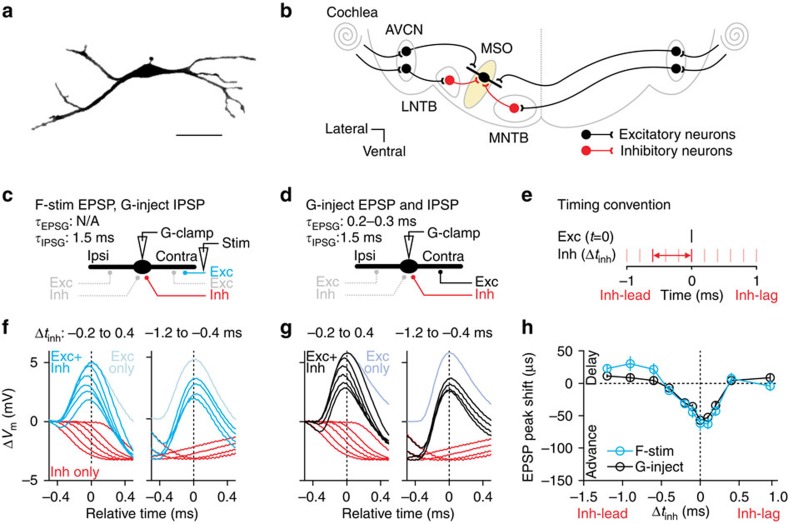
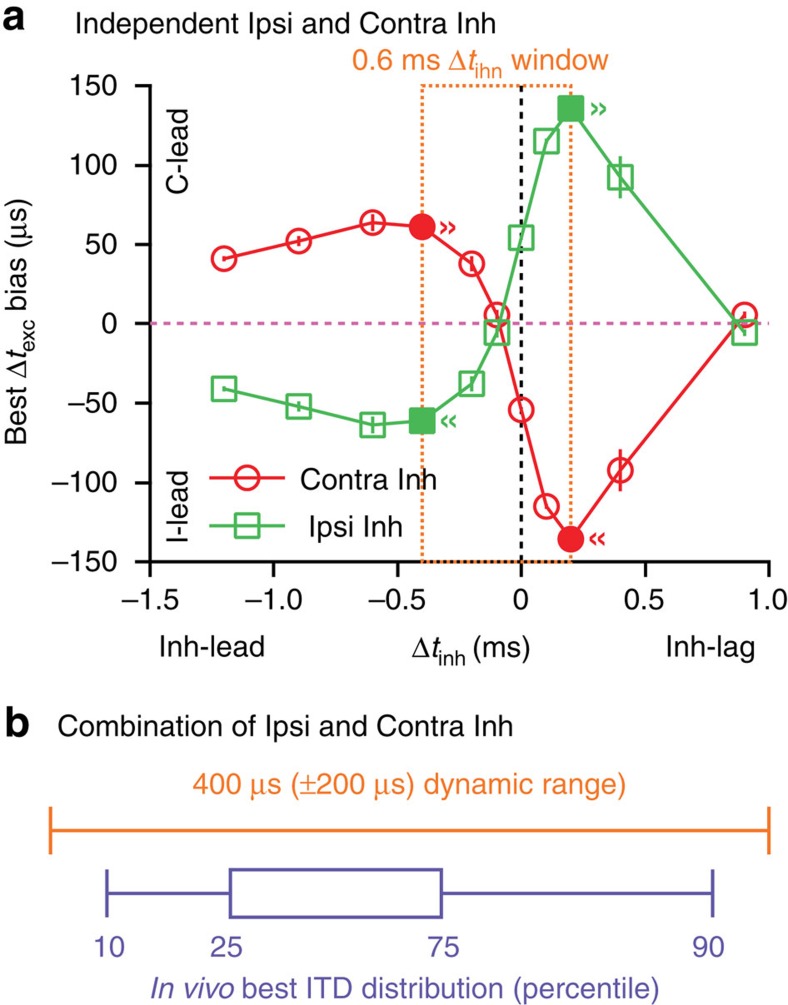
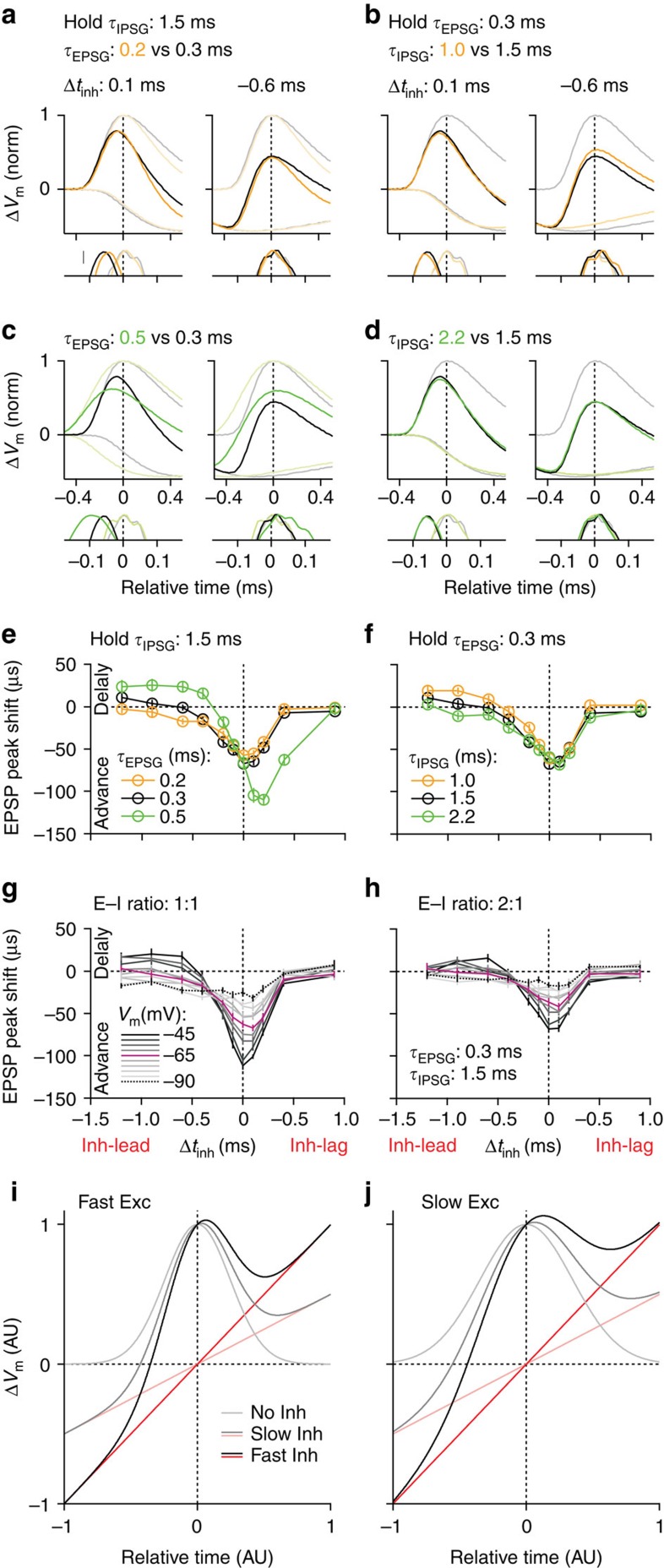
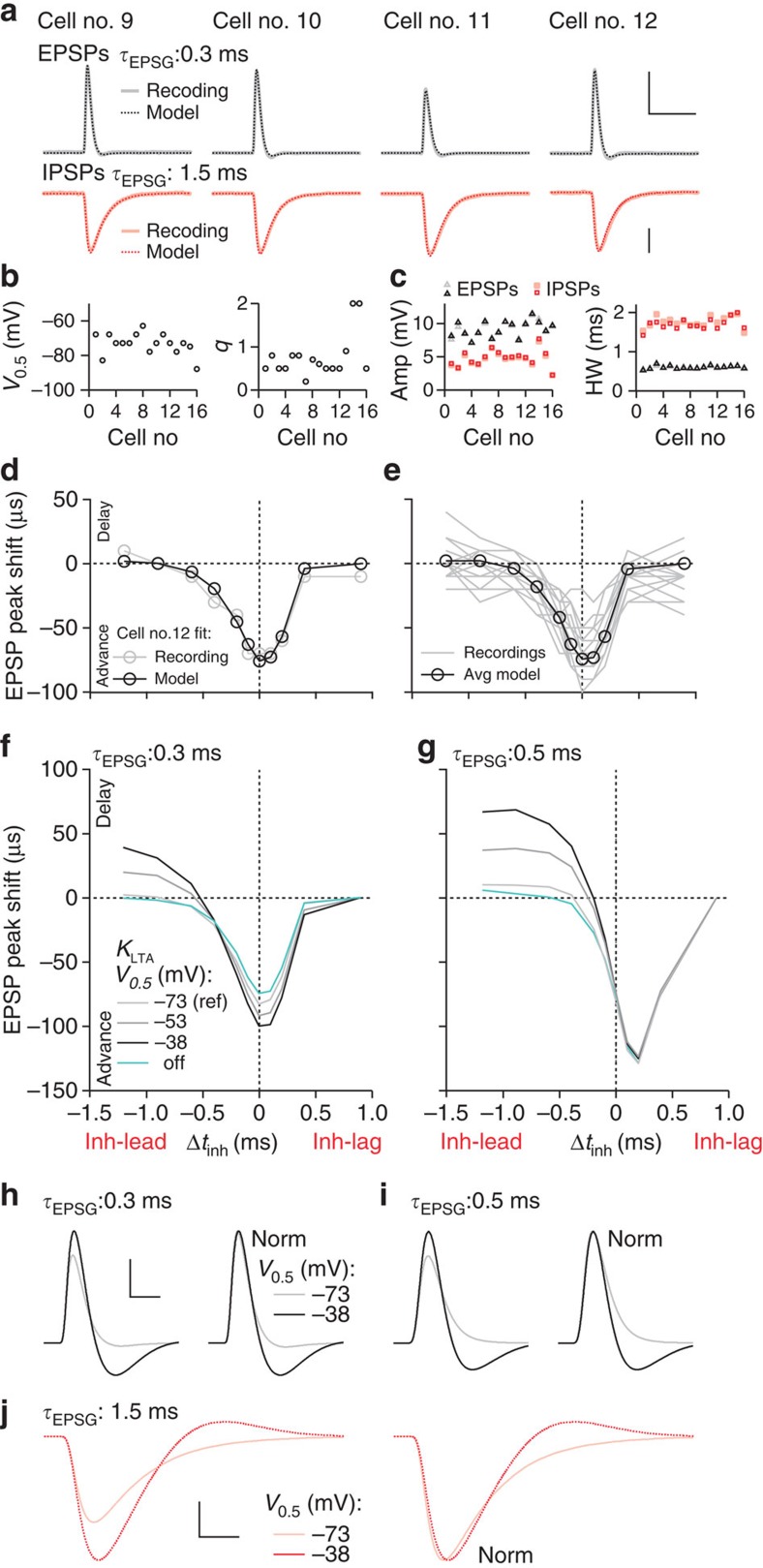
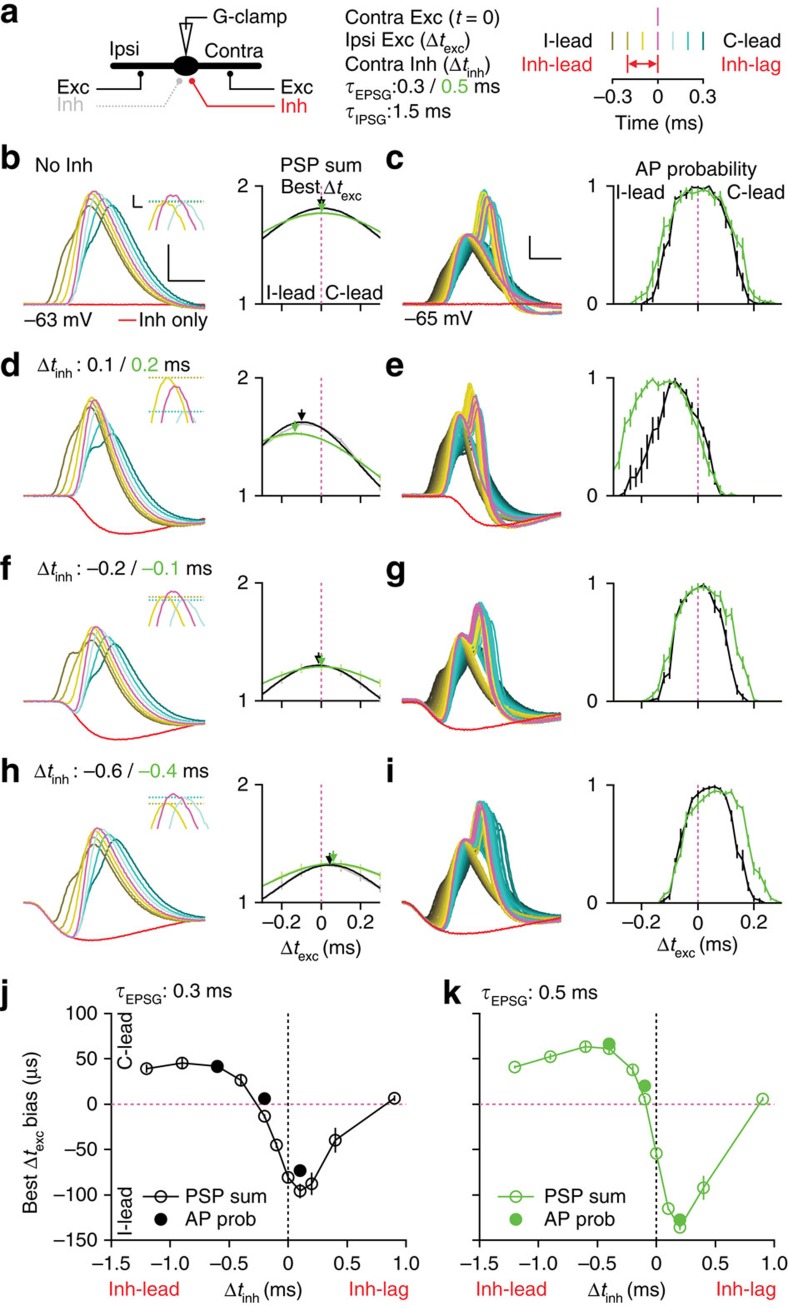
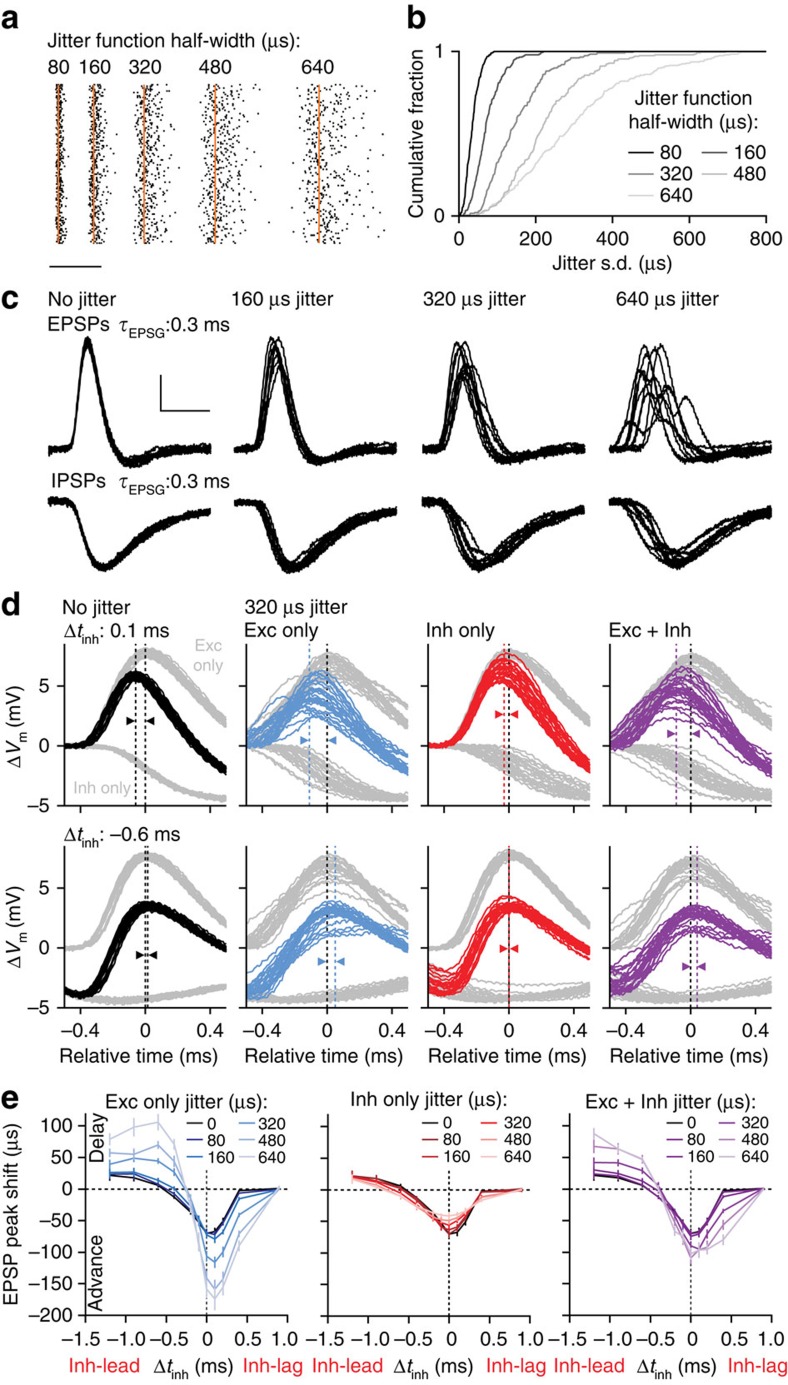
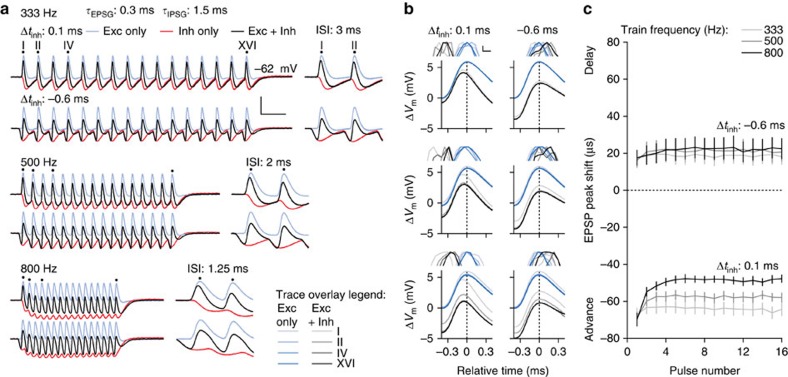
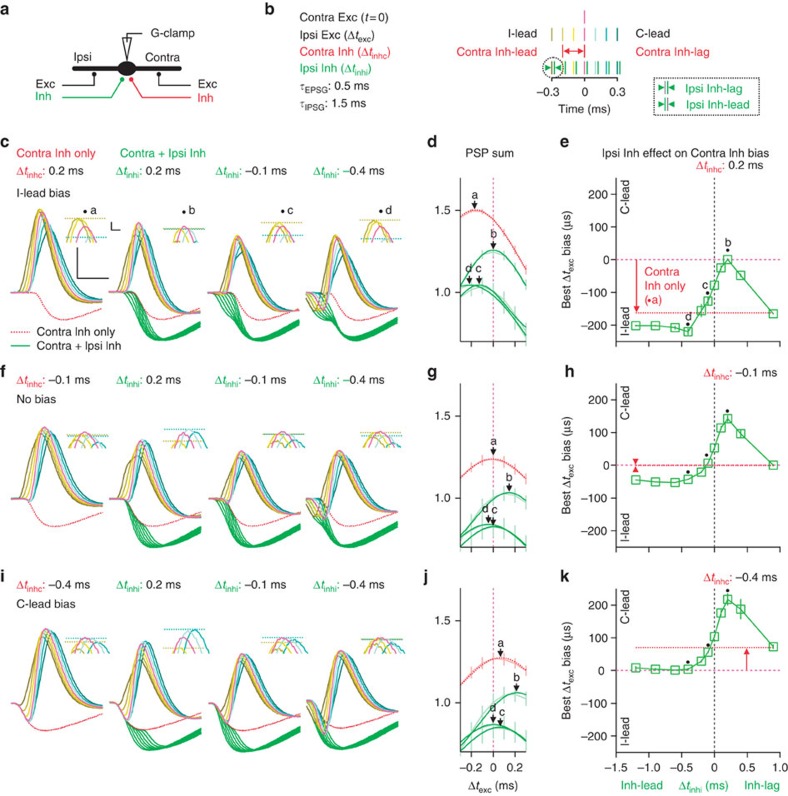
Neurons in the medial superior olive (MSO) detect microsecond differences in the arrival time of sounds between the ears (interaural time differences or ITDs), a crucial binaural cue for sound localization. Synaptic inhibition has been implicated in tuning ITD sensitivity, but the cellular mechanisms underlying its influence on coincidence detection are debated. Here we determine the impact of inhibition on coincidence detection in adult Mongolian gerbil MSO brain slices by testing precise temporal integration of measured synaptic responses using conductance-clamp. We find that inhibition dynamically shifts the peak timing of excitation, depending on its relative arrival time, which in turn modulates the timing of best coincidence detection. Inhibitory control of coincidence detection timing is consistent with the diversity of ITD functions observed in vivo and is robust under physiologically relevant conditions. Our results provide strong evidence that temporal interactions between excitation and inhibition on microsecond timescales are critical for binaural processing.
内侧上橄榄核(MSO)中的神经元能够检测声音到达两耳的时间差异(耳间时间差或ITD),精确到微秒级别,这是声音定位的关键双耳线索。突触抑制被认为与调节ITD敏感性有关,但关于其影响同时性检测的细胞机制仍存在争议。在这里,我们通过使用电压钳测试测量到的突触反应的精确时间整合,来确定抑制对成年蒙古沙鼠MSO脑片同时性检测的影响。我们发现,抑制会根据其相对到达时间动态地改变兴奋的峰值时间,进而调节最佳同时性检测的时间。同时性检测时间的抑制性控制与体内观察到的ITD功能多样性一致,并且在生理相关条件下具有稳健性。我们的结果提供了强有力的证据,表明在微秒时间尺度上兴奋与抑制之间的时间相互作用对于双耳处理至关重要。