Stockley Jacqueline, Villasevil M Eugenia M, Nixon Colin, Ahmad Imran, Leung Hing Y, Rajan Prabhakar
Institute of Cancer Sciences; College of Medical, Veterinary, and Life Sciences; University of Glasgow; Cancer Research UK Beatson Institute; Bearsden, UK.
Cancer Research UK Beatson Institute; The Beatson Institute for Cancer Research; Bearsden, UK.
RNA Biol. 2014;11(6):755-65. doi: 10.4161/rna.28800. Epub 2014 Apr 24.
The RNA-binding protein hnRNPA2 (HNRNPA2B1) is upregulated in cancer, where it controls alternative pre-mRNA splicing of cancer-relevant genes. Cytoplasmic hnRNPA2 is reported in aggressive cancers, but is functionally uncharacterized. We explored the role of hnRNPA2 in prostate cancer (PCa).
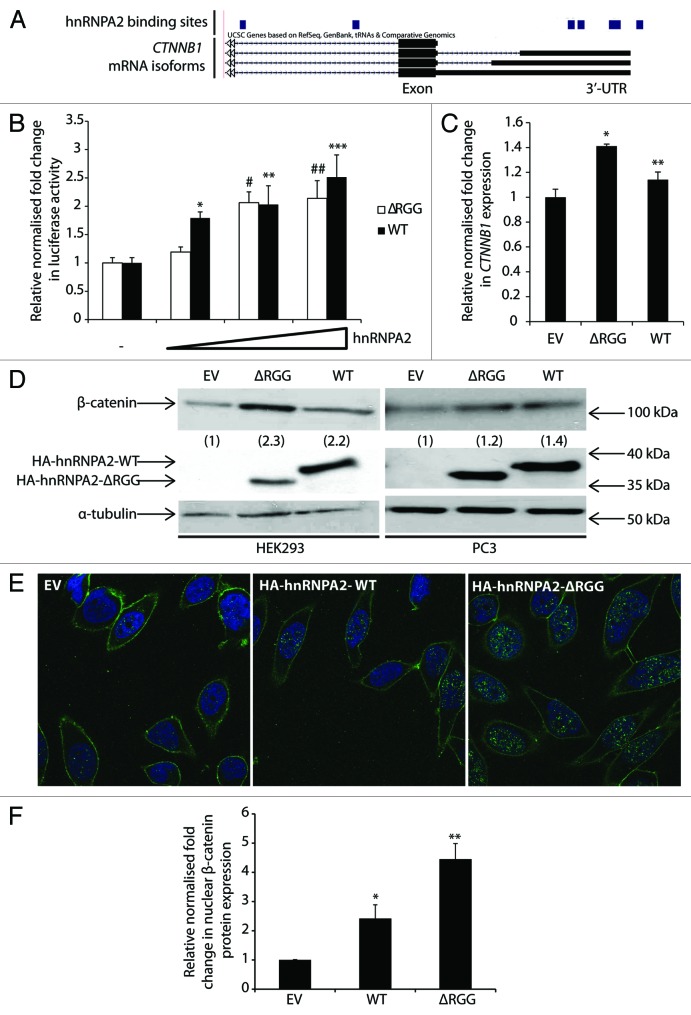
hnRNPA2 function/localization/expression in PCa was determined using biochemical approaches (colony forming/proliferation/luciferase reporter assays/flow cytometry/immunohistocytochemistry). Binding of hnRNPA2 within cancer-relevant 3'-UTR mRNAs was identified by bioinformatics.
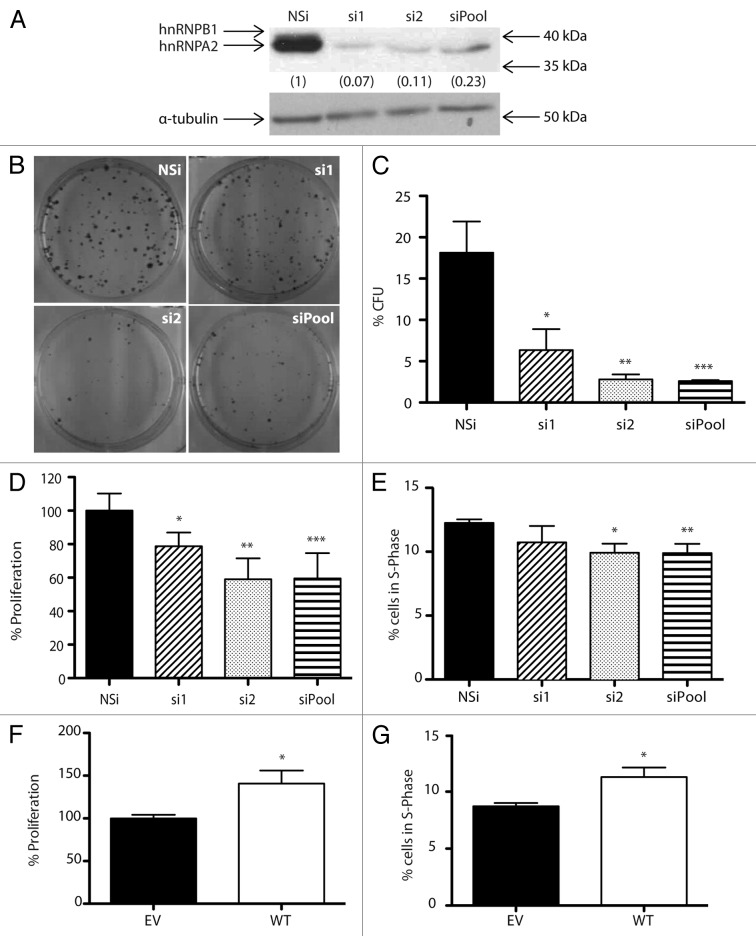
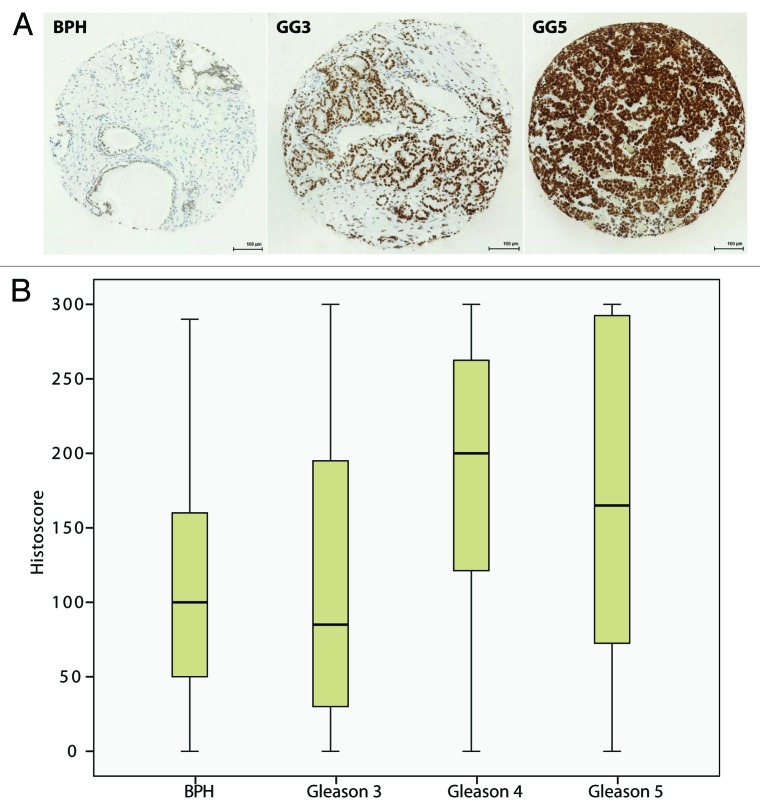
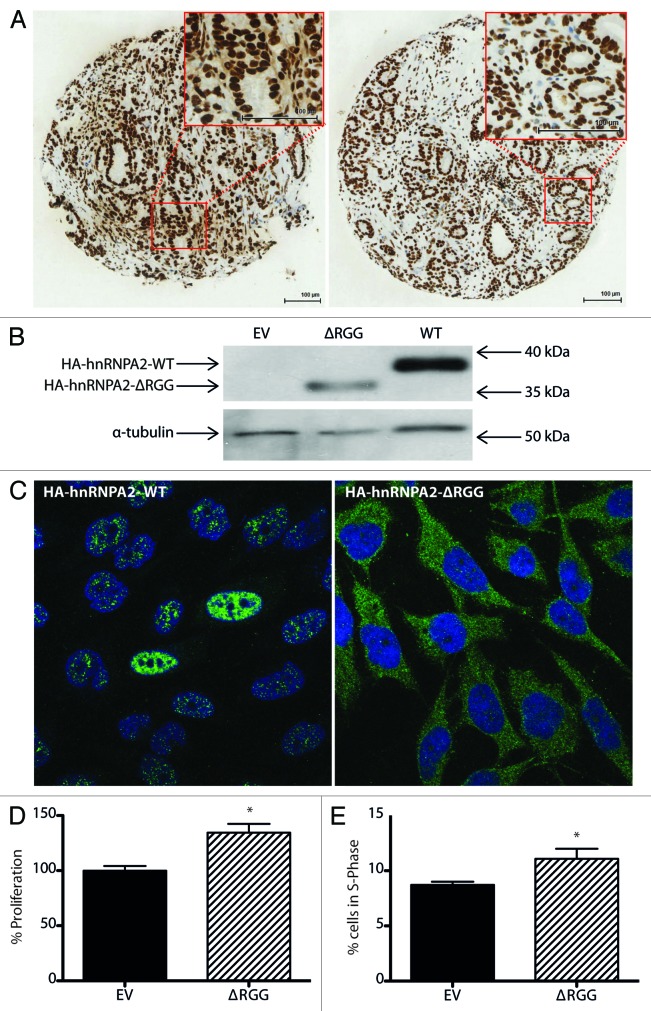
RNAi-mediated knockdown of hnRNPA2 reduced colony forming and proliferation, while hnRNPA2 overexpression increased proliferation of PCa cells. Nuclear hnRNPA2 is overexpressed in high-grade clinical PCa, and is also observed in the cytoplasm in some cases. Ectopic expression of a predominantly cytoplasmic variant hnRNPA2-ΔRGG also increased PCa cell proliferation, suggesting that cytoplasmic hnRNPA2 may also be functionally relevant in PCa. Consistent with its known cytoplasmic roles, hnRNPA2 was associated with 3'-UTR mRNAs of several cancer-relevant mRNAs including β-catenin (CTNNB1). Both wild-type hnRNPA2 and hnRNPA2-ΔRGG act on CTNNB1 3'-UTR mRNA, increasing endogenous CTNNB1 mRNA expression and β-catenin protein expression and nuclear localization.
Nuclear and cytoplasmic hnRNPA2 are present in PCa and appear to be functionally important. Cytoplasmic hnRNPA2 may affect the cancer cell phenotype through 3'-UTR mRNA-mediated regulation of β-catenin expression and other cancer-relevant genes.
RNA结合蛋白hnRNPA2(HNRNPA2B1)在癌症中上调,它在癌症中控制与癌症相关基因的前体mRNA可变剪接。侵袭性癌症中报道有细胞质hnRNPA2,但功能尚未明确。我们探究了hnRNPA2在前列腺癌(PCa)中的作用。
采用生化方法(集落形成/增殖/荧光素酶报告基因检测/流式细胞术/免疫组织化学)确定hnRNPA2在PCa中的功能/定位/表达。通过生物信息学鉴定hnRNPA2在与癌症相关的3'-UTR mRNA中的结合情况。
RNA干扰介导的hnRNPA2敲低减少了集落形成和增殖,而hnRNPA2过表达增加了PCa细胞的增殖。核hnRNPA2在高级别临床PCa中过表达,在某些情况下也在细胞质中观察到。主要定位于细胞质的变体hnRNPA2-ΔRGG的异位表达也增加了PCa细胞的增殖,表明细胞质hnRNPA2在PCa中可能也具有功能相关性。与其已知的细胞质作用一致,hnRNPA2与包括β-连环蛋白(CTNNB1)在内的几种与癌症相关的mRNA的3'-UTR mRNA相关。野生型hnRNPA2和hnRNPA2-ΔRGG均作用于CTNNB1 3'-UTR mRNA,增加内源性CTNNB1 mRNA表达、β-连环蛋白蛋白表达和核定位。
PCa中存在核和细胞质hnRNPA2,且似乎具有重要功能。细胞质hnRNPA2可能通过3'-UTR mRNA介导的β-连环蛋白表达调控及其他与癌症相关的基因来影响癌细胞表型。