Department of Biomedical Engineering, University of Michigan Ann Arbor, MI, USA.
School of Kinesiology, University of Michigan Ann Arbor, MI, USA.
Front Hum Neurosci. 2014 May 8;8:288. doi: 10.3389/fnhum.2014.00288. eCollection 2014.
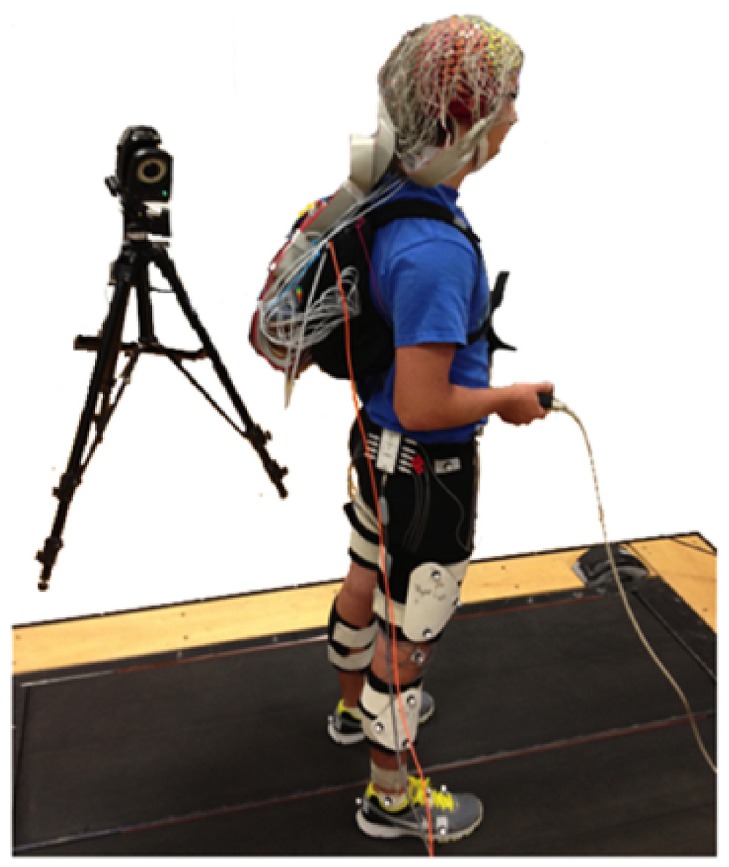
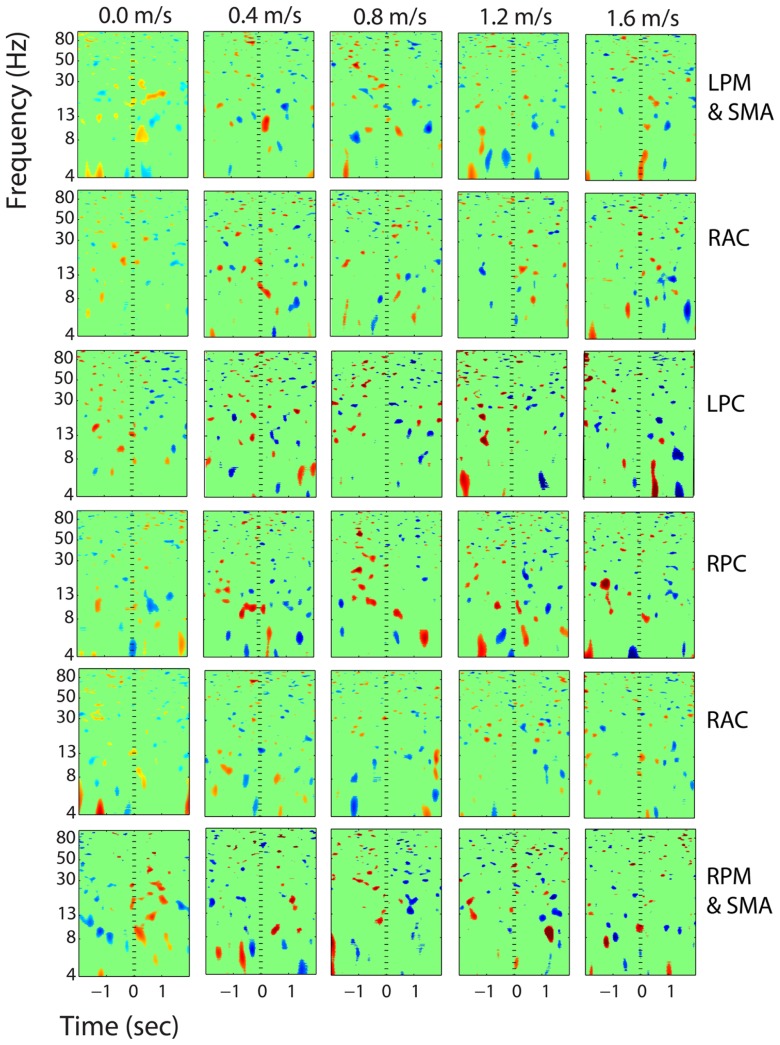
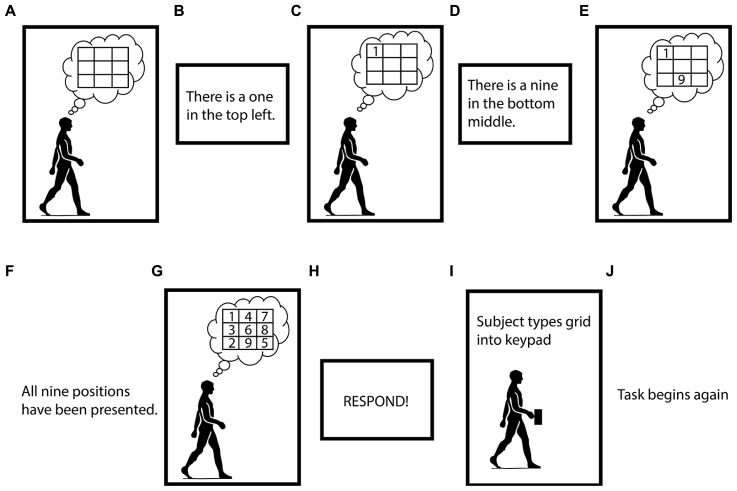
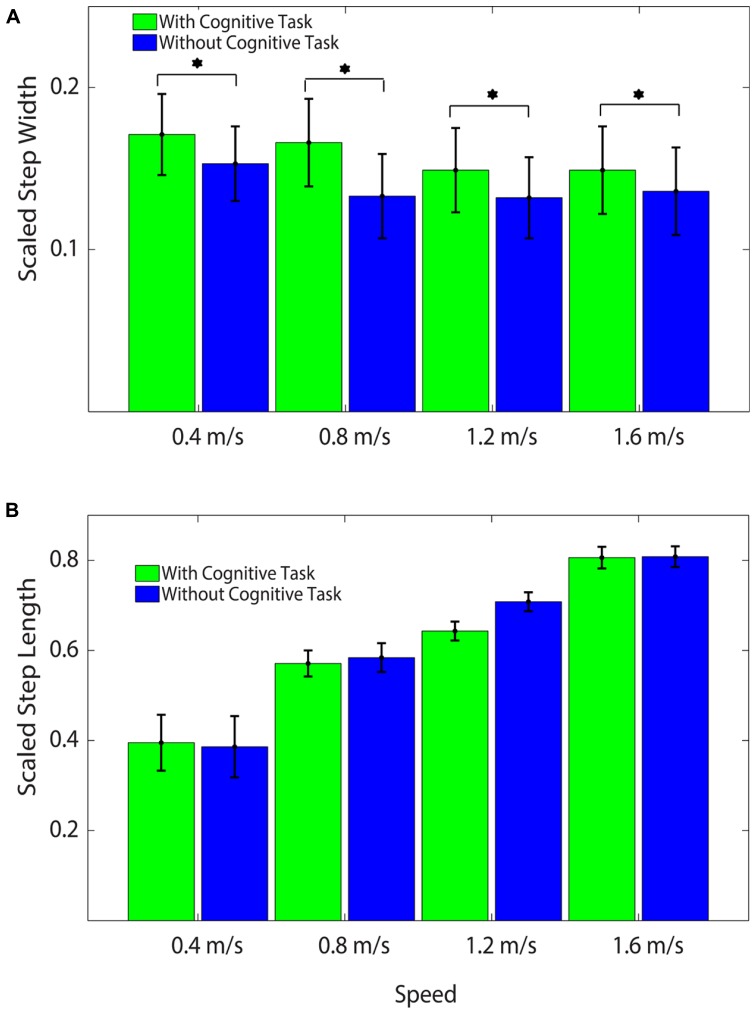
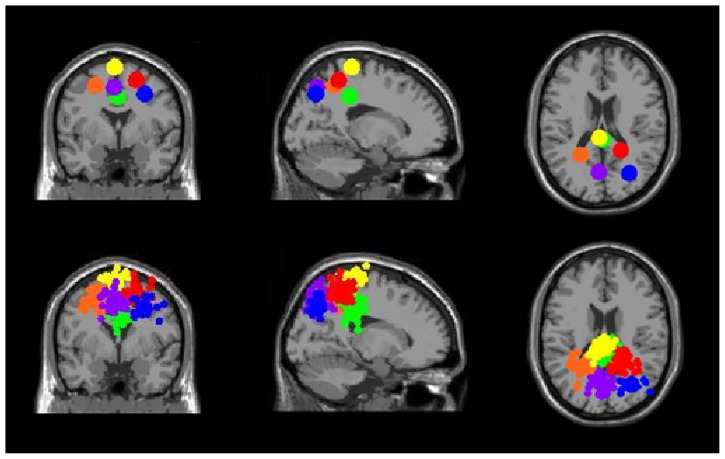
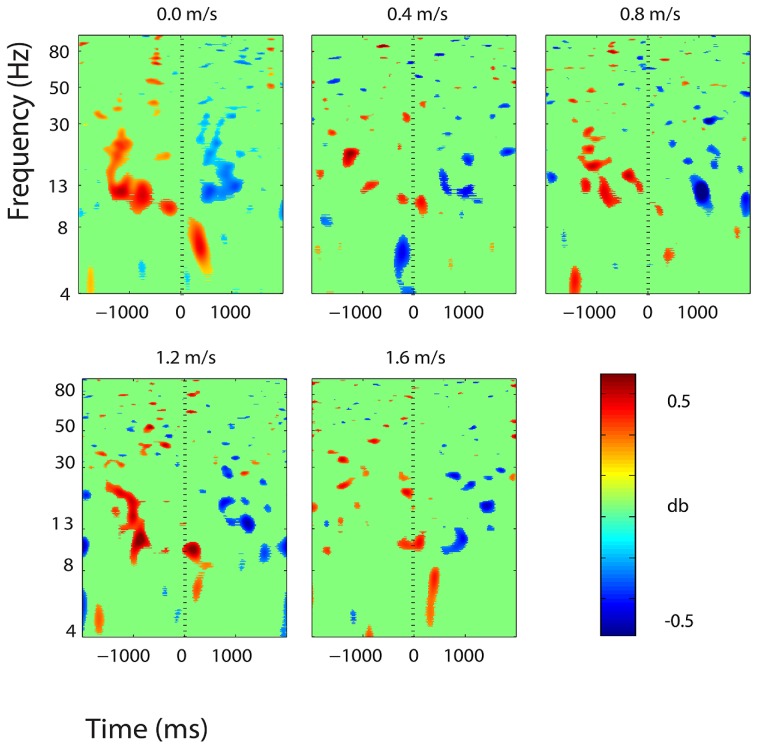
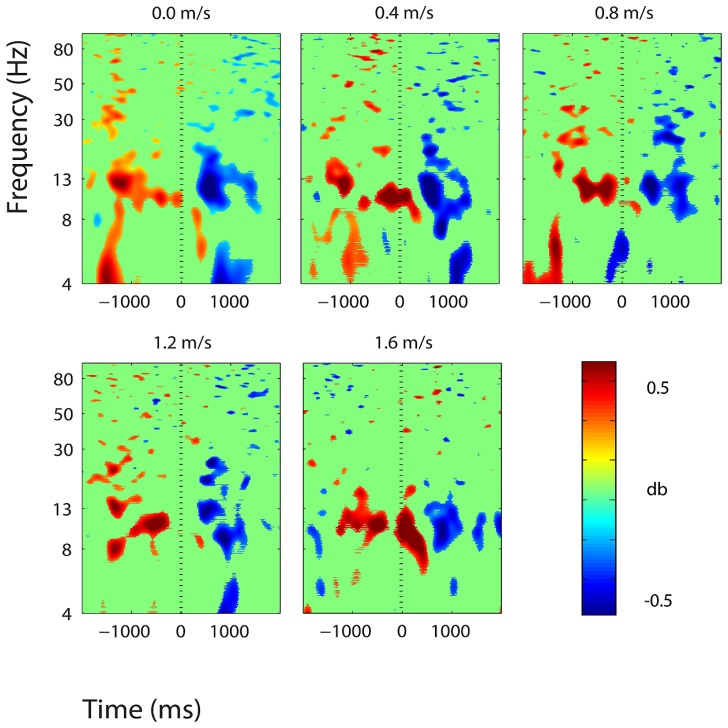
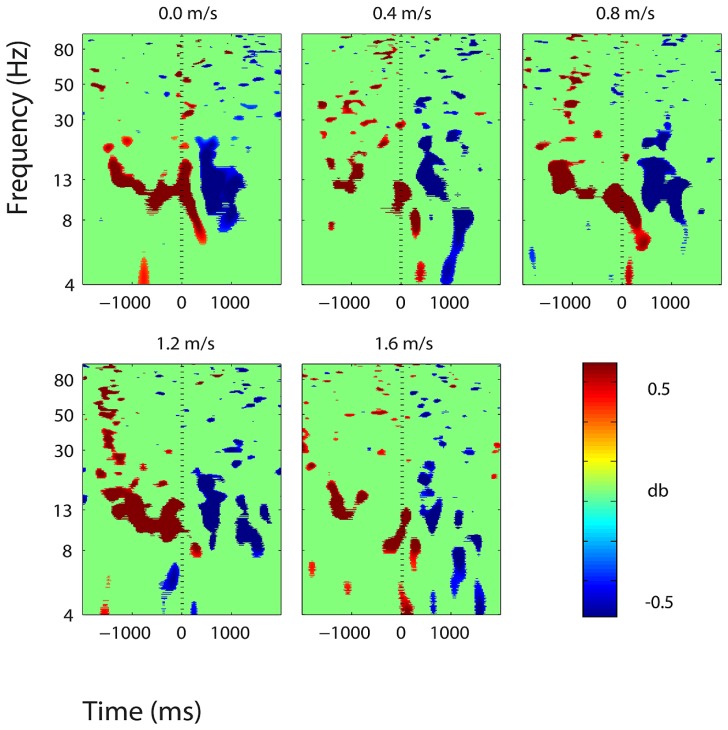
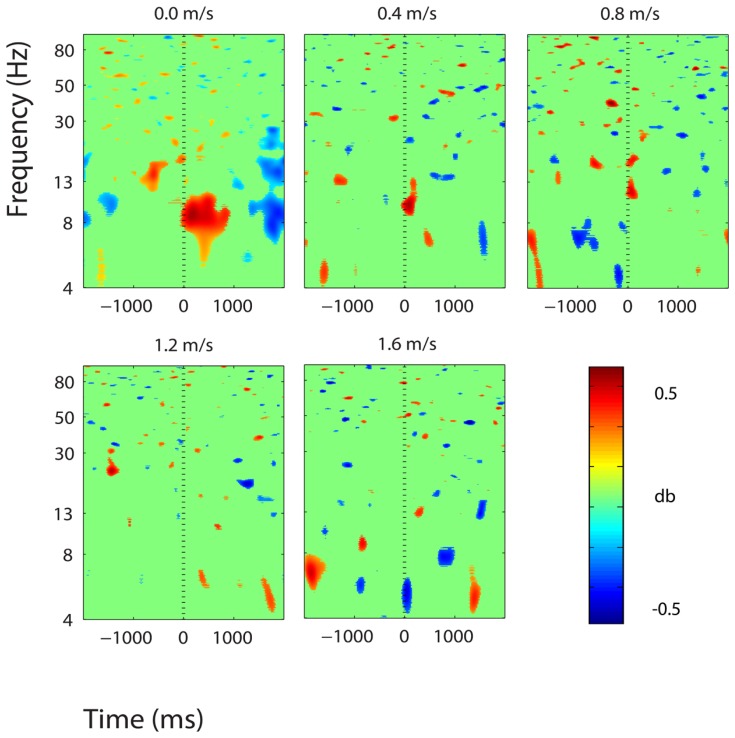
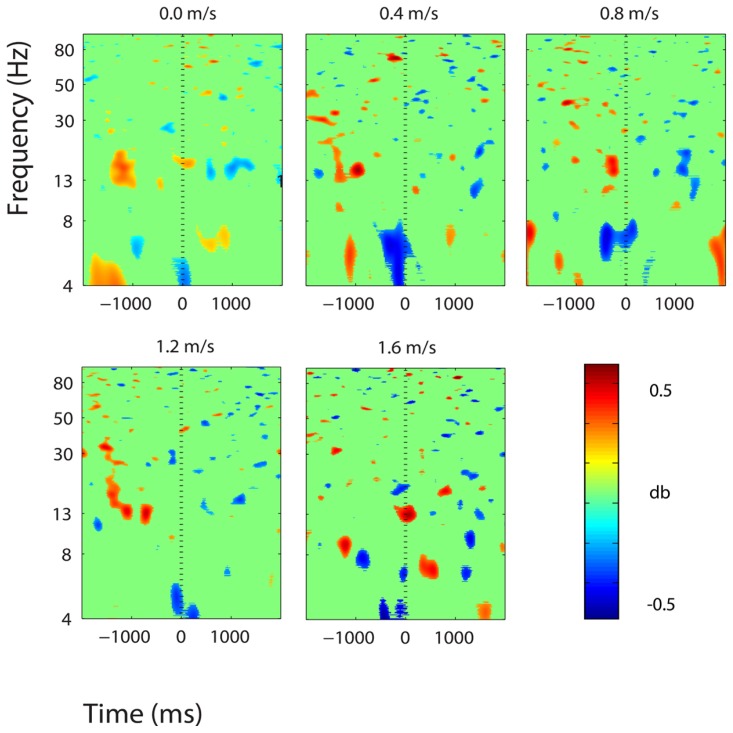
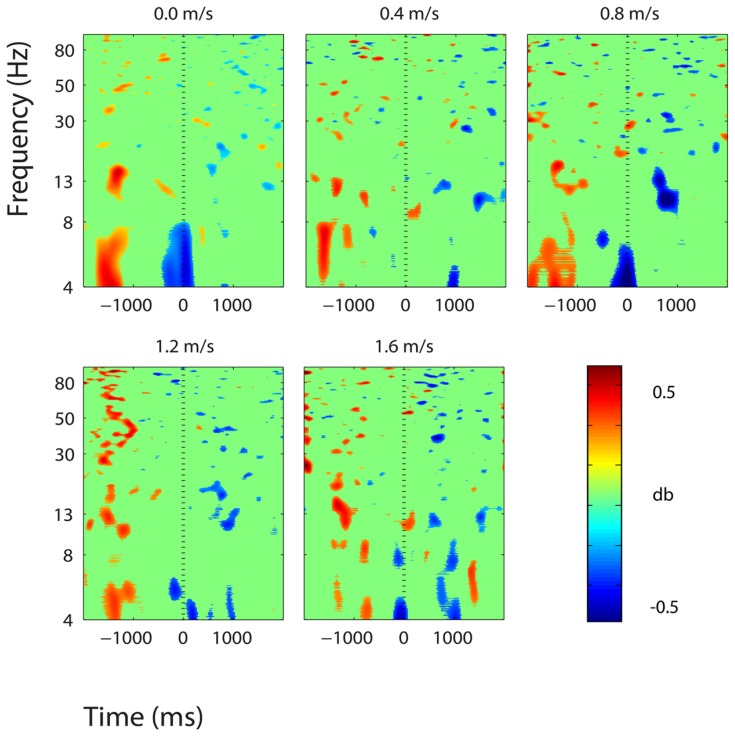
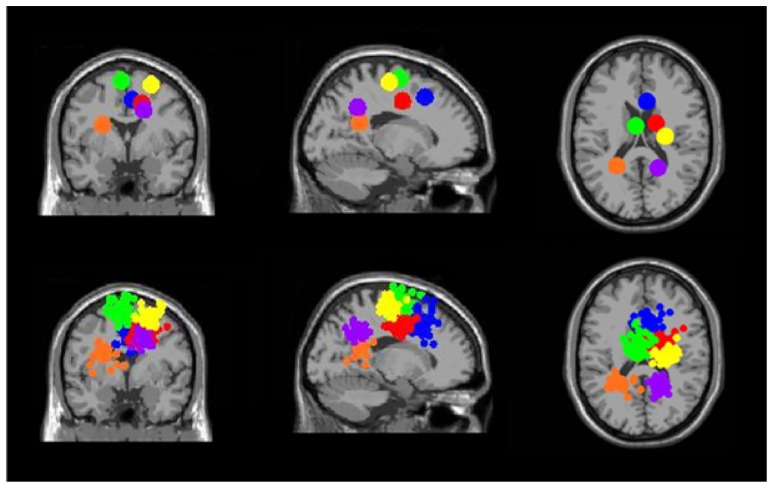
When humans walk in everyday life, they typically perform a range of cognitive tasks while they are on the move. Past studies examining performance changes in dual cognitive-motor tasks during walking have produced a variety of results. These discrepancies may be related to the type of cognitive task chosen, differences in the walking speeds studied, or lack of controlling for walking speed. The goal of this study was to determine how young, healthy subjects performed a spatial working memory task over a range of walking speeds. We used high-density electroencephalography to determine if electrocortical activity mirrored changes in cognitive performance across speeds. Subjects stood (0.0 m/s) and walked (0.4, 0.8, 1.2, and 1.6 m/s) with and without performing a Brooks spatial working memory task. We hypothesized that performance of the spatial working memory task and the associated electrocortical activity would decrease significantly with walking speed. Across speeds, the spatial working memory task caused subjects to step more widely compared with walking without the task. This is typically a sign that humans are adapting their gait dynamics to increase gait stability. Several cortical areas exhibited power fluctuations time-locked to memory encoding during the cognitive task. In the somatosensory association cortex, alpha power increased prior to stimulus presentation and decreased during memory encoding. There were small significant reductions in theta power in the right superior parietal lobule and the posterior cingulate cortex around memory encoding. However, the subjects did not show a significant change in cognitive task performance or electrocortical activity with walking speed. These findings indicate that in young, healthy subjects walking speed does not affect performance of a spatial working memory task. These subjects can devote adequate cortical resources to spatial cognition when needed, regardless of walking speed.
当人类在日常生活中行走时,他们通常会在移动的同时执行一系列认知任务。过去研究在行走时进行的双认知-运动任务的性能变化得出了各种结果。这些差异可能与选择的认知任务类型、研究的行走速度差异或缺乏对行走速度的控制有关。本研究的目的是确定年轻健康受试者在一系列行走速度下如何执行空间工作记忆任务。我们使用高密度脑电图来确定脑电活动是否反映了认知表现随速度的变化。受试者站立(0.0 m/s)和行走(0.4、0.8、1.2 和 1.6 m/s),同时或不执行布鲁克斯空间工作记忆任务。我们假设空间工作记忆任务的表现及其相关的脑电活动会随着行走速度的增加而显著下降。在所有速度下,与不执行任务相比,空间工作记忆任务使受试者的步伐更宽。这通常是人类正在调整其步态动力学以增加步态稳定性的迹象。几个皮质区域表现出与认知任务中的记忆编码时间锁定的功率波动。在体感联合皮层中,在刺激呈现之前,α 功率增加,在记忆编码期间减少。在记忆编码前后,右侧顶叶上回和后扣带回的θ功率略有显著降低。然而,受试者在认知任务表现或脑电活动方面没有随着行走速度的显著变化。这些发现表明,在年轻健康的受试者中,行走速度不会影响空间工作记忆任务的表现。这些受试者可以在需要时为空间认知分配足够的皮质资源,而与行走速度无关。