• 文献检索
  • 文档翻译
  • 深度研究
  • 学术资讯
  • Suppr Zotero 插件Zotero 插件
  • 邀请有礼
  • 套餐&价格
  • 历史记录
应用&插件
Suppr Zotero 插件Zotero 插件浏览器插件Mac 客户端Windows 客户端微信小程序
定价
高级版会员购买积分包购买API积分包
服务
文献检索文档翻译深度研究API 文档MCP 服务
关于我们
关于 Suppr公司介绍联系我们用户协议隐私条款
关注我们

Suppr 超能文献

核心技术专利:CN118964589B侵权必究
粤ICP备2023148730 号-1Suppr @ 2026

文献检索

告别复杂PubMed语法,用中文像聊天一样搜索,搜遍4000万医学文献。AI智能推荐,让科研检索更轻松。

立即免费搜索

文件翻译

保留排版,准确专业,支持PDF/Word/PPT等文件格式,支持 12+语言互译。

免费翻译文档

深度研究

AI帮你快速写综述,25分钟生成高质量综述,智能提取关键信息,辅助科研写作。

立即免费体验

Clinical utility of BOLD fMRI in preoperative work-up of epilepsy.

作者信息

Ganesan Karthik, Ursekar Meher

机构信息

Department of 3T fMRI, SRL Diagnostics and Jankharia Imaging, Mumbai, Maharashtra, India.

出版信息

Indian J Radiol Imaging. 2014 Jan;24(1):22-36. doi: 10.4103/0971-3026.130688.

DOI:10.4103/0971-3026.130688
PMID:24851002
原文链接:https://pmc.ncbi.nlm.nih.gov/articles/PMC4028910/
Abstract

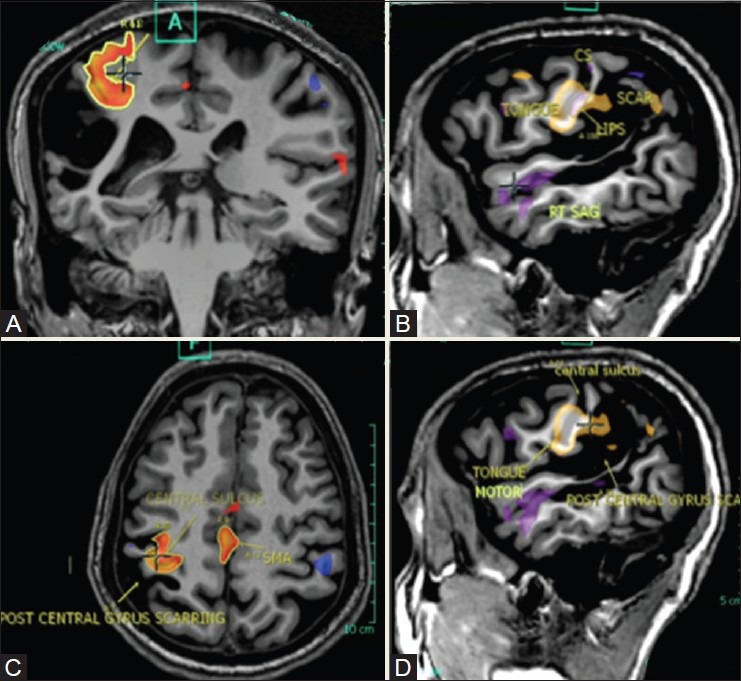
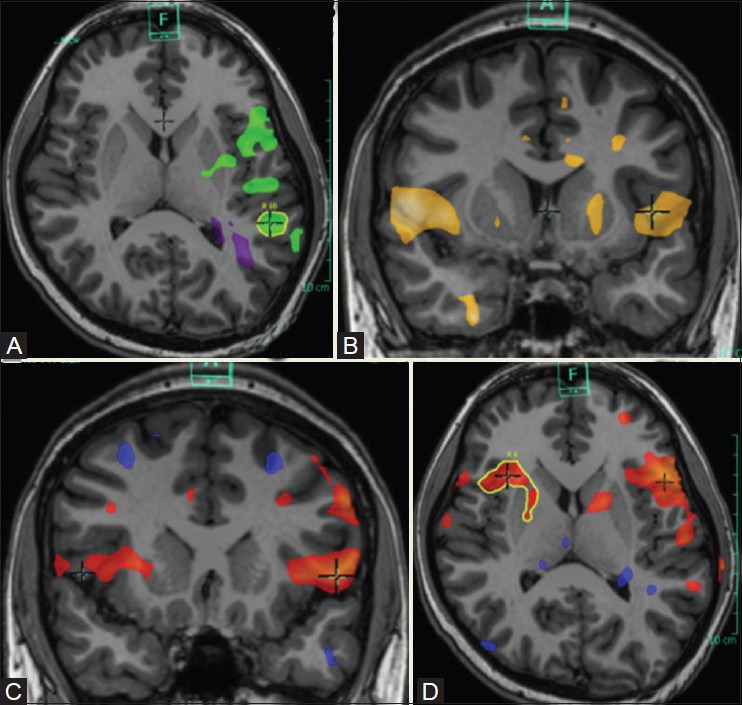
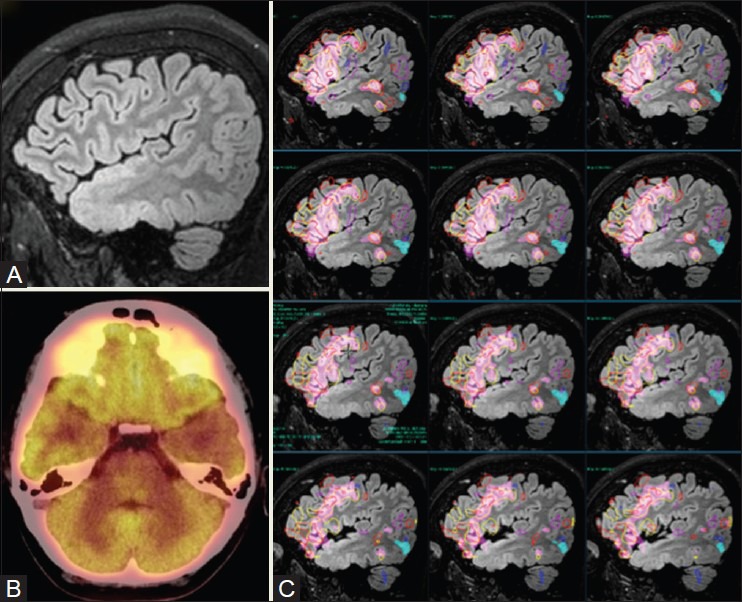
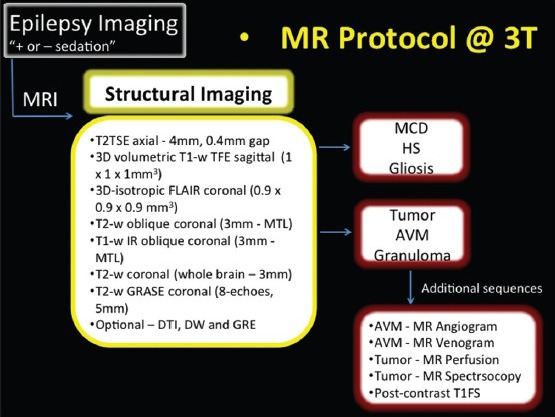
Surgical techniques have emerged as a viable therapeutic option in patients with drug refractory epilepsy. Pre-surgical evaluation of epilepsy requires a comprehensive, multiparametric, and multimodal approach for precise localization of the epileptogenic focus. Various non-invasive techniques are available at the disposal of the treating physician to detect the epileptogenic focus, which include electroencephalography (EEG), video-EEG, magnetic resonance imaging (MRI), functional MRI including blood oxygen level dependent (BOLD) techniques, single photon emission tomography (SPECT), and (18)F-fluorodeoxyglucose (FDG) positron emission tomography (PET). Currently, non-invasive high-resolution MR imaging techniques play pivotal roles in the preoperative detection of the seizure focus, and represent the foundation for successful epilepsy surgery. BOLD functional magnetic resonance imaging (fMRI) maps allow for precise localization of the eloquent cortex in relation to the seizure focus. This review article focuses on the clinical utility of BOLD (fMRI) in the pre-surgical work-up of epilepsy patients.
摘要
https://cdn.ncbi.nlm.nih.gov/pmc/blobs/44b2/4028910/3aae5b90a21c/IJRI-24-22-g026.jpg
https://cdn.ncbi.nlm.nih.gov/pmc/blobs/44b2/4028910/336c61a57bd2/IJRI-24-22-g001.jpg
https://cdn.ncbi.nlm.nih.gov/pmc/blobs/44b2/4028910/e55861ae309e/IJRI-24-22-g002.jpg
https://cdn.ncbi.nlm.nih.gov/pmc/blobs/44b2/4028910/ba14313e486e/IJRI-24-22-g003.jpg
https://cdn.ncbi.nlm.nih.gov/pmc/blobs/44b2/4028910/c5bc5c45e985/IJRI-24-22-g004.jpg
https://cdn.ncbi.nlm.nih.gov/pmc/blobs/44b2/4028910/3e70303ef384/IJRI-24-22-g007.jpg
https://cdn.ncbi.nlm.nih.gov/pmc/blobs/44b2/4028910/96f789aec7b6/IJRI-24-22-g008.jpg
https://cdn.ncbi.nlm.nih.gov/pmc/blobs/44b2/4028910/04f6ec0bae04/IJRI-24-22-g009.jpg
https://cdn.ncbi.nlm.nih.gov/pmc/blobs/44b2/4028910/fa52dccdeeb8/IJRI-24-22-g010.jpg
https://cdn.ncbi.nlm.nih.gov/pmc/blobs/44b2/4028910/239856740613/IJRI-24-22-g011.jpg
https://cdn.ncbi.nlm.nih.gov/pmc/blobs/44b2/4028910/c3453ab772a4/IJRI-24-22-g012.jpg
https://cdn.ncbi.nlm.nih.gov/pmc/blobs/44b2/4028910/2a86c0ff1052/IJRI-24-22-g013.jpg
https://cdn.ncbi.nlm.nih.gov/pmc/blobs/44b2/4028910/200bf2e51cde/IJRI-24-22-g014.jpg
https://cdn.ncbi.nlm.nih.gov/pmc/blobs/44b2/4028910/646f3f70cec1/IJRI-24-22-g015.jpg
https://cdn.ncbi.nlm.nih.gov/pmc/blobs/44b2/4028910/472bfd70062c/IJRI-24-22-g016.jpg
https://cdn.ncbi.nlm.nih.gov/pmc/blobs/44b2/4028910/278bb7236164/IJRI-24-22-g017.jpg
https://cdn.ncbi.nlm.nih.gov/pmc/blobs/44b2/4028910/3d6744131e8d/IJRI-24-22-g018.jpg
https://cdn.ncbi.nlm.nih.gov/pmc/blobs/44b2/4028910/7b6702b40068/IJRI-24-22-g019.jpg
https://cdn.ncbi.nlm.nih.gov/pmc/blobs/44b2/4028910/647c24384ecb/IJRI-24-22-g020.jpg
https://cdn.ncbi.nlm.nih.gov/pmc/blobs/44b2/4028910/8f363a636b95/IJRI-24-22-g021.jpg
https://cdn.ncbi.nlm.nih.gov/pmc/blobs/44b2/4028910/3450a981ae2b/IJRI-24-22-g022.jpg
https://cdn.ncbi.nlm.nih.gov/pmc/blobs/44b2/4028910/dd7673dd250a/IJRI-24-22-g023.jpg
https://cdn.ncbi.nlm.nih.gov/pmc/blobs/44b2/4028910/a368c13babec/IJRI-24-22-g024.jpg
https://cdn.ncbi.nlm.nih.gov/pmc/blobs/44b2/4028910/f70b7f400658/IJRI-24-22-g025.jpg
https://cdn.ncbi.nlm.nih.gov/pmc/blobs/44b2/4028910/3aae5b90a21c/IJRI-24-22-g026.jpg
https://cdn.ncbi.nlm.nih.gov/pmc/blobs/44b2/4028910/336c61a57bd2/IJRI-24-22-g001.jpg
https://cdn.ncbi.nlm.nih.gov/pmc/blobs/44b2/4028910/e55861ae309e/IJRI-24-22-g002.jpg
https://cdn.ncbi.nlm.nih.gov/pmc/blobs/44b2/4028910/ba14313e486e/IJRI-24-22-g003.jpg
https://cdn.ncbi.nlm.nih.gov/pmc/blobs/44b2/4028910/c5bc5c45e985/IJRI-24-22-g004.jpg
https://cdn.ncbi.nlm.nih.gov/pmc/blobs/44b2/4028910/3e70303ef384/IJRI-24-22-g007.jpg
https://cdn.ncbi.nlm.nih.gov/pmc/blobs/44b2/4028910/96f789aec7b6/IJRI-24-22-g008.jpg
https://cdn.ncbi.nlm.nih.gov/pmc/blobs/44b2/4028910/04f6ec0bae04/IJRI-24-22-g009.jpg
https://cdn.ncbi.nlm.nih.gov/pmc/blobs/44b2/4028910/fa52dccdeeb8/IJRI-24-22-g010.jpg
https://cdn.ncbi.nlm.nih.gov/pmc/blobs/44b2/4028910/239856740613/IJRI-24-22-g011.jpg
https://cdn.ncbi.nlm.nih.gov/pmc/blobs/44b2/4028910/c3453ab772a4/IJRI-24-22-g012.jpg
https://cdn.ncbi.nlm.nih.gov/pmc/blobs/44b2/4028910/2a86c0ff1052/IJRI-24-22-g013.jpg
https://cdn.ncbi.nlm.nih.gov/pmc/blobs/44b2/4028910/200bf2e51cde/IJRI-24-22-g014.jpg
https://cdn.ncbi.nlm.nih.gov/pmc/blobs/44b2/4028910/646f3f70cec1/IJRI-24-22-g015.jpg
https://cdn.ncbi.nlm.nih.gov/pmc/blobs/44b2/4028910/472bfd70062c/IJRI-24-22-g016.jpg
https://cdn.ncbi.nlm.nih.gov/pmc/blobs/44b2/4028910/278bb7236164/IJRI-24-22-g017.jpg
https://cdn.ncbi.nlm.nih.gov/pmc/blobs/44b2/4028910/3d6744131e8d/IJRI-24-22-g018.jpg
https://cdn.ncbi.nlm.nih.gov/pmc/blobs/44b2/4028910/7b6702b40068/IJRI-24-22-g019.jpg
https://cdn.ncbi.nlm.nih.gov/pmc/blobs/44b2/4028910/647c24384ecb/IJRI-24-22-g020.jpg
https://cdn.ncbi.nlm.nih.gov/pmc/blobs/44b2/4028910/8f363a636b95/IJRI-24-22-g021.jpg
https://cdn.ncbi.nlm.nih.gov/pmc/blobs/44b2/4028910/3450a981ae2b/IJRI-24-22-g022.jpg
https://cdn.ncbi.nlm.nih.gov/pmc/blobs/44b2/4028910/dd7673dd250a/IJRI-24-22-g023.jpg
https://cdn.ncbi.nlm.nih.gov/pmc/blobs/44b2/4028910/a368c13babec/IJRI-24-22-g024.jpg
https://cdn.ncbi.nlm.nih.gov/pmc/blobs/44b2/4028910/f70b7f400658/IJRI-24-22-g025.jpg
https://cdn.ncbi.nlm.nih.gov/pmc/blobs/44b2/4028910/3aae5b90a21c/IJRI-24-22-g026.jpg

相似文献

1
Clinical utility of BOLD fMRI in preoperative work-up of epilepsy.
Indian J Radiol Imaging. 2014 Jan;24(1):22-36. doi: 10.4103/0971-3026.130688.
2
Neurological update: structural and functional imaging in epilepsy surgery.神经学最新进展:癫痫手术中的结构和功能影像学
J Neurol. 2023 May;270(5):2798-2808. doi: 10.1007/s00415-023-11619-z. Epub 2023 Feb 15.
3
Clinical Role of Subtraction Ictal SPECT Coregistered to MR Imaging and (18)F-FDG PET in Pediatric Epilepsy.儿童癫痫的减影发作 SPECT 与 MR 成像和 (18)F-FDG PET 的临床作用。
J Nucl Med. 2014 Jul;55(7):1099-105. doi: 10.2967/jnumed.113.136432. Epub 2014 May 5.
4
Neuronuclear assessment of patients with epilepsy.癫痫患者的神经核评估。
Semin Nucl Med. 2008 Jul;38(4):227-39. doi: 10.1053/j.semnuclmed.2008.02.004.
5
Ictal EEG-fMRI in localization of epileptogenic area in patients with refractory neocortical focal epilepsy.发作期脑电图-功能磁共振成像在耐药性新皮层局灶性癫痫患者致痫区定位中的应用。
Epilepsia. 2013 Sep;54(9):1688-98. doi: 10.1111/epi.12329. Epub 2013 Jul 29.
6
PET/MRI and PET/MRI/SISCOM coregistration in the presurgical evaluation of refractory focal epilepsy.PET/MRI及PET/MRI/SISCOM配准在难治性局灶性癫痫术前评估中的应用
Epilepsy Res. 2015 Mar;111:1-9. doi: 10.1016/j.eplepsyres.2014.12.011. Epub 2015 Jan 3.
7
Comparison of MR imaging with PET and ictal SPECT in 118 patients with intractable epilepsy.118例难治性癫痫患者的磁共振成像与正电子发射断层扫描及发作期单光子发射计算机断层扫描的比较。
AJNR Am J Neuroradiol. 1999 Apr;20(4):593-9.
8
Refractory Epilepsy: The Role of Positron Emission Tomography.难治性癫痫:正电子发射断层扫描的作用。
Can J Neurol Sci. 2018 Jan;45(1):30-34. doi: 10.1017/cjn.2017.244.
9
Use of positron emission tomography for presurgical localization of eloquent brain areas in children with seizures.正电子发射断层扫描在癫痫患儿术前明确脑功能区定位中的应用。
Pediatr Neurosurg. 1997 Mar;26(3):144-56. doi: 10.1159/000121180.
10
Assessment of localization accuracy and postsurgical prediction of simultaneous F-FDG PET/MRI in refractory epilepsy patients.评估定位准确性和 F-FDG PET/MRI 在难治性癫痫患者中的术后预测。
Eur Radiol. 2021 Sep;31(9):6974-6982. doi: 10.1007/s00330-021-07738-8. Epub 2021 Feb 27.

引用本文的文献

1
Translating state-of-the-art brain magnetic resonance imaging (MRI) techniques into clinical practice: multimodal MRI differentiates dementia subtypes in a traditional clinical setting.将最先进的脑磁共振成像(MRI)技术应用于临床实践:多模态MRI在传统临床环境中可区分痴呆亚型。
Quant Imaging Med Surg. 2021 Sep;11(9):4056-4073. doi: 10.21037/qims-20-1355.

本文引用的文献

1
Multimodality localization of the sensorimotor cortex in pediatric patients undergoing epilepsy surgery.癫痫手术患儿感觉运动皮层的多模态定位
J Neurosurg Pediatr. 2012 Jul;10(1):1-6. doi: 10.3171/2012.3.PEDS11554. Epub 2012 Jun 8.
2
The clinicopathologic spectrum of focal cortical dysplasias: a consensus classification proposed by an ad hoc Task Force of the ILAE Diagnostic Methods Commission.局灶性皮质发育不良的临床病理谱:国际抗癫痫联盟诊断方法委员会特别工作组提出的共识分类。
Epilepsia. 2011 Jan;52(1):158-74. doi: 10.1111/j.1528-1167.2010.02777.x. Epub 2010 Nov 10.
3
Why one task is not enough: functional MRI for atypical language organization in two children.
为何一项任务不够:功能磁共振成像在两个儿童非典型语言组织中的应用。
Eur J Paediatr Neurol. 2010 Nov;14(6):474-8. doi: 10.1016/j.ejpn.2010.05.002. Epub 2010 May 26.
4
Functional MR imaging or Wada test: which is the better predictor of individual postoperative memory outcome?功能磁共振成像或 Wada 测试:哪个是术后个体记忆结果更好的预测指标?
Radiology. 2010 Apr;255(1):128-34. doi: 10.1148/radiol.09091079.
5
Atypical language lateralization in epilepsy patients.癫痫患者的非典型语言功能偏侧化
Epilepsia. 2009 Jun;50(6):1505-16. doi: 10.1111/j.1528-1167.2008.02000.x. Epub 2009 Feb 23.
6
Functional neuroimaging of speech perception during a pivotal period in language acquisition.语言习得关键期内言语感知的功能性神经成像
Dev Sci. 2008 Mar;11(2):237-52. doi: 10.1111/j.1467-7687.2008.00674.x.
7
Evidence for cortical reorganization of language in patients with hippocampal sclerosis.海马硬化患者语言皮质重组的证据。
Brain. 2007 Nov;130(Pt 11):2942-50. doi: 10.1093/brain/awm187. Epub 2007 Aug 17.
8
Comparison of implicit memory encoding paradigms for the activation of mediotemporal structures.用于激活颞叶内侧结构的内隐记忆编码范式的比较。
Epilepsy Behav. 2007 May;10(3):442-8. doi: 10.1016/j.yebeh.2007.01.013. Epub 2007 Mar 26.
9
fMRI shows atypical language lateralization in pediatric epilepsy patients.功能磁共振成像显示小儿癫痫患者存在非典型语言侧化。
Epilepsia. 2006 Mar;47(3):593-600. doi: 10.1111/j.1528-1167.2006.00474.x.
10
Left hippocampal pathology is associated with atypical language lateralization in patients with focal epilepsy.左侧海马体病变与局灶性癫痫患者的非典型语言侧化有关。
Brain. 2006 Feb;129(Pt 2):346-51. doi: 10.1093/brain/awh694. Epub 2005 Dec 5.