Wu Zhaona, Mirza Haris, Tan Kevin Shyong Wei
Laboratory of Molecular and Cellular Parasitology, Department of Microbiology, Yong Loo Lin School of Medicine, National University of Singapore, Singapore, Singapore.
Department of Dermatology, Yale School of Medicine, New Haven, Connecticut, United States of America.
PLoS Negl Trop Dis. 2014 May 22;8(5):e2885. doi: 10.1371/journal.pntd.0002885. eCollection 2014 May.
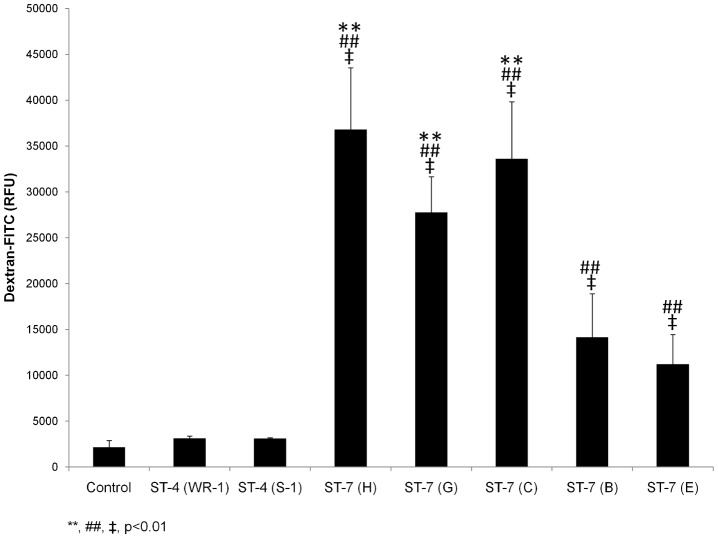
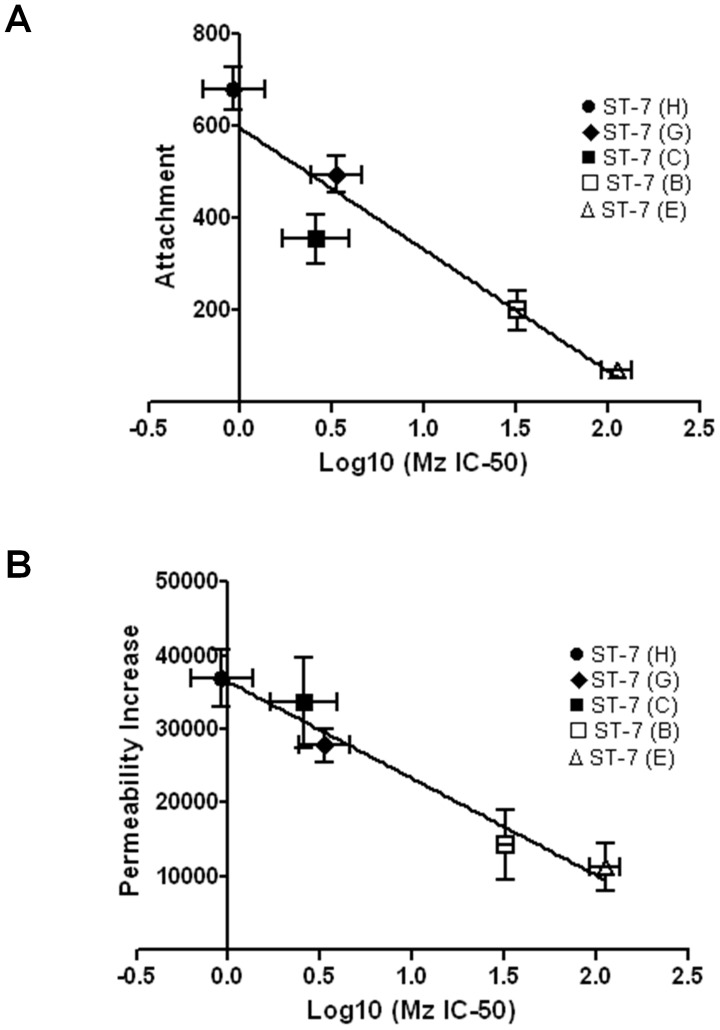
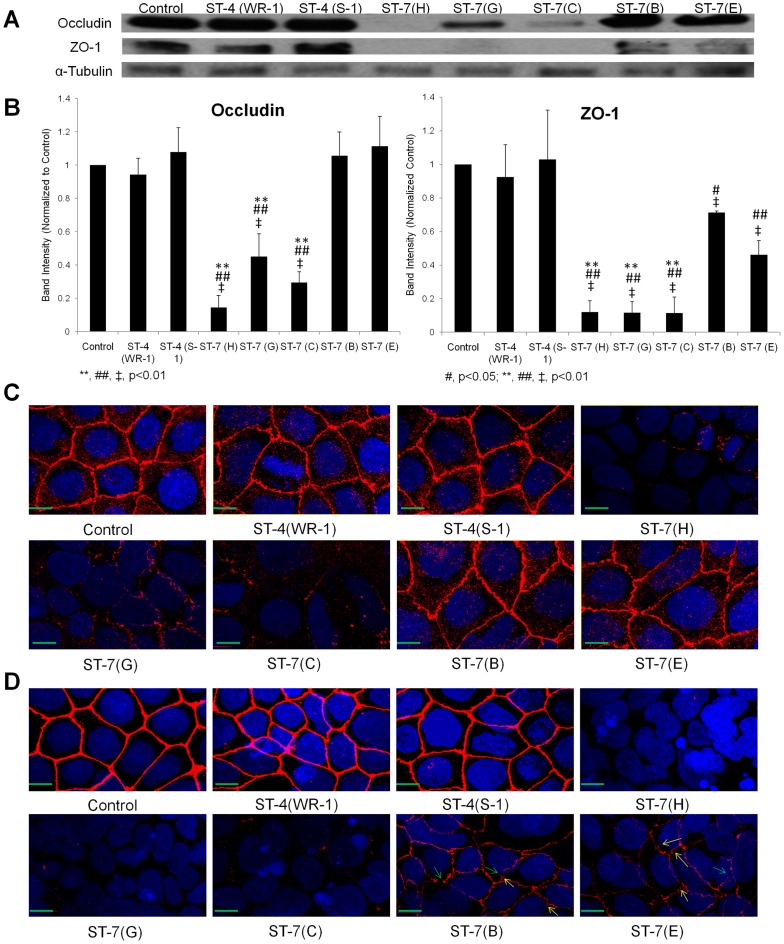
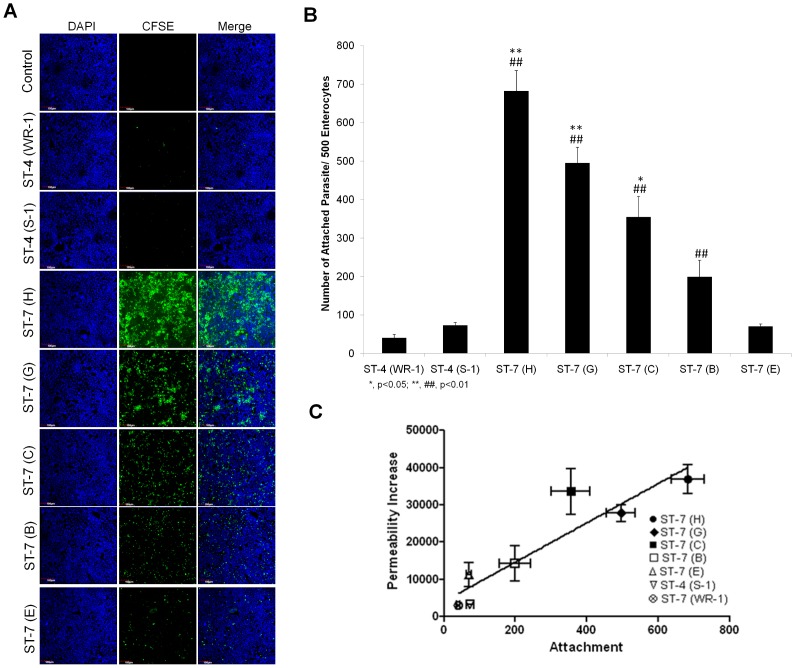
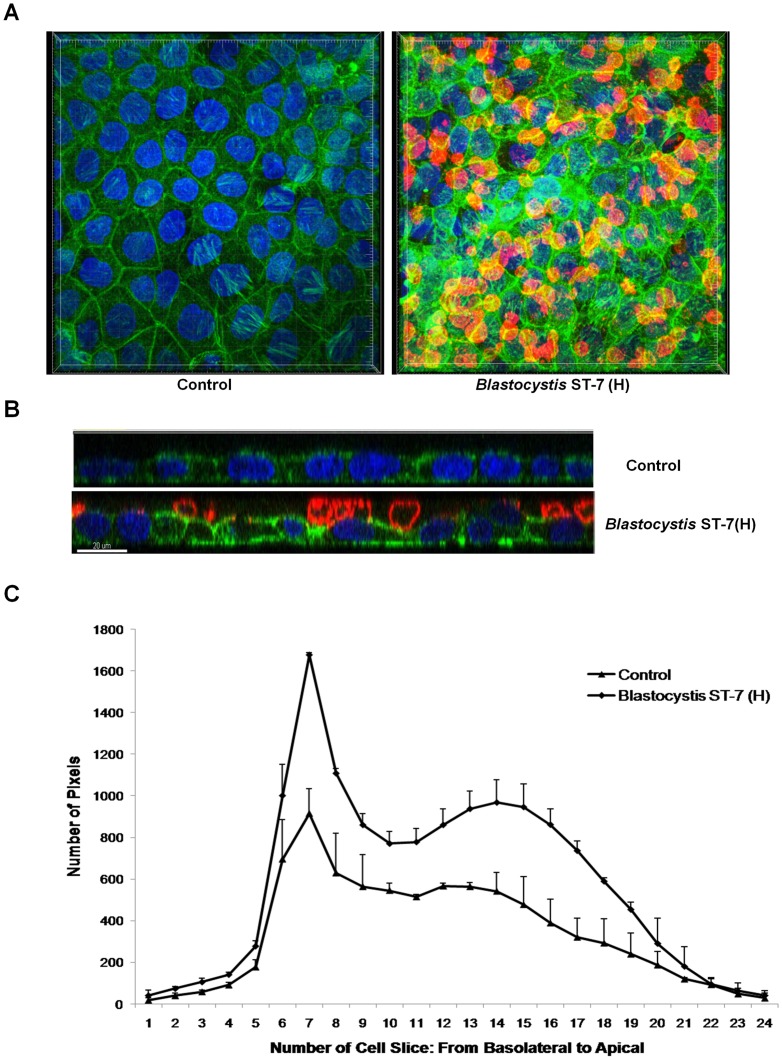
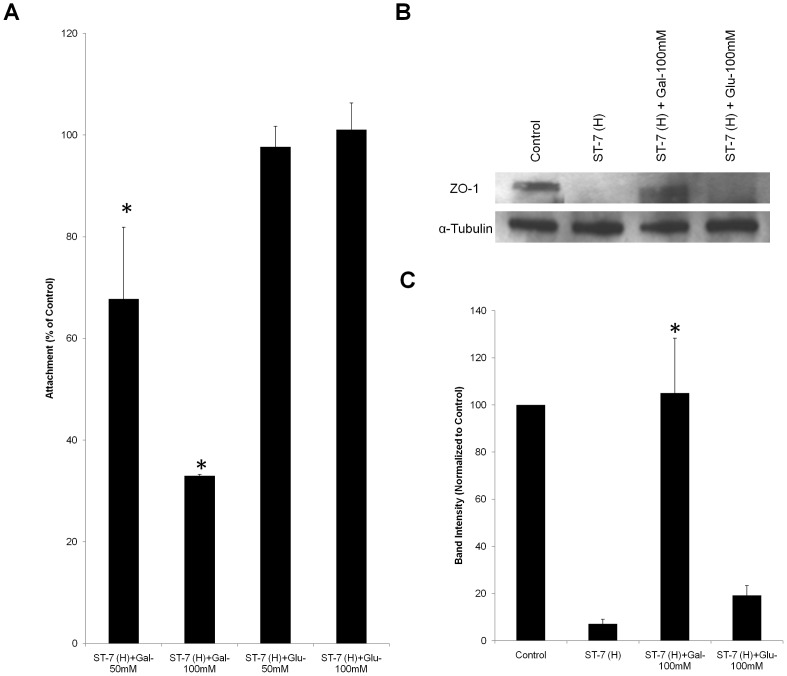
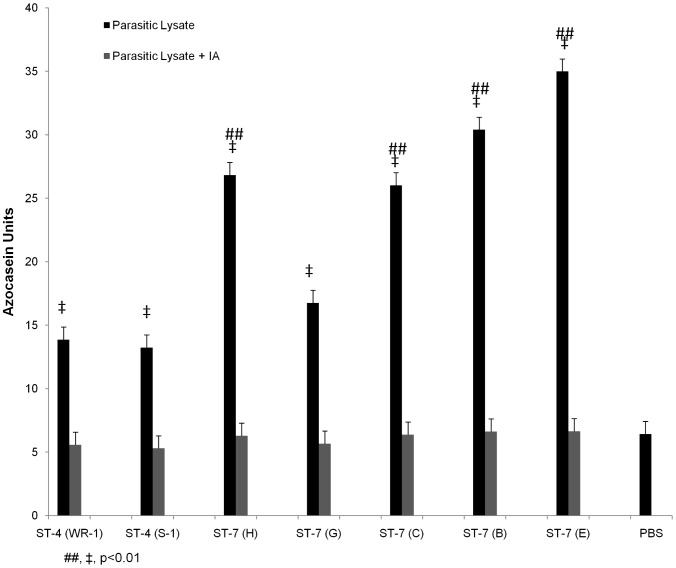
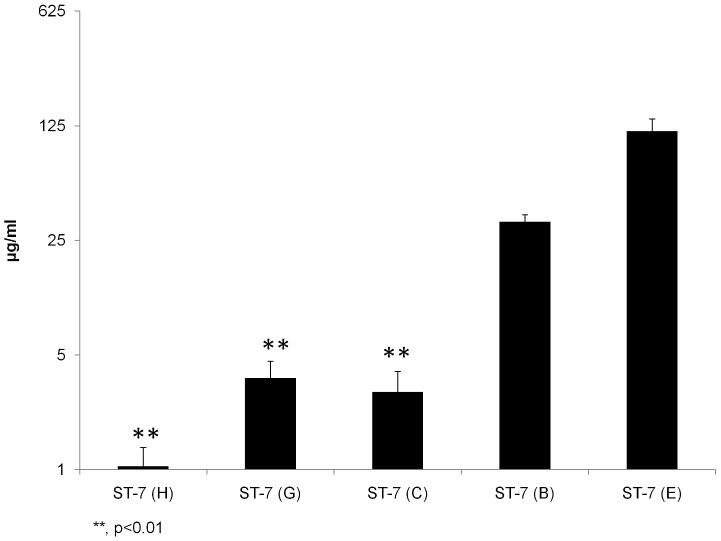
Blastocystis is an extracellular, enteric pathogen that induces intestinal disorders in a range of hosts including humans. Recent studies have identified potential parasite virulence factors in and host responses to this parasite; however, little is known about Blastocystis-host attachment, which is crucial for colonization and virulence of luminal stages. By utilizing 7 different strains of the parasite belonging to two clinically relevant subtypes ST-4 and ST-7, we investigated Blastocystis-enterocyte adhesion and its association with parasite-induced epithelial barrier disruption. We also suggest that drug resistance in ST-7 strains might result in fitness cost that manifested as impairment of parasite adhesion and, consequently, virulence. ST-7 parasites were generally highly adhesive to Caco-2 cells and preferred binding to intercellular junctions. These strains also induced disruption of ZO-1 and occludin tight junction proteins as well as increased dextran-FITC flux across epithelial monolayers. Interestingly, their adhesion was correlated with metronidazole (Mz) susceptibility. Mz resistant (Mzr) strains were found to be less pathogenic, owing to compromised adhesion. Moreover, tolerance of nitrosative stress was also reduced in the Mzr strains. In conclusion, the findings indicate that Blastocystis attaches to intestinal epithelium and leads to epithelial barrier dysfunction and that drug resistance might entail a fitness cost in parasite virulence by limiting entero-adhesiveness. This is the first study of the cellular basis for strain-to-strain variation in parasite pathogenicity. Intra- and inter-subtype variability in cytopathogenicity provides a possible explanation for the diverse clinical outcomes of Blastocystis infections.
芽囊原虫是一种细胞外肠道病原体,可在包括人类在内的一系列宿主中引发肠道疾病。最近的研究已经确定了该寄生虫潜在的毒力因子以及宿主对其的反应;然而,对于芽囊原虫与宿主的附着情况却知之甚少,而这种附着对于管腔阶段的定植和毒力至关重要。通过利用属于两个临床相关亚型ST - 4和ST - 7的7种不同寄生虫菌株,我们研究了芽囊原虫与肠上皮细胞的黏附及其与寄生虫诱导的上皮屏障破坏的关联。我们还提出,ST - 7菌株中的耐药性可能导致适应性代价,表现为寄生虫黏附受损,进而导致毒力下降。ST - 7寄生虫通常对Caco - 2细胞具有高度黏附性,且更喜欢结合到细胞间连接部位。这些菌株还会诱导紧密连接蛋白ZO - 1和闭合蛋白的破坏,以及增加葡聚糖 - FITC通过上皮单层的通量。有趣的是,它们的黏附与甲硝唑(Mz)敏感性相关。发现耐甲硝唑(Mzr)菌株致病性较低,这是由于黏附能力受损。此外,Mzr菌株对亚硝化应激的耐受性也降低。总之,这些发现表明芽囊原虫附着于肠道上皮并导致上皮屏障功能障碍,而耐药性可能通过限制肠黏附性而在寄生虫毒力方面带来适应性代价。这是首次对寄生虫致病性菌株间差异的细胞基础进行研究。细胞致病性的亚型内和亚型间变异性为芽囊原虫感染的不同临床结果提供了一种可能的解释。