Morris Katherine T, Nofchissey Robert A, Pinchuk Irina V, Beswick Ellen J
Department of Surgery, University of New Mexico, Albuquerque, New Mexico, United States of America.
Department of Molecular Genetics and Microbiology, University of New Mexico, Albuquerque, New Mexico, United States of America.
PLoS One. 2014 Jun 2;9(6):e98656. doi: 10.1371/journal.pone.0098656. eCollection 2014.
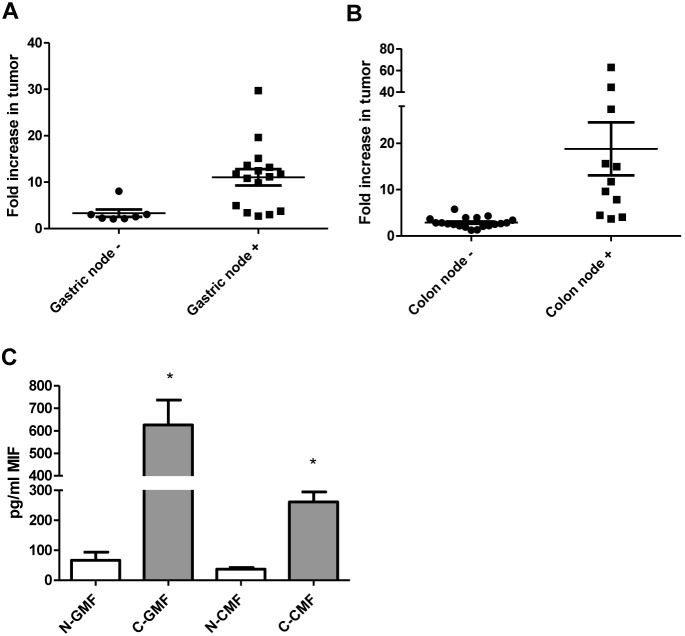
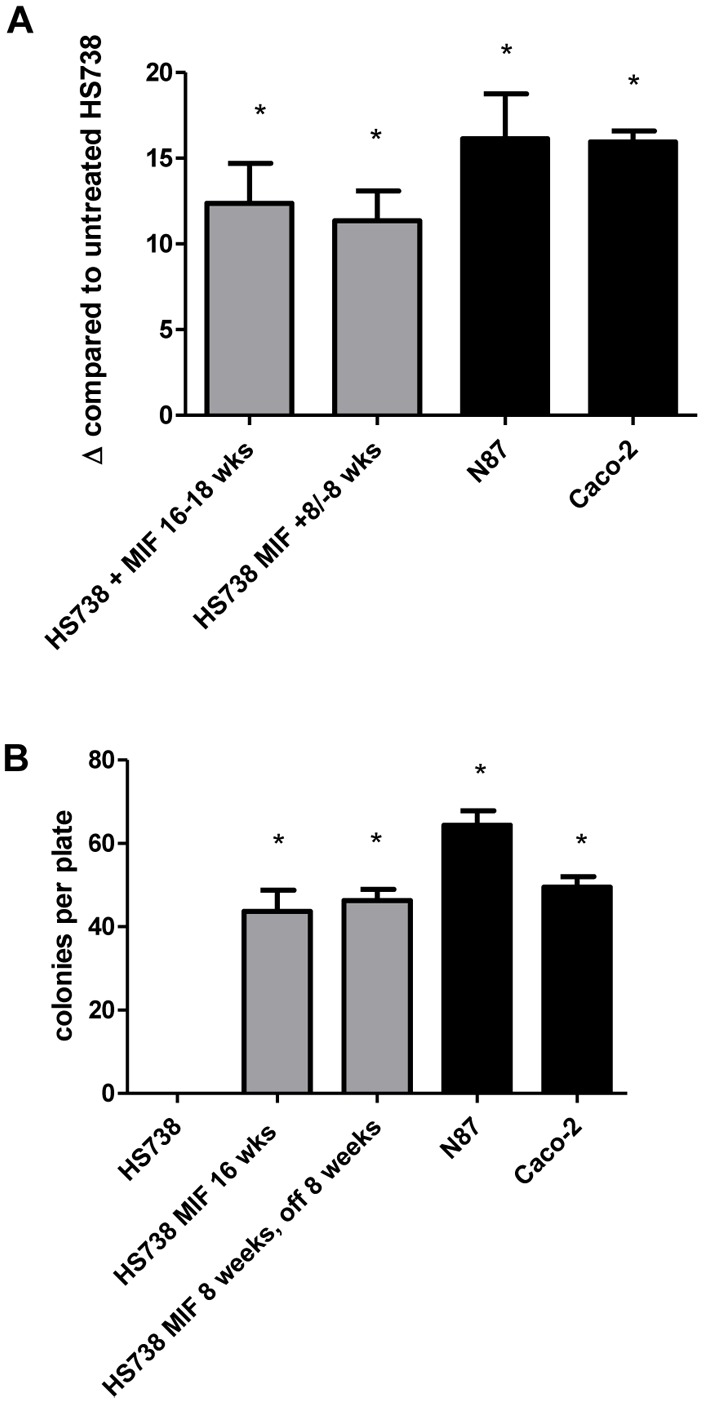
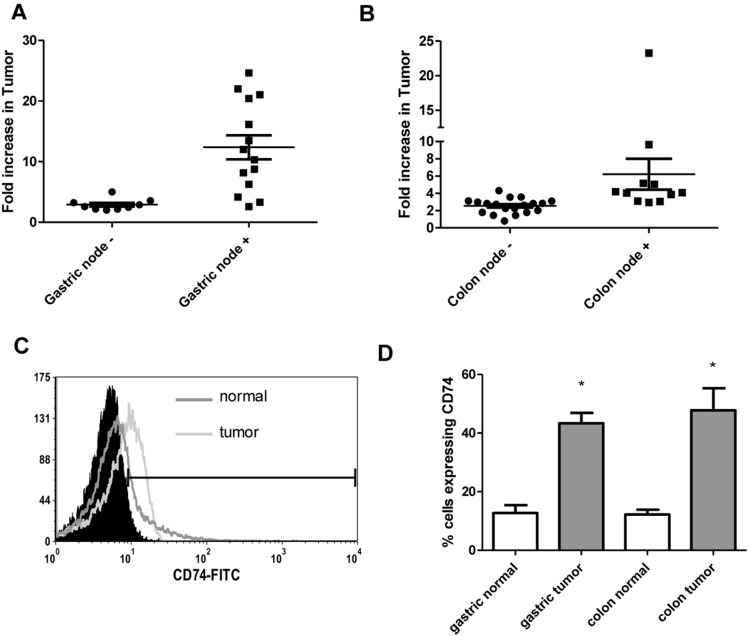
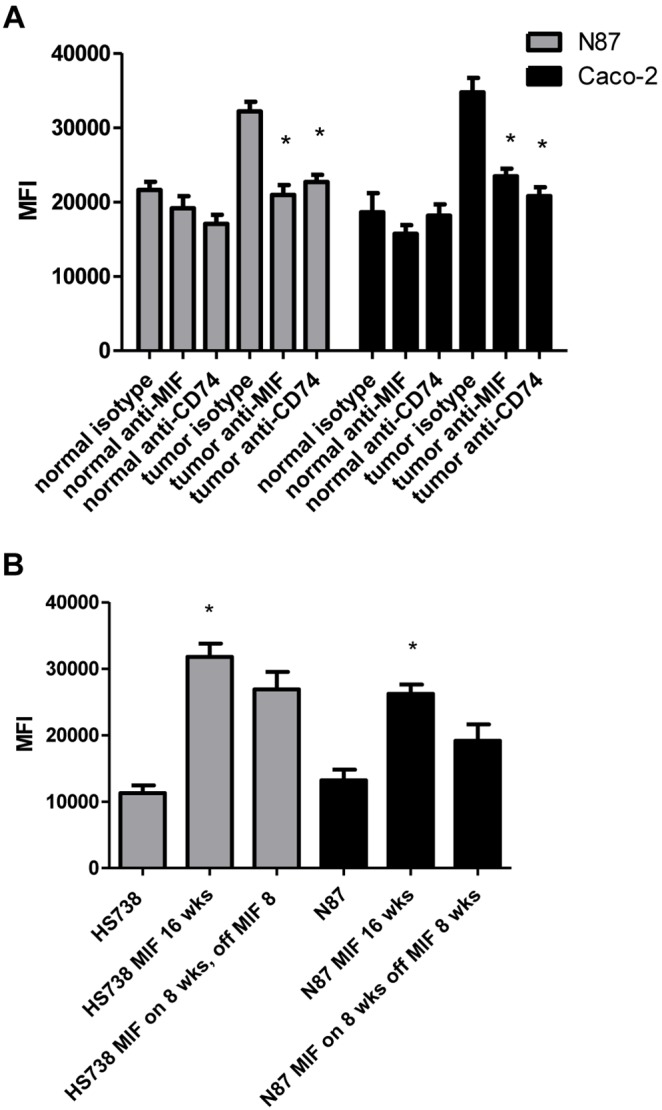
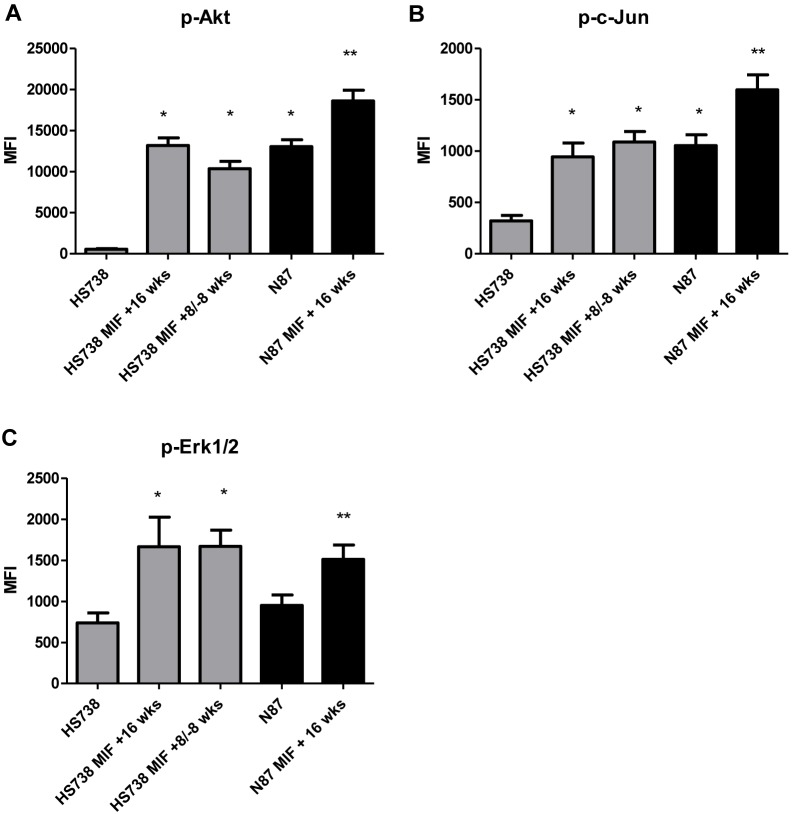
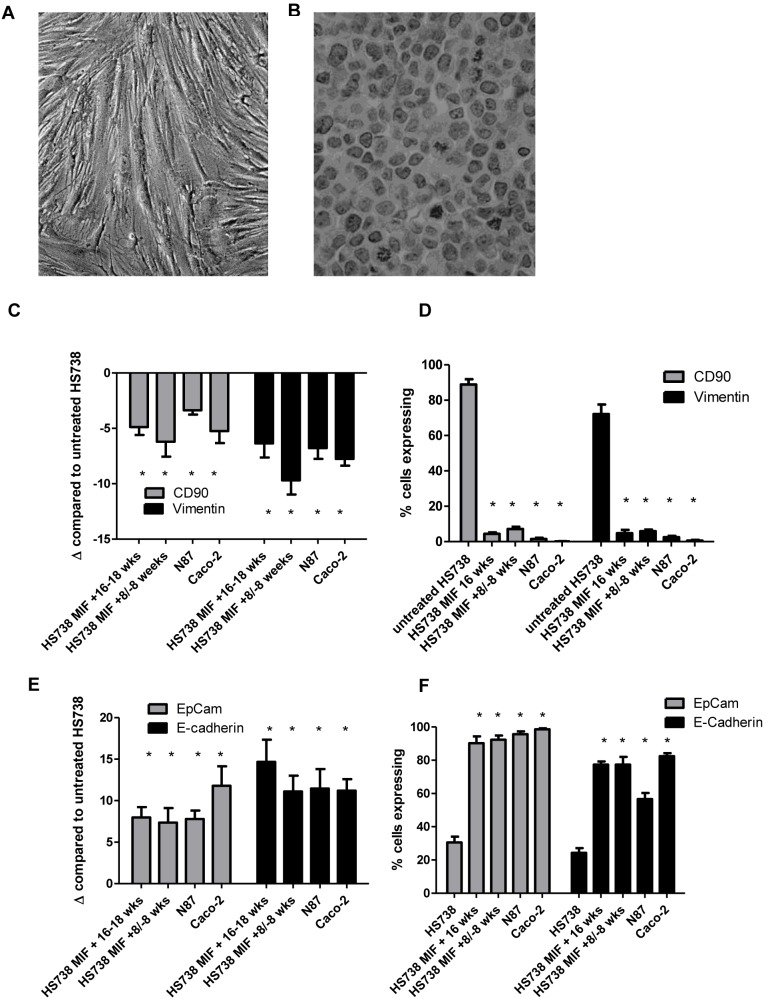
Macrophage Migration Inhibitory Factor (MIF) is an inflammatory cytokine that is highly produced in gastrointestinal cancers. Since chronic inflammation is a risk factor for tumorigenesis in these cancers, in this study, the role of MIF in pro-tumorigenic events was examined. MIF and its receptor, CD74, were examined in gastric and colon tumors and found to be increased in most tumors with significantly higher expression in tumors from patients with lymph node metastasis. MIF was also found to be highly produced by cancer associated fibroblasts isolated from human tumors compared to fibroblasts from matched normal tissues from uninvolved areas. Fibroblast-produced MIF highly increased GI cancer cell proliferation, which was decreased upon neutralizing MIF or CD74. Chronic MIF treatment led to sustained proliferation and signaling events in non-transformed GI fibroblast cells, which was maintained upon removing MIF treatment for 8 weeks. Additionally, chronic treatment of normal GI cells expressing fibroblast markers for up to 16 weeks with MIF led to a drastic decrease of fibroblast markers with concurrent increase of epithelial markers. Transformation was examined by telomerase and focus forming assays. These results suggest the MIF promotes mesenchymal epithelial transition, cell transformation and tumorigenesis in GI cancers, and thus may be an important link between chronic inflammation and tumorigenesis.
巨噬细胞移动抑制因子(MIF)是一种在胃肠道癌症中大量产生的炎性细胞因子。由于慢性炎症是这些癌症发生肿瘤的一个危险因素,在本研究中,对MIF在促肿瘤发生事件中的作用进行了研究。在胃癌和结肠癌肿瘤中检测了MIF及其受体CD74,发现它们在大多数肿瘤中均有增加,在有淋巴结转移患者的肿瘤中表达显著更高。与从未受累区域获取的匹配正常组织中的成纤维细胞相比,从人类肿瘤中分离出的癌症相关成纤维细胞也被发现能大量产生MIF。成纤维细胞产生的MIF显著增加了胃肠道癌细胞的增殖,而在中和MIF或CD74后这种增殖减少。慢性MIF处理导致未转化的胃肠道成纤维细胞持续增殖和信号转导事件,在去除MIF处理8周后这些仍持续存在。此外,用MIF对表达成纤维细胞标志物的正常胃肠道细胞进行长达16周的慢性处理,导致成纤维细胞标志物急剧减少,同时上皮标志物增加。通过端粒酶和集落形成试验检测了细胞转化情况。这些结果表明,MIF促进胃肠道癌症中的间充质上皮转化、细胞转化和肿瘤发生,因此可能是慢性炎症与肿瘤发生之间的重要联系。