Int J Phytoremediation. 2014;16(6):593-608. doi: 10.1080/15226514.2013.798625.
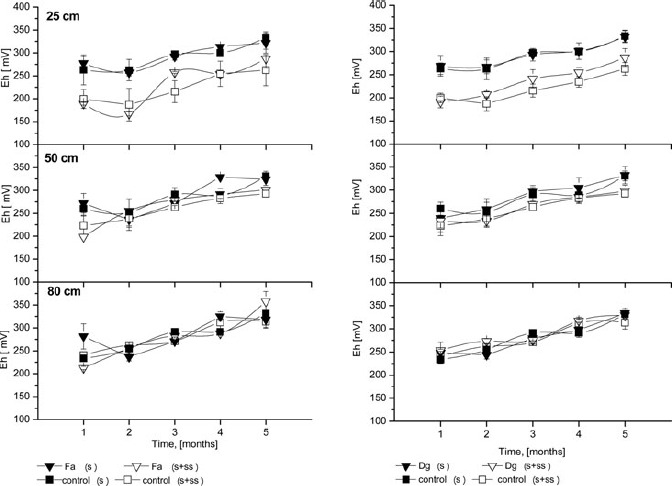
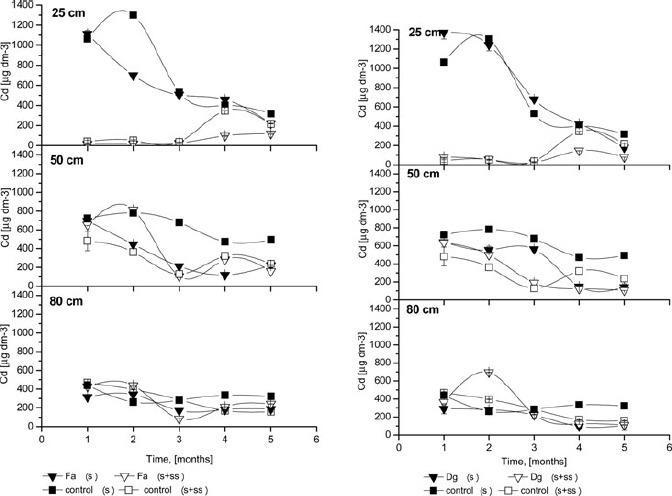
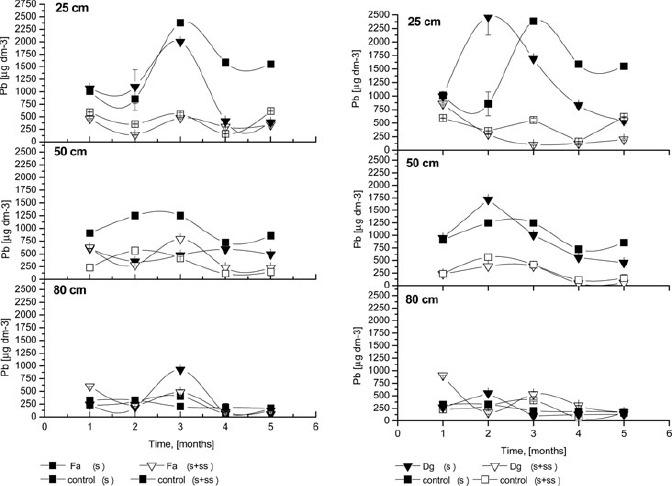
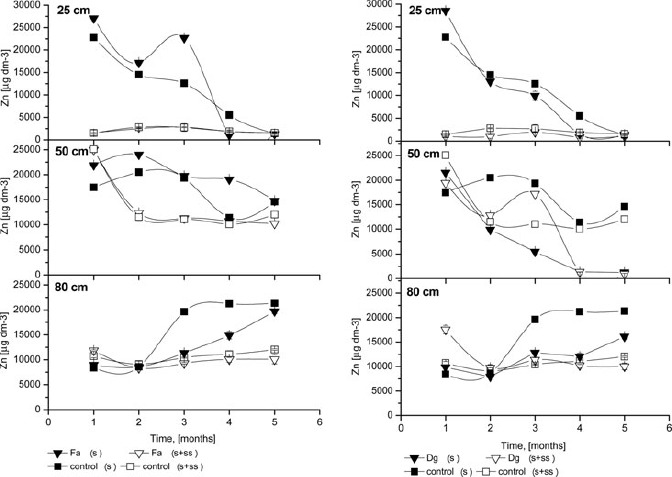
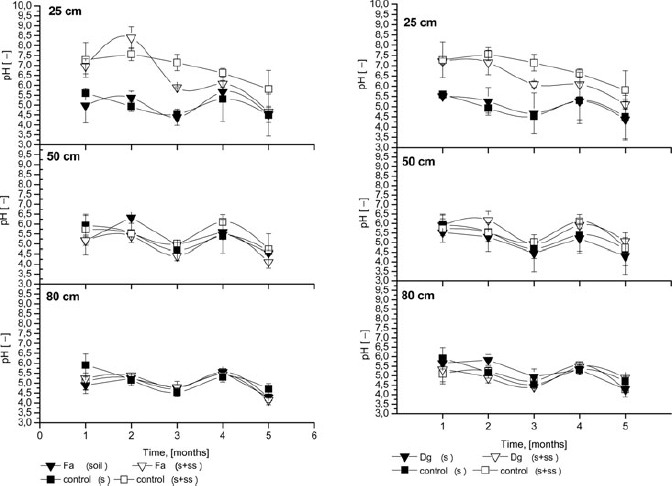
The role of sewage sludge as an immobilising agent in the phytostabilization of metal-contaminated soil was evaluated using five grass species viz., Dactylis glomerata L., Festuca arundinacea Schreb., F. rubra L., Lolium perenne L., L. westerwoldicum L. The function of metal immobilization was investigated by monitoring pH, Eh and Cd, Pb, and Zn levels in column experiment over a period of 5-months. Grasses grown on sewage sludge-amendments produced high biomass in comparison to controls. A significant reduction in metal uptake by plants was also observed as a result of sewage sludge application, which was attributed to decreased bioavailability through soil stabilisation. We have observed that the sludge amendment decreased metal bioavailability and concentrations in soil at a depth of 25 cm, in contrast to untreated columns, where metal concentrations in the soil solution were very high.
采用五种草种(高羊茅、紫羊茅、多年生黑麦草、草地早熟禾和鸭茅)评估了污水污泥作为一种固定剂在受金属污染土壤植物稳定中的作用。通过在 5 个月的柱试验中监测 pH、Eh 和 Cd、Pb 和 Zn 水平,研究了金属固定的功能。与对照相比,在污水污泥改良土壤上生长的草产生了更高的生物量。由于土壤稳定,污水污泥的应用也导致植物对金属的吸收显著减少,这归因于金属生物利用度降低。我们观察到,与未处理的柱相比,污泥改良剂降低了 25cm 深处土壤的金属生物利用度和浓度,而在未处理的柱中,土壤溶液中的金属浓度非常高。