Wernstedt Asterholm Ingrid, Tao Caroline, Morley Thomas S, Wang Qiong A, Delgado-Lopez Fernando, Wang Zhao V, Scherer Philipp E
Department of Internal Medicine, Touchstone Diabetes Center, UT Southwestern Medical Center, 5323 Harry Hines Boulevard, Dallas, TX 75390-8549, USA.
Facultad de Medicina, Universidad Catolica del Maule, Avenida San Miguel 3605, Talca, Chile.
Cell Metab. 2014 Jul 1;20(1):103-18. doi: 10.1016/j.cmet.2014.05.005. Epub 2014 Jun 12.
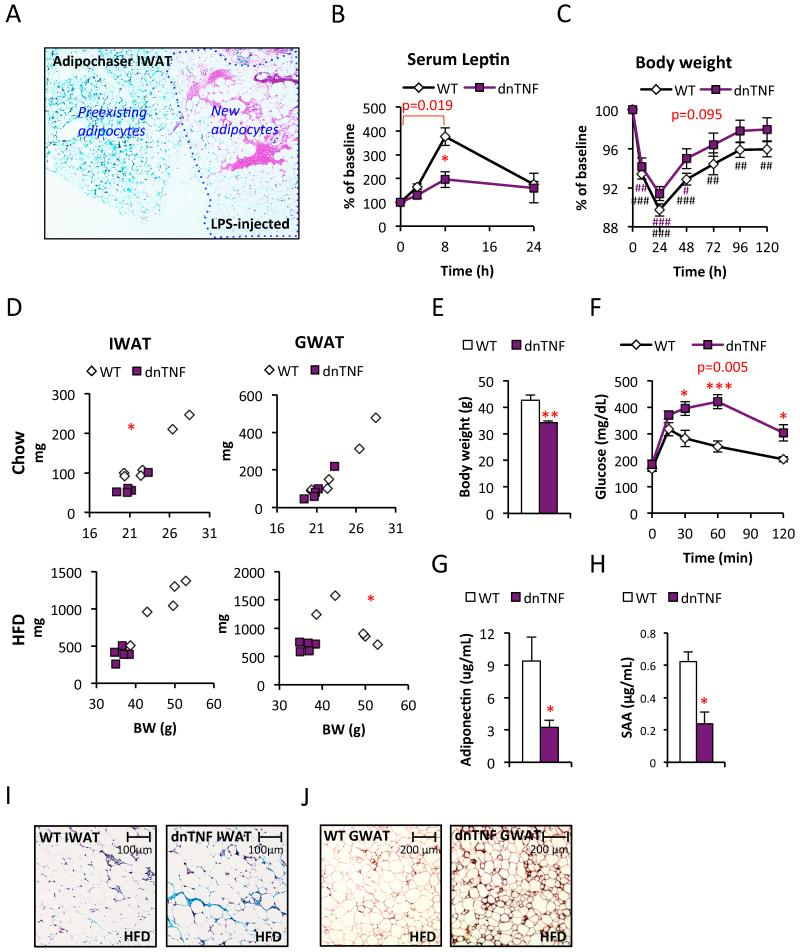
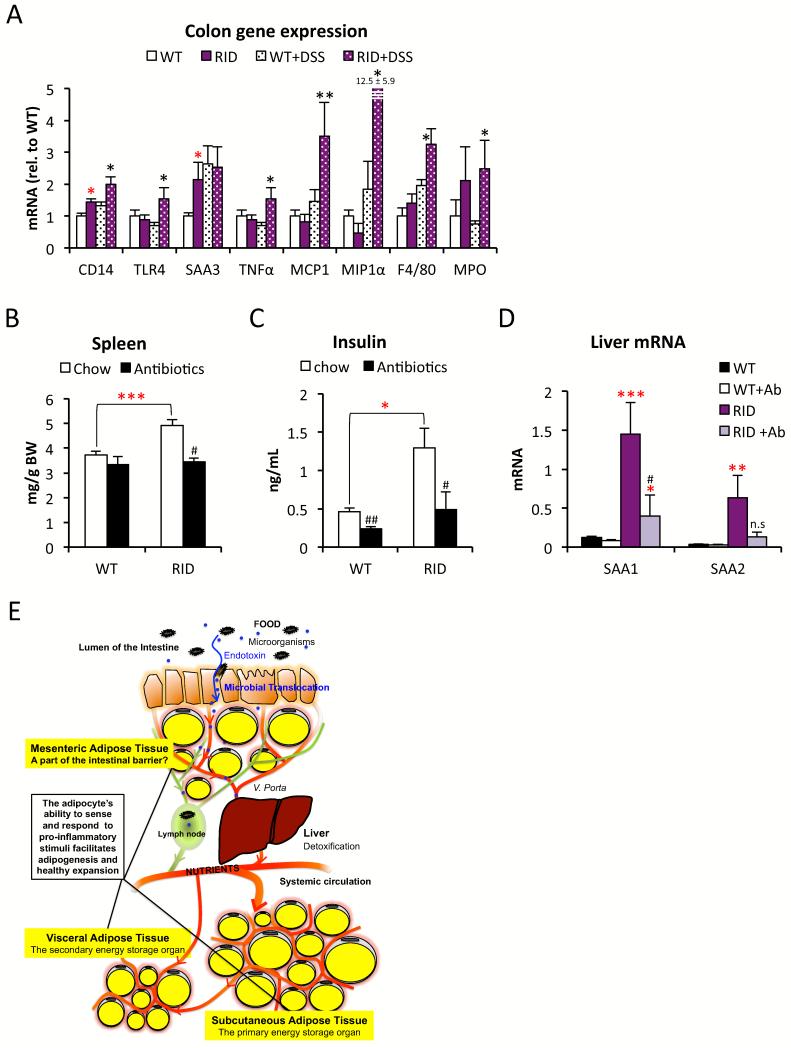
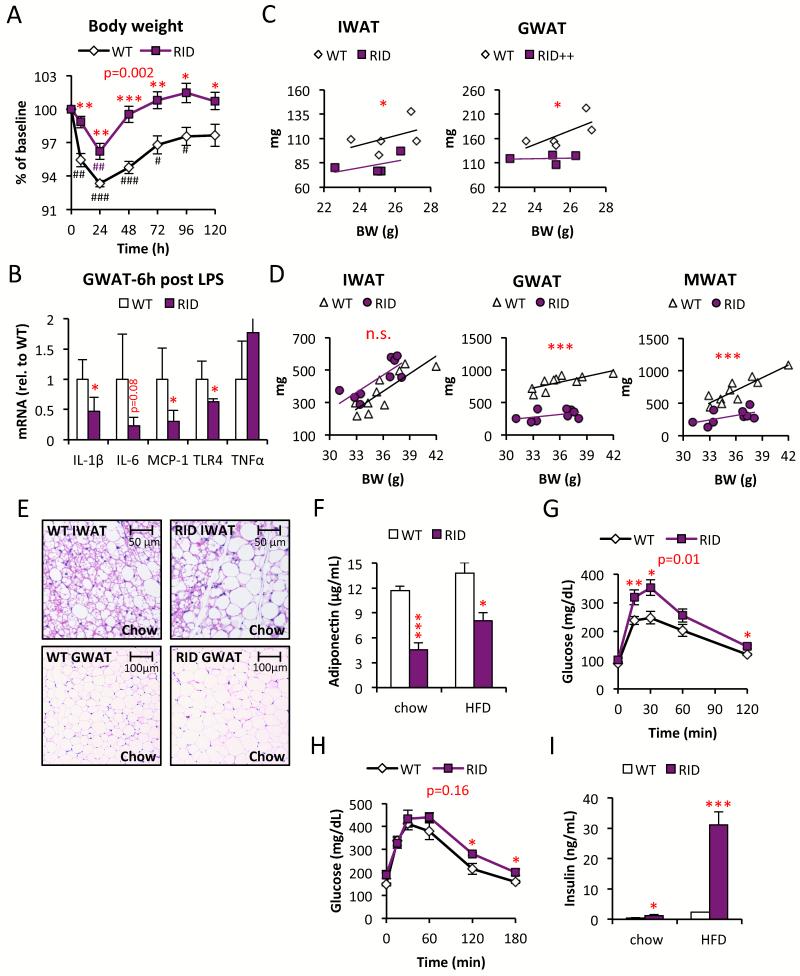
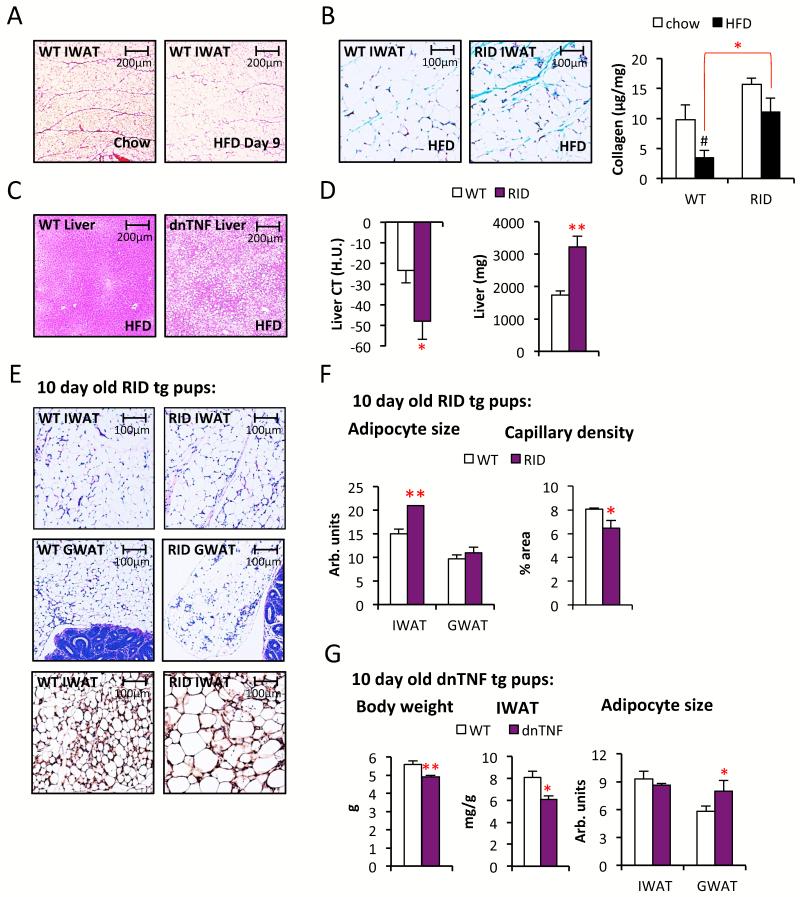
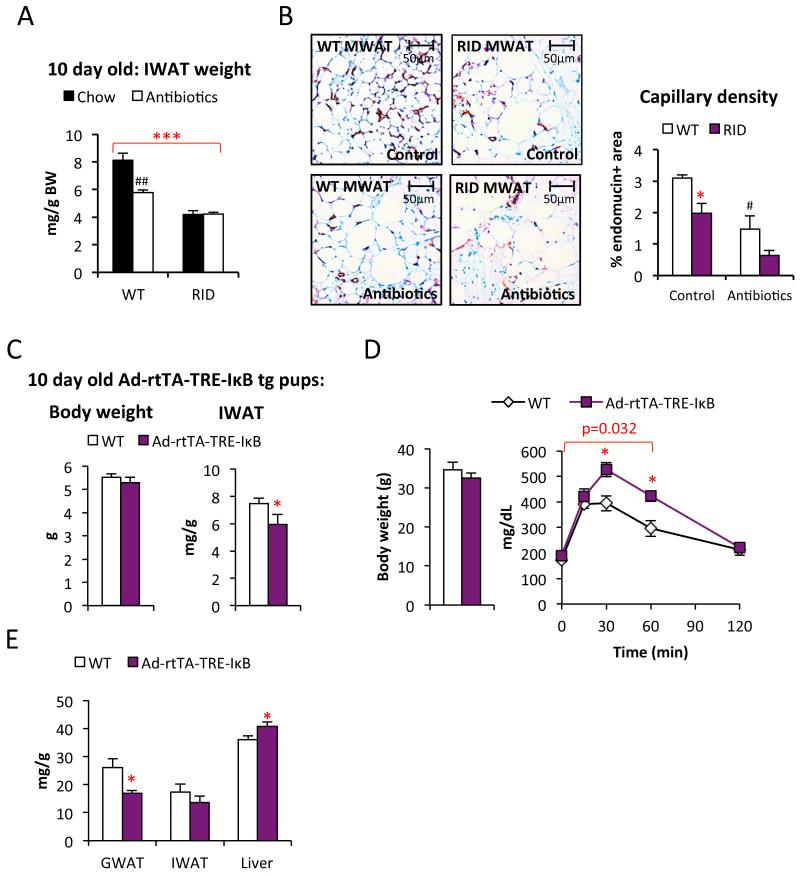
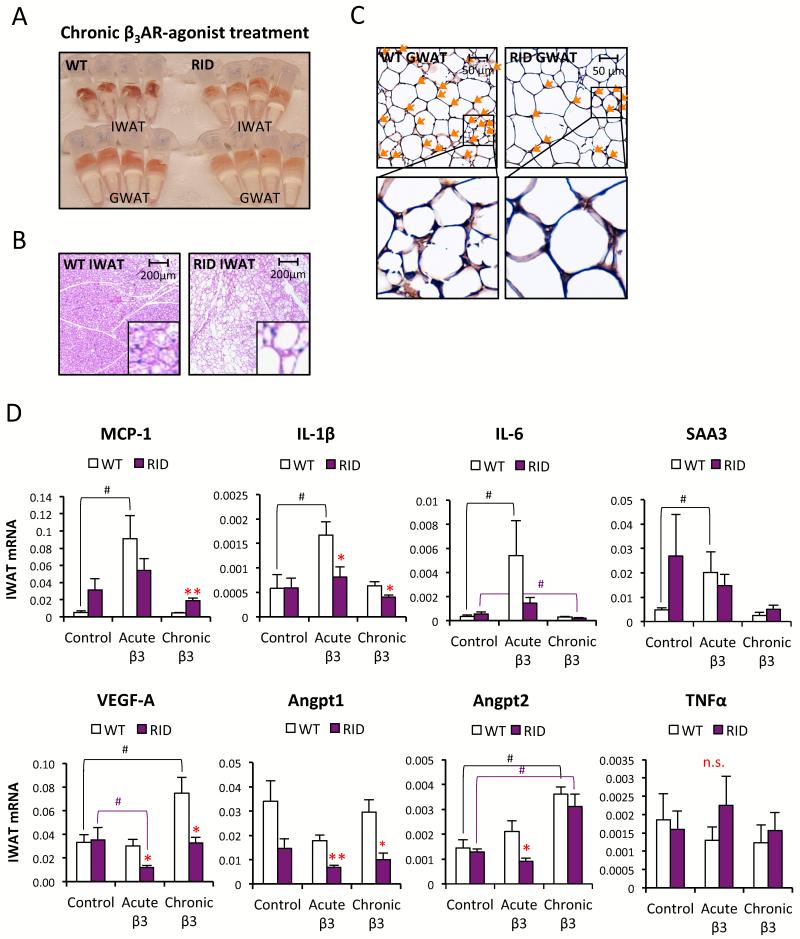
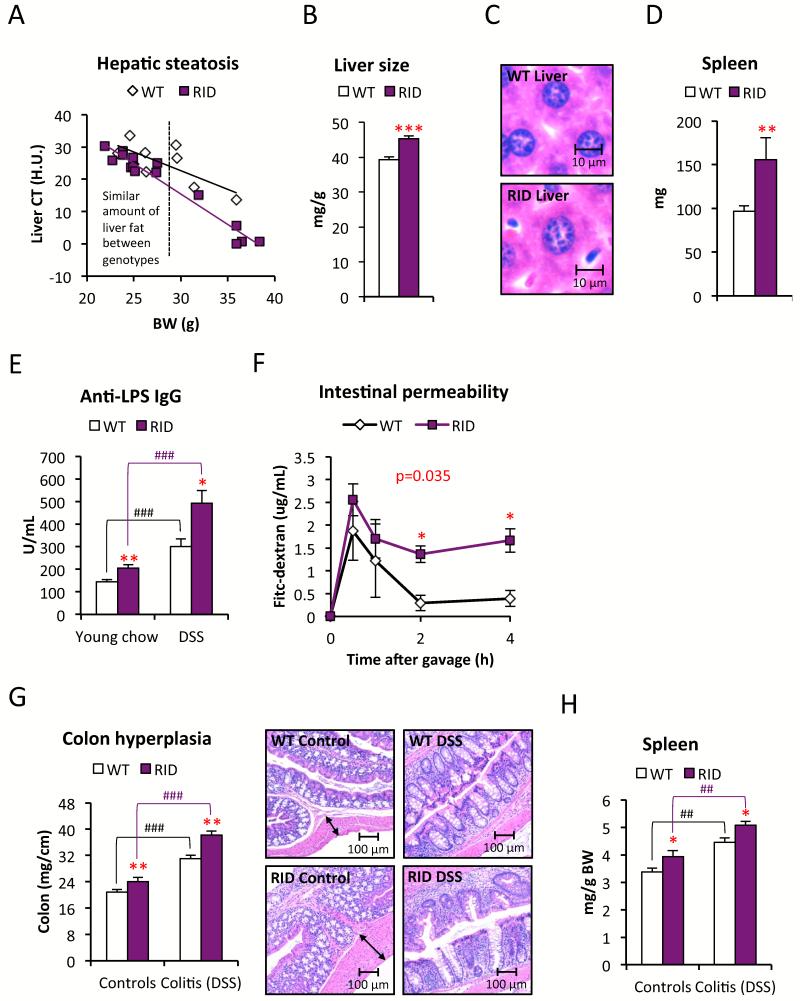
Chronic inflammation constitutes an important link between obesity and its pathophysiological sequelae. In contrast to the belief that inflammatory signals exert a fundamentally negative impact on metabolism, we show that proinflammatory signaling in the adipocyte is in fact required for proper adipose tissue remodeling and expansion. Three mouse models with an adipose tissue-specific reduction in proinflammatory potential were generated that display a reduced capacity for adipogenesis in vivo, while the differentiation potential is unaltered in vitro. Upon high-fat-diet exposure, the expansion of visceral adipose tissue is prominently affected. This is associated with decreased intestinal barrier function, increased hepatic steatosis, and metabolic dysfunction. An impaired local proinflammatory response in the adipocyte leads to increased ectopic lipid accumulation, glucose intolerance, and systemic inflammation. Adipose tissue inflammation is therefore an adaptive response that enables safe storage of excess nutrients and contributes to a visceral depot barrier that effectively filters gut-derived endotoxin.
慢性炎症是肥胖与其病理生理后果之间的重要联系。与炎症信号对代谢产生根本性负面影响的观点相反,我们发现脂肪细胞中的促炎信号实际上是适当的脂肪组织重塑和扩张所必需的。我们构建了三种脂肪组织特异性促炎潜能降低的小鼠模型,这些模型在体内显示出脂肪生成能力降低,而体外分化潜能未改变。在高脂饮食暴露后,内脏脂肪组织的扩张受到显著影响。这与肠道屏障功能降低、肝脂肪变性增加和代谢功能障碍有关。脂肪细胞中局部促炎反应受损会导致异位脂质积累增加、葡萄糖不耐受和全身炎症。因此,脂肪组织炎症是一种适应性反应,能够安全储存多余营养,并有助于形成一个有效过滤肠道来源内毒素的内脏储存屏障。