Department of Immunobiology, Yale University School of Medicine, New Haven, Connecticut 06520, USA.
Nature. 2012 Feb 1;482(7384):179-85. doi: 10.1038/nature10809.
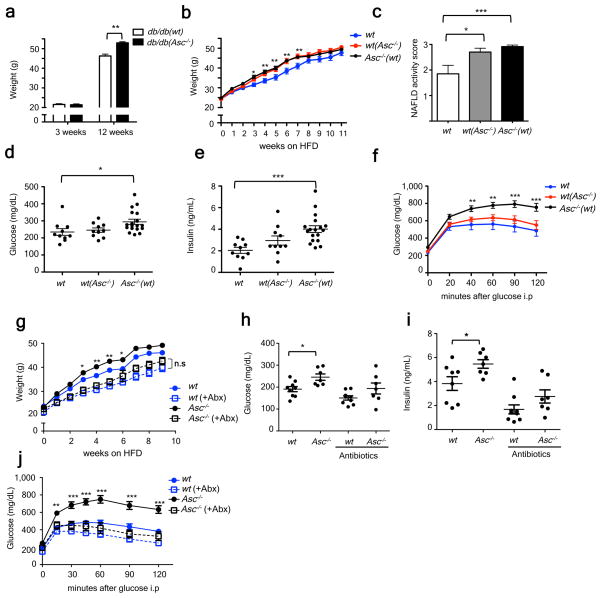
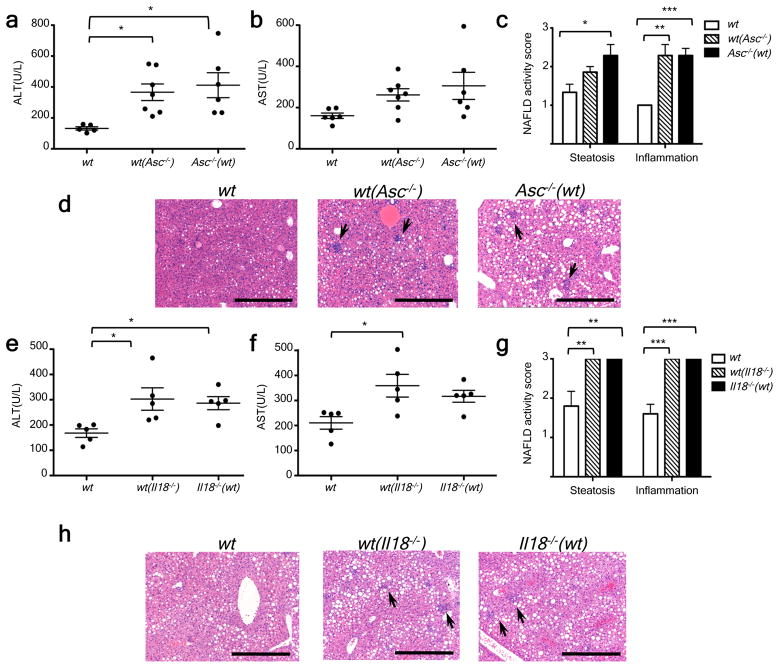
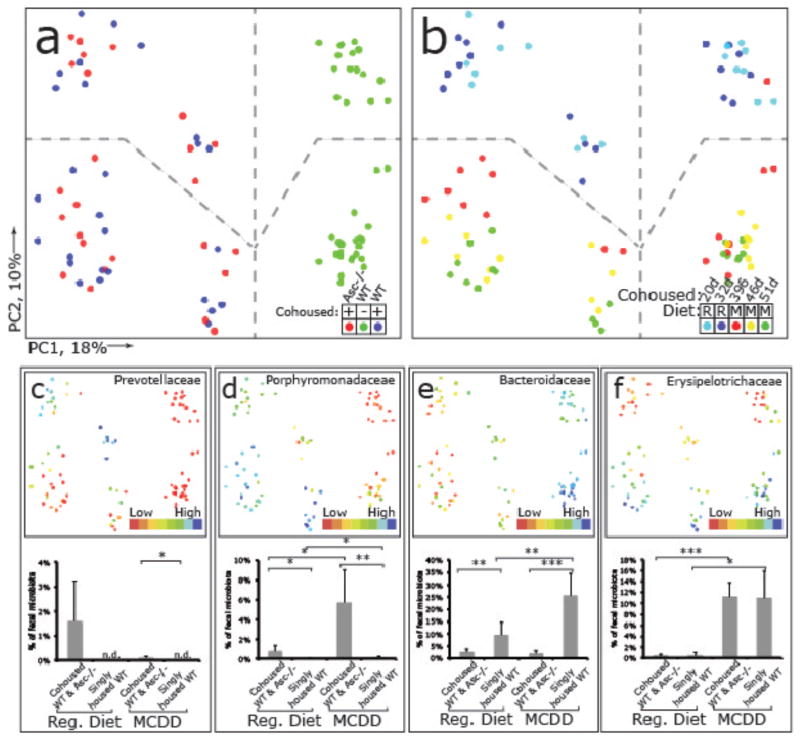
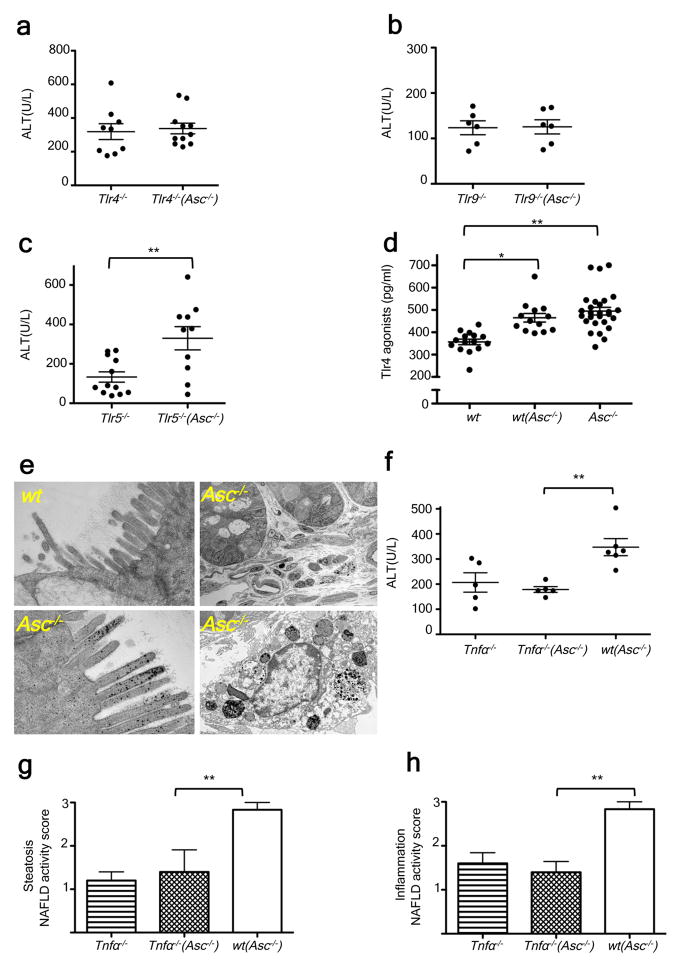
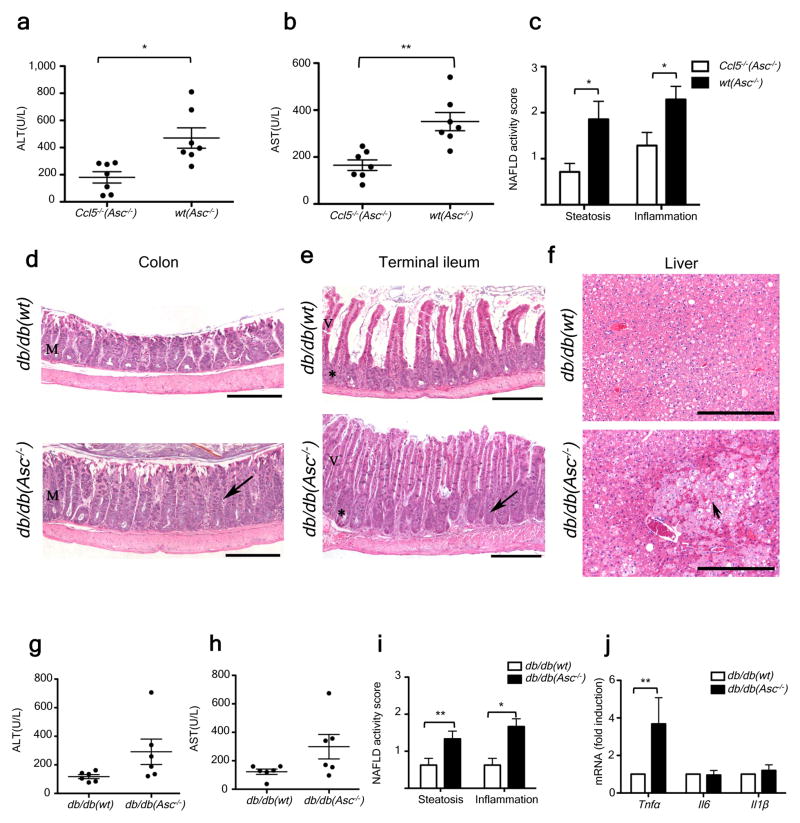
Non-alcoholic fatty liver disease (NAFLD) is the hepatic manifestation of metabolic syndrome and the leading cause of chronic liver disease in the Western world. Twenty per cent of NAFLD individuals develop chronic hepatic inflammation (non-alcoholic steatohepatitis, NASH) associated with cirrhosis, portal hypertension and hepatocellular carcinoma, yet the causes of progression from NAFLD to NASH remain obscure. Here, we show that the NLRP6 and NLRP3 inflammasomes and the effector protein IL-18 negatively regulate NAFLD/NASH progression, as well as multiple aspects of metabolic syndrome via modulation of the gut microbiota. Different mouse models reveal that inflammasome-deficiency-associated changes in the configuration of the gut microbiota are associated with exacerbated hepatic steatosis and inflammation through influx of TLR4 and TLR9 agonists into the portal circulation, leading to enhanced hepatic tumour-necrosis factor (TNF)-α expression that drives NASH progression. Furthermore, co-housing of inflammasome-deficient mice with wild-type mice results in exacerbation of hepatic steatosis and obesity. Thus, altered interactions between the gut microbiota and the host, produced by defective NLRP3 and NLRP6 inflammasome sensing, may govern the rate of progression of multiple metabolic syndrome-associated abnormalities, highlighting the central role of the microbiota in the pathogenesis of heretofore seemingly unrelated systemic auto-inflammatory and metabolic disorders.
非酒精性脂肪性肝病 (NAFLD) 是代谢综合征的肝脏表现,也是西方世界慢性肝病的主要原因。20%的 NAFLD 患者会发展为慢性肝脏炎症(非酒精性脂肪性肝炎,NASH),并伴有肝硬化、门静脉高压和肝细胞癌,但从 NAFLD 发展为 NASH 的原因仍不清楚。在这里,我们表明 NLRP6 和 NLRP3 炎性小体以及效应蛋白 IL-18 通过调节肠道微生物群负调节 NAFLD/NASH 的进展以及代谢综合征的多个方面。不同的小鼠模型表明,炎性小体缺陷相关的肠道微生物群结构变化通过 TLR4 和 TLR9 激动剂流入门静脉循环,导致肝脏肿瘤坏死因子 (TNF)-α 表达增强,从而加剧肝脂肪变性和炎症,与肝脂肪变性和炎症的加剧有关。此外,将炎性小体缺陷型小鼠与野生型小鼠共同饲养会导致肝脂肪变性和肥胖加剧。因此,由 NLRP3 和 NLRP6 炎性小体感应缺陷引起的肠道微生物群与宿主之间的相互作用改变可能控制多种代谢综合征相关异常的进展速度,突出了微生物群在以前看似无关的全身性自身炎症和代谢疾病发病机制中的核心作用。