Elsaka Shaymaa E, Hammad Shaza M, Ibrahim Noha F
Department of Dental Biomaterials, Faculty of Dentistry, Mansoura University, Mansoura 35516, Egypt.
Prog Orthod. 2014 Apr 16;15(1):33. doi: 10.1186/s40510-014-0033-1.
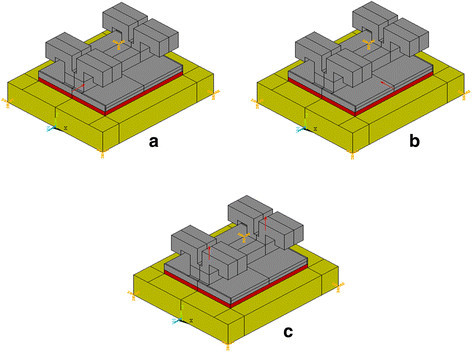
The purpose of this study was to determine the bond strength of different orthodontic bracket materials (ceramic, stainless steel, and titanium) as well as stresses developed in bracket-cement-enamel systems using finite element (FE) analysis.
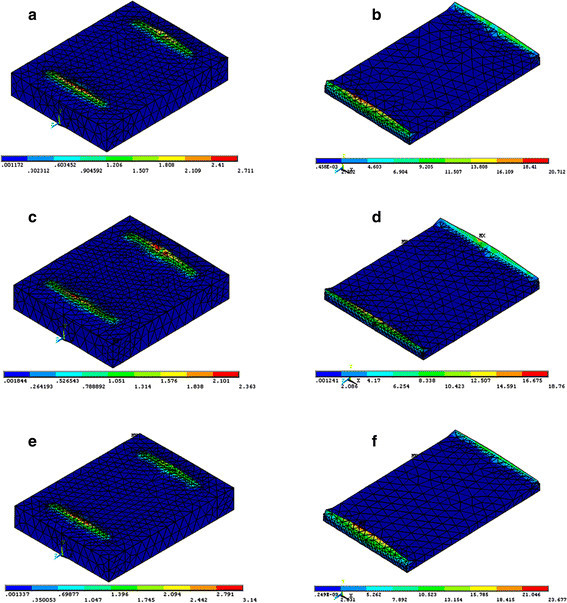
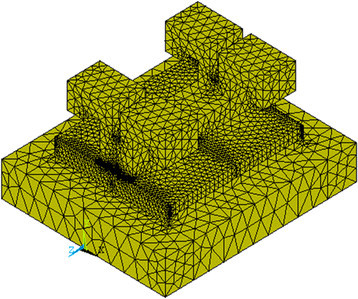
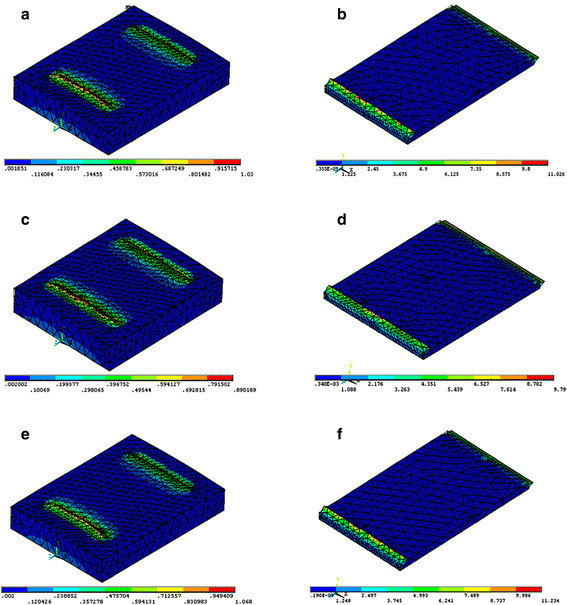
One hundred and thirty-five extracted human caries-free upper central incisors were divided into three groups (n = 45/group) according to the type of orthodontic bracket materials (stainless steel, ceramic, and titanium). Each group was further subdivided into three subgroups (n = 15/group) according to the bond strength test loading mode (shear short side, shear long side, and tensile). After debonding, the fractured specimen was examined, and the adhesive remnant index (ARI) was determined. FE analysis models analyzed the stress distribution within the cement and enamel. Bond strengths were analyzed using ANOVA and Tukey's test, and the ARI scores were analyzed using chi-square (χ2) test.
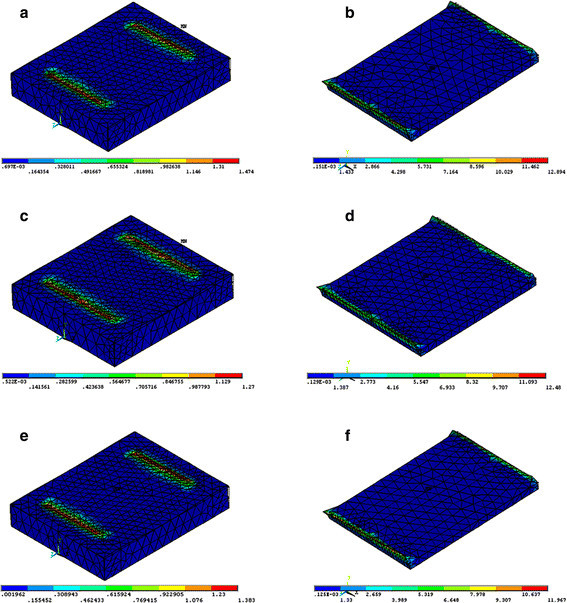
Shear loading at the short side of the bracket resulted in the highest bond strength and lowest maximum principal stress both on cement and enamel compared with the other loading modes (P < 0.05). Ceramic brackets presented with higher bond strength and lower maximum principal stress than metallic brackets (P < 0.05). There was a significant difference for ARI scores between the type of brackets (χ2 = 64.852, P < 0.001).
The findings suggest that the manner of loading orthodontic brackets and the selection of orthodontic bracket materials affect the bond strength and stresses developed both on cement and enamel.
本研究的目的是使用有限元(FE)分析来确定不同正畸托槽材料(陶瓷、不锈钢和钛)的粘结强度,以及托槽 - 粘结剂 - 牙釉质系统中产生的应力。
135颗拔除的无龋人类上颌中切牙根据正畸托槽材料类型(不锈钢、陶瓷和钛)分为三组(每组n = 45)。每组再根据粘结强度测试加载方式(短边剪切、长边剪切和拉伸)进一步细分为三个亚组(每组n = 15)。脱粘后,检查断裂的标本,并确定粘结剂残留指数(ARI)。有限元分析模型分析了粘结剂和牙釉质内的应力分布。使用方差分析和Tukey检验分析粘结强度,使用卡方(χ2)检验分析ARI评分。
与其他加载方式相比,托槽短边的剪切加载在粘结剂和牙釉质上均产生了最高的粘结强度和最低的最大主应力(P < 0.05)。陶瓷托槽比金属托槽具有更高的粘结强度和更低的最大主应力(P < 0.05)。托槽类型之间的ARI评分存在显著差异(χ2 = 64.852,P < 0.001)。
研究结果表明,正畸托槽的加载方式和正畸托槽材料的选择会影响粘结剂和牙釉质上的粘结强度和产生的应力。