Han Jian, Lei Yaxin, Liu Lin, Liu Peng, Xia Junke, Zhang Yulin, Zeng Hang, Wang Lin, Wang Ling, Zhuang Hui
Department of Microbiology, School of Basic Medical Sciences, Peking University Health Science Center, Beijing, China.
PLoS One. 2014 Jun 17;9(6):e99861. doi: 10.1371/journal.pone.0099861. eCollection 2014.
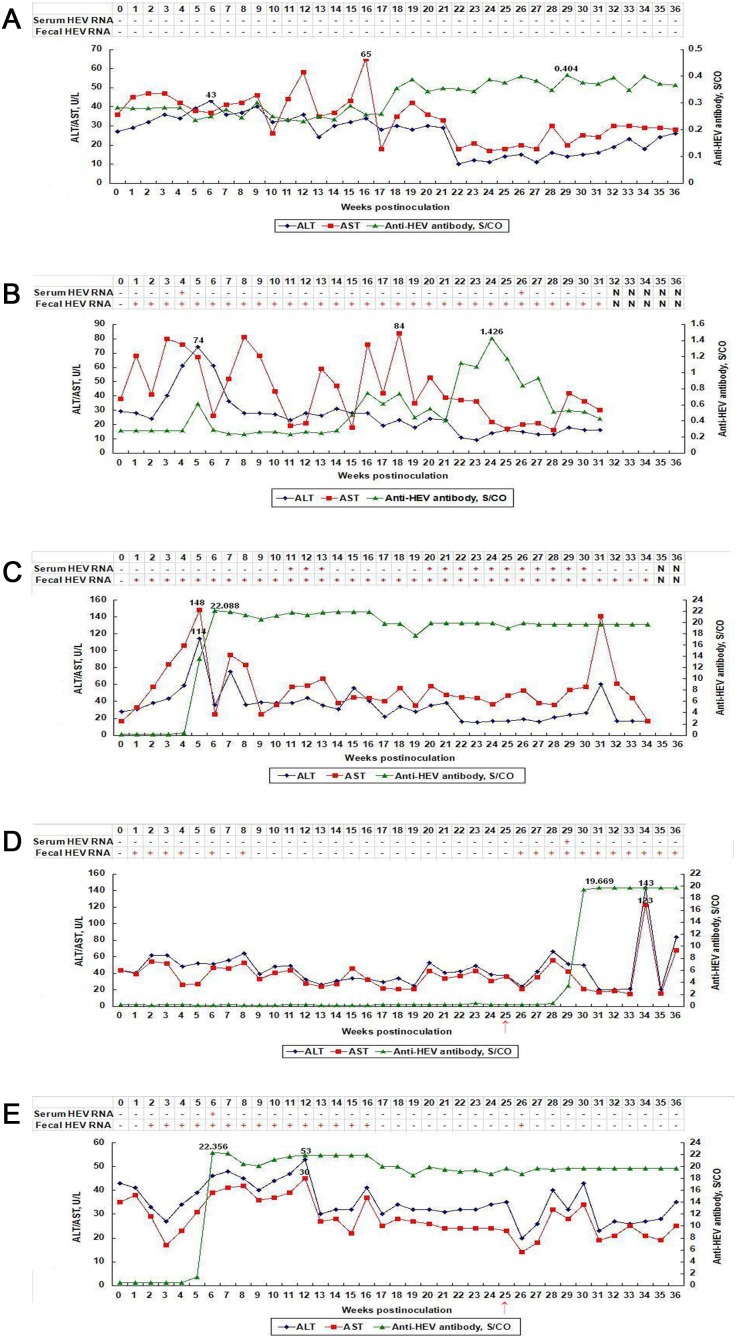
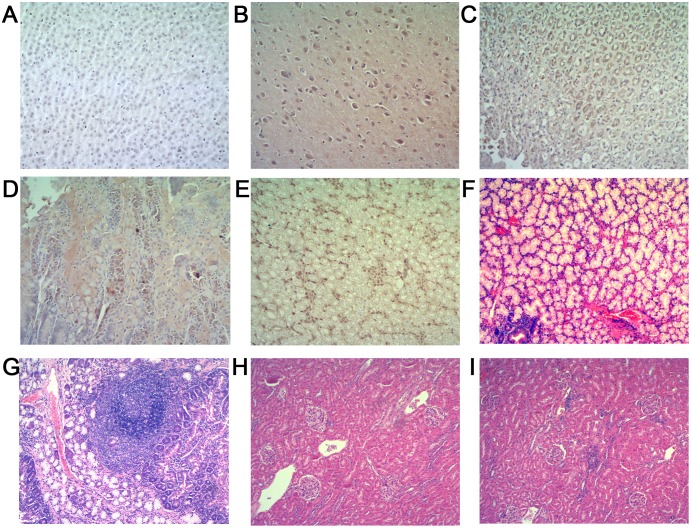
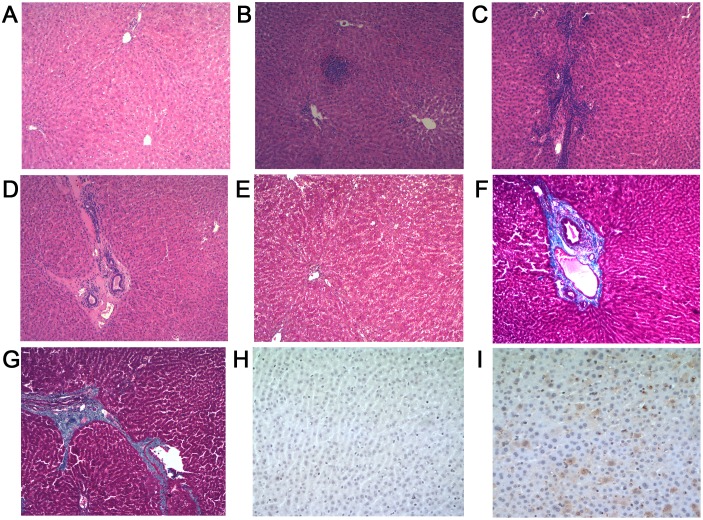
This study focused on investigating the pathogenesis seen in specific-pathogen-free (SPF) rabbits following infection with a homologous rabbit HEV isolate (CHN-BJ-rb14) and comparing it to that seen following infection with a heterologous swine genotype 4 HEV isolate (CHN-XJ-SW13). Three of the four animals inoculated with the homologous rabbit HEV became infected, exhibiting an intermittent viremia, obvious fluctuations of liver function biomarkers alanine aminotransferase (ALT) and aspartate aminotransferase (AST), and persistent fecal virus shedding throughout the nine month study. In addition, liver histopathology showed both chronic inflammation and some degree of fibrosis. Both positive and negative-stranded HEV RNA and HEV antigen expression were detected in liver, brain, stomach, duodenum and kidney from the necropsied rabbits. Inflammation of extrahepatic tissue (duodenum and kidney) was also observed. Three of the four rabbits inoculated with the heterologous genotype 4 swine HEV also became infected, showing similar levels of anti-HEV antibody to that generated following infection with the homologous virus isolate. The duration of both viremia and fecal shedding of virus was however shorter following infection with the heterologous virus and there was no significant elevation of liver function biomarkers. These results suggest that rabbit HEV infection may cause more severe hepatitis and prolong the course of the disease, with a possible chronic trend of hepatitis in SPF rabbits.
本研究着重调查无特定病原体(SPF)兔感染同源兔戊型肝炎病毒分离株(CHN-BJ-rb14)后的发病机制,并将其与感染异源猪4型戊型肝炎病毒分离株(CHN-XJ-SW13)后的发病机制进行比较。接种同源兔戊型肝炎病毒的四只动物中有三只被感染,在整个九个月的研究中呈现间歇性病毒血症、肝功能生物标志物丙氨酸氨基转移酶(ALT)和天冬氨酸氨基转移酶(AST)明显波动以及持续的粪便病毒排出。此外,肝脏组织病理学显示既有慢性炎症又有一定程度的纤维化。在尸检兔子的肝脏、脑、胃、十二指肠和肾脏中均检测到正链和负链戊型肝炎病毒RNA以及戊型肝炎病毒抗原表达。还观察到肝外组织(十二指肠和肾脏)的炎症。接种异源4型猪戊型肝炎病毒的四只兔子中有三只也被感染,其抗戊型肝炎病毒抗体水平与感染同源病毒分离株后产生的抗体水平相似。然而,感染异源病毒后病毒血症和粪便排毒的持续时间较短,且肝功能生物标志物无显著升高。这些结果表明,兔戊型肝炎病毒感染可能导致更严重的肝炎并延长病程,在SPF兔中可能存在肝炎的慢性化趋势。