Metabolic Remodelling Laboratory, Metabolic Research Unit, School of Medicine, Deakin University, Geelong, Australia.
Metabolic Remodelling Laboratory, Metabolic Research Unit, School of Medicine, Deakin University, Geelong, Australia ; Cell Signalling and Metabolism Division, Baker IDI Heart and Diabetes Institute, Melbourne, Australia.
Mol Metab. 2014 Mar 12;3(4):408-18. doi: 10.1016/j.molmet.2014.02.001. eCollection 2014 Jul.
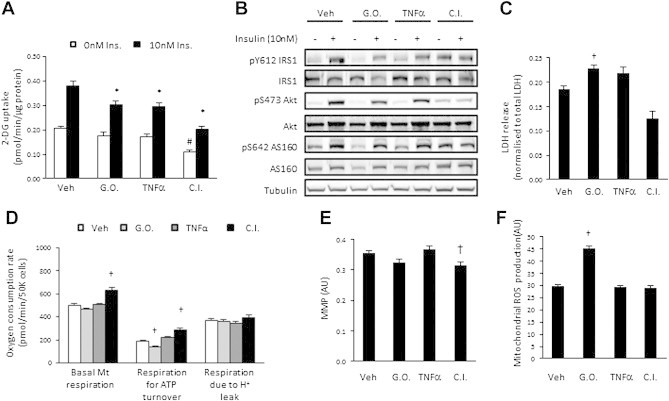
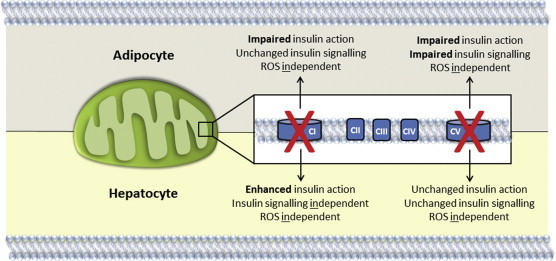
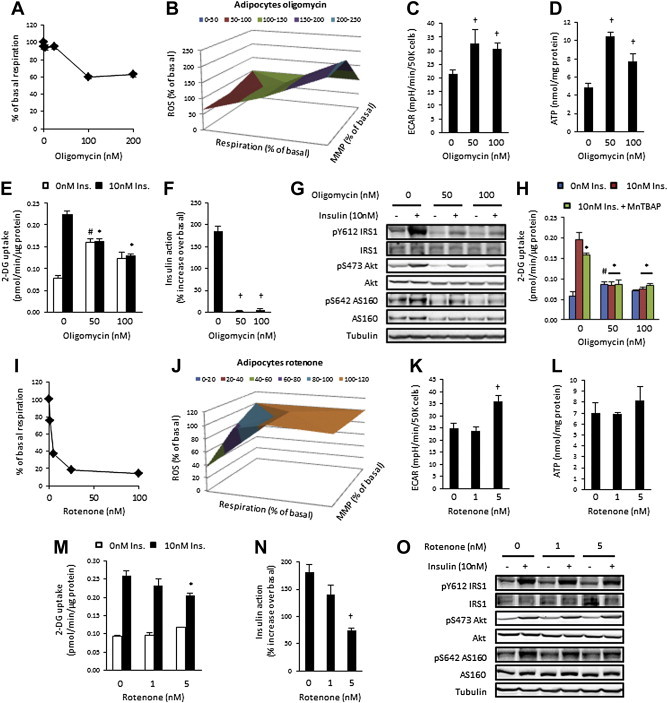
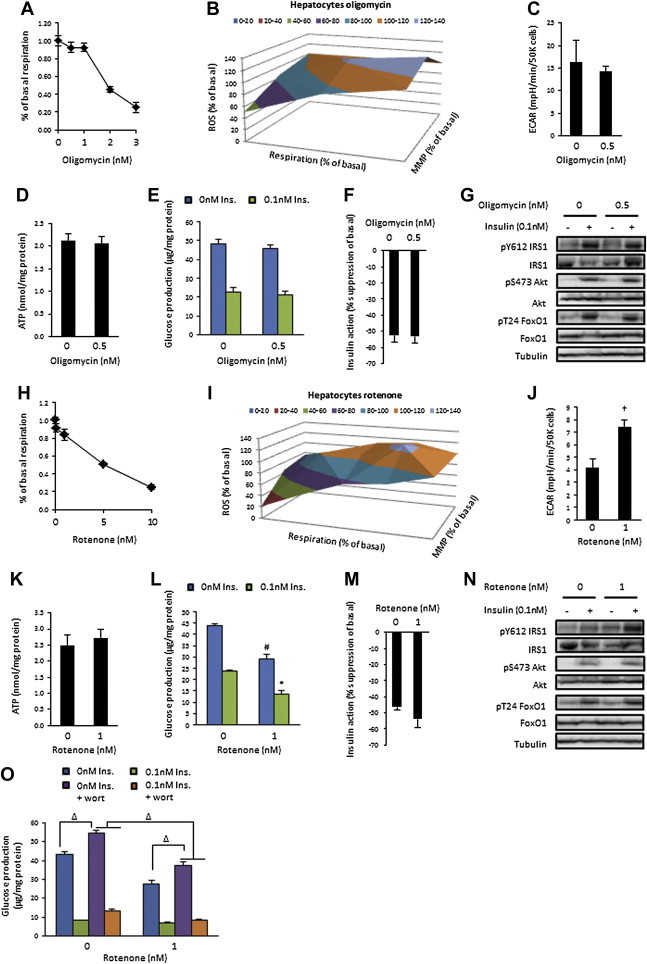
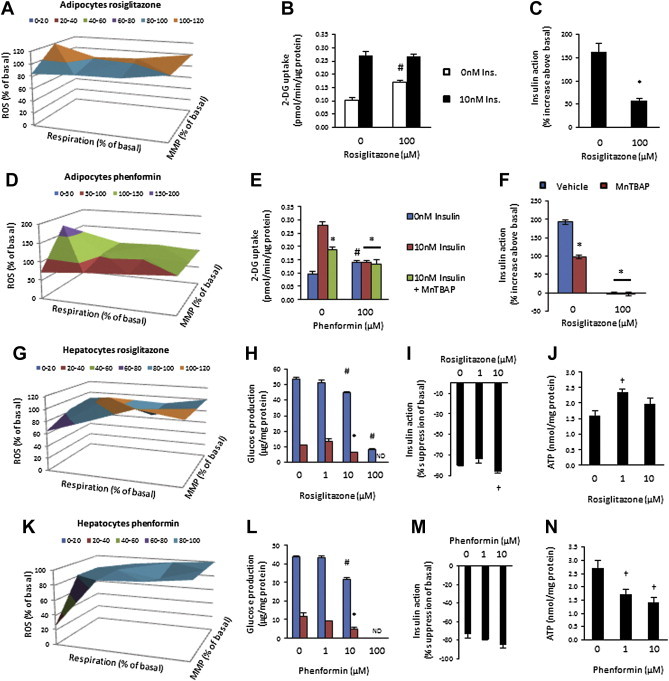
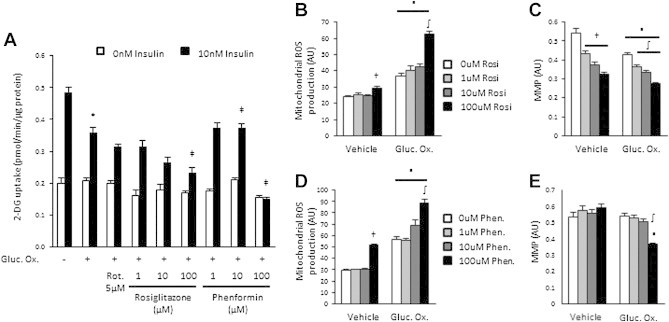
The contribution of mitochondrial dysfunction to insulin resistance is a contentious issue in metabolic research. Recent evidence implicates mitochondrial dysfunction as contributing to multiple forms of insulin resistance. However, some models of mitochondrial dysfunction fail to induce insulin resistance, suggesting greater complexity describes mitochondrial regulation of insulin action. We report that mitochondrial dysfunction is not necessary for cellular models of insulin resistance. However, impairment of mitochondrial function is sufficient for insulin resistance in a cell type-dependent manner, with impaired mitochondrial function inducing insulin resistance in adipocytes, but having no effect, or insulin sensitising effects in hepatocytes. The mechanism of mitochondrial impairment was important in determining the impact on insulin action, but was independent of mitochondrial ROS production. These data can account for opposing findings on this issue and highlight the complexity of mitochondrial regulation of cell type-specific insulin action, which is not described by current reductionist paradigms.
线粒体功能障碍与胰岛素抵抗的关系是代谢研究中的一个有争议的问题。最近的证据表明,线粒体功能障碍与多种形式的胰岛素抵抗有关。然而,一些线粒体功能障碍模型未能诱导胰岛素抵抗,这表明线粒体对胰岛素作用的调节更为复杂。我们报告说,线粒体功能障碍不是胰岛素抵抗的细胞模型所必需的。然而,线粒体功能的损害足以以细胞类型依赖的方式诱导胰岛素抵抗,其中受损的线粒体功能在脂肪细胞中诱导胰岛素抵抗,但在肝细胞中没有作用或胰岛素增敏作用。线粒体损伤的机制对于确定其对胰岛素作用的影响很重要,但与线粒体 ROS 产生无关。这些数据可以解释这个问题上的相反发现,并强调了线粒体对细胞类型特异性胰岛素作用的调节的复杂性,这是当前的简化范式所无法描述的。