Sheridan Graham K, Moeendarbary Emad, Pickering Mark, O'Connor John J, Murphy Keith J
Department of Physiology, Development and Neuroscience, University of Cambridge, Cambridge, United Kingdom.
Hughes Hall, University of Cambridge, Cambridge, United Kingdom.
PLoS One. 2014 Jun 20;9(6):e100546. doi: 10.1371/journal.pone.0100546. eCollection 2014.
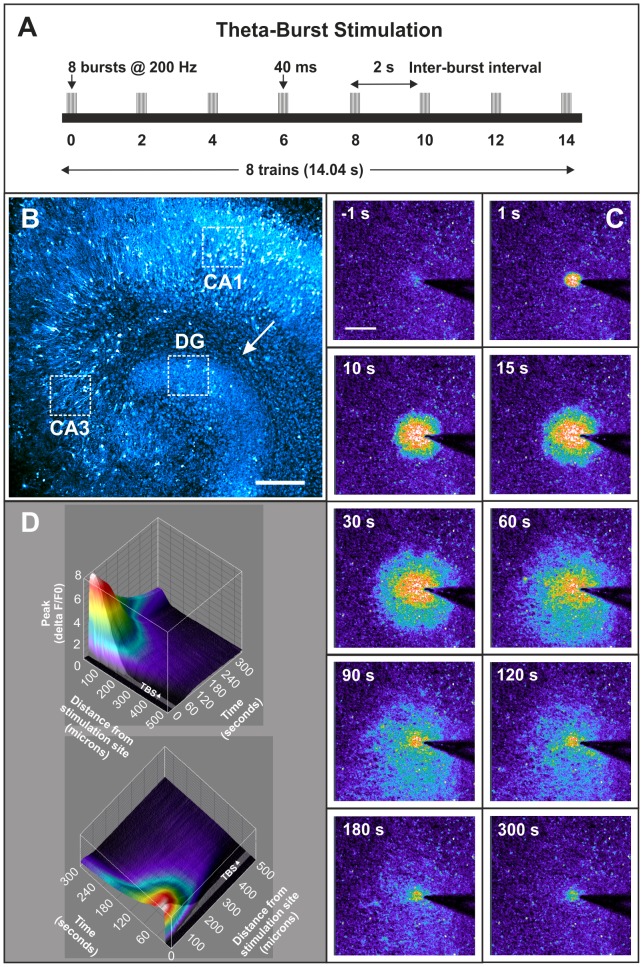
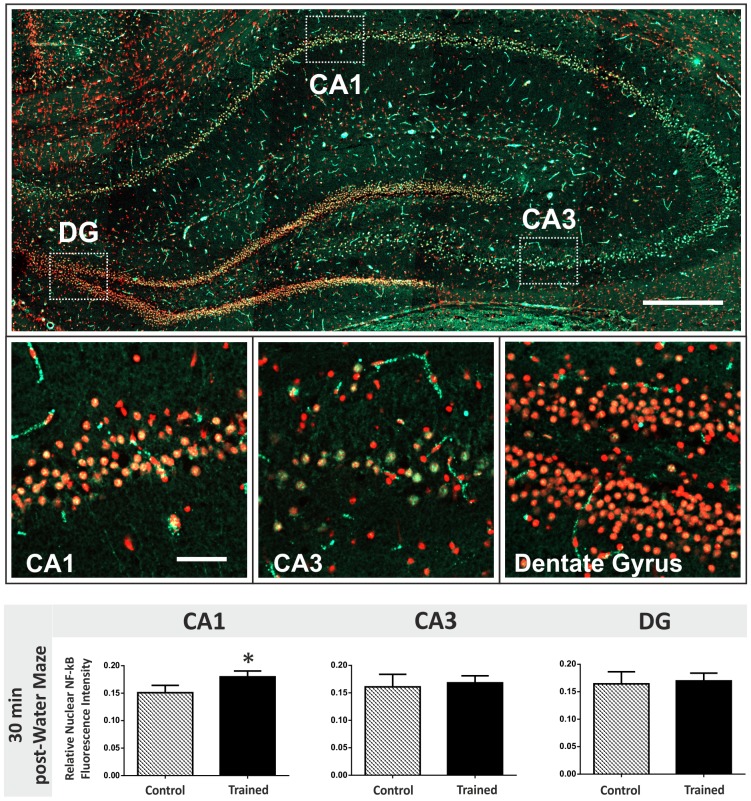
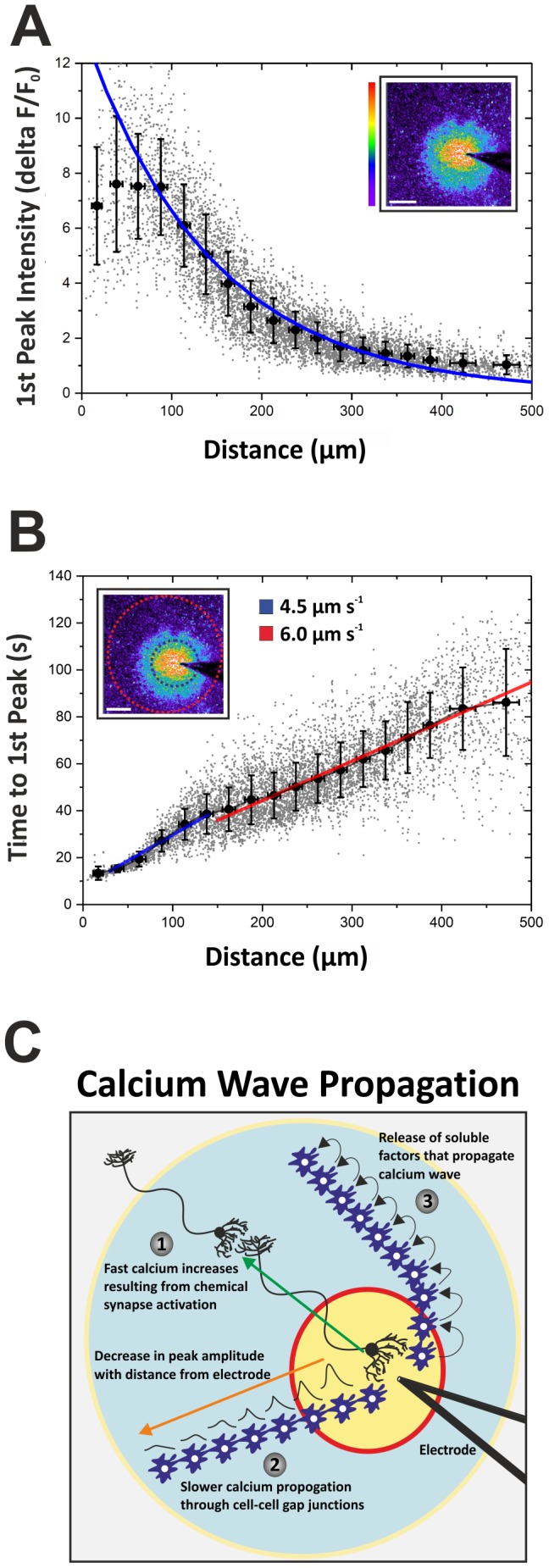
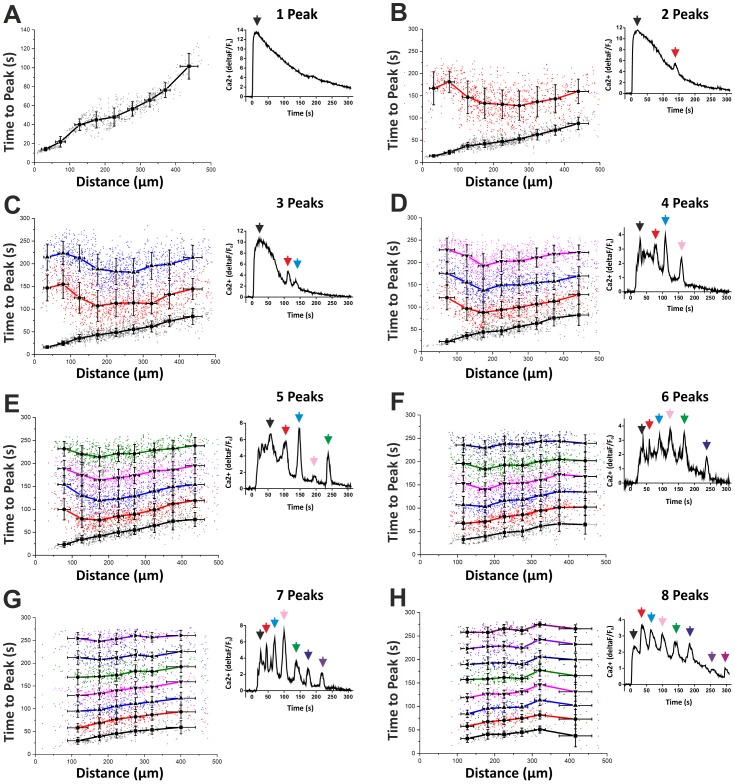
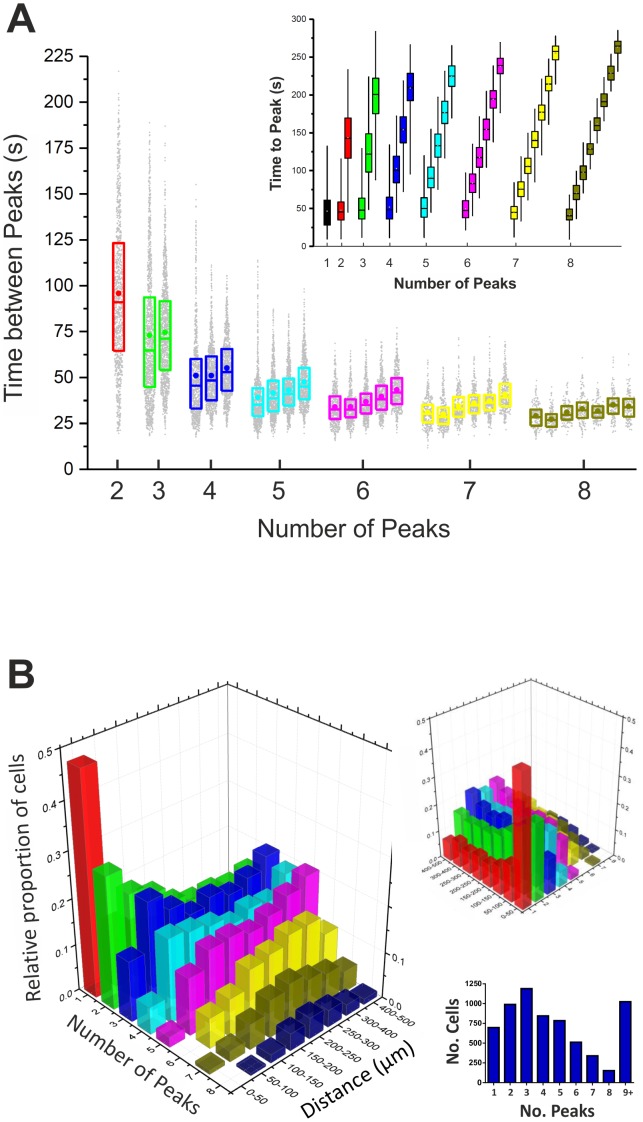
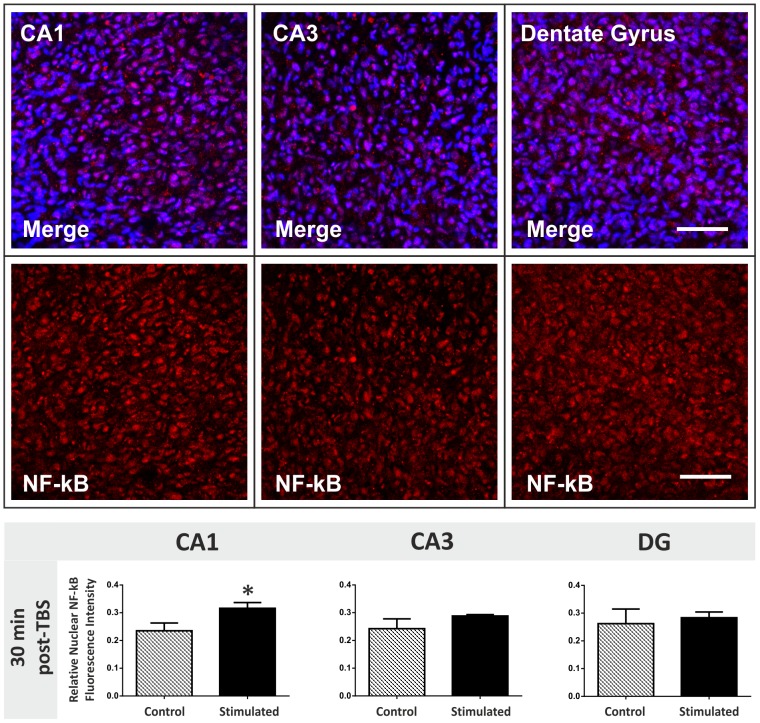
Over four decades ago, it was discovered that high-frequency stimulation of the dentate gyrus induces long-term potentiation (LTP) of synaptic transmission. LTP is believed to underlie how we process and code external stimuli before converting it to salient information that we store as 'memories'. It has been shown that rats performing spatial learning tasks display theta-frequency (3-12 Hz) hippocampal neural activity. Moreover, administering theta-burst stimulation (TBS) to hippocampal slices can induce LTP. TBS triggers a sustained rise in intracellular calcium [Ca2+]i in neurons leading to new protein synthesis important for LTP maintenance. In this study, we measured TBS-induced [Ca2+]i oscillations in thousands of cells at increasing distances from the source of stimulation. Following TBS, a calcium wave propagates radially with an average speed of 5.2 µm/s and triggers multiple and regular [Ca2+]i oscillations in the hippocampus. Interestingly, the number and frequency of [Ca2+]i fluctuations post-TBS increased with respect to distance from the electrode. During the post-tetanic phase, 18% of cells exhibited 3 peaks in [Ca2+]i with a frequency of 17 mHz, whereas 2.3% of cells distributed further from the electrode displayed 8 [Ca2+]i oscillations at 33 mHz. We suggest that these observed [Ca2+]i oscillations could lead to activation of transcription factors involved in synaptic plasticity. In particular, the transcription factor, NF-κB, has been implicated in memory formation and is up-regulated after LTP induction. We measured increased activation of NF-κB 30 min post-TBS in CA1 pyramidal cells and also observed similar temporal up-regulation of NF-κB levels in CA1 neurons following water maze training in rats. Therefore, TBS of hippocampal slice cultures in vitro can mimic the cell type-specific up-regulations in activated NF-κB following spatial learning in vivo. This indicates that TBS may induce similar transcriptional changes to spatial learning and that TBS-triggered [Ca2+]i oscillations could activate memory-associated gene expression.
四十多年前,人们发现对齿状回进行高频刺激会诱导突触传递的长时程增强(LTP)。LTP被认为是我们在将外部刺激转化为作为“记忆”存储的显著信息之前,对其进行处理和编码的基础。研究表明,执行空间学习任务的大鼠会表现出theta频率(3 - 12赫兹)的海马神经活动。此外,对海马切片施加theta爆发刺激(TBS)可诱导LTP。TBS会引发神经元细胞内钙[Ca2+]i的持续升高,从而导致对LTP维持至关重要的新蛋白质合成。在本研究中,我们测量了在距刺激源不同距离处的数千个细胞中TBS诱导的[Ca2+]i振荡。TBS后,钙波以平均5.2微米/秒的速度径向传播,并在海马体中引发多次有规律的[Ca2+]i振荡。有趣的是,TBS后[Ca2+]i波动的数量和频率随着与电极距离的增加而增加。在强直后阶段,18%的细胞在[Ca2+]i中表现出3个峰值,频率为17毫赫兹,而距离电极更远的2.3%的细胞在33毫赫兹时显示出8次[Ca2+]i振荡。我们认为,这些观察到的[Ca2+]i振荡可能会导致参与突触可塑性的转录因子的激活。特别是,转录因子NF-κB与记忆形成有关,并且在LTP诱导后会上调。我们测量了TBS后30分钟CA1锥体细胞中NF-κB的激活增加,并且在大鼠水迷宫训练后,也观察到CA1神经元中NF-κB水平类似的时间上调。因此,体外海马切片培养物的TBS可以模拟体内空间学习后激活的NF-κB中细胞类型特异性的上调。这表明TBS可能诱导与空间学习类似的转录变化,并且TBS引发的[Ca2+]i振荡可能激活与记忆相关的基因表达。