König Fabian, Hollweck Trixi, Pfeifer Stefan, Reichart Bruno, Wintermantel Erich, Hagl Christian, Akra Bassil
Chair of Medical Engineering, Technical University Munich, Boltzmannstrasse 15, Garching 85748, Germany.
Department of Cardiac Surgery, Medical Center Munich University, Marchioninistr. 15, Munich 81377, Germany.
J Funct Biomater. 2012 Jul 19;3(3):480-96. doi: 10.3390/jfb3030480.
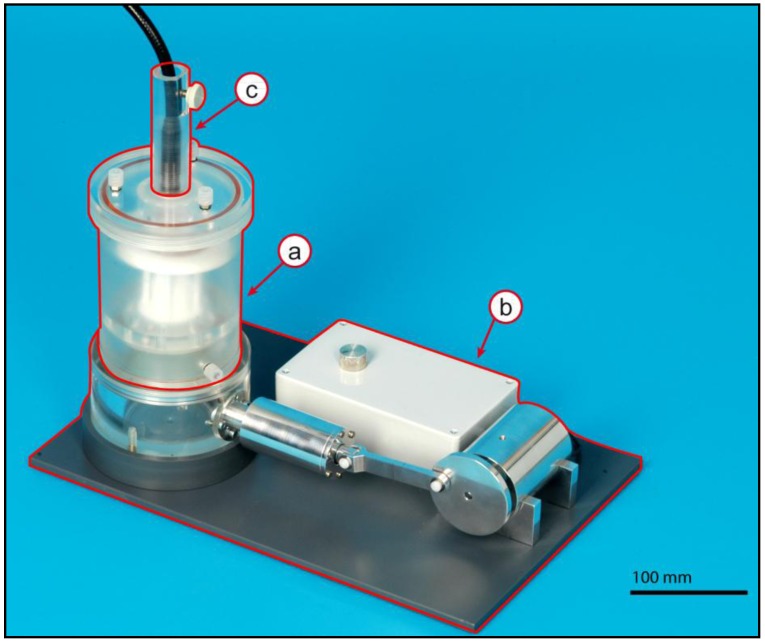
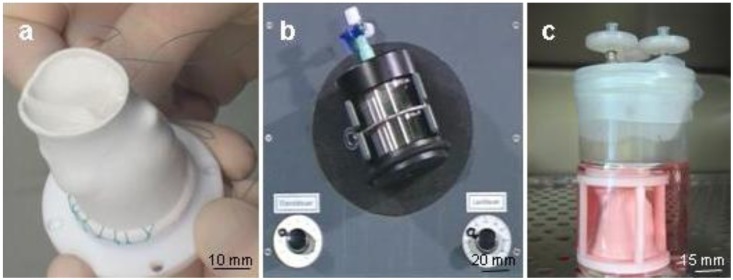
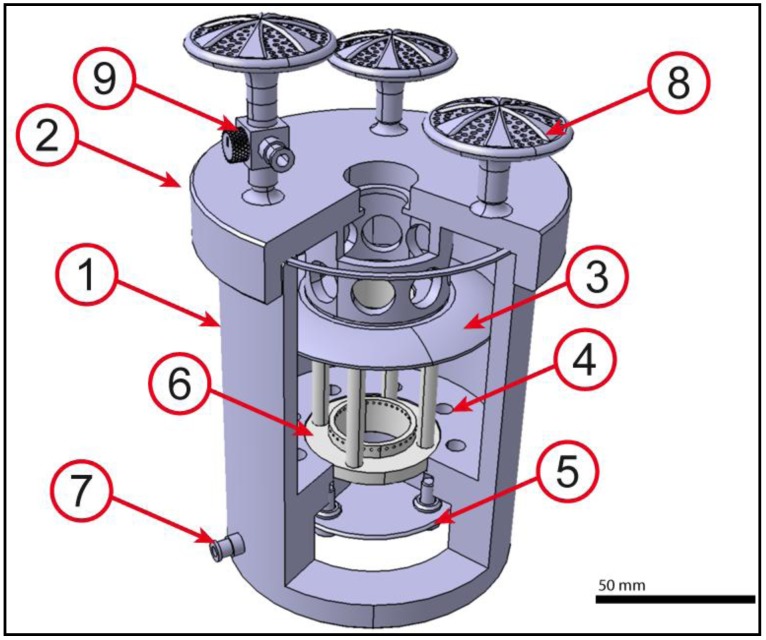
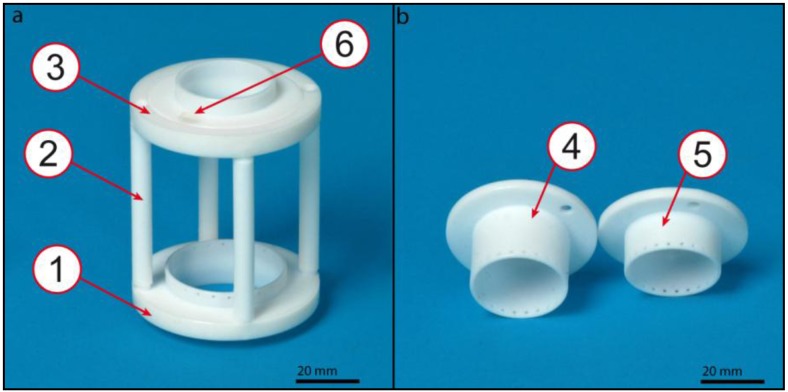
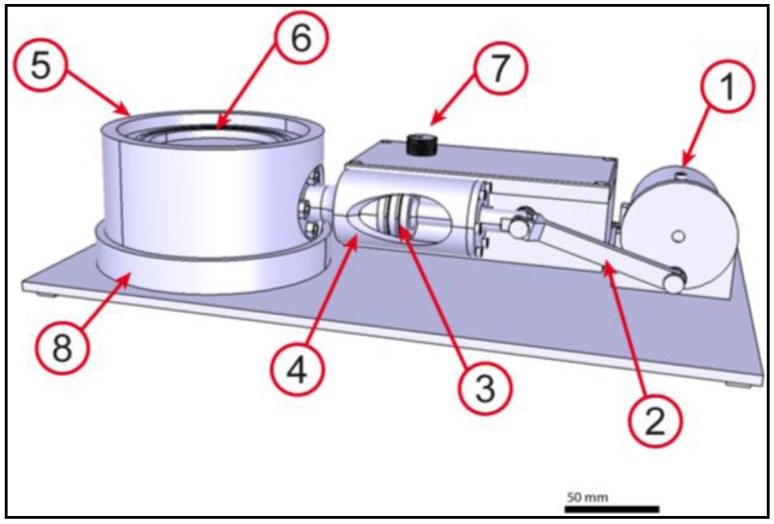
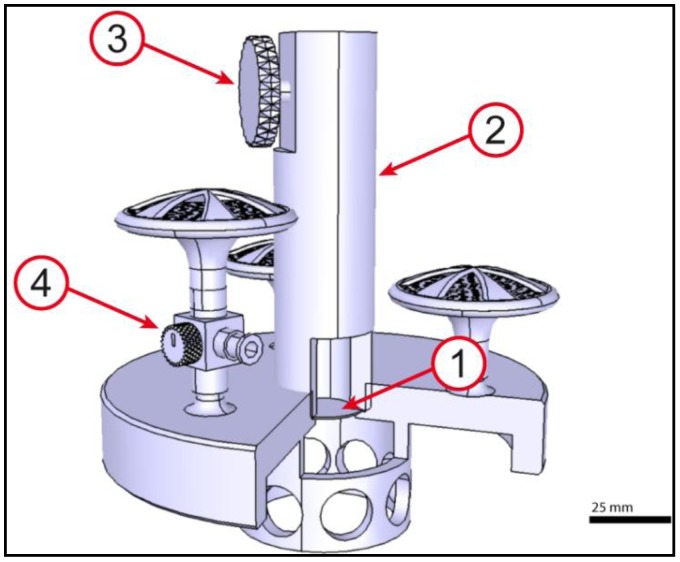
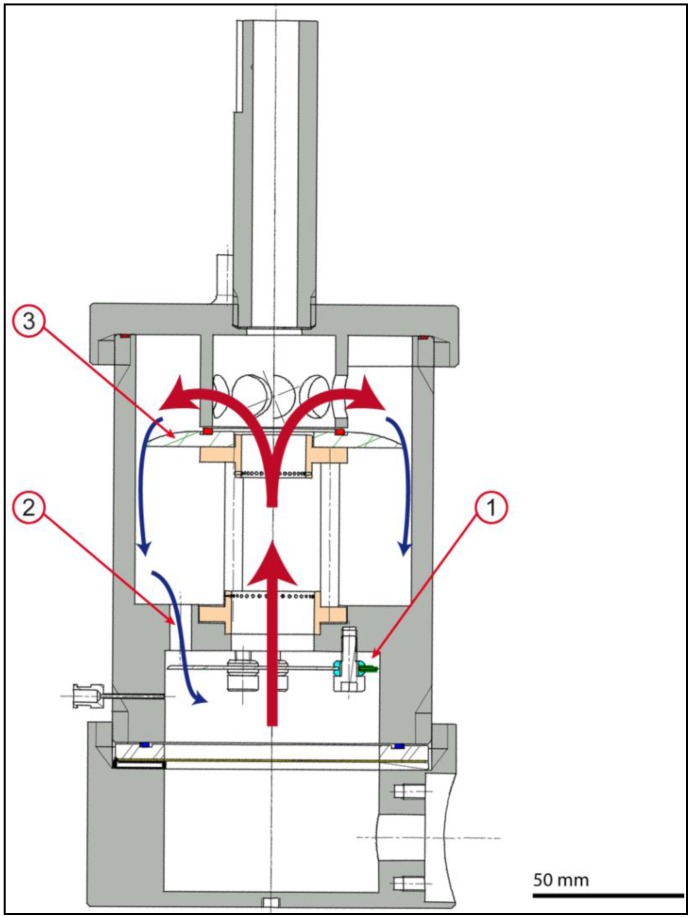
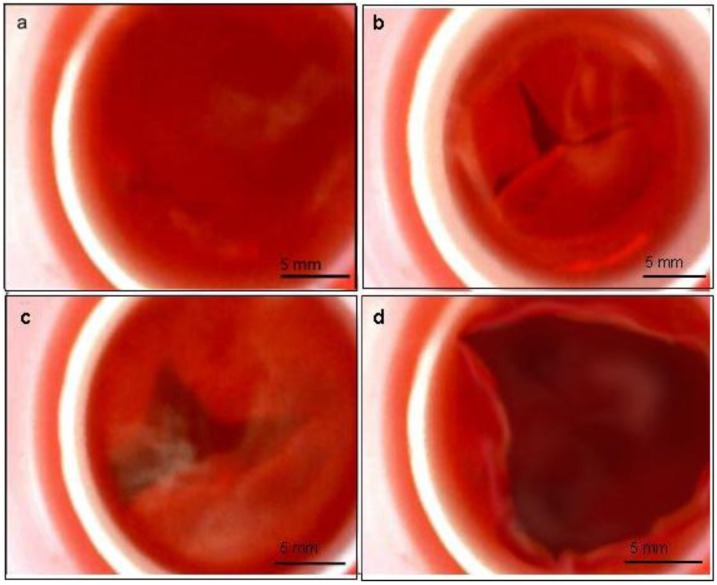
Heart valve disease (HVD) is a globally increasing problem and accounts for thousands of deaths yearly. Currently end-stage HVD can only be treated by total valve replacement, however with major drawbacks. To overcome the limitations of conventional substitutes, a new clinical approach based on cell colonization of artificially manufactured heart valves has been developed. Even though this attempt seems promising, a confluent and stable cell layer has not yet been achieved due to the high stresses present in this area of the human heart. This study describes a bioreactor with a new approach to cell conditioning of tissue engineered heart valves. The bioreactor provides a low pulsatile flow that grants the correct opening and closing of the valve without high shear stresses. The flow rate can be regulated allowing a steady and sensitive conditioning process. Furthermore, the correct functioning of the valve can be monitored by endoscope surveillance in real-time. The tubeless and modular design allows an accurate, simple and faultless assembly of the reactor in a laminar flow chamber. It can be concluded that the bioreactor provides a strong tool for dynamic pre-conditioning and monitoring of colonized heart valve prostheses physiologically exposed to shear stress.
心脏瓣膜病(HVD)是一个在全球范围内日益严重的问题,每年导致数千人死亡。目前,终末期HVD只能通过全瓣膜置换进行治疗,但存在重大缺陷。为了克服传统替代品的局限性,一种基于人工制造的心脏瓣膜细胞定植的新临床方法已经开发出来。尽管这种尝试看起来很有前景,但由于人类心脏这个区域存在高应力,尚未实现融合且稳定的细胞层。本研究描述了一种具有新方法的生物反应器,用于对组织工程心脏瓣膜进行细胞预处理。该生物反应器提供低脉动流,可使瓣膜正确开启和关闭,而不会产生高剪切应力。流速可以调节,从而实现稳定且灵敏的预处理过程。此外,可通过内窥镜实时监测瓣膜的正常功能。无管和模块化设计允许在层流室中对反应器进行精确、简单且无误的组装。可以得出结论,该生物反应器为动态预处理和监测生理上承受剪切应力的定植心脏瓣膜假体提供了一个强大的工具。