Xue Yang, Chen Qingqing, Ding Tingting, Sun Jiao
Shanghai Biomaterials Research and Testing Center, Shanghai Key Laboratory of Stomatology, Ninth People's Hospital, Shanghai Jiaotong University School of Medicine, Shanghai, People's Republic of China.
Int J Nanomedicine. 2014 Jun 12;9:2891-903. doi: 10.2147/IJN.S60661. eCollection 2014.
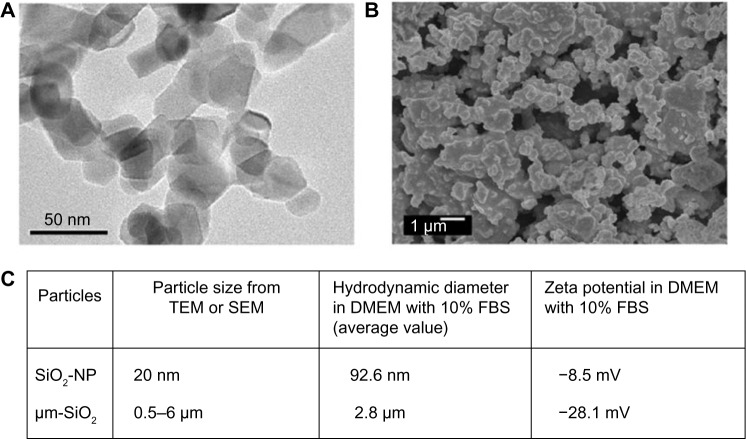
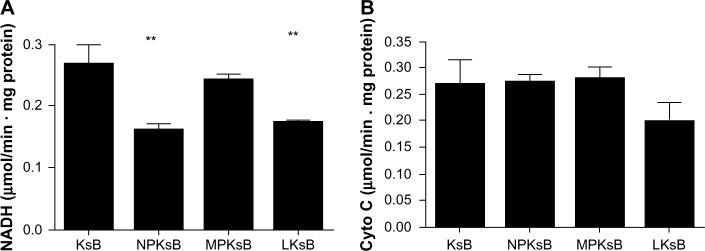
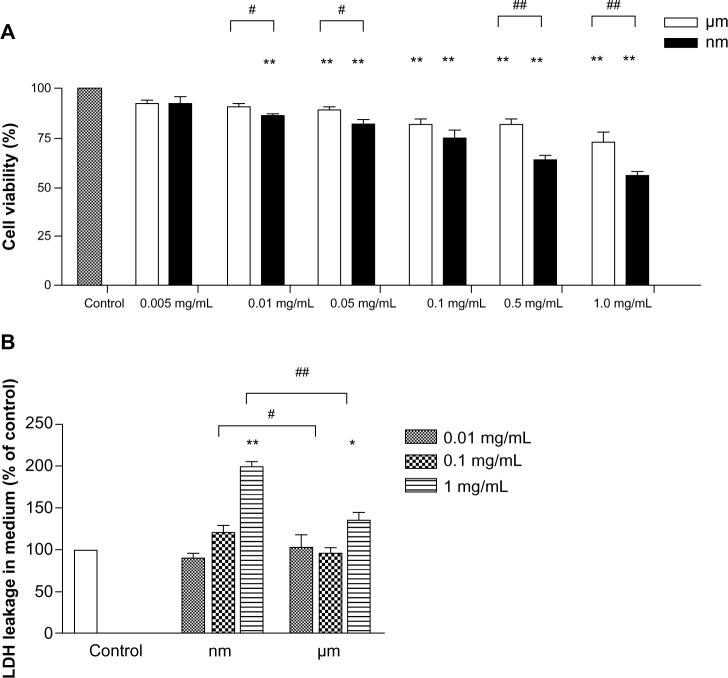
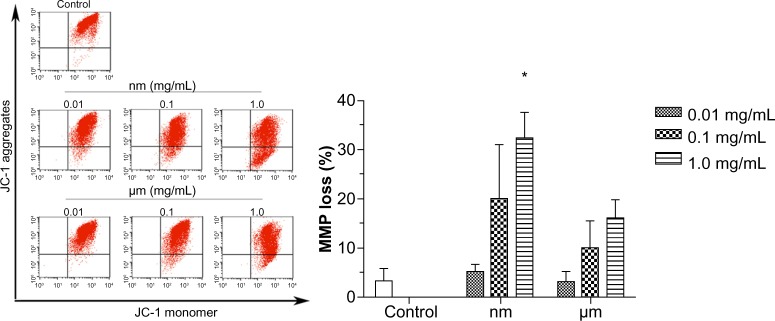
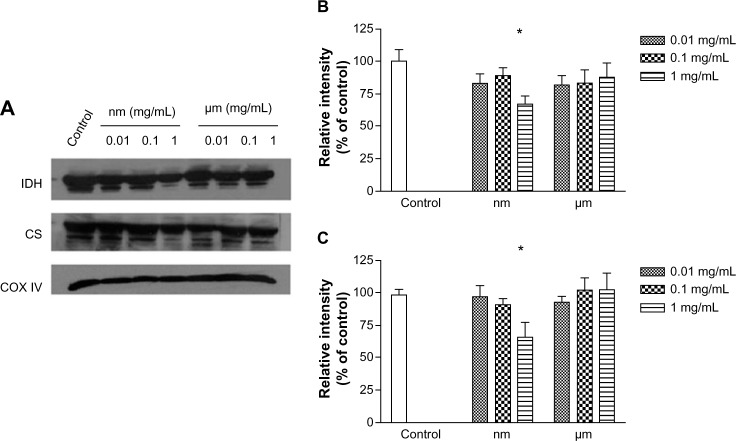
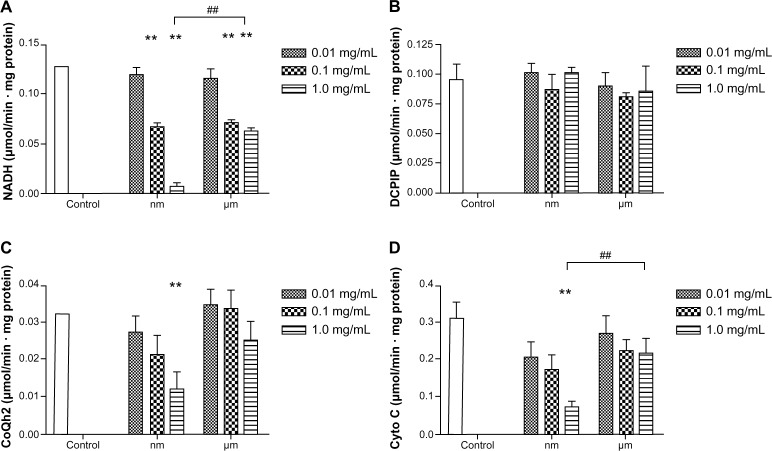
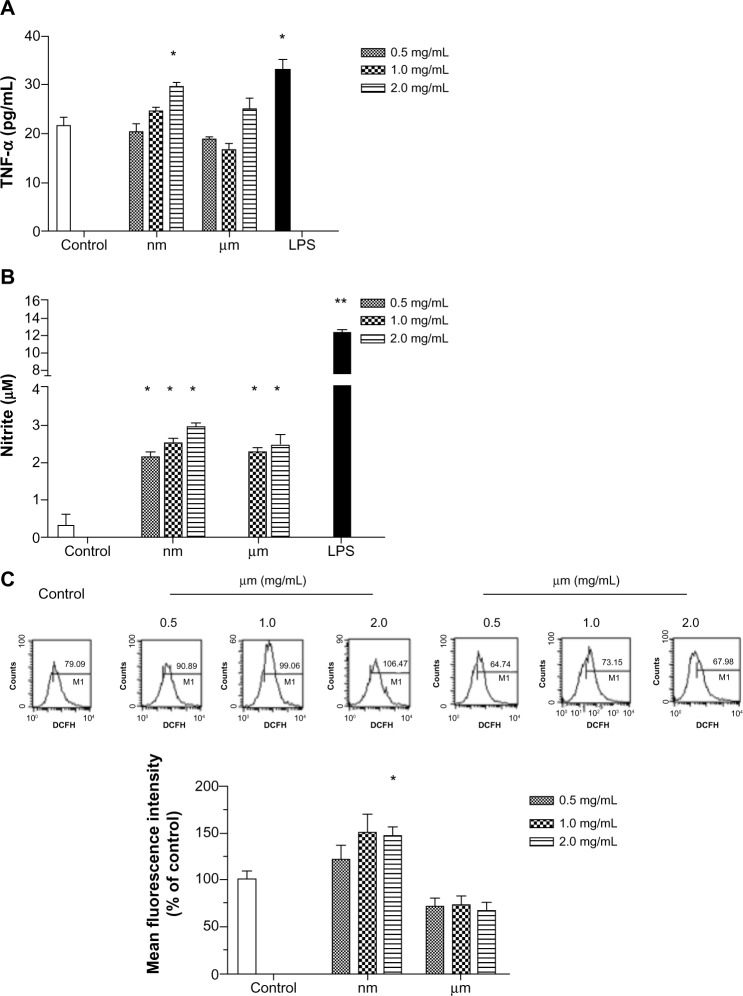
The liver has been shown to be a primary target organ for SiO2 nanoparticles in vivo, and may be highly susceptible to damage by these nanoparticles. However, until now, research focusing on the potential toxic effects of SiO2 nanoparticles on mitochondria-associated energy metabolism in hepatocytes has been lacking. In this work, SiO2 nanoparticles 20 nm in diameter were evaluated for their ability to induce dysfunction of mitochondrial energy metabolism. First, a buffalo rat liver (BRL) cell line was directly exposed to SiO2 nanoparticles, which induced cytotoxicity and mitochondrial damage accompanied by decreases in mitochondrial dehydrogenase activity, mitochondrial membrane potential, enzymatic expression in the Krebs cycle, and activity of the mitochondrial respiratory chain complexes I, III and IV. Second, the role of rat-derived Kupffer cells was evaluated. The supernatants from Kupffer cells treated with SiO2 nanoparticles were transferred to stimulate BRL cells. We observed that SiO2 nanoparticles had the ability to activate Kupffer cells, leading to release of tumor necrosis factor-α, nitric oxide, and reactive oxygen species from these cells and subsequently to inhibition of mitochondrial respiratory chain complex I activity in BRL cells.
肝脏已被证明是体内二氧化硅纳米颗粒的主要靶器官,可能极易受到这些纳米颗粒的损伤。然而,到目前为止,缺乏针对二氧化硅纳米颗粒对肝细胞中线粒体相关能量代谢潜在毒性作用的研究。在这项工作中,评估了直径为20 nm的二氧化硅纳米颗粒诱导线粒体能量代谢功能障碍的能力。首先,将水牛大鼠肝脏(BRL)细胞系直接暴露于二氧化硅纳米颗粒,这会诱导细胞毒性和线粒体损伤,同时伴随着线粒体脱氢酶活性、线粒体膜电位、三羧酸循环中的酶表达以及线粒体呼吸链复合体I、III和IV的活性降低。其次,评估了大鼠源库普弗细胞的作用。将用二氧化硅纳米颗粒处理的库普弗细胞的上清液转移以刺激BRL细胞。我们观察到二氧化硅纳米颗粒具有激活库普弗细胞的能力,导致这些细胞释放肿瘤坏死因子-α、一氧化氮和活性氧,随后抑制BRL细胞中线粒体呼吸链复合体I的活性。