Terami Naoto, Ogawa Daisuke, Tachibana Hiromi, Hatanaka Takashi, Wada Jun, Nakatsuka Atsuko, Eguchi Jun, Horiguchi Chikage Sato, Nishii Naoko, Yamada Hiroshi, Takei Kohji, Makino Hirofumi
Department of Medicine and Clinical Science, Okayama University Graduate School of Medicine, Dentistry and Pharmaceutical Sciences, Okayama, Japan.
Department of Medicine and Clinical Science, Okayama University Graduate School of Medicine, Dentistry and Pharmaceutical Sciences, Okayama, Japan; Department of Diabetic Nephropathy, Okayama University Graduate School of Medicine, Dentistry and Pharmaceutical Sciences, Okayama, Japan.
PLoS One. 2014 Jun 24;9(6):e100777. doi: 10.1371/journal.pone.0100777. eCollection 2014.
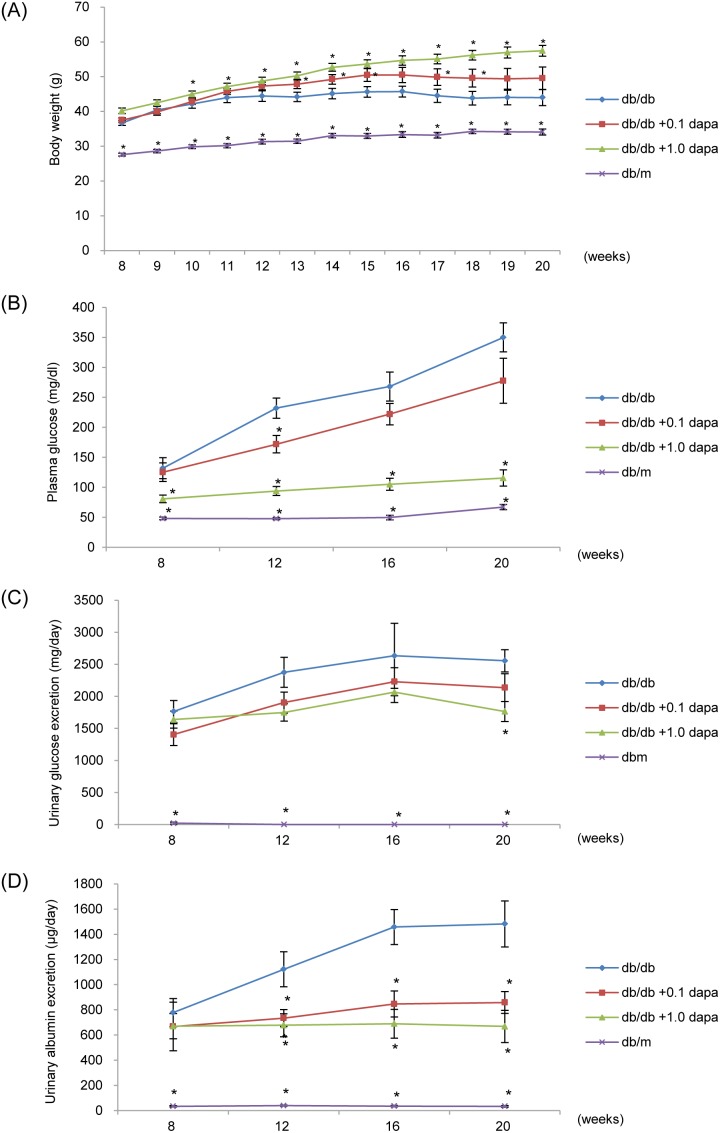
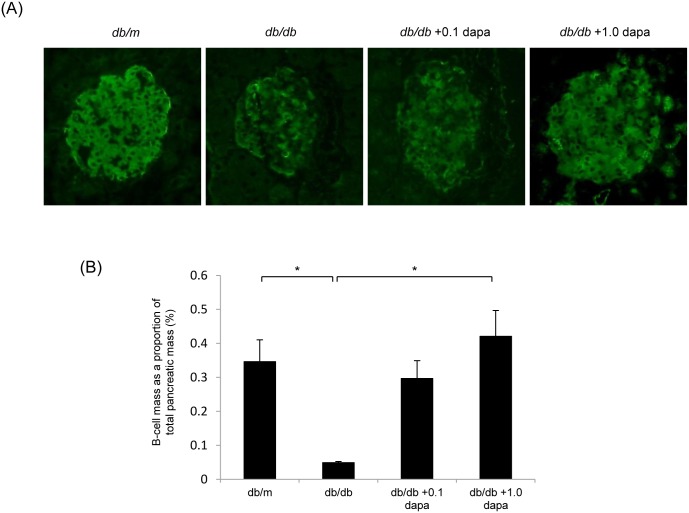
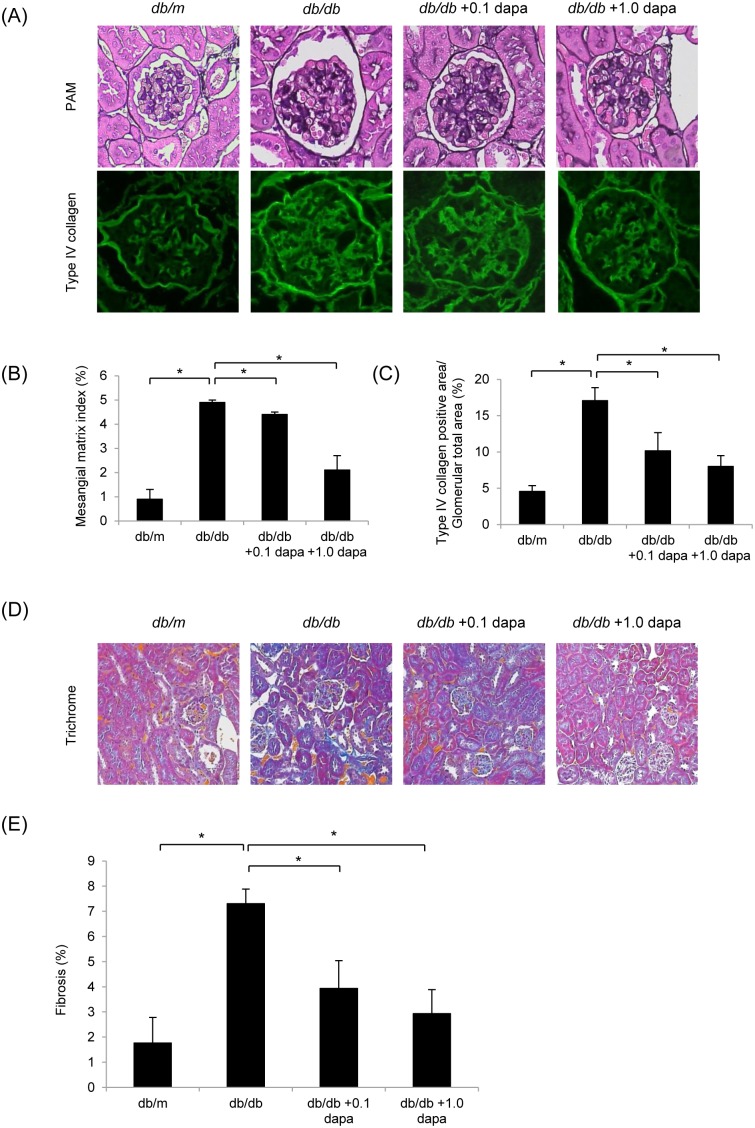
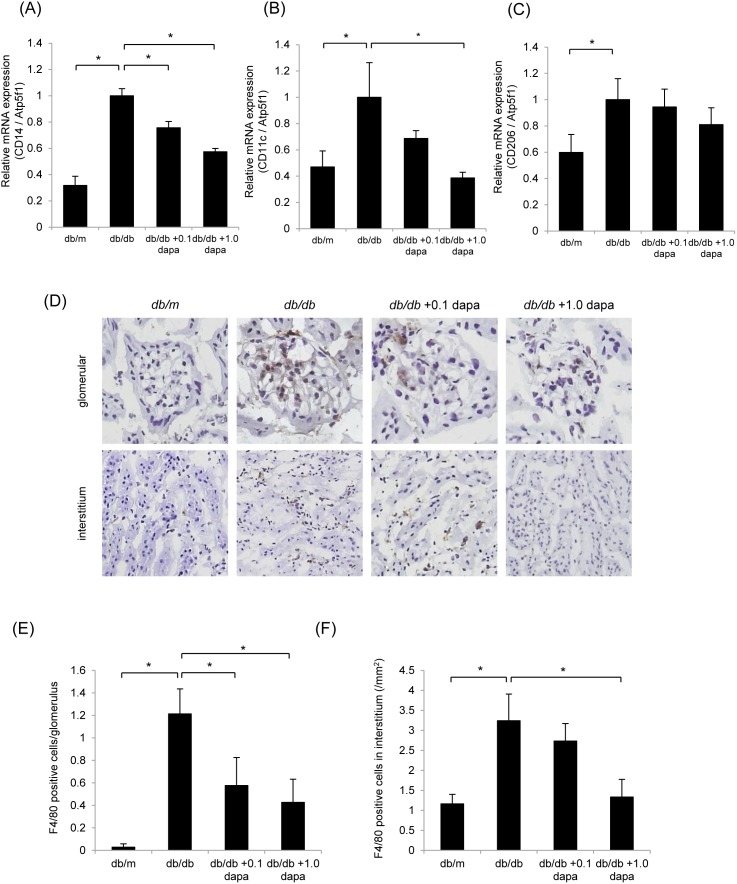
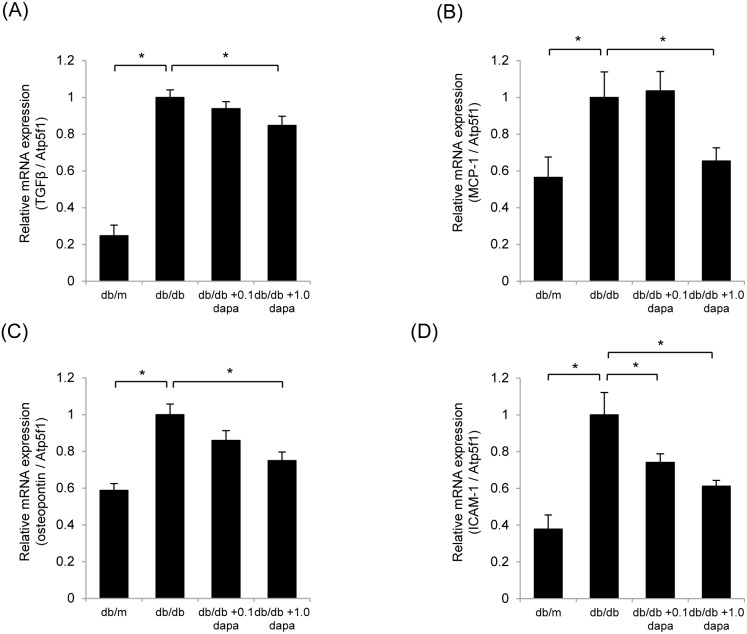
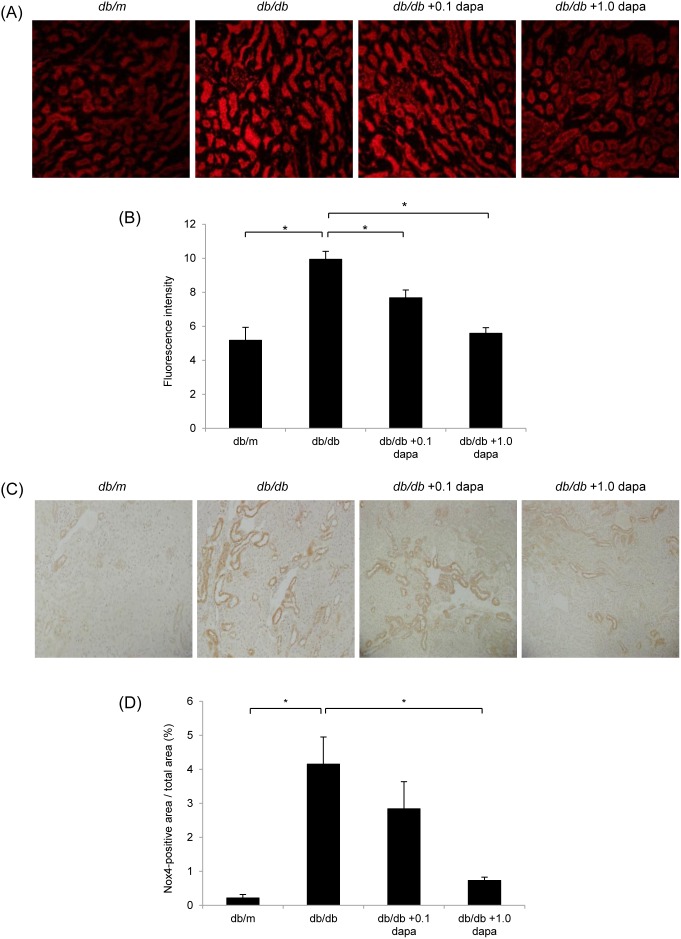
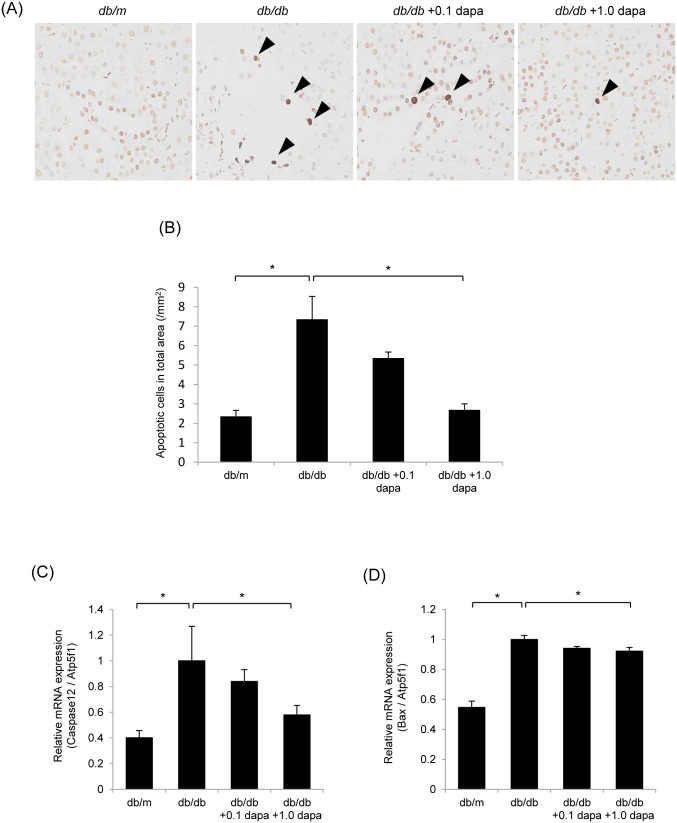
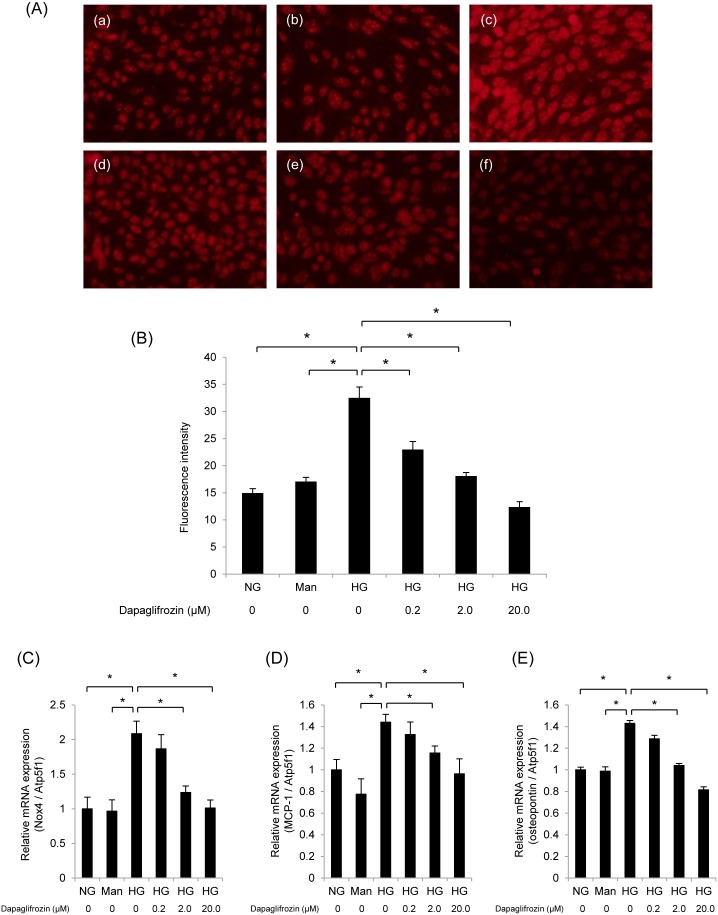
Inhibition of sodium glucose cotransporter 2 (SGLT2) has been reported as a new therapeutic strategy for treating diabetes. However, the effect of SGLT2 inhibitors on the kidney is unknown. In addition, whether SGLT2 inhibitors have an anti-inflammatory or antioxidative stress effect is still unclear. In this study, to resolve these issues, we evaluated the effects of the SGLT2 inhibitor, dapagliflozin, using a mouse model of type 2 diabetes and cultured proximal tubular epithelial (mProx24) cells. Male db/db mice were administered 0.1 or 1.0 mg/kg of dapagliflozin for 12 weeks. Body weight, blood pressure, blood glucose, hemoglobin A1c, albuminuria and creatinine clearance were measured. Mesangial matrix accumulation and interstitial fibrosis in the kidney and pancreatic β-cell mass were evaluated by histological analysis. Furthermore, gene expression of inflammatory mediators, such as osteopontin, monocyte chemoattractant protein-1 and transforming growth factor-β, was evaluated by quantitative reverse transcriptase-PCR. In addition, oxidative stress was evaluated by dihydroethidium and NADPH oxidase 4 staining. Administration of 0.1 or 1.0 mg/kg of dapagliflozin ameliorated hyperglycemia, β-cell damage and albuminuria in db/db mice. Serum creatinine, creatinine clearance and blood pressure were not affected by administration of dapagliflozin, but glomerular mesangial expansion and interstitial fibrosis were suppressed in a dose-dependent manner. Dapagliflozin treatment markedly decreased macrophage infiltration and the gene expression of inflammation and oxidative stress in the kidney of db/db mice. Moreover, dapagliflozin suppressed the high-glucose-induced gene expression of inflammatory cytokines and oxidative stress in cultured mProx24 cells. These data suggest that dapagliflozin ameliorates diabetic nephropathy by improving hyperglycemia along with inhibiting inflammation and oxidative stress.
钠葡萄糖协同转运蛋白2(SGLT2)的抑制作用已被报道为治疗糖尿病的一种新的治疗策略。然而,SGLT2抑制剂对肾脏的影响尚不清楚。此外,SGLT2抑制剂是否具有抗炎或抗氧化应激作用仍不明确。在本研究中,为了解决这些问题,我们使用2型糖尿病小鼠模型和培养的近端肾小管上皮(mProx24)细胞评估了SGLT2抑制剂达格列净的作用。雄性db/db小鼠接受0.1或1.0mg/kg的达格列净治疗12周。测量体重、血压、血糖、糖化血红蛋白、蛋白尿和肌酐清除率。通过组织学分析评估肾脏中的系膜基质积聚和间质纤维化以及胰腺β细胞量。此外,通过定量逆转录酶-PCR评估炎症介质如骨桥蛋白、单核细胞趋化蛋白-1和转化生长因子-β的基因表达。另外,通过二氢乙锭和NADPH氧化酶4染色评估氧化应激。给予0.1或1.0mg/kg的达格列净可改善db/db小鼠的高血糖、β细胞损伤和蛋白尿。给予达格列净不影响血清肌酐、肌酐清除率和血压,但肾小球系膜扩张和间质纤维化以剂量依赖性方式受到抑制。达格列净治疗显著减少了db/db小鼠肾脏中的巨噬细胞浸润以及炎症和氧化应激的基因表达。此外,达格列净抑制了培养的mProx24细胞中高糖诱导的炎症细胞因子基因表达和氧化应激。这些数据表明,达格列净通过改善高血糖以及抑制炎症和氧化应激来改善糖尿病肾病。