Pili Francesca Maria Giovanna, Erriu Matteo, Piras Alessandra, Garau Valentino
Department of Surgical Sciences, Cagliari University, Cagliari, Italy.
Eur J Dent. 2014 Jan;8(1):129-131. doi: 10.4103/1305-7456.126268.
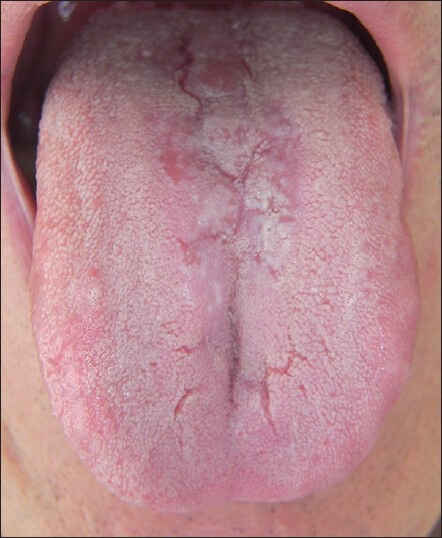
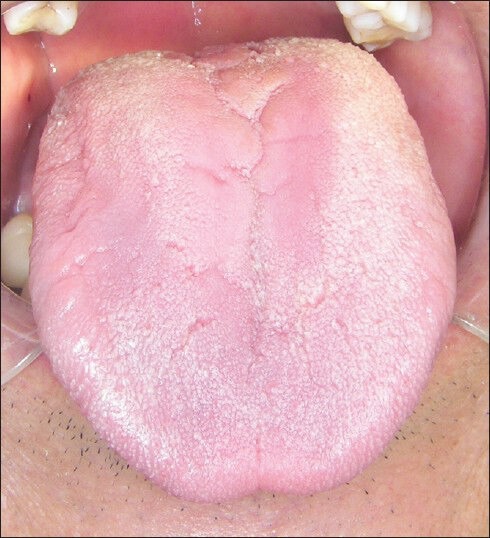
The aim of this work is to demonstrate how current molecular techniques should be integrated in the diagnostic process and can have a crucial role in the management of oral fungal infections. A case of median rhomboid glossitis Candida-associated and its resolution will be described step by step. At the time of the first observation, the lesion on the surface of the tongue did not respond to the previous administration of topical antifungal agent, such a nystatin. Firstly, in order to identify the causative agent and confirm Candida albicans infection, a brushing of the lesion was performed and polymerase chain reaction analysis was carried out. In addition, deoxyribonucleic acid sequencing method, known as Pyrosequencing(®), was used in the detection of point mutations commonly associated with fluconazole resistance and consequently, in the prediction of susceptibility to azole agents. According to molecular findings, the administration of fluconazole has therefore led to resolution of the case in 2 weeks. This case highlights how the use of molecular techniques, now-a-days, can assist the clinicians to quickly obtain the report with highly accurate and precise results and appropriately support them in the diagnosis and therapeutic process.
这项工作的目的是展示当前的分子技术应如何整合到诊断过程中,以及在口腔真菌感染的管理中如何发挥关键作用。将逐步描述一例与念珠菌相关的正中菱形舌炎病例及其治愈情况。在首次观察时,舌表面的病变对先前局部应用的抗真菌剂(如制霉菌素)没有反应。首先,为了确定病原体并确认白色念珠菌感染,对病变部位进行了擦拭,并进行了聚合酶链反应分析。此外,一种称为焦磷酸测序(®)的脱氧核糖核酸测序方法被用于检测通常与氟康唑耐药性相关的点突变,从而预测对唑类药物的敏感性。根据分子检测结果,使用氟康唑因此在2周内使该病例得到治愈。该病例突出了如今分子技术的应用如何能够帮助临床医生快速获得结果高度准确和精确的报告,并在诊断和治疗过程中给予他们适当的支持。