Graduate Program in Neural and Behavioral Science, Downstate Medical Center, State University of New York Brooklyn, NY, USA.
Neurobiology of Cognition Laboratory, Center for Neural Science, New York University New York, NY, USA ; The Robert F. Furchgott Center in Neural and Behavioral Science, Downstate Medical Center, State University of New York Brooklyn, NY, USA.
Front Neurosci. 2014 Jun 11;8:153. doi: 10.3389/fnins.2014.00153. eCollection 2014.
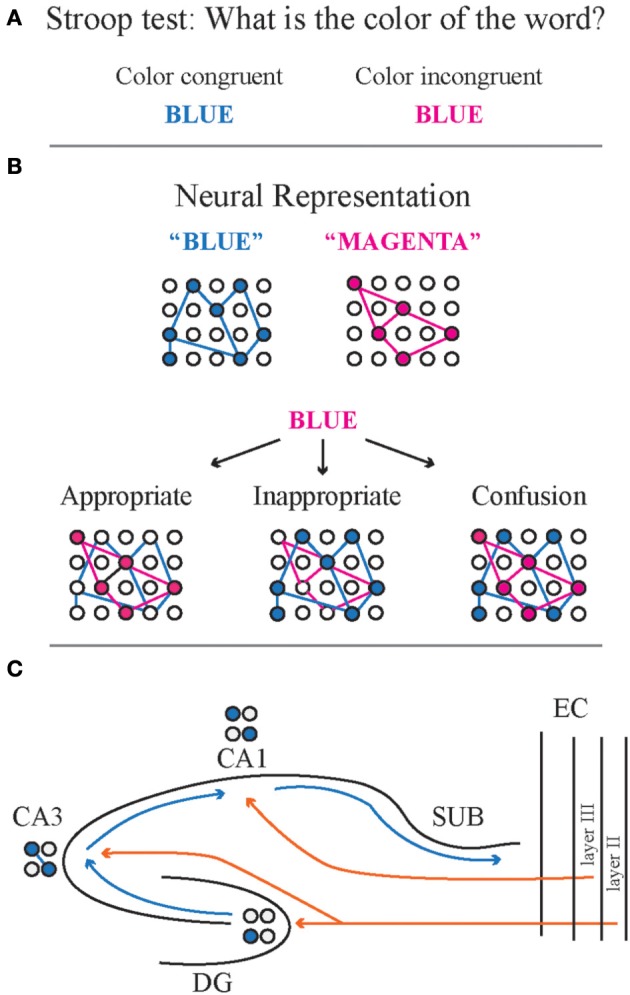
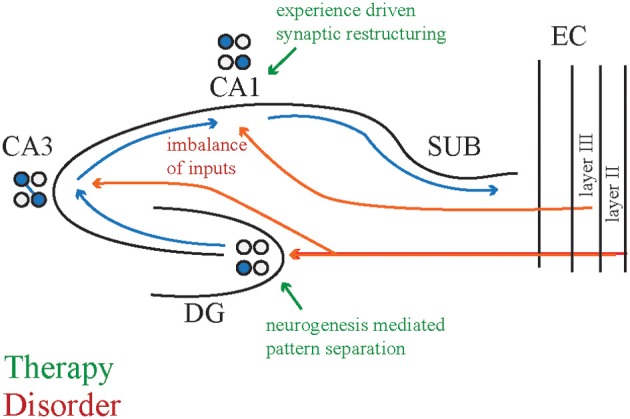
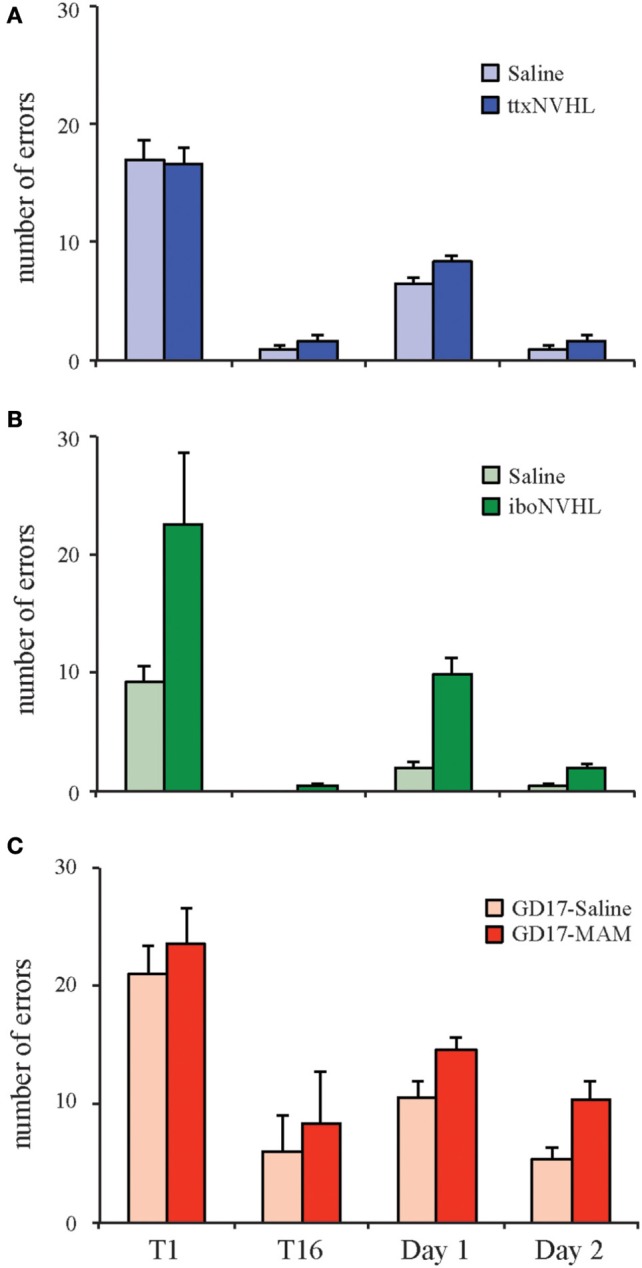
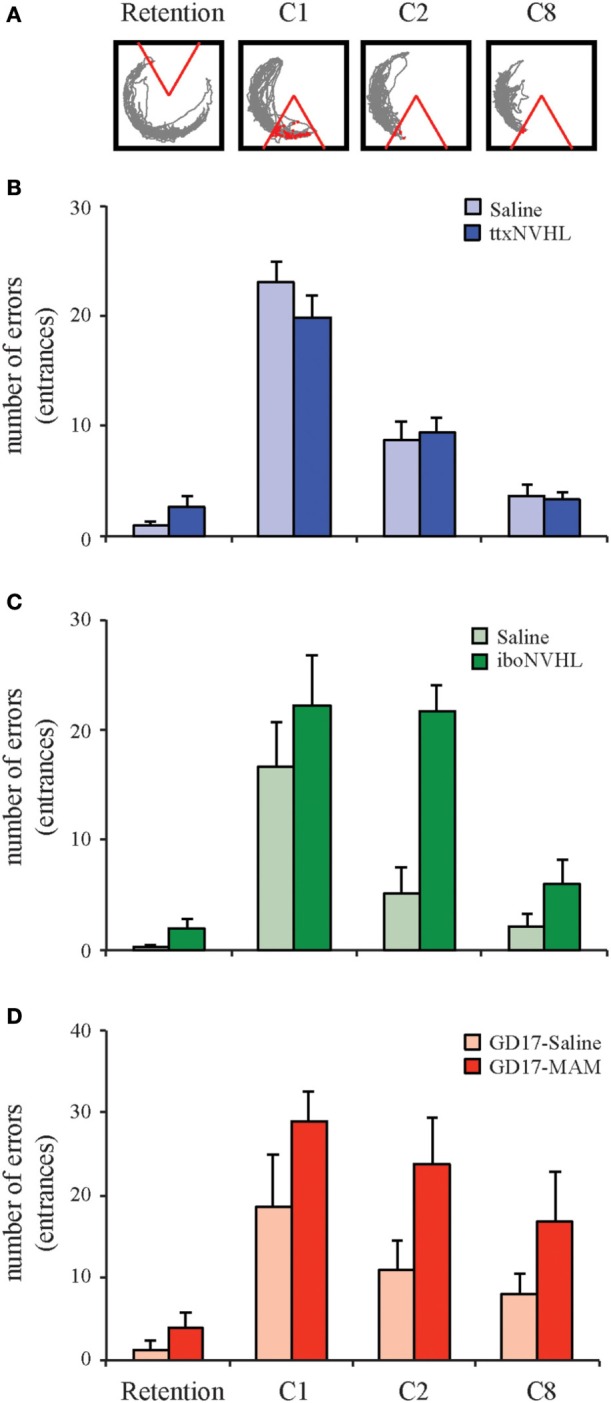
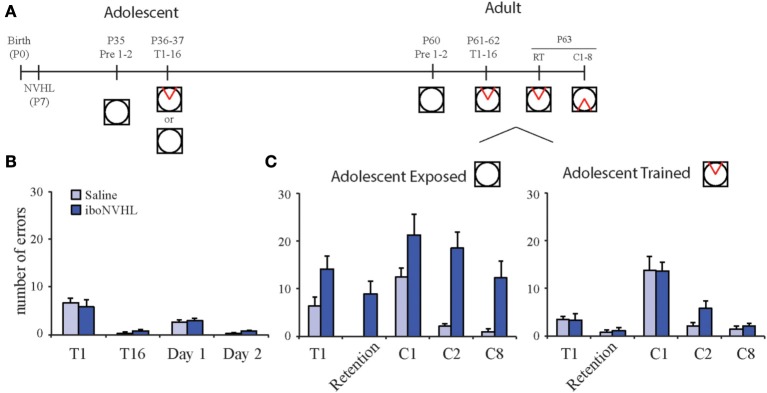
Despite substantial effort and immense need, the treatment options for major neuropsychiatric illnesses like schizophrenia are limited and largely ineffective at improving the most debilitating cognitive symptoms that are central to mental illness. These symptoms include cognitive control deficits, the inability to selectively use information that is currently relevant and ignore what is currently irrelevant. Contemporary attempts to accelerate progress are in part founded on an effort to reconceptualize neuropsychiatric illness as a disorder of neural development. This neuro-developmental framework emphasizes abnormal neural circuits on the one hand, and on the other, it suggests there are therapeutic opportunities to exploit the developmental processes of excitatory neuron pruning, inhibitory neuron proliferation, elaboration of myelination, and other circuit refinements that extend through adolescence and into early adulthood. We have crafted a preclinical research program aimed at cognition failures that may be relevant to mental illness. By working with a variety of neurodevelopmental rodent models, we strive to identify a common pathophysiology that underlies cognitive control failure as well as a common strategy for improving cognition in the face of neural circuit abnormalities. Here we review our work to characterize cognitive control deficits in rats with a neonatal ventral hippocampus lesion and rats that were exposed to Methylazoxymethanol acetate (MAM) in utero. We review our findings as they pertain to early developmental processes, including neurogenesis, as well as the power of cognitive experience to refine neural circuit function within the mature and maturing brain's cognitive circuitry.
尽管付出了巨大的努力和巨大的需求,但治疗像精神分裂症这样的主要神经精神疾病的选择有限,并且在改善与精神疾病密切相关的最具致残性认知症状方面基本上无效。这些症状包括认知控制缺陷、无法选择性地使用当前相关的信息,而忽略当前不相关的信息。目前加速进展的尝试部分基于将神经精神疾病重新概念化为神经发育障碍的努力。这个神经发育框架一方面强调异常的神经回路,另一方面表明存在治疗机会,可以利用兴奋性神经元修剪、抑制性神经元增殖、髓鞘形成和其他电路细化等发育过程,这些过程贯穿青春期并延伸到成年早期。我们制定了一个针对认知障碍的临床前研究计划,这些认知障碍可能与精神疾病有关。通过使用各种神经发育啮齿动物模型,我们努力确定一种共同的病理生理学,这种病理生理学是认知控制失败的基础,也是在面对神经回路异常时改善认知的共同策略。在这里,我们回顾了我们在具有新生海马体损伤的大鼠和在子宫内暴露于甲基乙氧甲酰胺(MAM)的大鼠中表征认知控制缺陷的工作。我们回顾了我们的发现,因为它们涉及早期发育过程,包括神经发生,以及认知经验在成熟和成熟大脑的认知电路中精细调整神经回路功能的能力。