Ch'ng J-H, Lee Y-Q, Gun S Y, Chia W-N, Chang Z-W, Wong L-K, Batty K T, Russell B, Nosten F, Renia L, Tan K S-W
1] Department of Microbiology, National University of Singapore, 5 Science Drive 2, Singapore, Singapore [2] Department of Microbiology, Tumor and Cell Biology, Karolinska Institutet, Nobels väg 16, KI Solna Campus, Box 280, Stockholm, Sweden.
1] Department of Microbiology, National University of Singapore, 5 Science Drive 2, Singapore, Singapore [2] NUS Graduate School for Integrative Sciences and Engineering, National University of Singapore, Centre for Life Sciences (CeLS), #05-01, 28 Medical Drive, Singapore, Singapore.
Cell Death Dis. 2014 Jun 26;5(6):e1305. doi: 10.1038/cddis.2014.265.
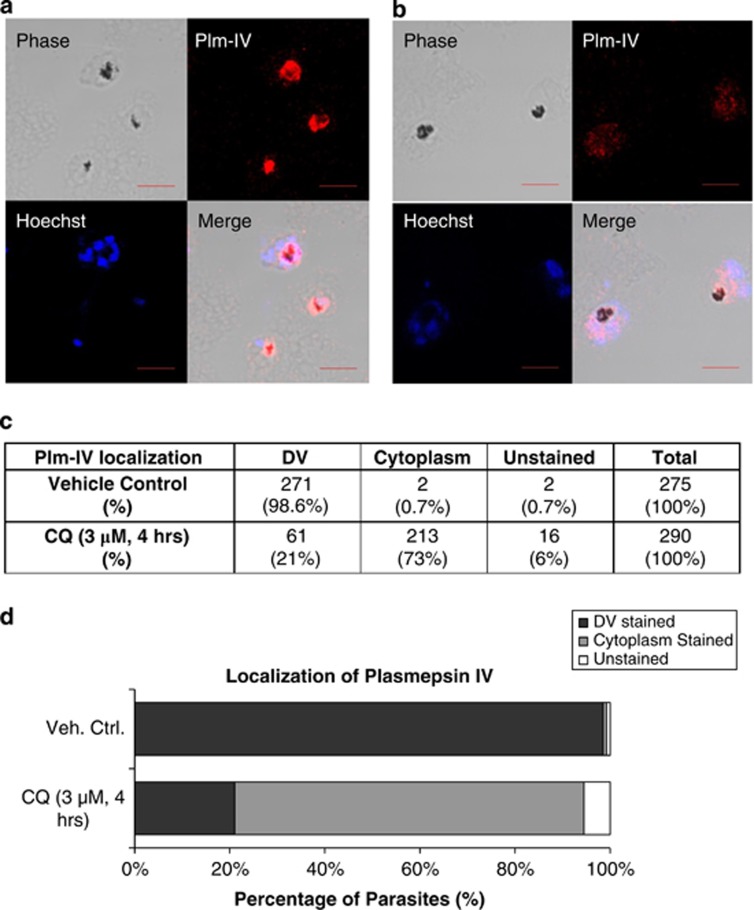
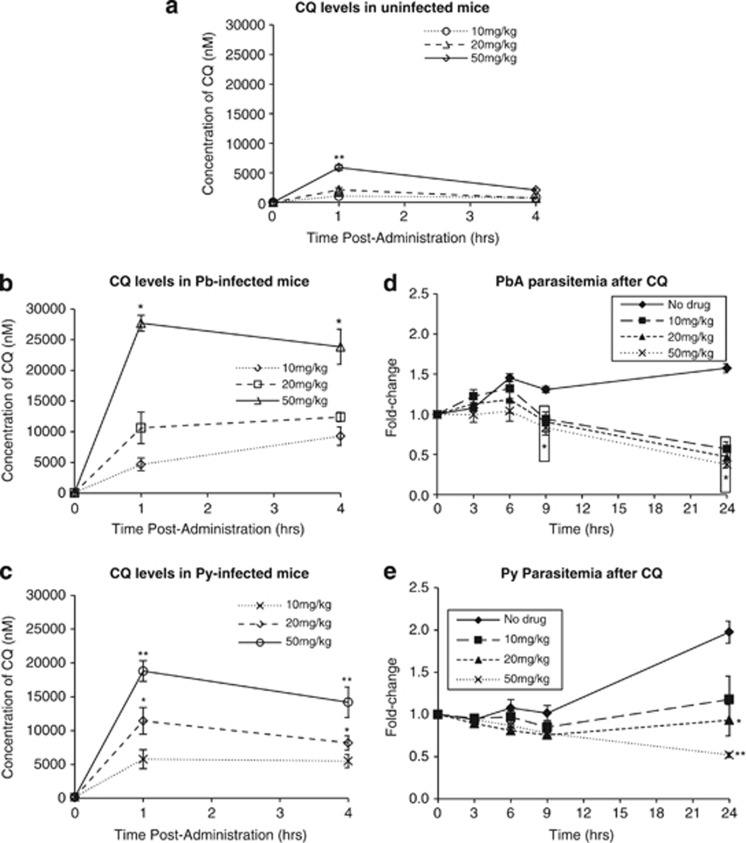
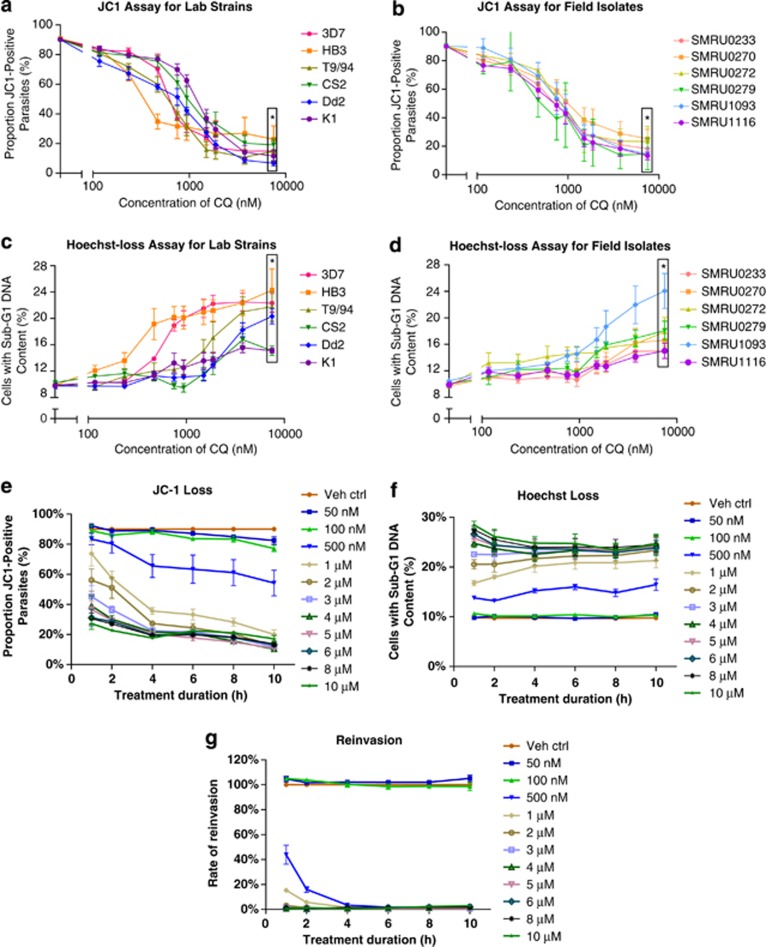
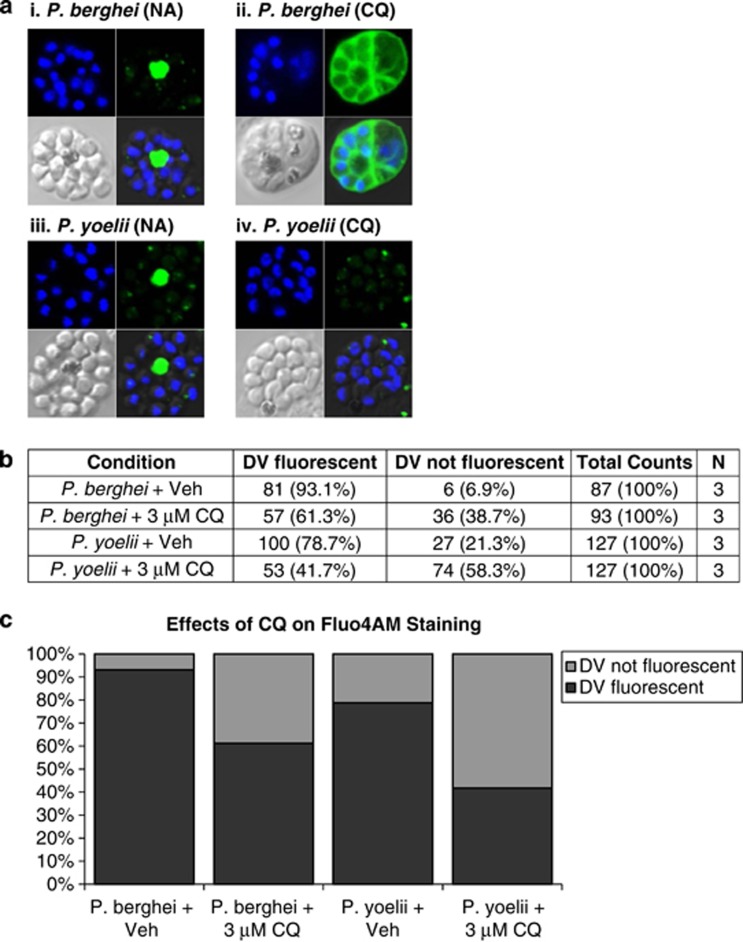
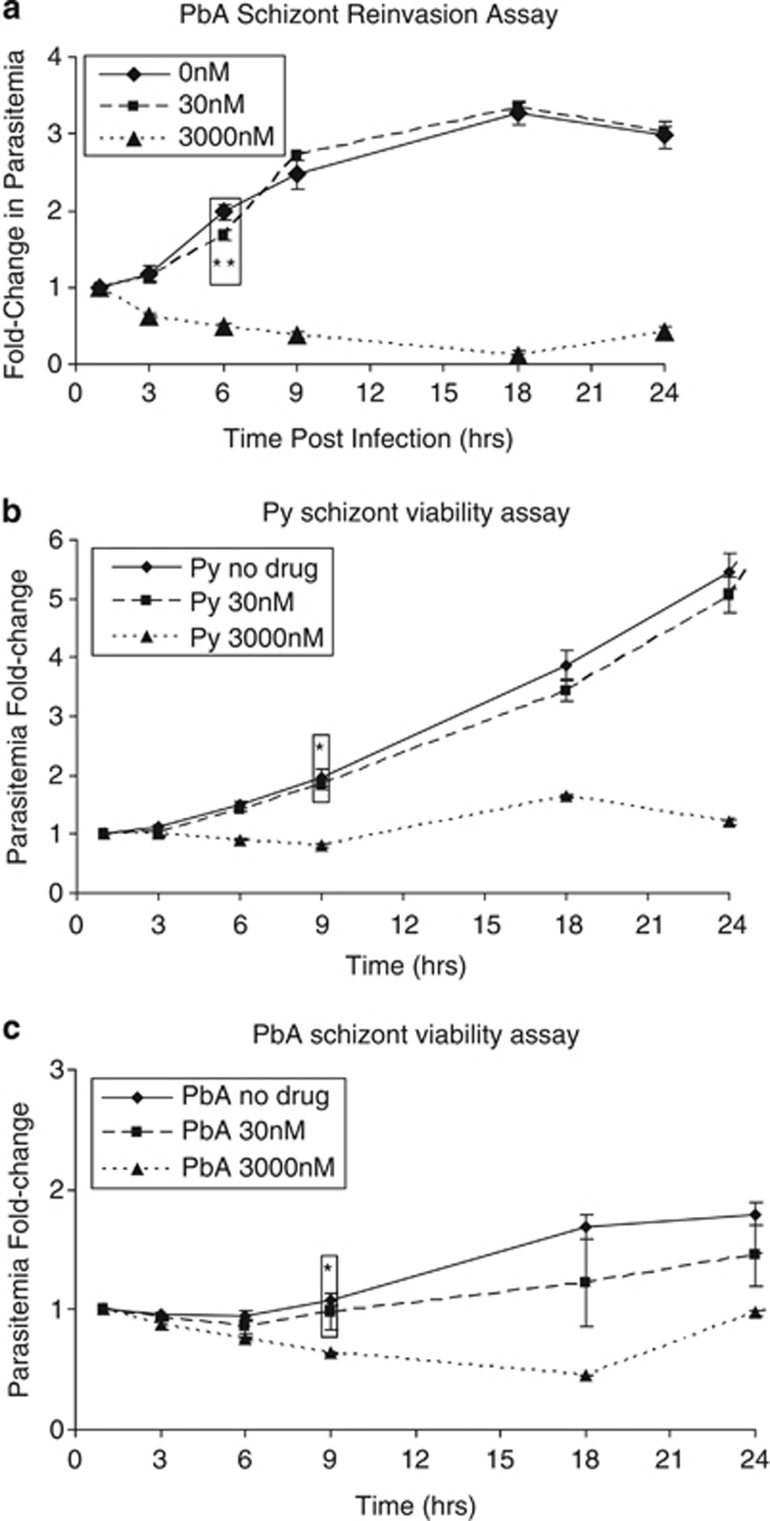
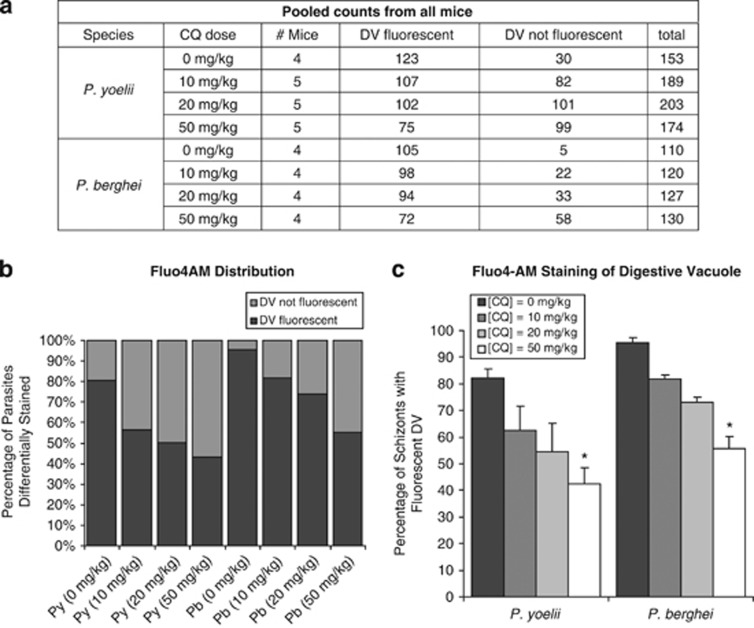
An alternative antimalarial pathway of an 'outdated' drug, chloroquine (CQ), may facilitate its return to the shrinking list of effective antimalarials. Conventionally, CQ is believed to interfere with hemozoin formation at nanomolar concentrations, but resistant parasites are able to efflux this drug from the digestive vacuole (DV). However, we show that the DV membrane of both resistant and sensitive laboratory and field parasites is compromised after exposure to micromolar concentrations of CQ, leading to an extrusion of DV proteases. Furthermore, only a short period of exposure is required to compromise the viability of late-stage parasites. To study the feasibility of this strategy, mice malaria models were used to demonstrate that high doses of CQ also triggered DV permeabilization in vivo and reduced reinvasion efficiency. We suggest that a time-release oral formulation of CQ may sustain elevated blood CQ levels sufficiently to clear even CQ-resistant parasites.
一种“过时”药物氯喹(CQ)的替代抗疟途径,可能有助于它重回不断减少的有效抗疟药物名单。传统上,人们认为CQ在纳摩尔浓度下会干扰疟原虫疟色素的形成,但具有抗性的寄生虫能够将这种药物从消化液泡(DV)中排出。然而,我们发现,在暴露于微摩尔浓度的CQ后,具有抗性和敏感性的实验室及野外寄生虫的DV膜都会受到损害,导致DV蛋白酶的外排。此外,仅需短时间暴露就能损害晚期寄生虫的活力。为研究该策略的可行性,使用小鼠疟疾模型证明高剂量的CQ在体内也会引发DV通透性增加,并降低再入侵效率。我们认为,CQ的缓释口服制剂可能足以维持血液中CQ水平的升高,从而清除甚至是对CQ具有抗性的寄生虫。