Shivers Kai-Yvonne, Nikolopoulou Anastasia, Machlovi Saima Ishaq, Vallabhajosula Shankar, Figueiredo-Pereira Maria E
Department of Biological Sciences, Hunter College, Graduate School and University Center, CUNY, New York, NY 10065, USA.
Department of Radiology, Citigroup Biomedical Imaging Center, Weill Cornell Medical College of Cornell University, New York, NY 10065, USA.
Biochim Biophys Acta. 2014 Sep;1842(9):1707-19. doi: 10.1016/j.bbadis.2014.06.020. Epub 2014 Jun 23.
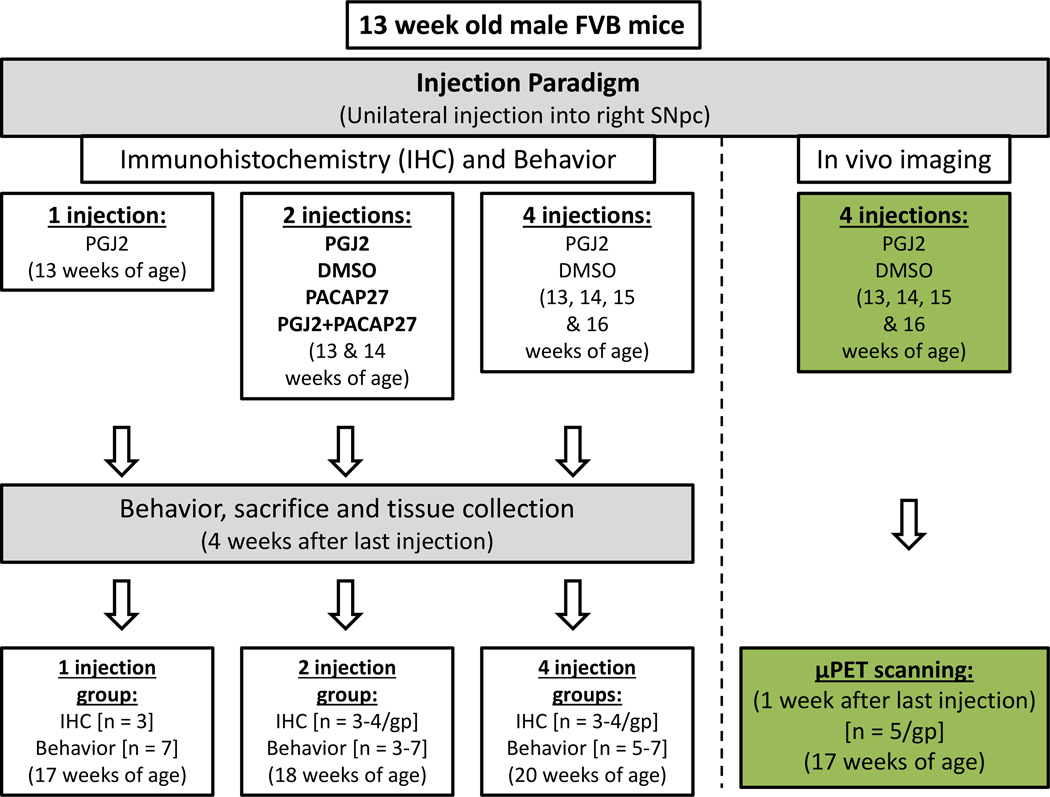
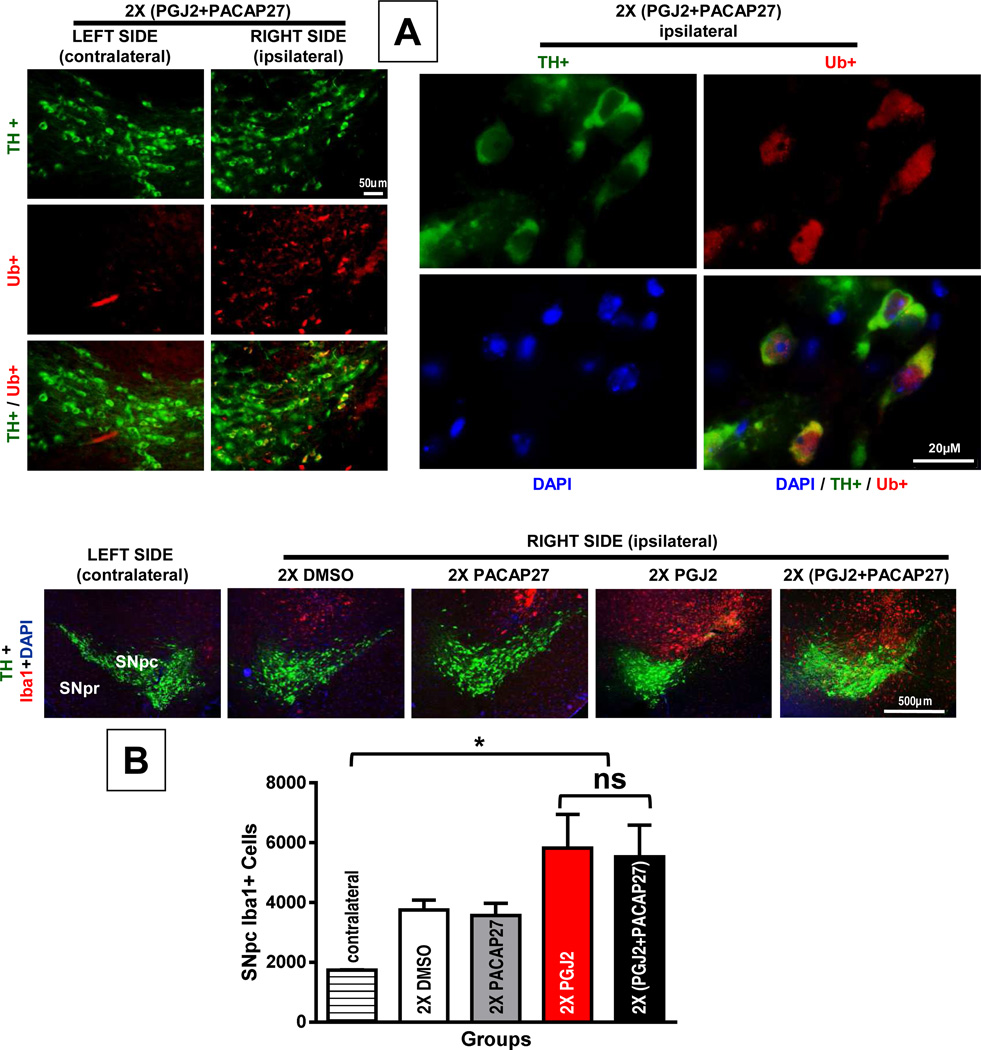
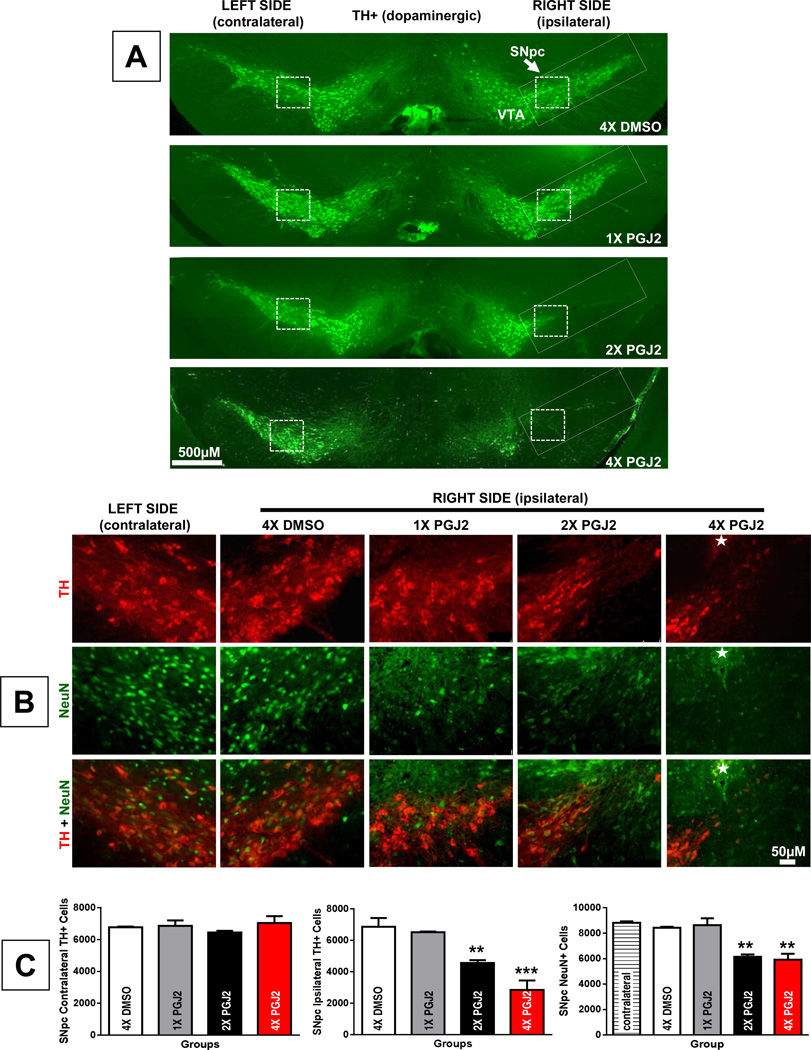
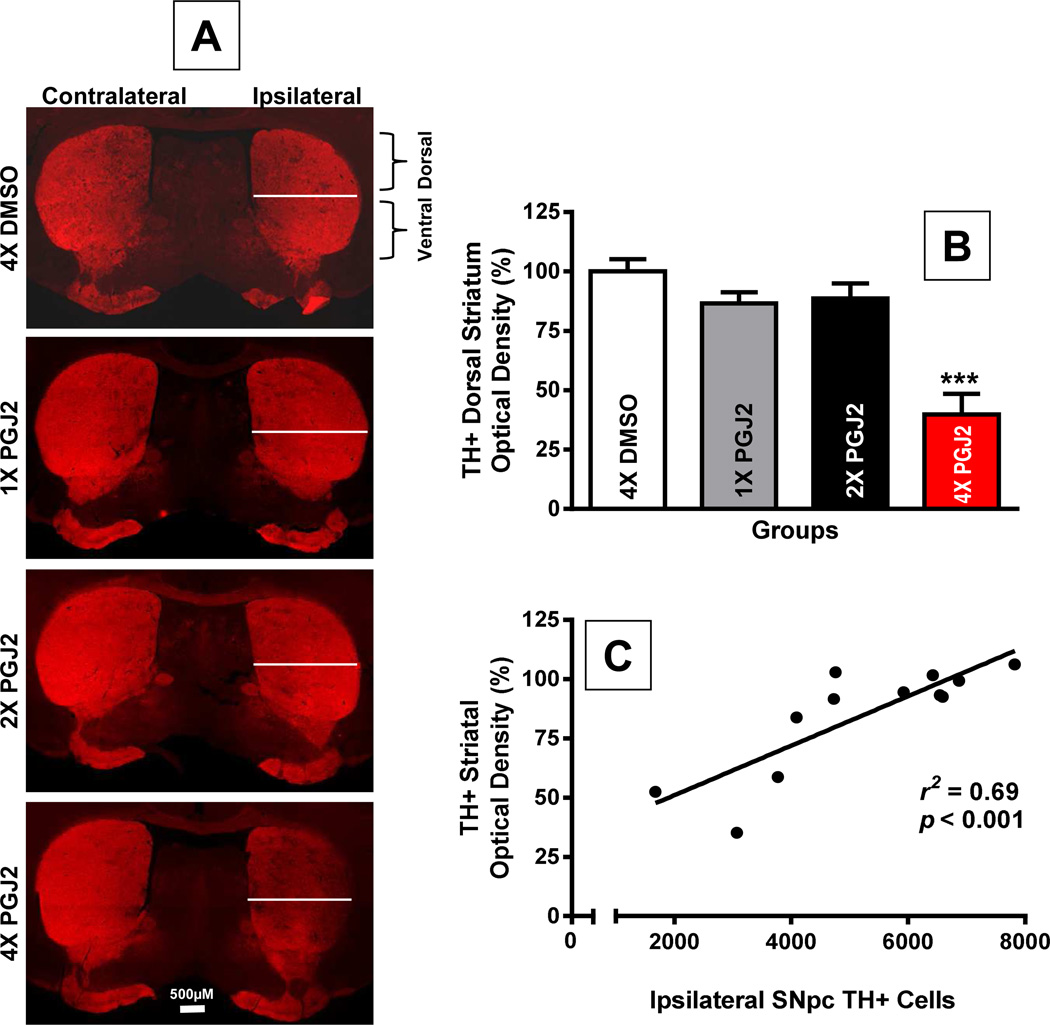
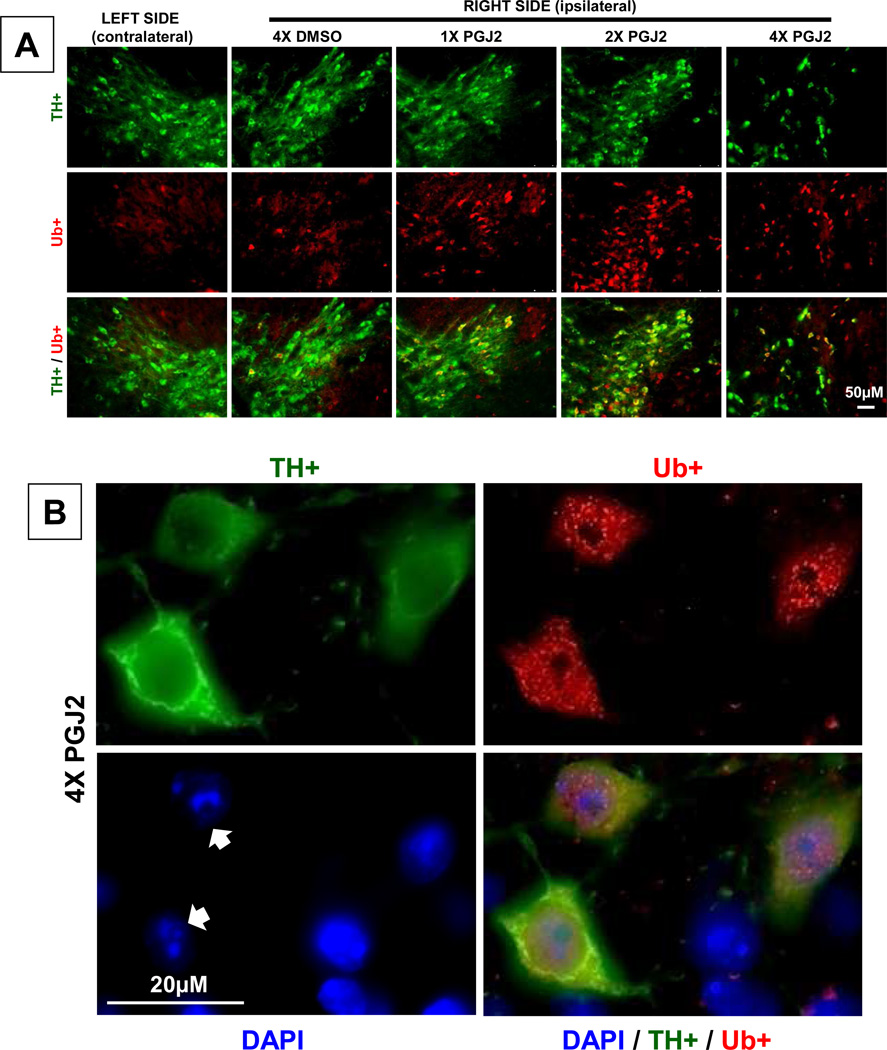
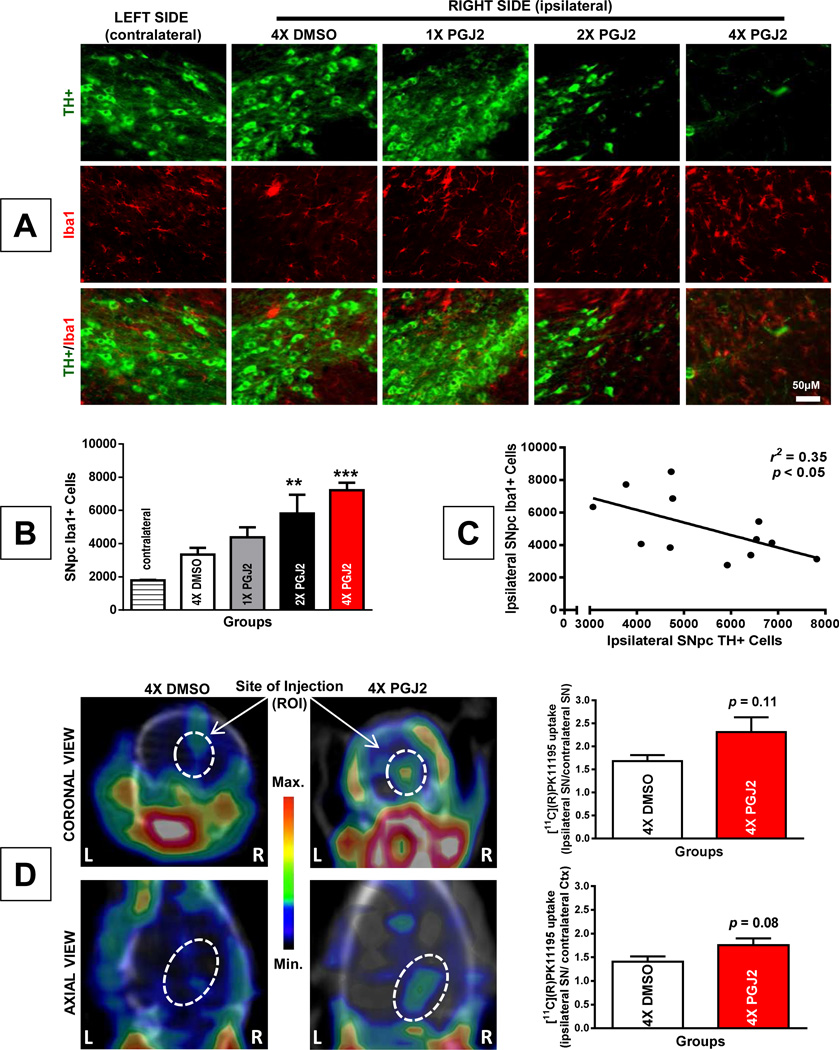
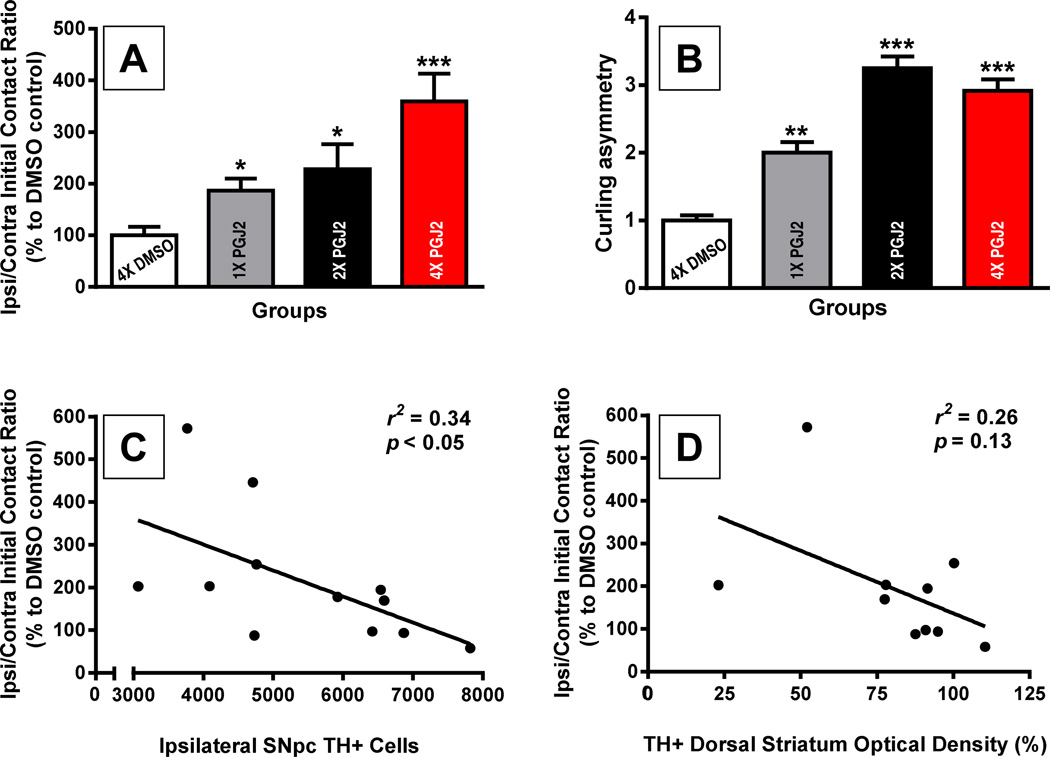
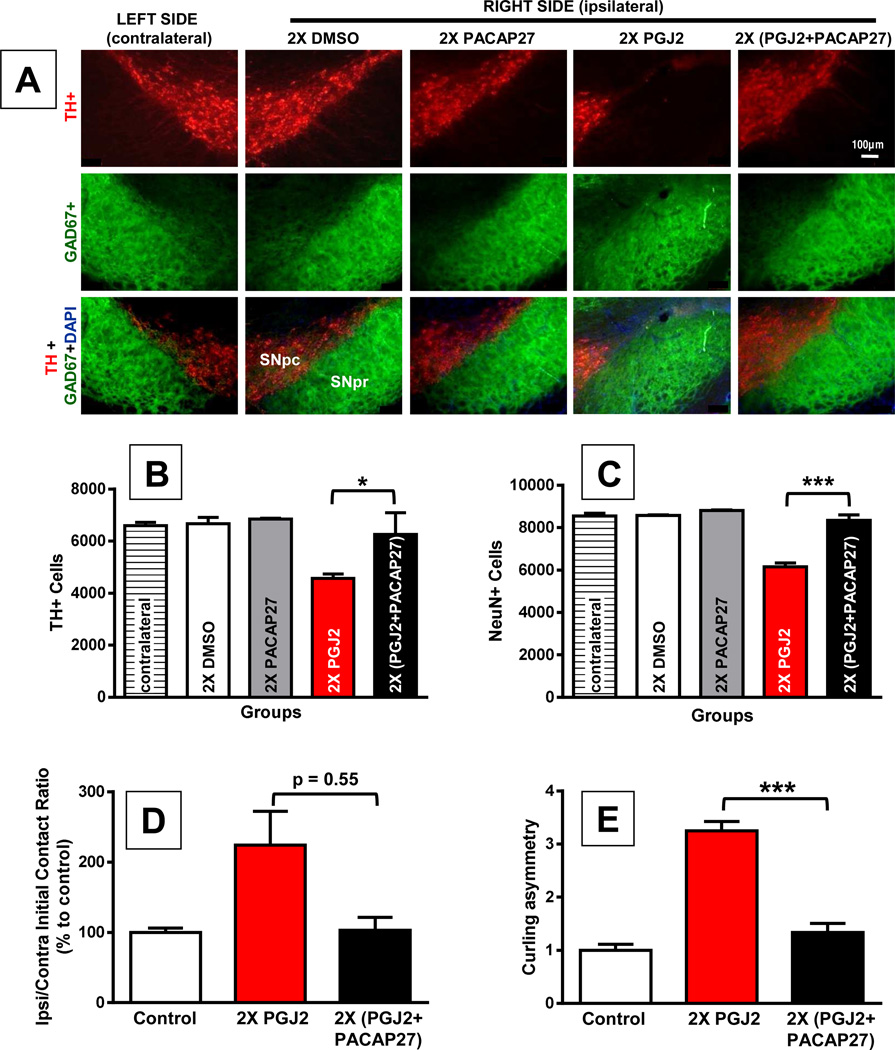
Neuroinflammation is a major risk factor in Parkinson's disease (PD). Alternative approaches are needed to treat inflammation, as anti-inflammatory drugs such as NSAIDs that inhibit cyclooxygenase-2 (COX-2) can produce devastating side effects, including heart attack and stroke. New therapeutic strategies that target factors downstream of COX-2, such as prostaglandin J2 (PGJ2), hold tremendous promise because they will not alter the homeostatic balance offered by COX-2 derived prostanoids. In the current studies, we report that repeated microinfusion of PGJ2 into the substantia nigra of non-transgenic mice, induces three stages of pathology that mimic the slow-onset cellular and behavioral pathology of PD: mild (one injection) when only motor deficits are detectable, intermediate (two injections) when neuronal and motor deficits as well as microglia activation are detectable, and severe (four injections) when dopaminergic neuronal loss is massive accompanied by microglia activation and motor deficits. Microglia activation was evaluated in vivo by positron emission tomography (PET) with (11)CPK11195 to provide a regional estimation of brain inflammation. PACAP27 reduced dopaminergic neuronal loss and motor deficits induced by PGJ2, without preventing microglia activation. The latter could be problematic in that persistent microglia activation can exert long-term deleterious effects on neurons and behavior. In conclusion, this PGJ2-induced mouse model that mimics in part chronic inflammation, exhibits slow-onset PD-like pathology and is optimal for testing diagnostic tools such as PET, as well as therapies designed to target the integrated signaling across neurons and microglia, to fully benefit patients with PD.
神经炎症是帕金森病(PD)的主要风险因素。由于抑制环氧合酶-2(COX-2)的非甾体抗炎药(NSAIDs)等抗炎药物会产生包括心脏病发作和中风在内的严重副作用,因此需要其他方法来治疗炎症。针对COX-2下游因子(如前列腺素J2(PGJ2))的新治疗策略具有巨大潜力,因为它们不会改变COX-2衍生前列腺素所提供的体内平衡。在当前研究中,我们报告将PGJ2反复微量注入非转基因小鼠的黑质会诱导出三个病理阶段,这些阶段模拟了PD缓慢发作的细胞和行为病理:轻度(一次注射)时仅可检测到运动缺陷,中度(两次注射)时可检测到神经元和运动缺陷以及小胶质细胞激活,重度(四次注射)时多巴胺能神经元大量丢失并伴有小胶质细胞激活和运动缺陷。通过使用(11)CPK11195的正电子发射断层扫描(PET)在体内评估小胶质细胞激活,以提供脑部炎症的区域估计。垂体腺苷酸环化酶激活肽27(PACAP27)减少了PGJ2诱导的多巴胺能神经元丢失和运动缺陷,但未阻止小胶质细胞激活。后者可能存在问题,因为持续的小胶质细胞激活会对神经元和行为产生长期有害影响。总之,这种部分模拟慢性炎症的PGJ2诱导小鼠模型表现出缓慢发作的PD样病理,对于测试诸如PET等诊断工具以及旨在针对神经元和小胶质细胞间整合信号的疗法而言是最佳选择,有望使PD患者充分受益。