Napolitano Antonella, Miller Sam, Nicholls Andrew W, Baker David, Van Horn Stephanie, Thomas Elizabeth, Rajpal Deepak, Spivak Aaron, Brown James R, Nunez Derek J
Immuno-Inflammation Unit, GSK R&D, Stevenage, Herts, United Kingdom.
Quantitative Sciences, GSK R&D, Stevenage, Herts, United Kingdom.
PLoS One. 2014 Jul 2;9(7):e100778. doi: 10.1371/journal.pone.0100778. eCollection 2014.
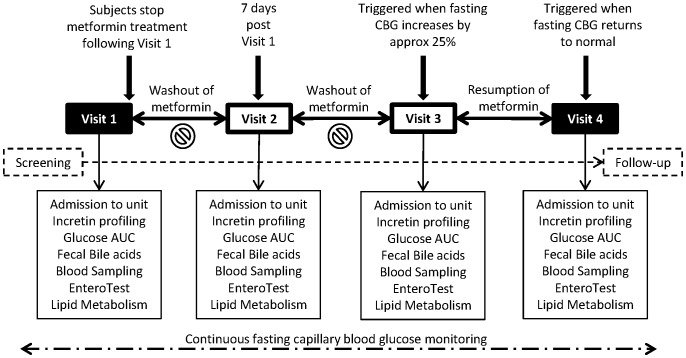
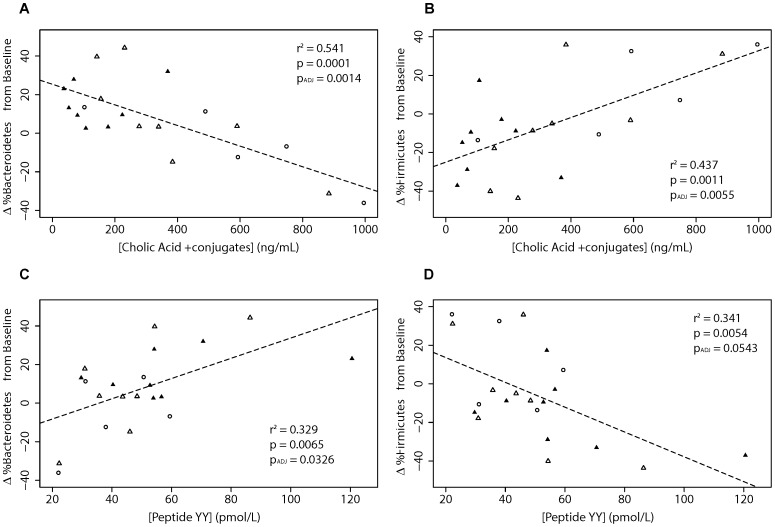
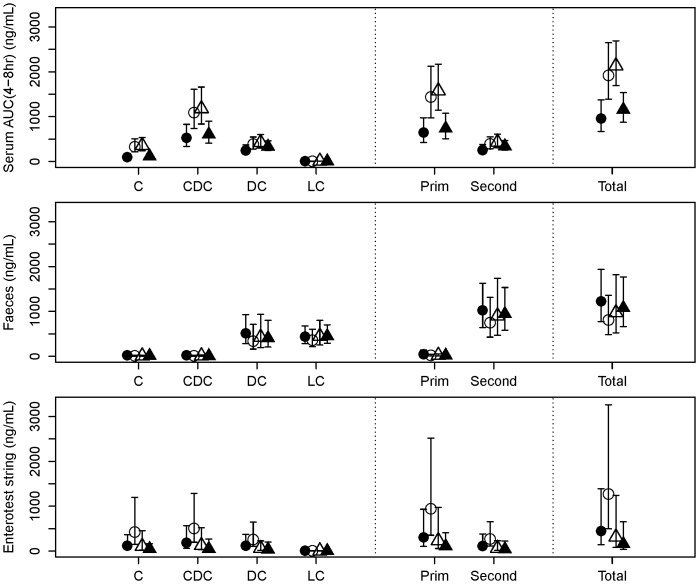
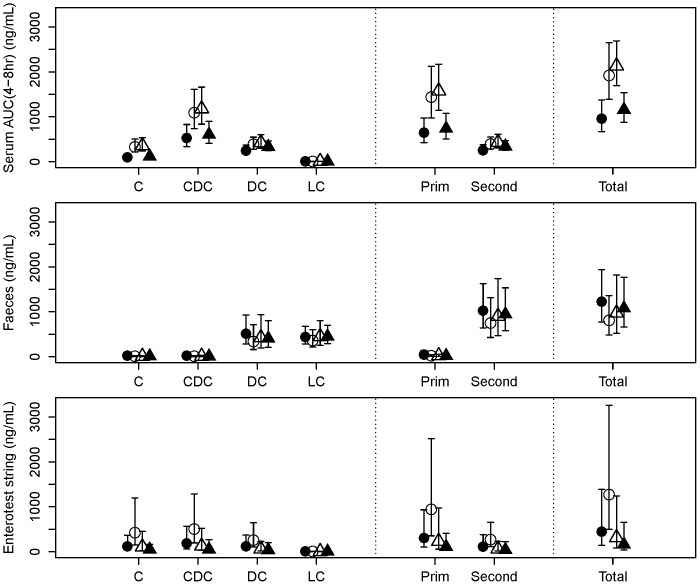
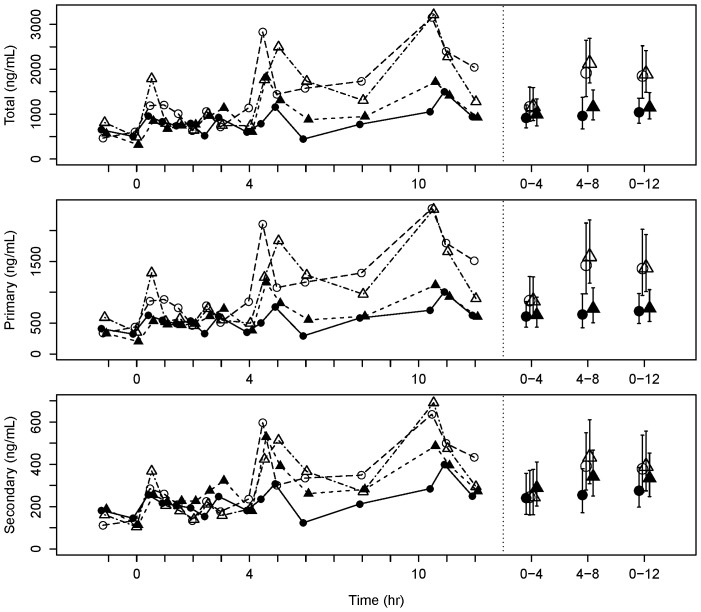
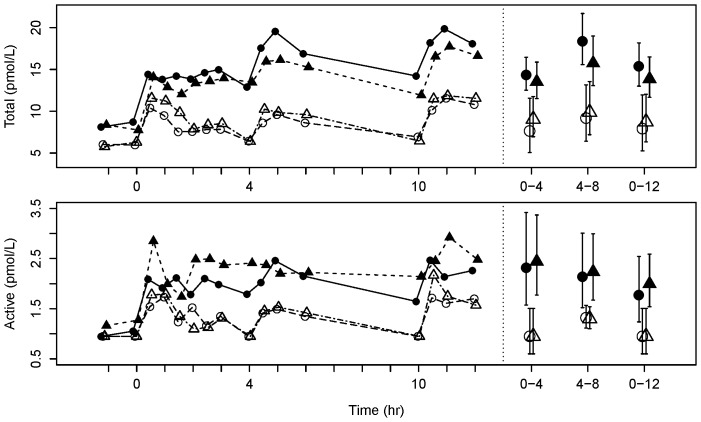
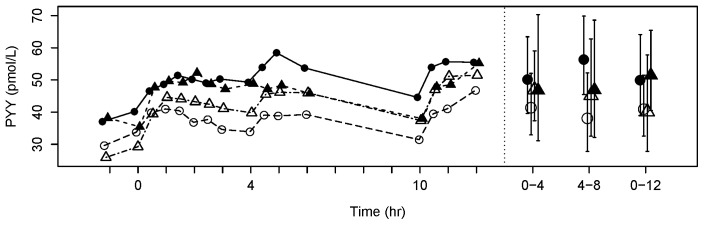
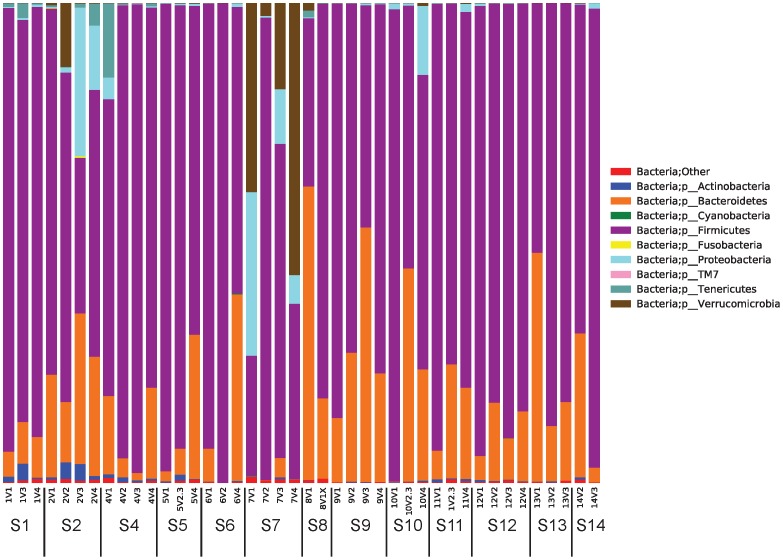
Metformin, a biguanide derivate, has pleiotropic effects beyond glucose reduction, including improvement of lipid profiles and lowering microvascular and macrovascular complications associated with type 2 diabetes mellitus (T2DM). These effects have been ascribed to adenosine monophosphate-activated protein kinase (AMPK) activation in the liver and skeletal muscle. However, metformin effects are not attenuated when AMPK is knocked out and intravenous metformin is less effective than oral medication, raising the possibility of important gut pharmacology. We hypothesized that the pharmacology of metformin includes alteration of bile acid recirculation and gut microbiota resulting in enhanced enteroendocrine hormone secretion. In this study we evaluated T2DM subjects on and off metformin monotherapy to characterize the gut-based mechanisms of metformin. Subjects were studied at 4 time points: (i) at baseline on metformin, (ii) 7 days after stopping metformin, (iii) when fasting blood glucose (FBG) had risen by 25% after stopping metformin, and (iv) when FBG returned to baseline levels after restarting the metformin. At these timepoints we profiled glucose, insulin, gut hormones (glucagon-like peptide-1 (GLP-1), peptide tyrosine-tyrosine (PYY) and glucose-dependent insulinotropic peptide (GIP) and bile acids in blood, as well as duodenal and faecal bile acids and gut microbiota. We found that metformin withdrawal was associated with a reduction of active and total GLP-1 and elevation of serum bile acids, especially cholic acid and its conjugates. These effects reversed when metformin was restarted. Effects on circulating PYY were more modest, while GIP changes were negligible. Microbiota abundance of the phylum Firmicutes was positively correlated with changes in cholic acid and conjugates, while Bacteroidetes abundance was negatively correlated. Firmicutes and Bacteroidetes representation were also correlated with levels of serum PYY. Our study suggests that metformin has complex effects due to gut-based pharmacology which might provide insights into novel therapeutic approaches to treat T2DM and associated metabolic diseases.
www.ClinicalTrials.gov NCT01357876.
二甲双胍是一种双胍衍生物,具有除降低血糖之外的多种效应,包括改善血脂状况以及降低与2型糖尿病(T2DM)相关的微血管和大血管并发症。这些效应归因于肝脏和骨骼肌中腺苷单磷酸激活的蛋白激酶(AMPK)的激活。然而,当AMPK基因敲除时二甲双胍的效应并未减弱,且静脉注射二甲双胍的效果不如口服药物,这增加了肠道药理学起重要作用的可能性。我们推测二甲双胍的药理学作用包括改变胆汁酸循环和肠道微生物群,从而导致肠内分泌激素分泌增加。在本研究中,我们评估了接受和停用二甲双胍单药治疗的T2DM患者,以阐明二甲双胍基于肠道的作用机制。在4个时间点对受试者进行研究:(i)服用二甲双胍时的基线水平,(ii)停用二甲双胍7天后,(iii)停用二甲双胍后空腹血糖(FBG)升高25%时,以及(iv)重新开始服用二甲双胍后FBG恢复到基线水平时。在这些时间点,我们分析了血液中的葡萄糖、胰岛素、肠道激素(胰高血糖素样肽-1(GLP-1)、肽YY(PYY)和葡萄糖依赖性促胰岛素多肽(GIP))和胆汁酸,以及十二指肠和粪便中的胆汁酸和肠道微生物群。我们发现停用二甲双胍与活性和总GLP-1减少以及血清胆汁酸升高有关,尤其是胆酸及其共轭物。重新开始服用二甲双胍后这些效应逆转。对循环PYY的影响较小,而GIP的变化可忽略不计。厚壁菌门的微生物丰度与胆酸及其共轭物的变化呈正相关,而拟杆菌门的丰度呈负相关。厚壁菌门和拟杆菌门的比例也与血清PYY水平相关。我们的研究表明,由于基于肠道的药理学作用,二甲双胍具有复杂的效应,这可能为治疗T2DM及相关代谢疾病的新治疗方法提供思路。
www.ClinicalTrials.gov NCT01357876。