Bartz Raquel R, Fu Ping, Suliman Hagir B, Crowley Stephen D, MacGarvey Nancy Chou, Welty-Wolf Karen, Piantadosi Claude A
Department of Anesthesiology, Duke University School of Medicine, Durham, North Carolina, United States of America; Durham Veterans Affairs Medical Center, Durham, North Carolina, United States of America.
Department of Anesthesiology, Duke University School of Medicine, Durham, North Carolina, United States of America.
PLoS One. 2014 Jul 2;9(7):e100912. doi: 10.1371/journal.pone.0100912. eCollection 2014.
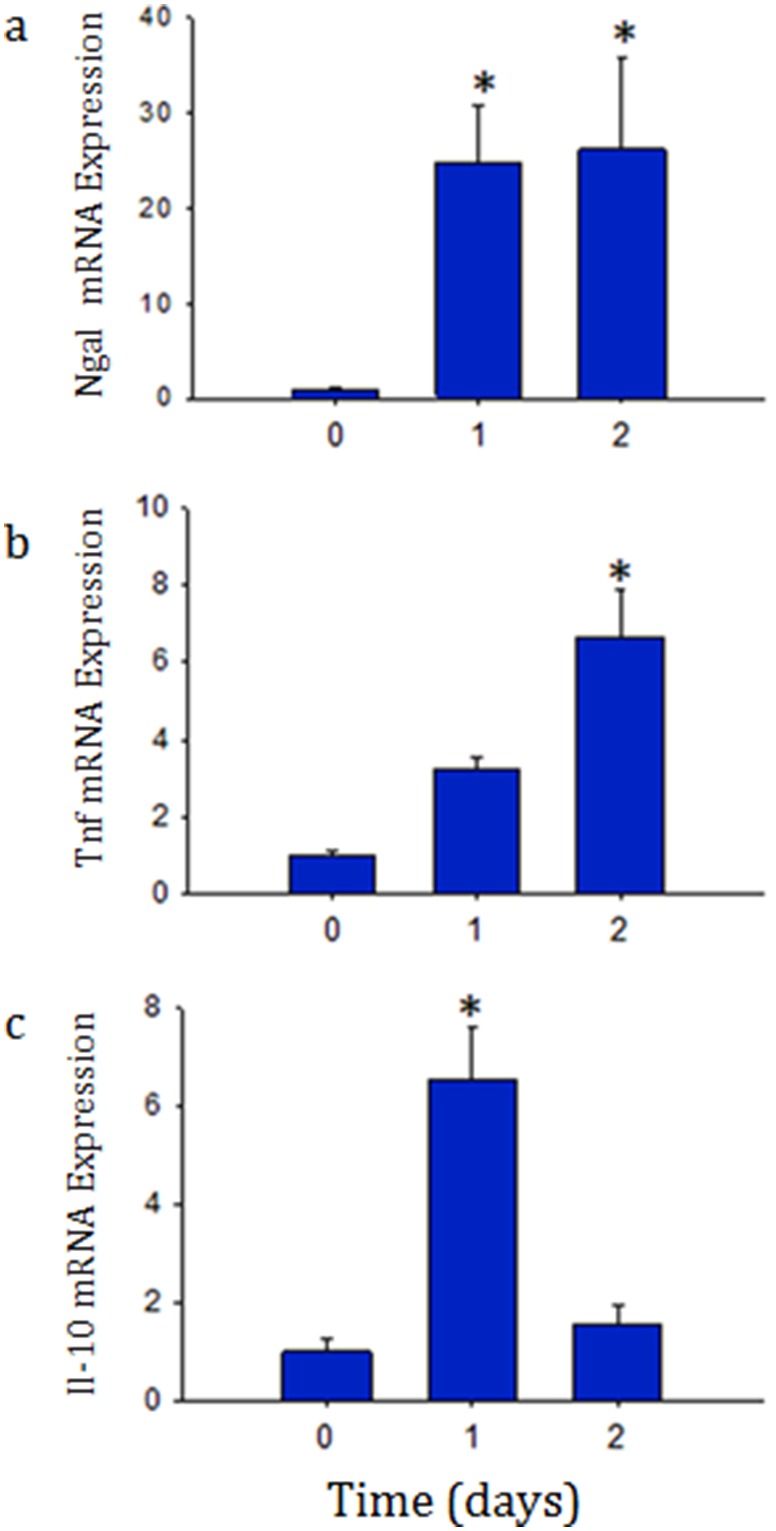
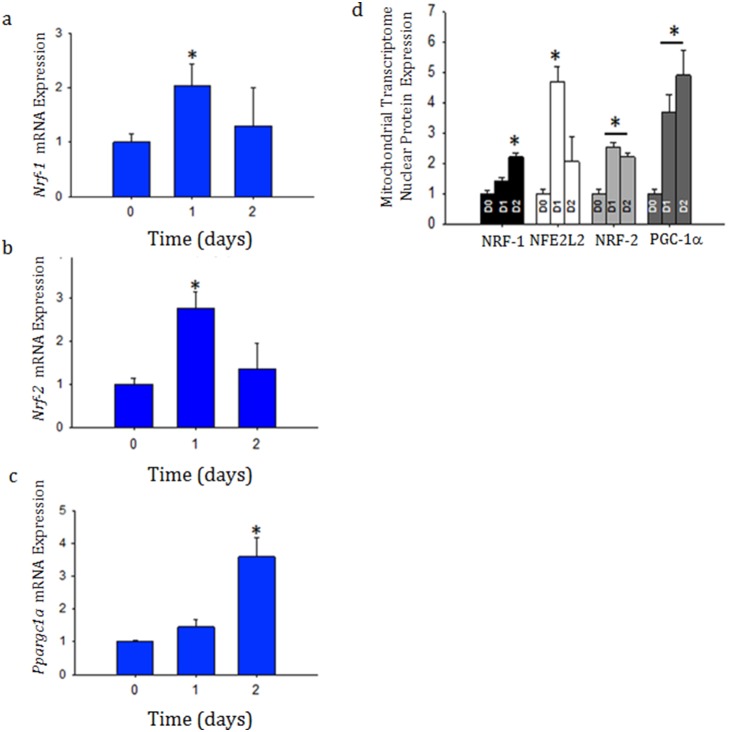
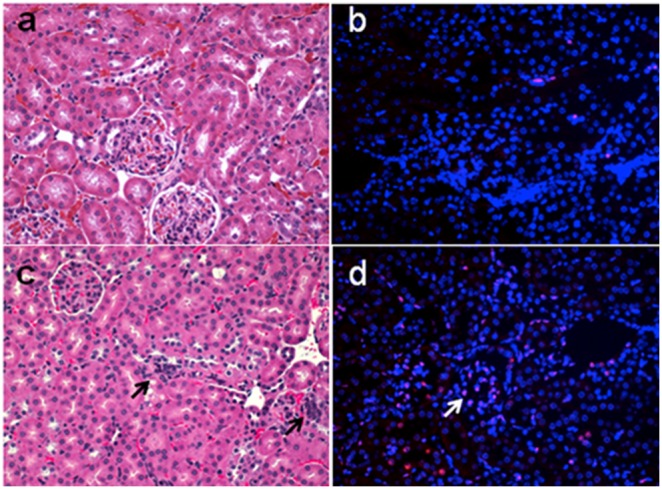
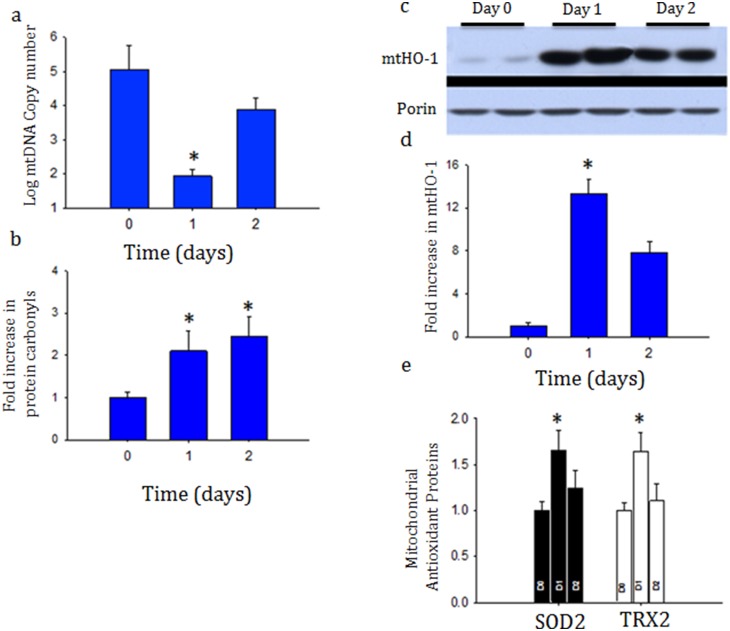
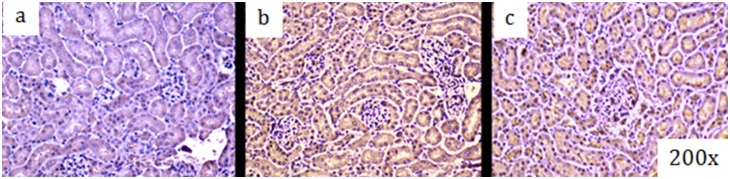
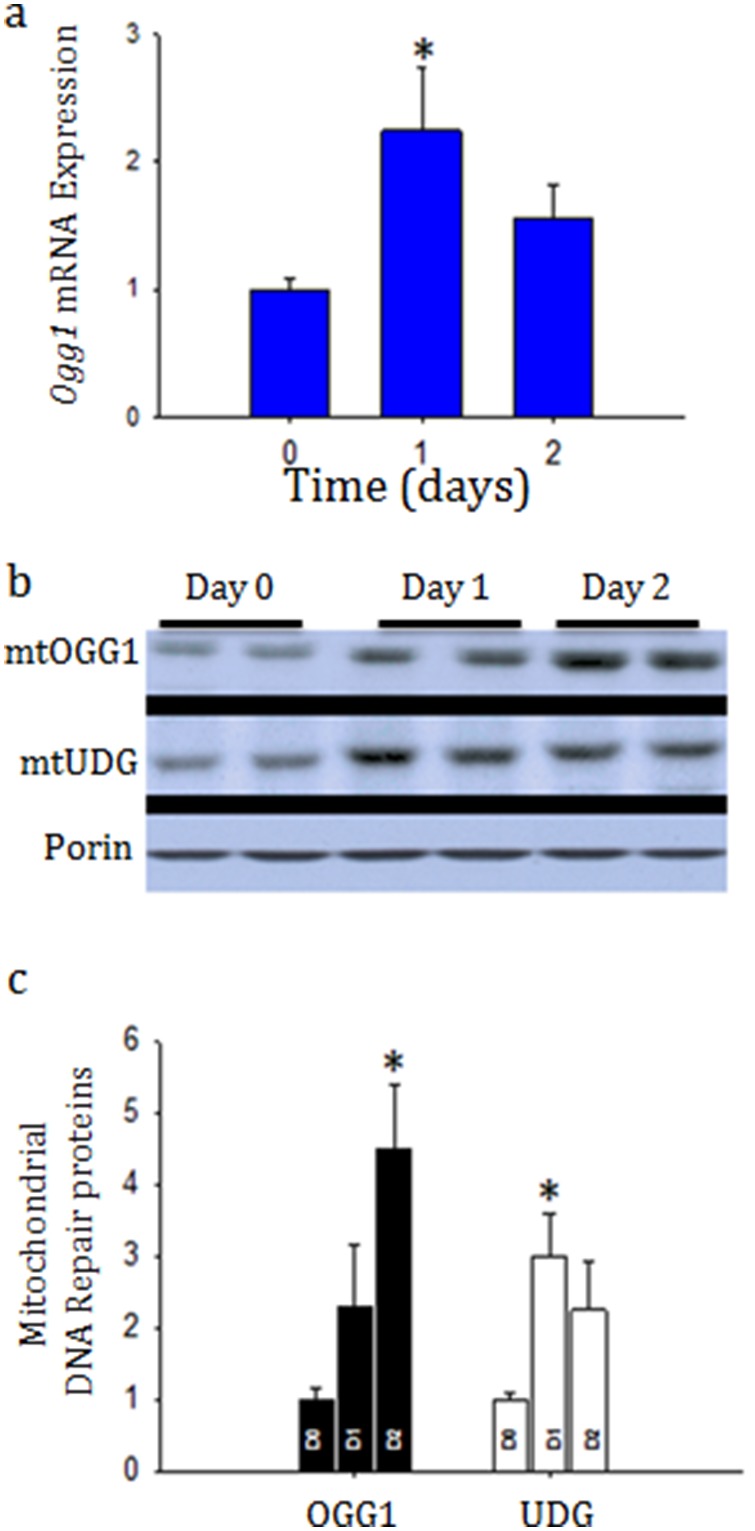
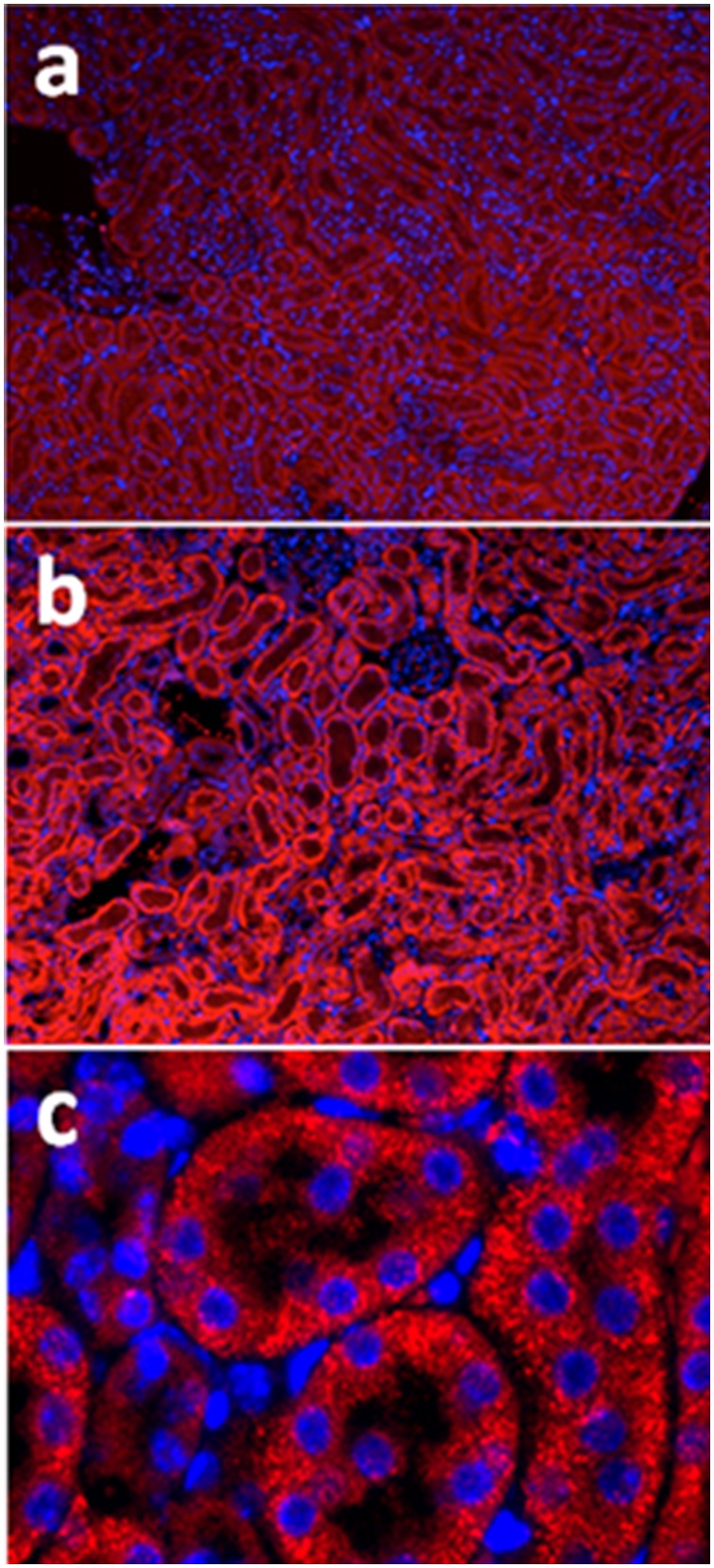
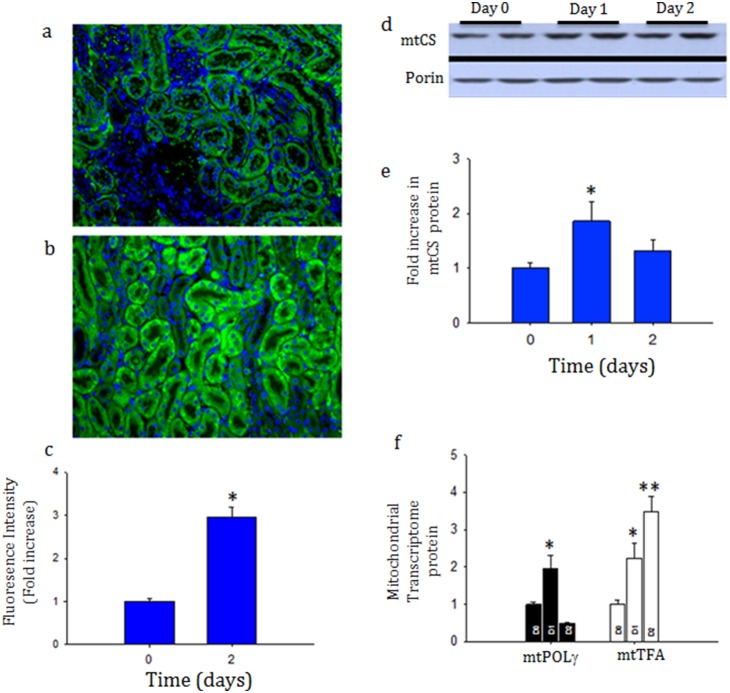
Acute kidney injury (AKI) contributes to the high morbidity and mortality of multi-system organ failure in sepsis. However, recovery of renal function after sepsis-induced AKI suggests active repair of energy-producing pathways. Here, we tested the hypothesis in mice that Staphyloccocus aureus sepsis damages mitochondrial DNA (mtDNA) in the kidney and activates mtDNA repair and mitochondrial biogenesis. Sepsis was induced in wild-type C57Bl/6J and Cox-8 Gfp-tagged mitochondrial-reporter mice via intraperitoneal fibrin clots embedded with S. aureus. Kidneys from surviving mice were harvested at time zero (control), 24, or 48 hours after infection and evaluated for renal inflammation, oxidative stress markers, mtDNA content, and mitochondrial biogenesis markers, and OGG1 and UDG mitochondrial DNA repair enzymes. We examined the kidneys of the mitochondrial reporter mice for changes in staining density and distribution. S. aureus sepsis induced sharp amplification of renal Tnf, Il-10, and Ngal mRNAs with decreased renal mtDNA content and increased tubular and glomerular cell death and accumulation of protein carbonyls and 8-OHdG. Subsequently, mtDNA repair and mitochondrial biogenesis was evidenced by elevated OGG1 levels and significant increases in NRF-1, NRF-2, and mtTFA expression. Overall, renal mitochondrial mass, tracked by citrate synthase mRNA and protein, increased in parallel with changes in mitochondrial GFP-fluorescence especially in proximal tubules in the renal cortex and medulla. Sub-lethal S. aureus sepsis thus induces widespread renal mitochondrial damage that triggers the induction of the renal mtDNA repair protein, OGG1, and mitochondrial biogenesis as a conspicuous resolution mechanism after systemic bacterial infection.
急性肾损伤(AKI)是脓毒症多系统器官功能衰竭高发病率和高死亡率的原因之一。然而,脓毒症诱导的急性肾损伤后肾功能的恢复提示能量产生途径的积极修复。在此,我们在小鼠中验证了金黄色葡萄球菌脓毒症会损伤肾脏中的线粒体DNA(mtDNA)并激活mtDNA修复和线粒体生物发生这一假说。通过腹腔内植入含有金黄色葡萄球菌的纤维蛋白凝块,在野生型C57Bl/6J小鼠和Cox-8绿色荧光蛋白标记的线粒体报告基因小鼠中诱导脓毒症。在感染后0小时(对照)、24小时或48小时收集存活小鼠的肾脏,评估肾脏炎症、氧化应激标志物、mtDNA含量、线粒体生物发生标志物以及OGG1和UDG线粒体DNA修复酶。我们检查线粒体报告基因小鼠的肾脏,观察染色密度和分布的变化。金黄色葡萄球菌脓毒症导致肾脏中Tnf、Il-10和Ngal mRNA急剧扩增,同时肾脏mtDNA含量降低,肾小管和肾小球细胞死亡增加,蛋白质羰基和8-羟基脱氧鸟苷积累。随后,OGG1水平升高以及NRF-1、NRF-2和mtTFA表达显著增加证明了mtDNA修复和线粒体生物发生。总体而言,由柠檬酸合酶mRNA和蛋白质追踪的肾脏线粒体质量与线粒体绿色荧光蛋白荧光的变化平行增加,尤其是在肾皮质和髓质的近端小管中。因此,亚致死性金黄色葡萄球菌脓毒症会诱导广泛的肾脏线粒体损伤,从而触发肾脏mtDNA修复蛋白OGG1的诱导以及线粒体生物发生,这是全身细菌感染后一种显著的解决机制。