OFI - Austrian Research Institute for Chemistry and Technology, Vienna, Austria.
PLoS One. 2014 Jul 7;9(7):e100952. doi: 10.1371/journal.pone.0100952. eCollection 2014.
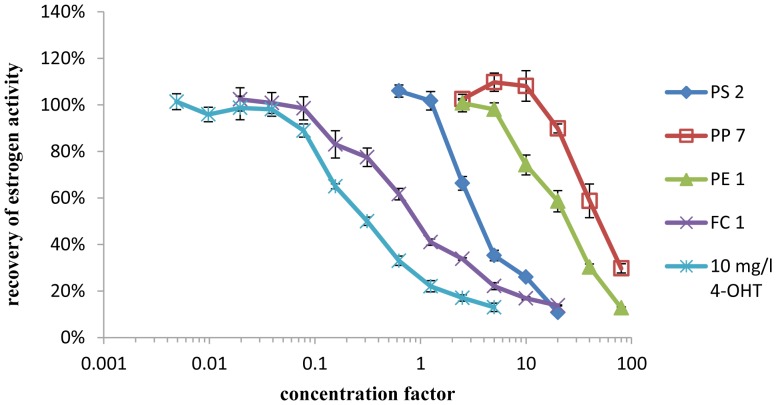
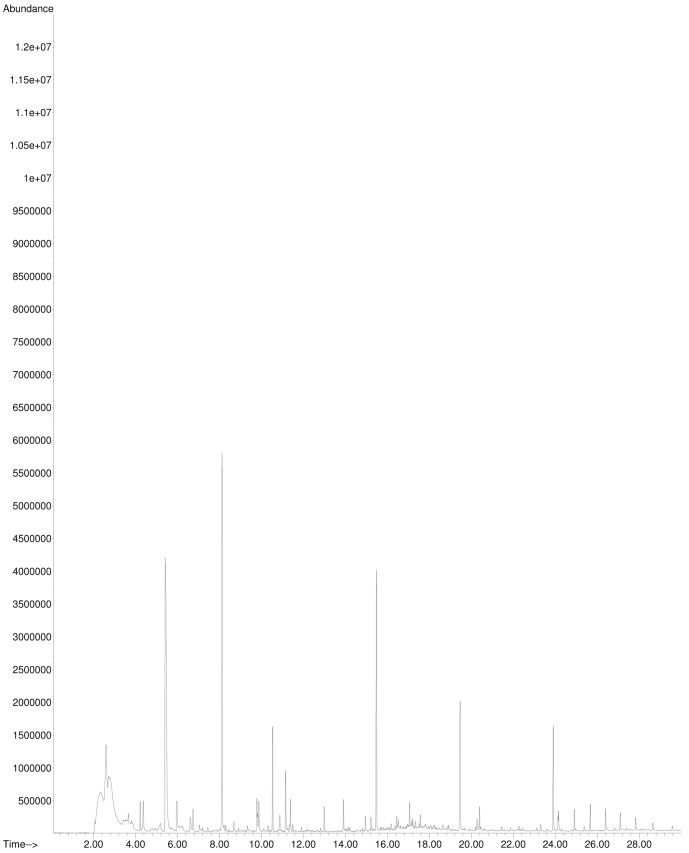
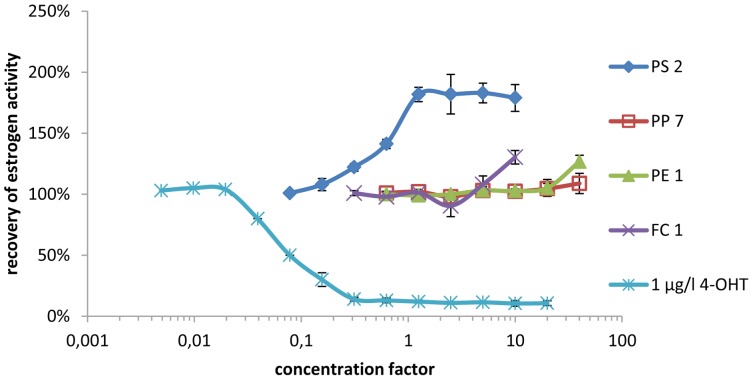
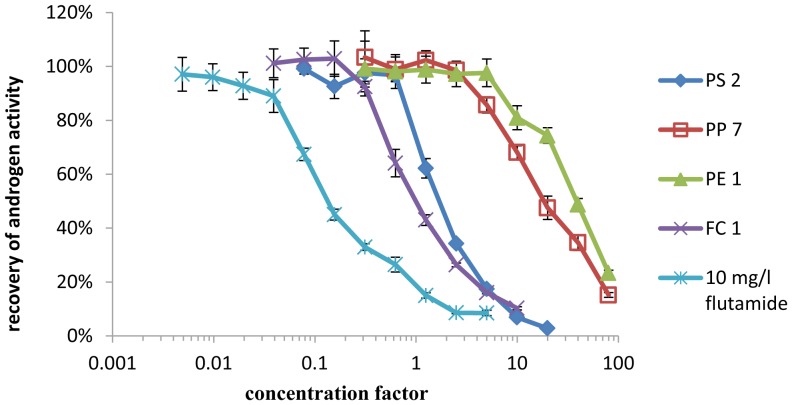
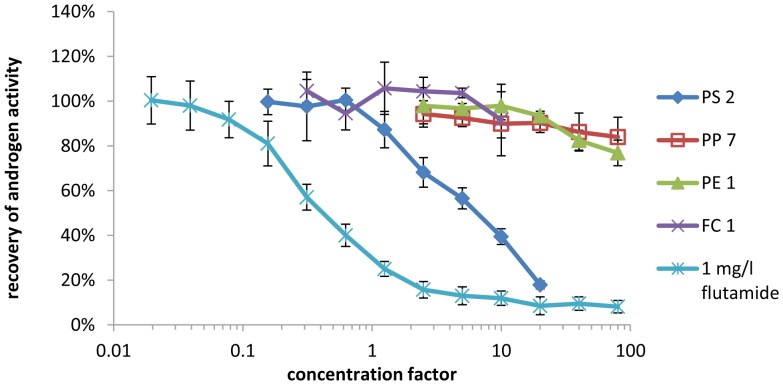
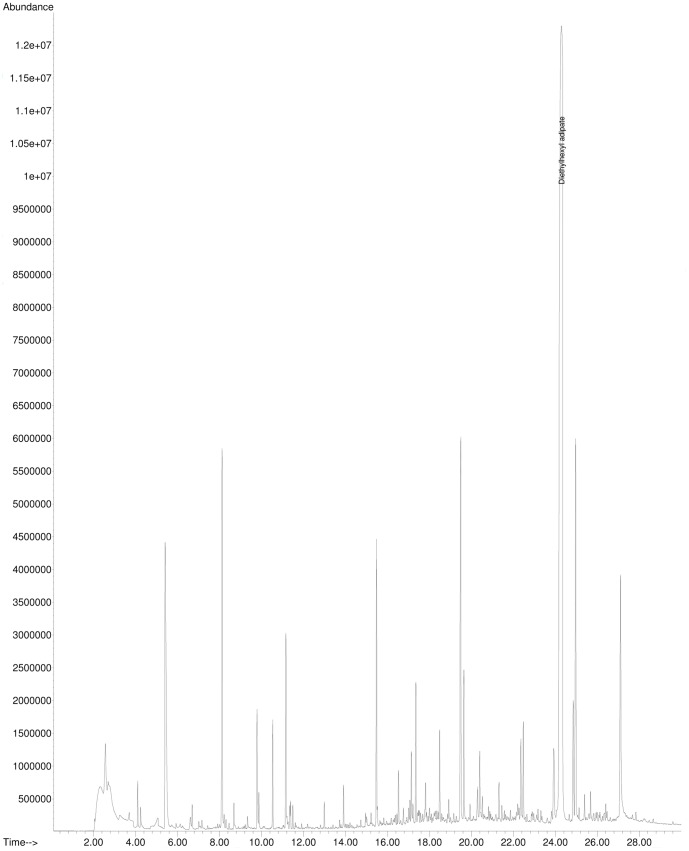
Endocrine active substances (EAS) show structural similarities to natural hormones and are suspected to affect the human endocrine system by inducing hormone dependent effects. Recent studies with in vitro tests suggest that EAS can leach from packaging into food and may therefore pose a risk to human health. Sample migrates from food contact materials were tested for estrogen and androgen agonists and antagonists with different commonly used in vitro tests. Additionally, chemical trace analysis by GC-MS and HPLC-MS was used to identify potential hormone active substances in sample migrates. A GC-MS method to screen migrates for 29 known or potential endocrine active substances was established and validated. Samples were migrated according to EC 10/2011, concentrated by solid phase extraction and tested with estrogen and androgen responsive reporter gene assays based on yeast cells (YES and YAS) or human osteoblast cells (ERα and AR CALUX). A high level of agreement between the different bioassays could be observed by screening for estrogen agonists. Four out of 18 samples tested showed an estrogen activity in a similar range in both, YES and ERα CALUX. Two more samples tested positive in ERα CALUX due to the lower limits of detection in this assay. Androgen agonists could not be detected in any of the tested samples, neither with YAS nor with AR CALUX. When testing for antagonists, significant differences between yeast and human cell-based bioassays were noticed. Using YES and YAS many samples showed a strong antagonistic activity which was not observed using human cell-based CALUX assays. By GC-MS, some known or supposed EAS were identified in sample migrates that showed a biological activity in the in vitro tests. However, no firm conclusions about the sources of the observed hormone activity could be obtained from the chemical results.
内分泌活性物质(EAS)与天然激素具有结构相似性,被怀疑通过诱导激素依赖性效应来影响人体内分泌系统。最近的体外测试研究表明,EAS 可能会从包装中浸出到食物中,因此可能对人类健康构成风险。使用不同常用的体外测试方法,对来自食品接触材料的样品迁移物进行了雌激素和雄激素激动剂和拮抗剂的测试。此外,还使用 GC-MS 和 HPLC-MS 进行了化学痕量分析,以鉴定样品迁移物中的潜在激素活性物质。建立并验证了一种用于筛选迁移物中 29 种已知或潜在内分泌活性物质的 GC-MS 方法。根据 EC 10/2011 对样品进行迁移,通过固相萃取浓缩,并使用基于酵母细胞(YES 和 YAS)或人成骨细胞(ERα 和 AR CALUX)的雌激素和雄激素响应报告基因测定进行测试。通过筛选雌激素激动剂,可以观察到不同生物测定法之间的高度一致性。在 YES 和 ERα CALUX 中,有 4 个样品的雌激素活性处于相似范围内。由于该测定法的检测下限,另外两个样品在 ERα CALUX 中呈阳性。在任何测试的样品中均未检测到雄激素激动剂,无论是 YAS 还是 AR CALUX。在测试拮抗剂时,注意到酵母和基于人细胞的生物测定法之间存在显著差异。使用 YES 和 YAS,许多样品表现出强烈的拮抗活性,而使用基于人细胞的 CALUX 测定法则未观察到这种活性。通过 GC-MS,在显示出体外测试中生物活性的样品迁移物中鉴定出了一些已知或假定的 EAS。然而,从化学结果中无法得出观察到的激素活性的来源的明确结论。