Jenkins Timothy G, Aston Kenneth I, Pflueger Christian, Cairns Bradley R, Carrell Douglas T
Andrology and IVF Laboratories, Department of Surgery, University of Utah School of Medicine, Salt Lake City, Utah, United States of America.
Department of Oncological Sciences, Huntsman Cancer Institute, University of Utah School of Medicine, Salt Lake City, Utah, United States of America.
PLoS Genet. 2014 Jul 10;10(7):e1004458. doi: 10.1371/journal.pgen.1004458. eCollection 2014 Jul.
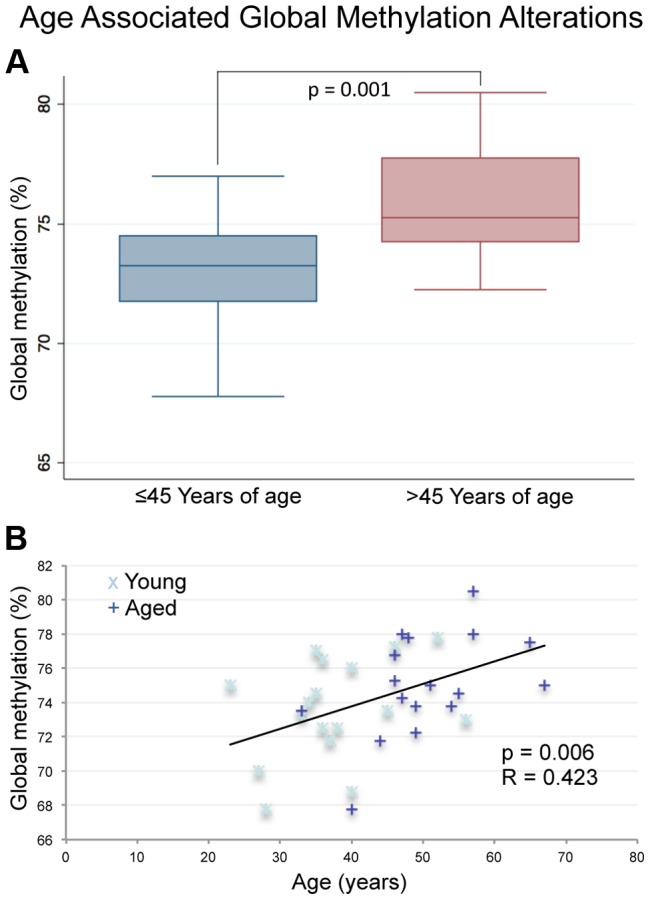
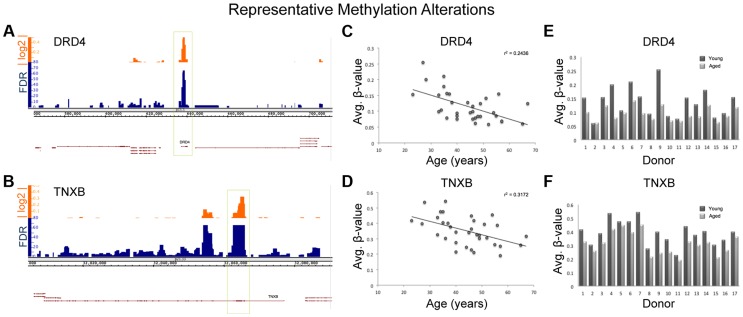
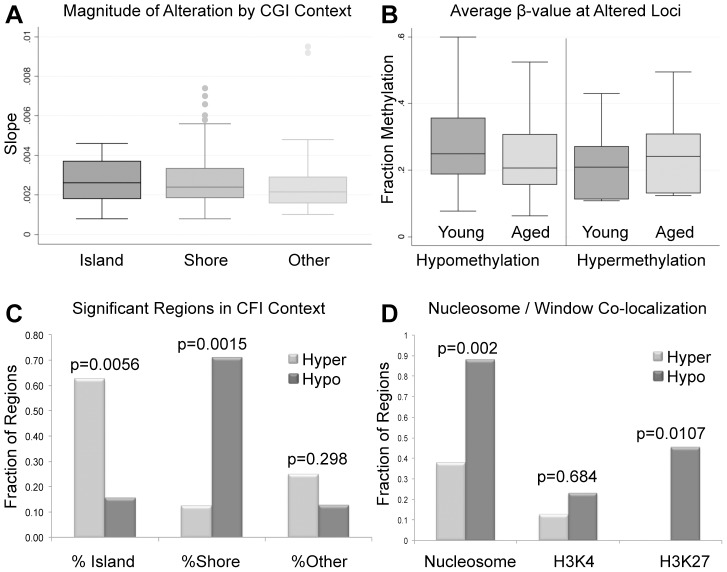
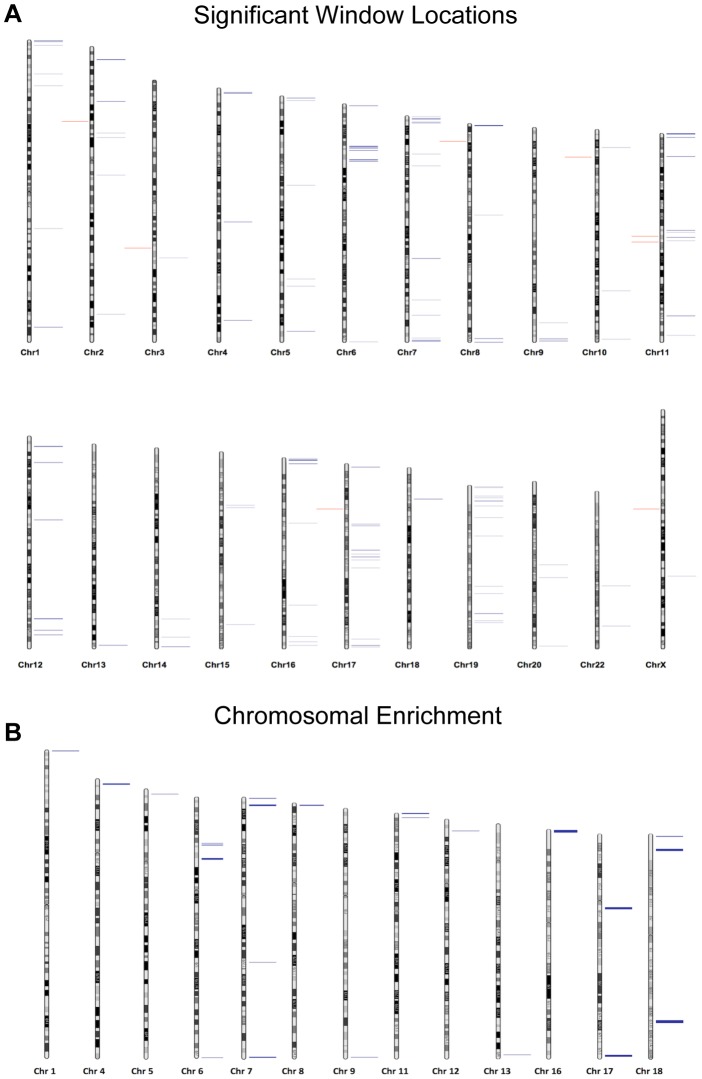
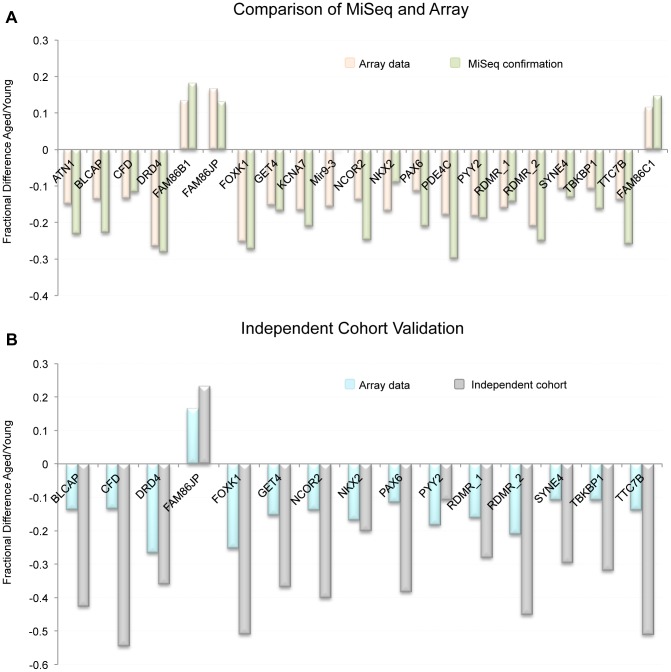
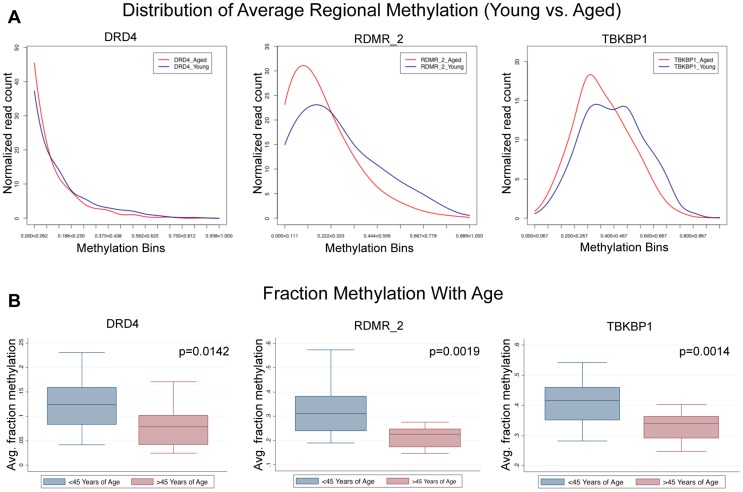
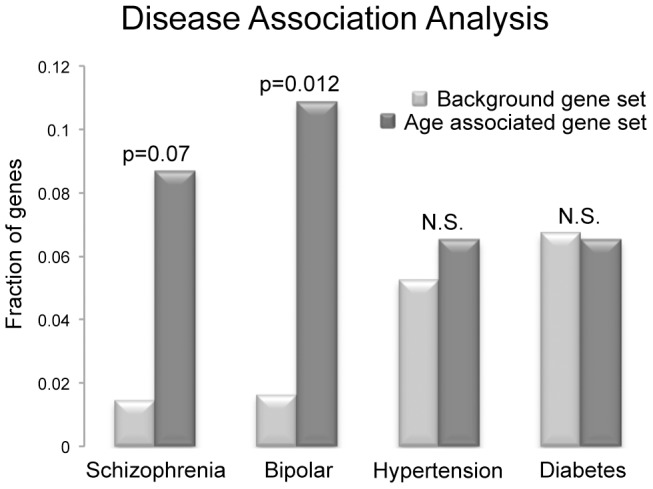
Recent evidence demonstrates a role for paternal aging on offspring disease susceptibility. It is well established that various neuropsychiatric disorders (schizophrenia, autism, etc.), trinucleotide expansion associated diseases (myotonic dystrophy, Huntington's, etc.) and even some forms of cancer have increased incidence in the offspring of older fathers. Despite strong epidemiological evidence that these alterations are more common in offspring sired by older fathers, in most cases the mechanisms that drive these processes are unclear. However, it is commonly believed that epigenetics, and specifically DNA methylation alterations, likely play a role. In this study we have investigated the impact of aging on DNA methylation in mature human sperm. Using a methylation array approach we evaluated changes to sperm DNA methylation patterns in 17 fertile donors by comparing the sperm methylome of 2 samples collected from each individual 9-19 years apart. With this design we have identified 139 regions that are significantly and consistently hypomethylated with age and 8 regions that are significantly hypermethylated with age. A representative subset of these alterations have been confirmed in an independent cohort. A total of 117 genes are associated with these regions of methylation alterations (promoter or gene body). Intriguingly, a portion of the age-related changes in sperm DNA methylation are located at genes previously associated with schizophrenia and bipolar disorder. While our data does not establish a causative relationship, it does raise the possibility that the age-associated methylation of the candidate genes that we observe in sperm might contribute to the increased incidence of neuropsychiatric and other disorders in the offspring of older males. However, further study is required to determine whether, and to what extent, a causative relationship exists.
近期证据表明父亲年龄对后代疾病易感性有影响。众所周知,各种神经精神疾病(精神分裂症、自闭症等)、三核苷酸重复扩增相关疾病(强直性肌营养不良、亨廷顿舞蹈症等),甚至某些形式的癌症在年长父亲的后代中发病率都有所增加。尽管有强有力的流行病学证据表明这些改变在年长父亲所生后代中更为常见,但在大多数情况下,驱动这些过程的机制尚不清楚。然而,人们普遍认为表观遗传学,特别是DNA甲基化改变可能起了作用。在本研究中,我们调查了衰老对成熟人类精子中DNA甲基化的影响。我们采用甲基化阵列方法,通过比较从17名可育供体中分别相隔9 - 19年采集的2份精子样本的甲基化组,评估了精子DNA甲基化模式的变化。通过这种设计,我们确定了139个随年龄显著且持续低甲基化的区域以及8个随年龄显著高甲基化的区域。这些改变的一个代表性子集已在一个独立队列中得到证实。共有117个基因与这些甲基化改变区域(启动子或基因体)相关。有趣的是,精子DNA甲基化中一部分与年龄相关的变化位于先前与精神分裂症和双相情感障碍相关的基因上。虽然我们的数据并未确立因果关系,但确实增加了一种可能性,即我们在精子中观察到的与年龄相关的候选基因甲基化可能导致年长男性后代中神经精神疾病及其他疾病发病率增加。然而,需要进一步研究来确定是否存在因果关系以及这种关系的程度。