Mazen A, Menissier-de Murcia J, Molinete M, Simonin F, Gradwohl G, Poirier G, de Murcia G
IMBC du CNRS, Laboratoire de Biochimie 2, Strasbourg, France.
Nucleic Acids Res. 1989 Jun 26;17(12):4689-98. doi: 10.1093/nar/17.12.4689.
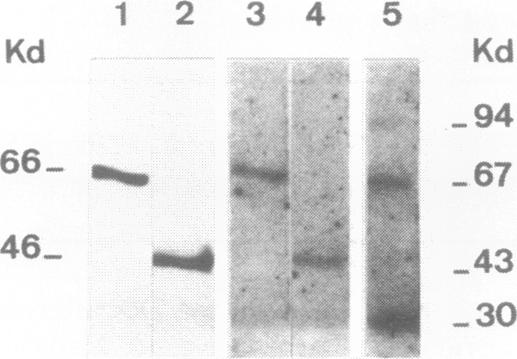
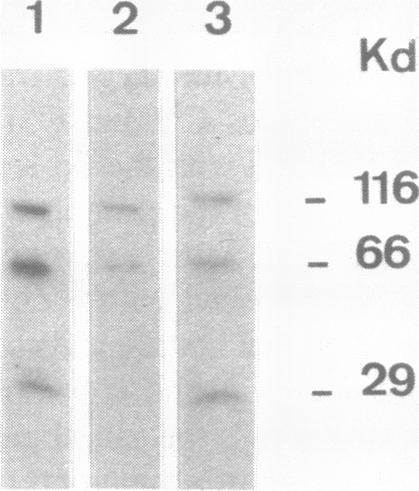
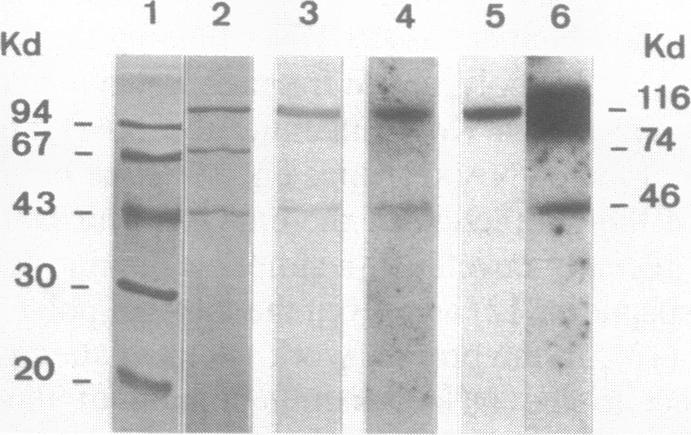
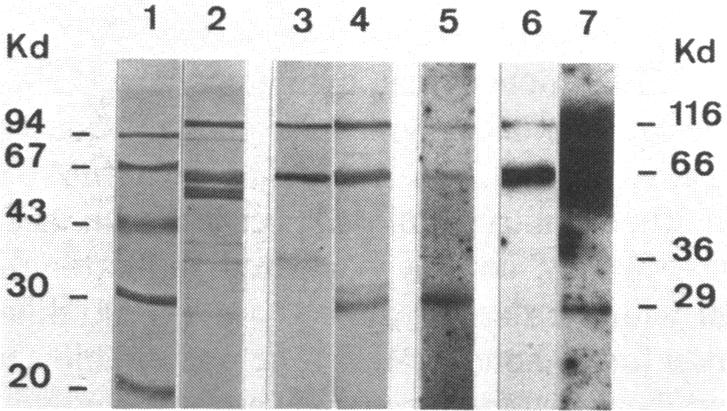
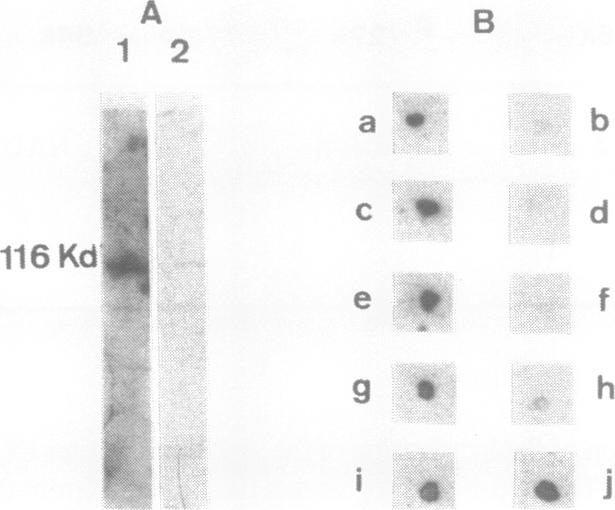
By Energy Dispersive X-ray fluorescence we have determined that calf thymus poly(ADP-ribose) polymerase binds two zinc ions per enzyme molecule. Using 65Zn (II) for detection of zinc binding proteins and polypeptides on western blots, we found that the zinc binding sites are localized in a 29 kd N-terminal fragment which is included in the DNA binding domain. Metal depletion and restoration experiments proved that zinc is essential for the binding of this fragment to DNA as tested by Southwestern assay. These results correlate with the existence of two putative zinc finger motifs present in the N-terminal part of the human enzyme. Poly(ADP-ribose)polymerase fingers could be involved in the recognition of DNA strand breaks and therefore in enzyme activation.
通过能量色散X射线荧光分析,我们已确定小牛胸腺多聚(ADP - 核糖)聚合酶每个酶分子结合两个锌离子。使用65Zn(II)在蛋白质免疫印迹上检测锌结合蛋白和多肽,我们发现锌结合位点位于一个29 kd的N端片段中,该片段包含在DNA结合结构域内。金属耗尽和恢复实验证明,如通过蛋白质免疫印迹法检测,锌对于该片段与DNA的结合至关重要。这些结果与人类酶N端存在的两个假定锌指基序相关。多聚(ADP - 核糖)聚合酶的锌指可能参与DNA链断裂的识别,进而参与酶的激活。